Quick Guide
- Why Bother With Ski Lessons? (Spoiler: It's Not Just for Beginners)
- The Different Flavors of Ski Lessons: Finding Your Fit
- How to Pick a Ski School or Instructor (The Real Checklist)
- What to Expect in Your First Ski Lesson (A Play-by-Play)
- Essential Gear for Your Lessons (The Must-Haves vs. The Nice-to-Haves)
- The Money Talk: How Much Do Ski Lessons Really Cost?
- Beyond the First Lesson: The Path to Progression
- Common Questions About Ski Lessons (Answered Honestly)
- Wrapping It Up: Your Action Plan
Let's be honest for a second. The idea of strapping two long, slippery planks to your feet and pointing yourself down a snow-covered mountain is, when you think about it, kind of crazy. Thrilling, but crazy. I remember my first time at a ski resort. I watched these tiny figures gracefully carving down the slopes from the warmth of the lodge, sipping hot chocolate and thinking, "Yeah, I can do that." Fast forward an hour, and I was a heap of limbs, skis crossed, poles flung somewhere down the hill, wondering what cosmic joke I'd stumbled into. That's the moment I knew I needed proper ski lessons.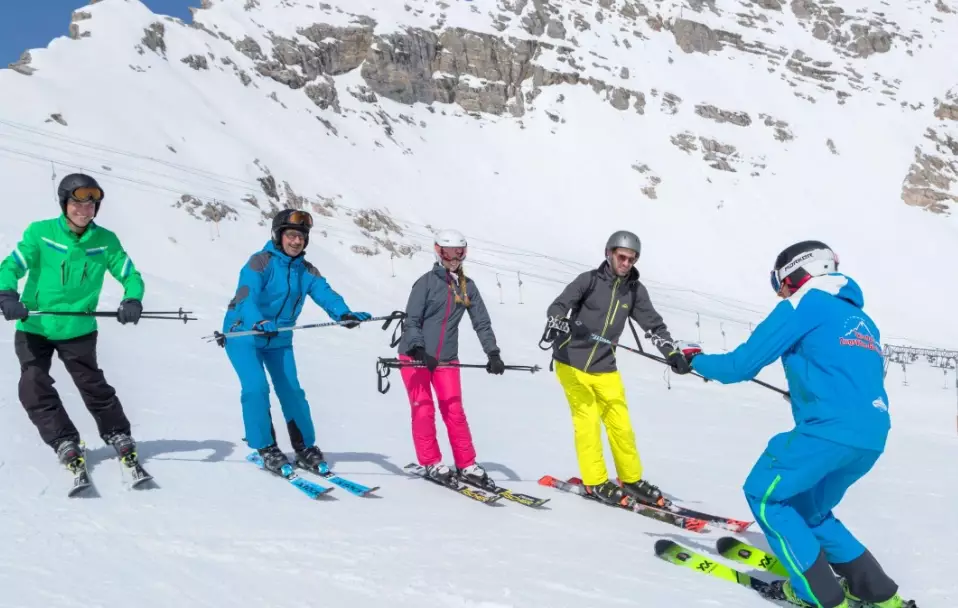
And that's what this is all about. This isn't some fluffy, generic article. This is the guide I wish I had. We're going to dig into the real stuff—how to actually find good ski lessons, what they really cost, what you'll actually learn, and how to avoid the common pitfalls that waste your time and money. Whether you're a complete beginner who doesn't know a ski boot from a hiking boot, or someone who's been on the bunny hill a few times and wants to break through to the next level, this is for you.
The Core Idea: Skiing is a skill-based sport. You can't just "figure it out." Quality instruction is the fastest, safest, and most enjoyable path to unlocking the mountains. It's an investment in your fun and safety.
Why Bother With Ski Lessons? (Spoiler: It's Not Just for Beginners)
Maybe you're on the fence. "My friend says he can teach me," or "I'll just watch some YouTube videos." I get it. Lessons cost money. But let me give you the real talk on why skipping professional ski instruction is often a false economy.
First, safety. A certified instructor teaches you how to fall (yes, there's a technique!), how to stop reliably, and how to control your speed before you need to. This isn't just about you; it's about everyone else on the hill. The National Ski Areas Association has resources on Your Responsibility Code, which is the skier's equivalent of the rules of the road. A good instructor drills this into you from day one.
Second, efficiency. Bad habits are incredibly easy to pick up and painfully hard to unlearn. I spent a whole season trying to muscle my turns with my upper body because that's what felt "strong" at first. An instructor spotted it in five minutes and gave me two drills that fixed it. That season of frustration? Could have been avoided with a single lesson early on.
Third, confidence. There's a huge mental component to skiing. Fear tenses you up, and tense skiers don't turn well. A good instructor builds your confidence progressively, putting you on terrain that challenges you just enough without terrifying you. The progression feels natural, not forced.
Think of it this way: would you try to learn to drive from a friend in a busy city center?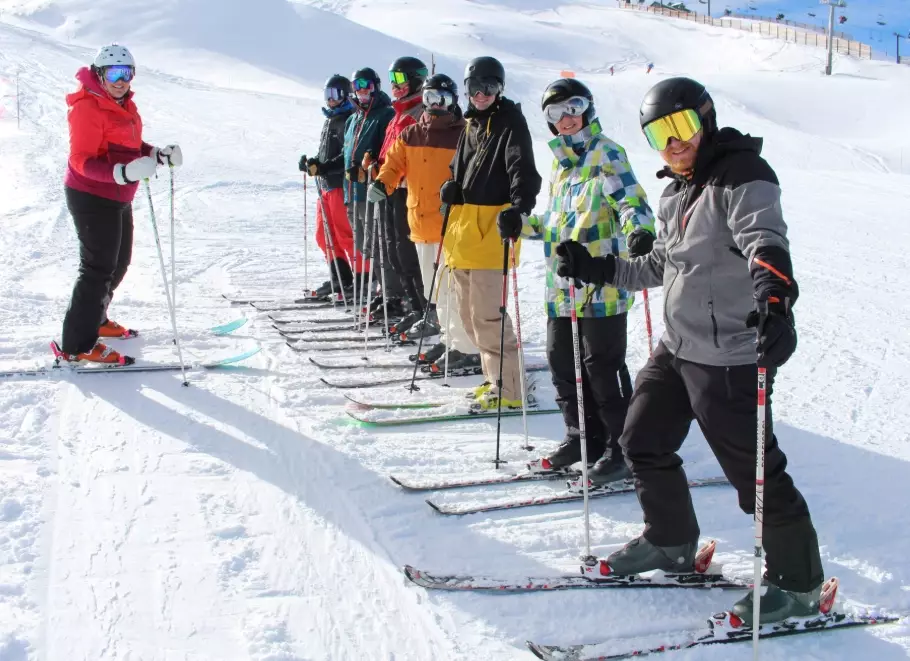
Exactly.
The Different Flavors of Ski Lessons: Finding Your Fit
Not all skiing lessons are created equal. The right choice depends heavily on your personality, budget, and goals. Here’s a breakdown that cuts through the marketing.
Group Lessons: The Social Starter Pack
This is the most common entry point. You're placed with a small group of skiers at a similar skill level. The vibe can range from mildly chaotic to brilliantly fun, depending on the group dynamic and the instructor.
The Good: It's the most affordable option per hour. It's social—you can laugh (and struggle) with others. There's a scheduled structure, which forces you to commit to a block of time. Most major ski schools, like those affiliated with Vail Resorts or Alterra Mountain Company, run these like well-oiled machines, with clear level progressions.
The Not-So-Good: You get less individual attention. The pace is set for the group, so if you're the quickest learner, you might feel held back. If you're the slowest, you might feel pressured. The instructor's focus is divided.
My take? Fantastic for absolute beginners or early intermediates looking to solidify basics in a low-pressure, fun environment. A multi-day group lesson package is often a steal.
Private Lessons: The Customized Rocket Ship
One instructor, just for you (or your family/friends). This is where the magic happens if you have specific goals.
The Good: Completely personalized. The lesson is 100% about you. Want to conquer your fear of blue runs? Done. Want to learn how to ski powder? They'll take you there. The learning pace is maximized. You can also often get lift line priority, which is a huge time-saver on busy days.
The Not-So-Good: The price tag. It's significantly more expensive per hour. The value is immense, but the upfront cost can be a barrier.
My take? Worth every penny if you can swing it, especially for a half-day. The focused feedback accelerates your learning more than a week of fumbling on your own. It's also perfect for families with kids of different ages/abilities—you can get a private instructor just for your crew.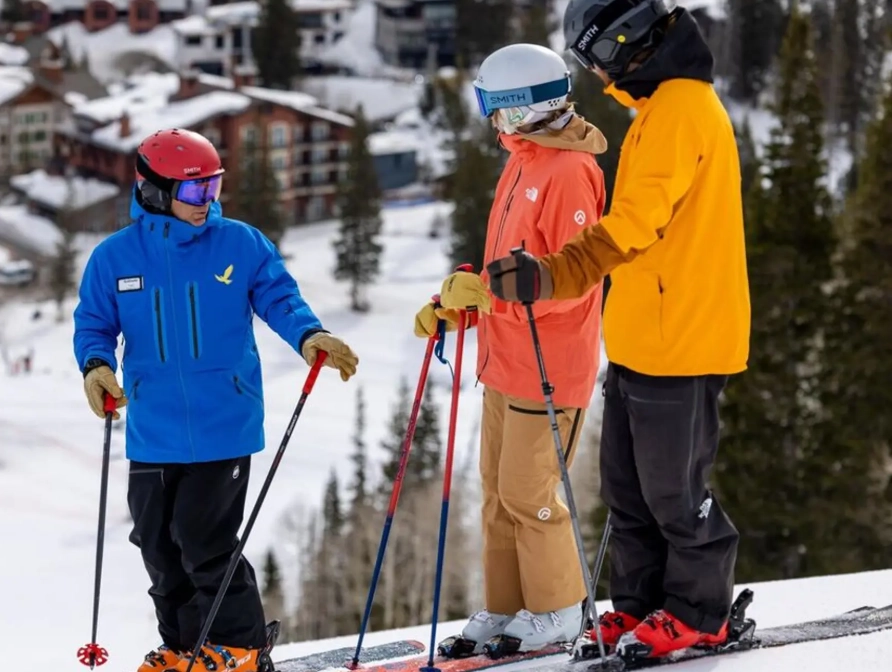
Semi-Private Lessons & Specialty Clinics
Some schools offer lessons for small, pre-formed groups (like 2-4 friends) at a rate between group and private. There are also clinics focused on specific skills: women's clinics, mogul workshops, freestyle park introduction, even backcountry safety seminars.
Pro Tip: Don't sleep on the "first-timer" or "never-ever" packages many resorts offer. These often bundle a beginner group lesson, equipment rental, and a limited access lift pass for a very competitive price. It's the lowest-risk way to try the sport.
How to Pick a Ski School or Instructor (The Real Checklist)
Okay, you're sold on lessons. Now, how do you choose where to go? "All ski schools are the same," said no experienced skier ever. Here's what actually matters.
Certification is Key. In the US, look for instructors certified by the Professional Ski Instructors of America & American Association of Snowboard Instructors (PSIA-AASI). This is the gold standard. It means the instructor has passed rigorous exams on technical skill, teaching ability, and safety. In Canada, it's the Canadian Ski Instructors' Alliance (CSIA). In Europe, systems vary by country (like the French ESF), but a recognized certification is a non-negotiable sign of quality.
Reputation & Reviews. Don't just look at the resort's marketing. Dig into third-party reviews on sites like TripAdvisor or skiing forums. Look for comments about instructor patience, class size accuracy, and how they handle different learning paces. Phrases like "my kid loved it" or "I finally linked my turns" are good signs.
The Vibe. This is subjective but crucial. Some schools have a more rigid, technical feel. Others are more playful and relaxed. Call them. Ask questions: "How do you assess a student's level?" "What's your typical instructor-to-student ratio in a group lesson?" Their willingness to chat tells you a lot.
Logistics. Where is the meeting point? Is it a chaotic circus at 9 AM, or is it organized? Can you book online easily? Do they have a clear policy for bad weather or if you're just not feeling it?
What to Expect in Your First Ski Lesson (A Play-by-Play)
Nervous about the unknown? Let's walk through a typical first-timer group lesson. Knowing what's coming takes the edge off.
Step 1: The Gear-Up & Meet. You'll get your rental equipment (ski boots are clunky and weird, everyone feels like a penguin). Then you'll meet your group and instructor at a designated spot, usually near the beginner area (the "bunny hill").
Step 2: The Ground School. You won't go straight to the lift. You'll spend time on flat ground learning the absolute basics: how to put on and take off your skis, how to walk like a duck in them (the "duck walk"), and simply getting a feel for the equipment. The instructor will explain the basic parts of the ski.
Step 3: The Magic Carpet & Pizza. You'll likely use a surface lift called a "magic carpet" (a moving sidewalk for skiers) to go up a tiny slope. Here, you'll learn the most important skill in skiing: how to stop. This is the "snowplow" or "pizza" (tips together, tails apart). You'll practice sliding down, then making your "pizza" to stop. This builds immediate control.
Step 4: Turning the Pizza. Once you can stop reliably, you'll learn to gently shift your weight to turn your "pizza" left and right. This is how you control your path, not just your speed. It's a huge "aha!" moment.
Step 5: The First Real Lift & Run. If the group is progressing well, the instructor might take you on a beginner chairlift and down a very gentle green circle run. They'll teach you how to load and unload the lift (a source of many beginner laughs). The run will feel huge, but you'll have the skills to manage it.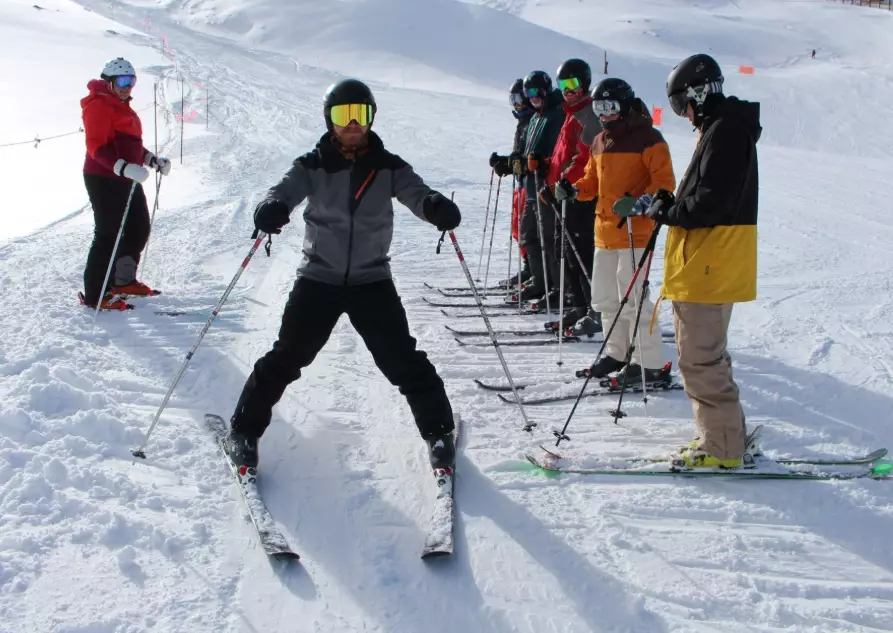
Common First-Timer Mistake: Dressing in jeans and a cotton hoodie. Cotton gets wet and stays wet, making you cold and miserable. Wear synthetic or wool base layers that wick moisture. This is non-negotiable.
Essential Gear for Your Lessons (The Must-Haves vs. The Nice-to-Haves)
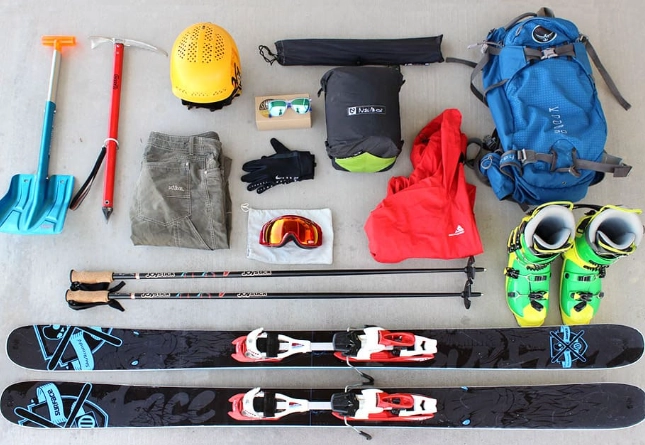
You don't need to buy a full kit for your first lesson, but you do need the right stuff. Most of this you can rent, but some things you should own.
| Item | Can You Rent It? | Our Strong Recommendation | Why It Matters |
|---|---|---|---|
| Ski Boots | YES | Rent, but ensure a proper fit. Don't just take size 10 if you wear 10 shoes. Ski boots should be snug, not painfully tight. | Your primary control interface. A bad fit ruins everything. Tell the rental tech you're a beginner—they might give you a softer, more forgiving boot. |
| Skis & Poles | YES | Definitely rent. Beginner skis are shorter and easier to turn. The shop will set the bindings for your weight/level. | Beginners don't need high-performance skis. Rental packages provide the right tool for the job. Poles are mostly for rhythm at first. |
| Helmet | YES (usually) | NON-NEGOTIABLE. Rent or buy, but you MUST wear one. It's standard practice now. | Safety first. Period. It also keeps your head warm. Most resorts require them for kids in lessons. |
| Ski Socks | NO | BUY. Get a single pair of long, thin-to-medium thickness ski socks (merino wool or synthetic). | Cotton socks bunch up and cause blisters. One good pair is all you need. Never wear two pairs. |
| Goggles | YES (sometimes) | Highly recommended to buy or rent. Sunglasses are okay on perfect sunny days, but goggles protect from wind, snow, and branches. | They improve vision dramatically in flat light, snow, or wind. Look for lenses with good UV protection. |
| Gloves/Mittens | NO | BUY. Waterproof ski gloves or mittens. Mittens are often warmer for beginners. | You will fall and put your hands in the snow. Wet, cold hands will make you want to quit. |
The Money Talk: How Much Do Ski Lessons Really Cost?
Let's talk numbers, because this is often the biggest sticking point. Prices vary wildly by resort, season, and lesson type. Here's a rough, realistic range (in USD) for the 2023/24 season to give you a ballpark.
- Group Lesson (Full Day): $150 - $250. Often includes a lift ticket for beginner terrain only.
- Group Lesson (Half-Day): $100 - $180.
- Multi-Day Beginner Package (3 days): $400 - $700. Usually includes rentals, lessons, and limited lift access. Often the best value for a true beginner.
- Private Lesson (1 hour): $100 - $150.
- Private Lesson (Full Day, 6 hrs): $800 - $1,200+ at a major destination resort. Sometimes slightly cheaper per person for 2-3 people.
Ouch, right?
But consider the value. A full-day private lesson is like a full-day intensive workshop. You will learn more in those 6 hours than in 3-4 days of solo skiing. For group lessons, look for mid-week or non-holiday periods. Prices can be 20-30% lower. Also, check if your lift ticket purchase includes a free or discounted introductory group lesson—some smaller resorts offer this to attract beginners.
Beyond the First Lesson: The Path to Progression
So you've taken a lesson or two. You can make it down a green run without panicking. What's next? The learning never really stops, and that's the fun part.
The Intermediate Plateau. This is where most people get stuck. You can get down most blue runs, but it's a lot of work. You might skid your turns rather than carve them. This is the perfect time for another lesson—maybe a private one focused on a specific technique, like carving or pole planting. The International Ski Federation (FIS) outlines skill progressions that instructors use worldwide, moving from basic skidding turns to dynamic carved turns.
Exploring Different Disciplines. Maybe you want to try moguls, trees, or the terrain park. Each requires specific techniques. A clinic is the safest way to start. Never just point your skis into a terrain park without knowing how to handle a jump or box.
The Social Aspect. Join a ski club or meet-up group. Skiing with people slightly better than you is a fantastic, informal way to learn. You follow their line, mimic their movements.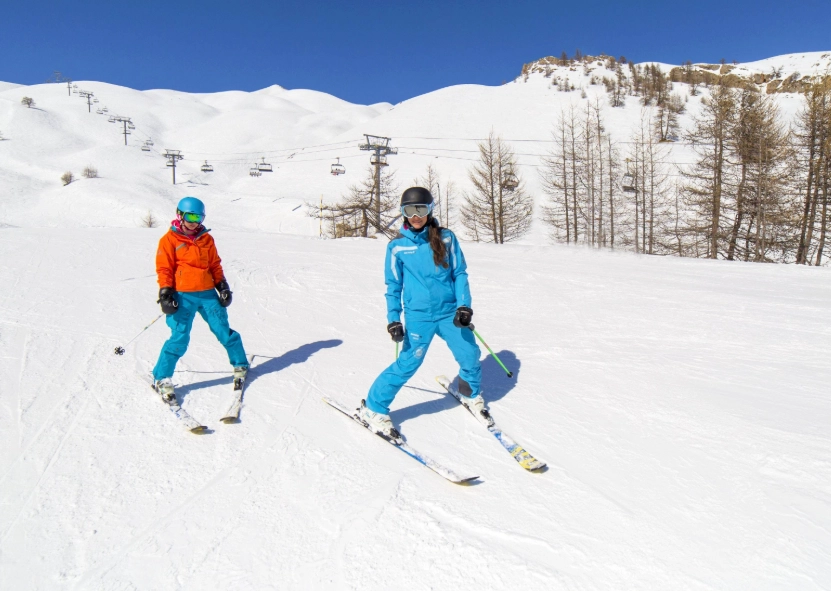
Common Questions About Ski Lessons (Answered Honestly)
"Am I too old to start taking ski lessons?"
Absolutely not. I've seen people in their 60s and 70s take their first lessons and thrive. The key is to communicate with your instructor. Tell them about any physical limitations (stiff knees, bad back). A good instructor will tailor exercises and focus on smooth, controlled movements that don't stress the joints. Private lessons can be especially beneficial here.
"What's the best age for kids to start?"
Most ski schools start group lessons for kids around age 4. Before that, it's more about play on skis, often with a parent. The magic age is often 6-7, when they have better coordination and the ability to listen and follow instructions in a group. Kids' ski lessons are a world of their own—they use games, stories, and terrain features to make learning fun. Look for a school with a dedicated children's center.
"How many lessons will I need before I can ski on my own?"
There's no single answer. A motivated adult in decent shape might feel comfortable on easy green runs after a 2-3 day beginner package. "Skiing on your own" doesn't mean mastering the mountain; it means having the fundamental skills (stop, turn, control speed, use lifts) to practice safely without an instructor by your side. Don't rush it. Competence on easy blue runs might take a week of practice spread over a season.
"What if the weather is terrible?"
Lessons go on in snow, wind, and cold. Instructors are experts at finding sheltered areas and adjusting the plan. However, if the mountain shuts down lifts due to high winds or extreme conditions, lessons are usually canceled or rescheduled. Always check the resort's cancellation policy when you book.
Wrapping It Up: Your Action Plan
It's easy to get overwhelmed with information. Let's simplify it into concrete steps.
- Decide Your Goal: Just try it? Get off the bunny hill? Smooth out your turns on blues?
- Pick Your Lesson Type: Based on goal and budget, choose group, private, or a specialty clinic.
- Research & Book Early: Don't wait until you arrive. Popular times (holidays, weekends) sell out. Book online, and look for packages.
- Get Your Personal Gear: Buy good socks, waterproof pants/coat, gloves, and goggles. Rent the rest.
- Show Up Ready: Get a good night's sleep, eat breakfast, and arrive at the meeting point early, dressed appropriately.
- Communicate: Tell your instructor your fears and goals. They can't read your mind.
- Embrace the Process: You will fall. Everyone does. Laugh it off, get up, and try again. The feeling of linking your first few smooth turns is worth every stumble.
Taking ski lessons is the single best decision you can make for your skiing journey. It transforms the experience from a frustrating, potentially scary ordeal into a progressive, rewarding adventure. It opens the door to a lifetime of enjoying the mountains in winter. The initial cost and bit of vulnerability are a small price to pay for that.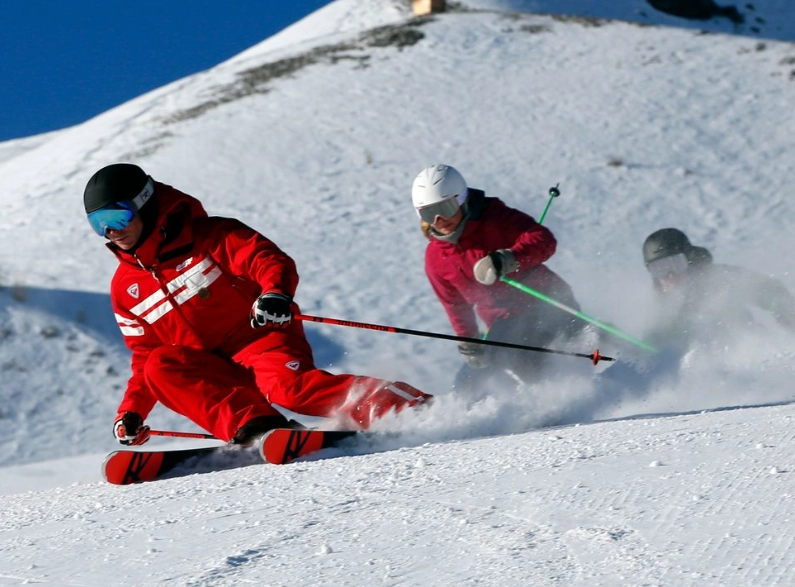
Now go book that lesson. The snow's waiting.