Quick Navigation
My first magic carpet was a disaster. I saw it at a market in Marrakech, all vibrant colors and promises of effortless flights over the Atlas Mountains. The seller swore it was woven by a family with centuries of secrets. I bought it, brimming with excitement. The first time I tried to lift off more than three feet, it developed a worrying list to the left. By the fifth "flight," it was more of a hesitant, wobbly hover. It turns out I'd bought a beautiful, but largely decorative, rug with delusions of grandeur.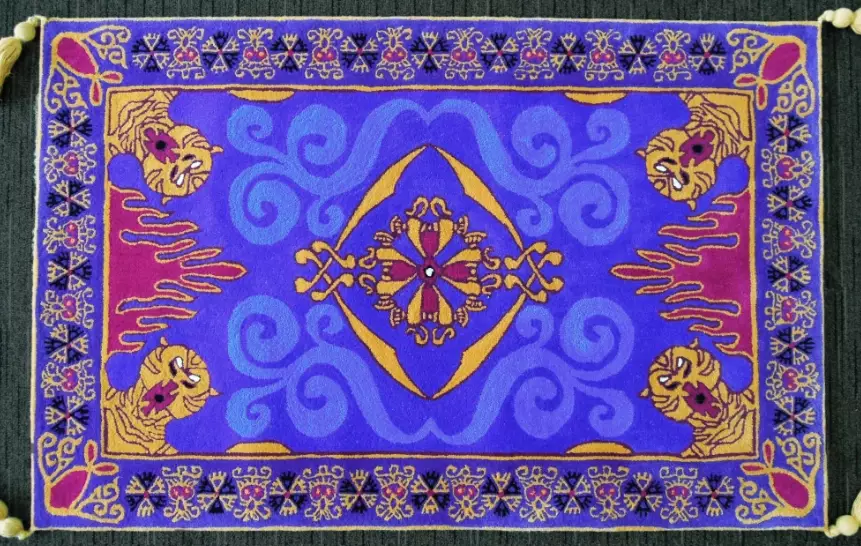
That experience cost me a fair bit of money and taught me a hard lesson. The term "magic carpet" gets thrown around a lot. It covers everything from genuine, ancient heirlooms with potent enchantments to mass-produced floor coverings with a faint, decorative shimmer. How do you tell the difference? What should you actually look for? And once you have one, how in the world do you take care of it?
This guide is what I wish I had before that purchase. We're going to move past the fairy tales and into the practicalities. We'll cover how to choose a real magic carpet, how to integrate it into your home (even if you never plan to leave the ground with it), and the nitty-gritty of keeping it clean and vibrant for decades. Because a true magic carpet isn't just a purchase; it's a long-term companion for your home.
Choosing Your Magic Carpet: Beyond the Hype
Walking into a store or browsing online, the choices are overwhelming. Silk, wool, blends, synthetic? Hand-knotted or machine-made? The patterns alone could make your head spin. The key is to break it down. Don't just fall for the first pretty thing you see. Ask questions. Be a slightly annoying customer. It pays off.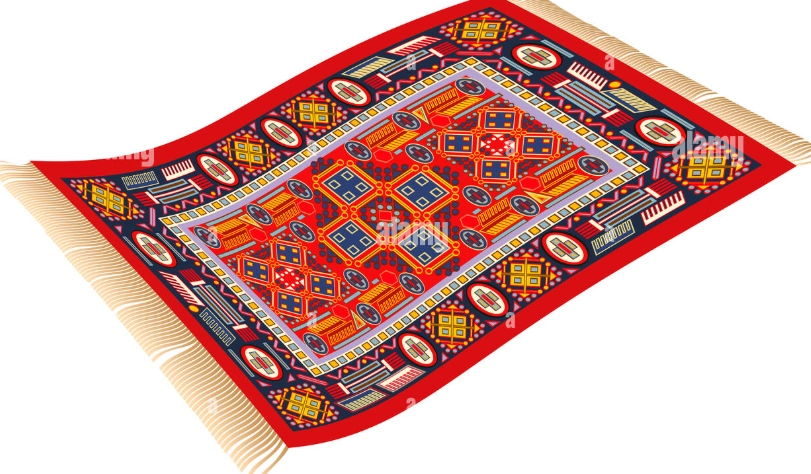
I think the material is the best place to start. It dictates everything: feel, durability, maintenance, and yes, even the potential for more... unusual properties.
Material Matters: What's Your Carpet Made Of?
This isn't just about softness. The fiber is the foundation of the carpet's character and longevity.
| Material | Pros | Cons | Best For | The "Magic" Factor |
|---|---|---|---|---|
| Wool | Naturally durable, resilient, stain-resistant, excellent insulator, classic look & feel. | Can be expensive, may shed initially, requires professional cleaning for deep stains. | High-traffic areas (living rooms, hallways), traditional styles. | Wool is often cited in traditional texts for holding enchantments well due to its natural, organic structure. The International Wool Textile Organisation notes its inherent durability, which metaphorically translates to holding up under the "weight" of magic. |
| Silk | Unmatched sheen, luxurious detail, incredibly fine knots allow for intricate patterns. | Delicate, expensive, shows wear easily, sun can damage it. | Low-traffic, display areas (bedrooms, formal spaces), wall hangings. | Silk is associated with refinement and is believed by some collectors to carry more subtle, intricate spells—think temperature regulation or a gentle, calming aura rather than brute-force flight. |
| Cotton | Affordable, soft, easy to dye, often used for flatweaves (like Kilims). | Less durable than wool, can stain easily, less insulating. | Casual spaces, kids' rooms (if treated), summer homes. | The "everyday magic" material. Great for vibrant colors and geometric patterns that evoke a sense of energy and playfulness. |
| Synthetic (Nylon, Polyester) | Very affordable, stain-resistant, wide range of colors, easy to clean. | Can feel plasticky, may not last decades, can generate static. | Budget-conscious buys, rental apartments, very high-moisture areas. | The "illusion" of magic. Good for achieving a certain look without the investment. Don't expect any hidden properties here. |
See, wool is almost always my personal recommendation for a first serious magic carpet. It's the workhorse. That one I bought in Marrakech? Mostly cheap cotton with a wool blend. It couldn't handle the stress. A pure, high-quality wool carpet from a reputable source feels different underfoot—substantial, alive almost.
The Nitty-Gritty: Knot Count, Dyes, and Provenance
Once you've settled on a material, dig deeper. A high knot count (like 300+ knots per square inch) generally means finer detail and greater durability in hand-knotted carpets. But it also means a higher price. For most homes, a good quality wool carpet with a moderate knot count is perfect.
Ask about the dyes. Natural vegetable dyes (madder root for red, indigo for blue) age beautifully, developing a soft patina called "abrash"—slight color variations that add character. Chemical dyes are more uniform but can sometimes fade or bleed. Neither is inherently "bad," but knowing what you have helps with care.
And provenance... this is the big one. A carpet with a known history, from a specific region (like a Persian Tabriz, a Turkish Oushak, or a Moroccan Beni Ourain), often carries more value and authenticity. Reputable dealers should provide this information. The British Museum's collection of Islamic art is a great online resource to familiarize yourself with regional styles and patterns, which are often deeply symbolic.
What about size? Measure your space. A common mistake is going too small. A magic carpet should anchor the room. In a living room, ideally all furniture legs should sit on it, or at least the front legs. In a bedroom, it should extend generously beyond the sides and foot of the bed.
The Not-So-Glamorous Part: Cleaning and Caring for Your Carpet
Here's where the fantasy meets the vacuum cleaner. A magic carpet, just like any cherished item, needs care. Neglect it, and you'll watch the magic fade—literally.
First, the daily and weekly stuff. Vacuuming. It's non-negotiable. But be smart about it. Use a vacuum without a beater bar or rotating brush on the highest pile settings. Those aggressive brushes can pull and shred the fibers, especially on delicate silk or old carpets. Just use the suction. Go over it slowly, in the direction of the pile. Once a week is a good rhythm for most homes.
Spills. Don't panic. The key is immediate action. Blot, never rub. Rubbing grinds the stain deeper. Use a clean, white cloth (so no dye transfers) and press down firmly to absorb as much liquid as possible. For water-based spills, a damp cloth with a tiny bit of mild detergent might follow. For anything oily, a dry-cleaning solvent made for carpets is safer. Always test any cleaner in an inconspicuous corner first.
Professional Cleaning: When and How
Even with perfect care, your carpet needs a professional spa day every 12 to 24 months, depending on traffic. This isn't a job for the local carpet cleaning franchise. You need a specialist who understands hand-woven textiles.
A true professional will:
1. Inspect it thoroughly for weak spots, moth damage, or color issues.
2. Dry clean or use specialized low-moisture methods, not a standard steam clean. Some use delicate immersion washing for very sturdy rugs.
3. Handle repairs if needed—re-weaving small damaged areas.
4. Apply protective treatments if requested (though these can sometimes alter the feel).
Ask for references. A good cleaner will be happy to explain their process. Organizations like the Good Housekeeping Institute offer general guidelines for carpet care that align with these specialist principles—gentleness and fabric-specific knowledge are paramount.
And what about moths? Store wool carpets properly if you're putting them away. Clean them first (moths are attracted to dirt and food particles), then roll them (don't fold!) with acid-free paper. Use cedar blocks or rings, not mothballs, unless you want your treasure to smell like a grandmother's attic forever.
Weaving the Magic into Your Home: Decor and Placement
Okay, the practical stuff is covered. Now for the fun part: making it the star of your room. A magic carpet isn't just something you walk on; it's a foundational piece of art.
Think about the style of your room first. Is it modern minimalist? A bold, geometric Berber magic carpet in black and white could be stunning. Is it a cozy, traditional space? A Persian carpet with intricate floral motifs (like a Heriz or Kashan) might be perfect. Don't be afraid to mix eras. A very modern room can be warmed up and given soul by a traditional, slightly faded Oushak carpet.
Color is your most powerful tool. You can either pull colors from the carpet for your cushions, throws, and artwork, or you can let the carpet be the dramatic contrast. A deep blue magic carpet can make light wood floors and white walls pop incredibly.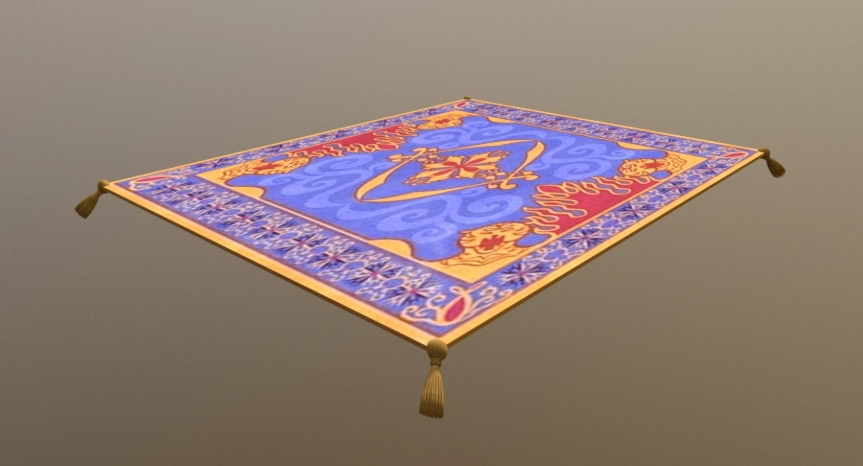
Placement is everything. We already talked about size. But also consider the flow of the room. The carpet should guide movement, not block it. In a hallway, a runner magic carpet should have even borders of floor showing on either side. Under a dining table, make sure it's large enough that when chairs are pulled out, they remain on the carpet. Nothing worse than catching a chair leg on the edge every time someone stands up.
And what about layering? It's a huge trend. Placing a smaller, vibrant magic carpet (like a Kilim) on top of a larger, neutral jute or sisal carpet. It adds texture, depth, and a playful touch. Just ensure the bottom carpet has a very low pile so it doesn't create a tripping hazard.
Your Magic Carpet Questions, Answered
Let's be real. The vast majority sold as decorative items cannot. Genuine, flight-capable carpets from legendary eras are museum pieces or in the hands of private dynasties. If a seller promises literal flight from a newly made carpet at a bargain price, run. The "flight" today is metaphorical—the transportive feeling a beautiful object provides. That said, a well-made carpet from inspired artisans can certainly make your spirits soar.
Look at the back. A hand-knotted carpet will show the individual knots, and the pattern will be clear and slightly pixelated. A machine-made carpet's back will look uniform, often with a glued backing. Check the material (burn test a single fiber VERY carefully in a safe place—wool smells like burning hair, synthetics melt). Look for wear that seems authentic and a patina that suggests age. When in doubt, get an appraisal from a certified expert or a reputable auction house like Christie's or Sotheby's. They have textile specialists.
Wool is your friend here. It's naturally more stain and soil-resistant. A carpet with a busy pattern and multiple colors will hide little accidents and spills much better than a solid, light-colored one. Synthetic carpets are easy to clean but might not feel as nice. Always have a good pet stain remover on hand and act fast. A carpet pad underneath (a good, non-slip one) also provides extra cushion and protection for the carpet's back.
Every 6 to 12 months. This ensures even wear from sunlight and foot traffic. If you can't move heavy furniture, just shifting the rug a few inches one way or the other can change the pressure points. Mark the back with a bit of tape saying "north" so you can keep track.
A genuine, hand-knotted wool or silk carpet from a known origin can be a fantastic investment. Unlike mass-produced furniture, it often holds or increases its value over time. It's art you walk on. But buy it because you love it and it brings you joy every day. The potential financial appreciation is a bonus, not a guarantee. The EPA notes that proper carpet care (regular vacuuming, professional cleaning) also contributes to better indoor air quality, which is an investment in your family's health.
Two things: Buying based on price alone (cheap usually means poor quality that won't last), and not measuring their space correctly. A beautiful, tiny carpet floating in the middle of a big room looks sad and insignificant. Go bigger than you think you need.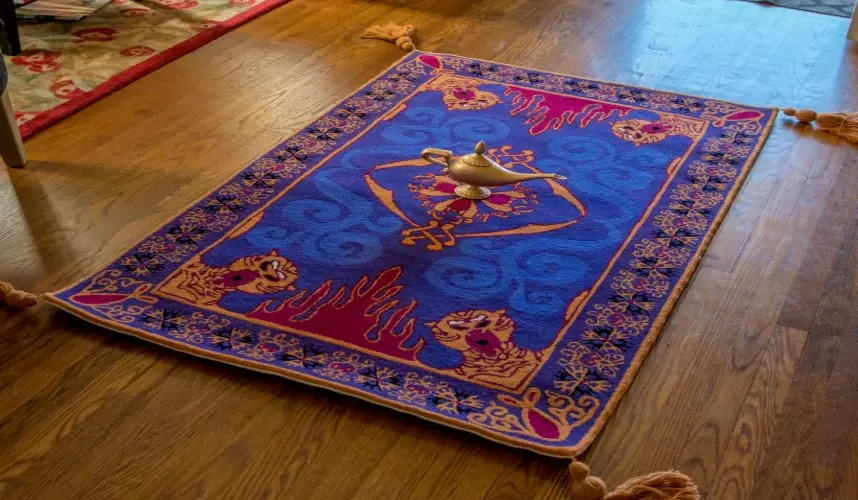
For surface dust, gentle vacuuming is fine. For any actual cleaning of a fragile, antique, or highly valuable magic carpet, do not DIY. The risk of irreversible damage is too high. The cost of a specialist is part of the responsibility of owning such a piece. Look for conservators affiliated with museums.
This is crucial. Ask the seller. Reputable dealers should be transparent about their sources. Look for certifications like GoodWeave, which works to end child labor in the carpet industry. Knowing your carpet was made by skilled, fairly compensated adults adds a deeper layer of value and peace of mind to its story.
Wrapping It Up: The Real Enchantment
Choosing and caring for a magic carpet is a journey. It's about slowing down, appreciating craftsmanship, and making an intentional choice for your home. It's not an impulse buy. It's about finding the piece that speaks to you—the colors that calm or energize you, the pattern that tells a story you want to live with.
Forget the Hollywood special effects. The real magic happens on a quiet morning when the sun hits the fibers just right, or when you come home and your feet sink into its soft, familiar pile. It's the magic of a home that feels collected, personal, and deeply comfortable. It's the magic of an object that, with proper care, will outlive you and tell your story to the next generation.
Start by learning, by looking at lots of carpets (online and in person), by figuring out what you're drawn to. Set a realistic budget that includes the cost of a proper pad and future professional cleanings. Then, take your time. The right magic carpet is out there. It's waiting to land in your home.