Your Solo Skiing Map
- Why Go Solo? The Good, The Bad, and The Quiet
- The Non-Negotiables: Your Solo Skiing Safety Protocol
- Choosing Your Solo Skiing Destination
- The Mental Game: Embracing the Solitude (and Beating the Loneliness)
- The Nuts and Bolts: Planning Your Solo Trip
- On-Mountain Strategy: Maximizing Your Solo Day
- Navigating the Social Side
- Common Solo Skiing Questions Answered
- Final Thoughts: It's About the Experience
Let's be real. Coordinating a ski trip with friends can feel like herding cats. Different budgets, conflicting schedules, mismatched skill levels... it's enough to make you want to stay home. But what if you just... went by yourself?
I did. A few years ago, after yet another group trip fell apart, I booked a solo weekend to a mountain I'd always wanted to try. I was nervous, sure. But that trip turned out to be one of the most liberating and rewarding experiences I've ever had on snow. No waiting for anyone, no compromising on runs, just pure, unadulterated skiing on my own terms.
That's what this solo skiing guide is for. It's not just a list of tips; it's a blueprint for turning the idea of skiing alone from a daunting prospect into an empowering adventure. We're going to talk about the real stuff—safety, the mental game, where to go, and how to actually enjoy your own company.
Why Go Solo? The Good, The Bad, and The Quiet
Before we dive into the how-to, let's talk about the why. Skiing alone isn't for everyone, and that's okay. But the benefits can be pretty incredible if it aligns with your style.
The freedom is the biggest draw. You wake up when you want. You ski the runs you want, for as long as you want. Felt like doing the same black diamond bump run five times in a row? Go for it. Want to spend an hour sipping cocoa and watching the world go by from the lodge? No one is tapping their watch. Your rhythm becomes the only rhythm that matters.
It's also a massive confidence booster. Navigating a resort, making decisions, and handling situations solely on your own builds a kind of self-reliance that's hard to get from a guided group. You learn to trust your instincts in a new way.
But it's not all fresh tracks and self-discovery. The downsides are real. Safety is the most significant concern, which we'll tackle head-on in a minute. There's also the potential for loneliness, especially during long lift rides or at dinner. And let's not forget the cost—you're shouldering all the expenses for lodging and transport without splitting it.
So, who is a solo skiing guide perfect for? The fiercely independent intermediate or expert skier who values flexibility. The person looking for a personal challenge. The one with a schedule that just doesn't sync up with others. If you're a pure beginner, my honest advice is to take a lesson or two first. Having a pro show you the basics in a safe environment is invaluable before venturing out completely alone.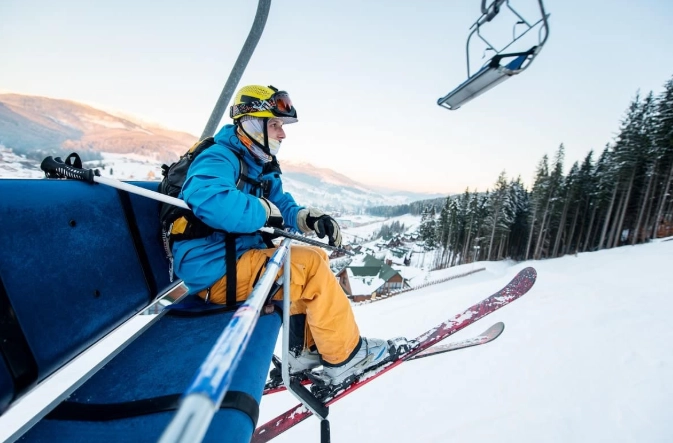
The Non-Negotiables: Your Solo Skiing Safety Protocol
This is the most critical part of any solo skiing guide. When you're alone, you are your own first responder. A minor mishap with a buddy is a funny story. A minor mishap alone, in the wrong place, can become serious. A solid safety plan isn't paranoid—it's responsible.
Gear You Cannot Skip
Your gear list gets a few crucial additions when you're flying solo.
- A Fully Charged Phone in a Warm Pocket: This is your lifeline. Keep it inside your inner layer, close to your body, to prevent the battery from dying in the cold. Save the local ski patrol number before you go.
- A Portable Battery Pack: Because a dead phone on a mountain is a paperweight. Tuck a small, high-capacity one in your pocket.
- A Physical Trail Map: Don't just rely on your phone's GPS. Pick up the paper map at the lodge. Batteries die, screens freeze. Paper doesn't.
- Whistle: Attach a loud whistle to your jacket zipper. If you're in trouble and your voice is gone, three sharp blasts is the universal distress signal. It's louder and carries farther than shouting.
- Basic First-Aid/Survival Kit: A space blanket (they're tiny), a few bandages, some pain relievers, and an energy bar. It fits in a small pouch and could make a long wait for help much more comfortable.
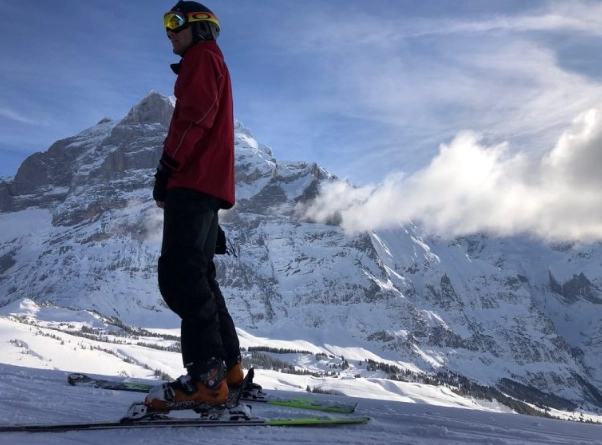
The Communication & Check-In Plan
Tell someone your plan. Every single day. This is the golden rule.
Text a friend or family member: "Headed to [Resort Name]. Planning to ski [General Area, e.g., the frontside blues]. I'll check in by 3 PM." Set a check-in time. If you don't check in, they know to alert the resort. It sounds formal, but it's simple and could save your life. Some resorts even offer formal "Solo Skier Check-in" programs at guest services—ask about them.
Also, know the mountain's name for where you are. If you need to call patrol, "I'm near a big tree" is useless. "I'm on the lower section of [Run Name], skier's left about 100 yards below the [Lift Name] mid-station" gets help to you fast.
Smart Terrain Choices
This is where judgment is key. That double-black diamond chute that looks tempting? If it's remote, has exposure, or is prone to slides, and you're alone, it's a no-go. Save it for a day with a partner.
Stick to trails that are:
- Within your confident ability level (this is not the day to push your limits to the extreme).
- Well-trafficked. You want other skiers and snowboarders coming by regularly.
- Clearly within the resort boundary and cell service range.
Tree skiing alone requires extra caution. It's easy to get disoriented. Stick to well-defined glades where you can always see a main trail.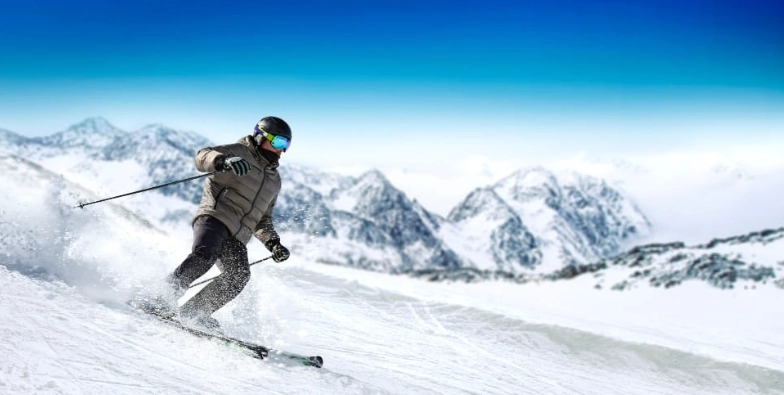
Choosing Your Solo Skiing Destination
Not all resorts are created equal for the solo traveler. Some are sprawling, confusing, and socially closed-off. Others seem almost designed for it. When using this solo skiing guide to pick a spot, look for these features:
- Village Layout: A compact, walkable village base is a godsend. You can roll out of your lodging, into your boots, and onto a lift without needing a car or shuttle. It reduces hassle dramatically.
- Single Rider Lifts: This is a game-changer. Resorts that actively promote single rider lines are acknowledging you exist and saving you from the eternal lift line penalty.
- Accessible Terrain: A good mix of intermediate (blue) terrain that's easy to navigate. Getting lost in a maze of cat tracks when you're alone is frustrating and can be risky.
- Social Vibe: Some resorts have a more welcoming, communal feel in their lodges and bars. Look for places with large communal tables, friendly bar seating, or even organized solo traveler meet-ups.
Here’s a quick comparison of a few North American resorts that often get high marks from those following a solo skiing guide:
| Resort | Why It Works for Solo Skiers | Potential Drawback |
|---|---|---|
| Whistler Blackcomb, BC | Huge, vibrant pedestrian village at the base. Epic single rider lines on key lifts. Endless terrain to explore. Tons of dining/après options where it's easy to sit at a bar. | Can feel overwhelming due to sheer size. Weather can be variable. |
| Park City Mountain, UT | Town lift accesses the slopes directly from Main Street. Great intermediate terrain network. The town itself is very walkable and has a friendly vibe. | Can be crowded, especially during Sundance. |
| Breckenridge, CO | Charming, historic walkable town. Good mix of terrain. Often has a lively, social atmosphere that makes striking up a conversation easier. | High altitude can be tough if you're not acclimated. |
| Sun Valley, ID | Uncrowded, classic ski town feel. Exceptionally friendly locals. Long, relaxing cruisers perfect for finding your flow alone. | Less of a "party" scene if that's what you're after. More remote. |
For the latest on trail conditions, safety policies, and single-rider lift status, always check the official resort website. For instance, Whistler Blackcomb's site has real-time lift and grooming reports that are essential for planning your day.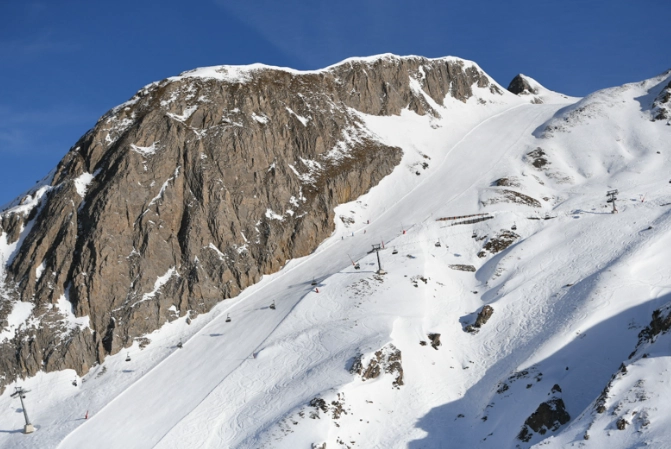
The Mental Game: Embracing the Solitude (and Beating the Loneliness)
Okay, you've got the gear, the plan, and the destination. Now for the trickiest part: your headspace. Skiing alone can be a deeply meditative experience, but our brains aren't always wired for quiet.
The first few runs might feel strange. You'll notice the silence on the chairlift. You might feel self-conscious eating lunch alone. This is normal. The key is to reframe it. This isn't loneliness; it's an opportunity for mindfulness. Pay attention to the sound of your edges on the snow. Notice the way the light hits the trees. Listen to the wind. This solo skiing guide isn't just about logistics; it's about reconnecting with why you love skiing in the first place, without distraction.
If the quiet gets to be too much, break it up. Put on a podcast or a playlist for a couple of lift rides. Bring a book to lunch. I sometimes use lunch alone to journal a few notes about the runs I've done.
And about socializing—you can be solo without being a hermit. Sitting at the bar for après-ski is the easiest way to meet people. Skiers love to talk about their day. A simple "Great snow on [run name] today, huh?" is a perfect opener. You're not looking for a new best friend or a ski partner for life (though it happens!), just some pleasant conversation to cap the day.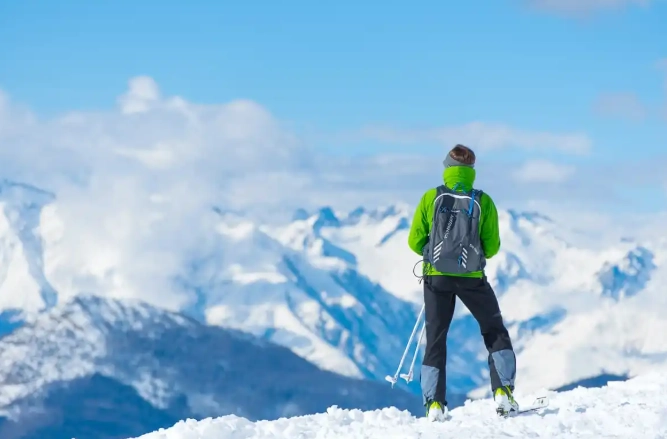
The Nuts and Bolts: Planning Your Solo Trip
Lodging: Hostels, Hotels, and Condos
Your choice here sets the tone. Hostels are budget-friendly and force social interaction, but you sacrifice privacy. Hotels offer convenience and daily housekeeping, but can feel impersonal. Condos give you space and a kitchen to save money on meals, but can feel empty.
My personal preference? A smaller, boutique hotel or an inn. You get the privacy of your own room, but often a cozier common area where you might chat with other guests or the owner. Look for places with good reviews mentioning "friendly staff" or "social atmosphere."
Getting There and Around
If you're flying, research airport shuttles to the resort thoroughly. A direct shuttle beats renting a car in winter mountain conditions if you're not comfortable driving. Many resort towns have excellent free bus systems once you're there.
Speaking of driving, if you do rent, make sure it has AWD/4WD and you're confident driving in snow. Check road conditions via official sources like the U.S. Department of Transportation's traffic info site or local state DOT sites before you head out.
Packing List: The Solo Skier's Edge
Beyond your standard ski gear, here’s a condensed packing list tailored from this solo skiing guide: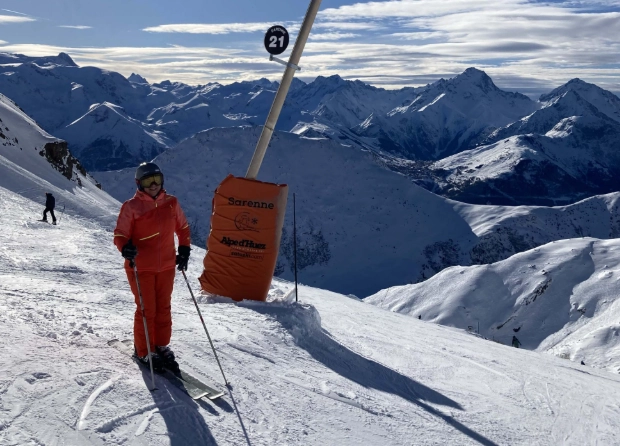
| Category | Essential Items | Why It Matters Solo |
|---|---|---|
| Tech & Safety | Phone, battery pack, whistle, physical map, small headlamp | Communication, navigation, and signaling are all on you. |
| Comfort & Convenience | Book/kindle, headphones, journal, reusable water bottle | Fills quiet moments, keeps you hydrated without constant lodge stops. |
| Financial | Cash (for small vendors/tips), credit card, ID, insurance card | No one to spot you if you forget your wallet. |
| Apres & Evening | Comfortable shoes, casual outfit, small backpack | You'll be walking everywhere. A backpack is for layers you shed. |
On-Mountain Strategy: Maximizing Your Solo Day
Your first morning, don't just dive into the nearest lift. Take 15 minutes. Get a coffee, look at the trail map, and watch the snow reports. Which aspects got the most snow? Which lifts are opening first? A little reconnaissance pays off.
Use the single rider line. Religiously. It's your superpower. Don't feel shy about walking past the long queue to the merge point. You're making the lift run more efficiently for everyone.
Pace yourself. With no one to keep up with or wait for, it's easy to ski yourself into exhaustion by noon. Take breaks. Hydrate. Listen to your body. That's a luxury group skiing often doesn't allow.
Be open to changing your plan. Saw a sign for a scenic loop? Go for it. Heard someone mention fresh tracks off a certain lift? Follow the buzz. The flexibility is the whole point of this solo skiing guide.
Navigating the Social Side
Let's address the elephant in the room: eating dinner alone. It feels awkward to many people. My strategies:
- Go Early: Restaurants are less busy, staff are more chatty, and you're less likely to feel like you're occupying a prime table for two.
- Sit at the Bar: This is the best tip in any solo skiing guide. It's designed for singles. You can order full meals, it's less formal, and conversation flows naturally with bartenders and neighbors.
- Embrace Takeout: Grab something fantastic and enjoy it in your room or a common area with your book or a movie. Zero pressure.
- Check Resort Events: Many mountains host movie nights, trivia, or meet-ups for solo travelers. The event is the icebreaker.
Common Solo Skiing Questions Answered
Let's tackle some specific questions that pop up when people are researching a solo skiing guide.
Final Thoughts: It's About the Experience
At its heart, this solo skiing guide isn't about promoting isolation. It's about empowerment and a different kind of connection—to the sport, to the mountains, and to yourself. It's about proving that you can have a grand adventure on your own terms.
Will there be moments of doubt or awkwardness? Probably. But you'll also have moments of pure, uninterrupted flow. You'll make decisions for no one but yourself. You might even make a new friend on a chairlift because you were open to it.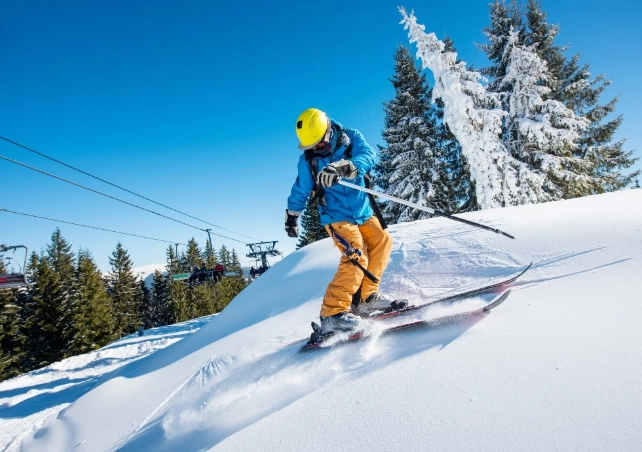
The mountains don't care if you arrive with a group of ten or by yourself. The snow is just as good. The view is just as breathtaking. Sometimes, experiencing it alone lets you see it even more clearly.