Telemark skiing isn't just another way to get down a mountain. It's a feeling. That deep, graceful lunge, the free heel lifting, the connection to the snow that feels more like dancing than descending. If you've watched someone link smooth tele turns in powder and felt a pang of envy, you're not alone. This guide is for the curious alpine skier, the backcountry dreamer, or anyone tired of the same old tracks. We're cutting through the myths and getting straight to what you need: the right gear, a breakdown of the technique that actually works, and the places where you can truly experience the telemark magic.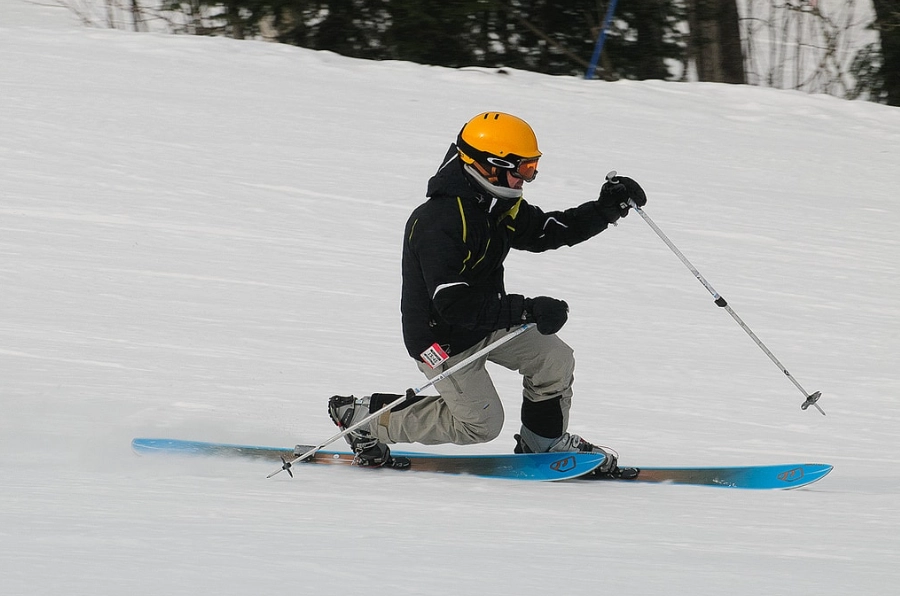
What's Inside This Telemark Skiing Guide
What is Telemark Skiing and Why Try It?
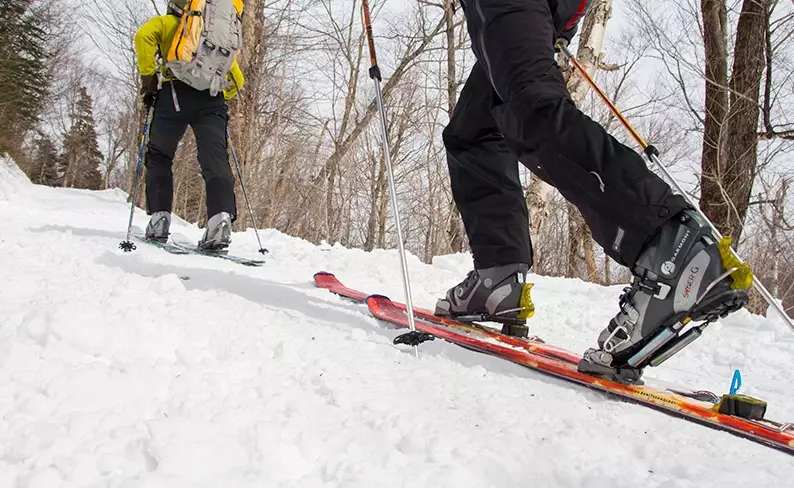
Let's start simple. Telemark skiing is a technique where your heel is free to lift off the ski, secured only at the toe by a special binding. To turn, you drop into a lunge position, bending the knee of your rear ski. It looks elegant when done right, and a bit wobbly when you're learning.
It started in the Telemark region of Norway in the 19th century as a practical way to navigate mountainous terrain. Today, it's a passionate subculture within skiing. Why would you put yourself through the learning curve?
The freedom. It's hard to explain until you feel it. An alpine ski turn is a powerful, carved rail. A telemark turn is fluid, adaptive. Your legs work independently, allowing you to absorb bumps and ride variable snow in a way that feels incredibly natural. There's also the uphill advantage. Telemark gear is, by design, fantastic for touring. The free heel makes skinning up hills more efficient, bridging the gap between downhill joy and backcountry access better than any other setup.
The Telemark Gear Breakdown: From Skis to Boots
You can't just slap telemark bindings on your old skis and call it a day. The system works together. Getting this part wrong is the number one reason beginners quit.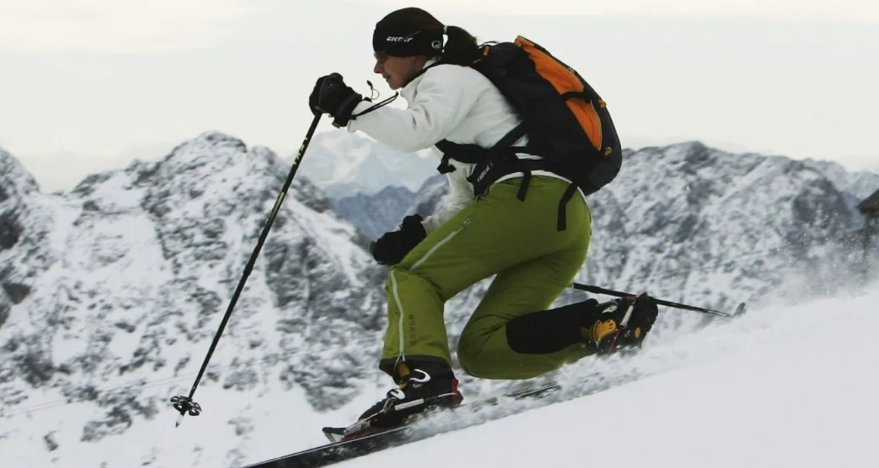
The Four Core Components
1. Skis: Modern telemark skis are very similar to alpine skis. You want something with some sidecut for turning ease, and a waist width that matches where you ski. For all-mountain resort skiing, look for a width between 85mm and 100mm underfoot. For powder and backcountry, 100mm and up. Don't overthink it—a good all-mountain alpine ski often makes a great telemark ski.
2. Bindings: This is the heart of the system. There are two main standards:
75mm (The "Duckbill"): The traditional norm. The boot has a protruding, rounded toe that clips in. It's tried, true, and you can find tons of affordable used gear. The connection can feel a bit less precise.
NTN (New Telemark Norm): The modern standard. It uses a robust, cleat-based connection like an alpine touring binding. It offers more power transmission, better control, and generally easier step-in. It's also more expensive. For a committed beginner, I'd lean towards finding a used NTN setup if the budget allows.
3. Boots: The most important purchase. Telemark boots have a flexible bellows at the forefoot that lets you knee-drive into the lunge. Fit is paramount. They should be snug but not crushing, with zero heel lift. Brands like Scarpa and Crispi dominate the market. Try them on with the socks you'll ski in. A poorly fitting tele boot is a torture device.
4. Poles: Just use your normal alpine poles. Some people go slightly longer for the extra leverage in the lunge, but it's not critical at the start.
| Component | Beginner Recommendation | Advanced/Backcountry Focus |
|---|---|---|
| Skis | All-mountain, 85-95mm waist (e.g., Blizzard Rustler 9, Nordica Enforcer 94) | Powder/All-mountain, 100-110mm+ waist (e.g., Moment Wildcat, Black Crows Atris) |
| Binding System | Used 75mm (Rottefella Cobra, 22 Designs Axl) or entry NTN (Rottefella Freeride) | NTN with touring capability (22 Designs Outlaw, Meidjo 3.0) |
| Boots | 75mm: Scarpa T2, Crispi XR. NTN: Scarpa TX Pro, Crispi Evo | NTN: Scarpa TX Comp (stiffer), Crispi Shiver (for tech toe compatibility) |
| Approx. Cost (New) | $1,000 - $1,400 | $1,500 - $2,200+ |
How to Start Telemark Skiing: A Step-by-Step Guide
Forget YouTube tutorials that show perfect turns on perfect snow. Let's talk about the real, messy process.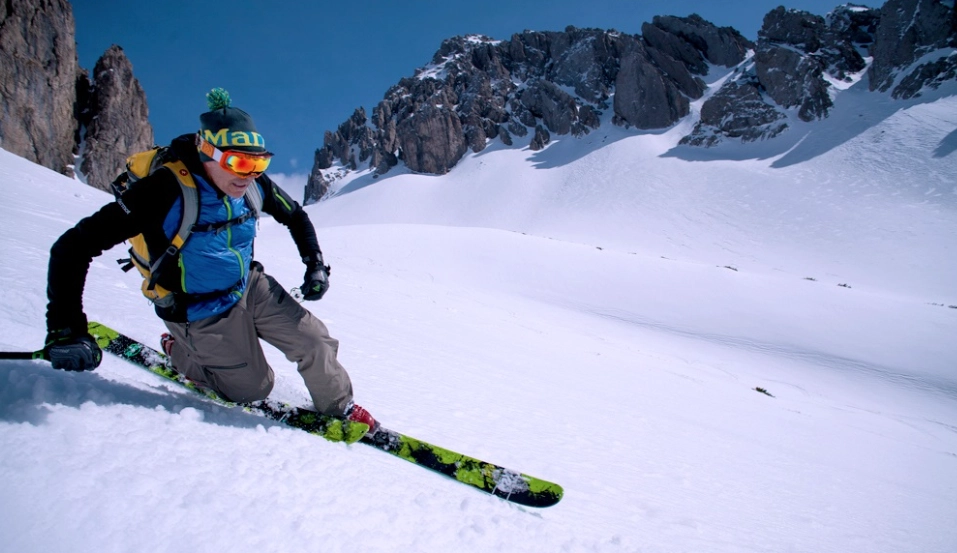
Step 1: The Mindset and Prep
You will fall. A lot. Your thighs will scream. Embrace it. Start on a gentle, groomed green run on a soft day. Wear a helmet. Consider knee pads if you're worried—the lunging motion can lead to awkward impacts.
Step 2: The Static Lunge & Weight Shift
First, just stand on flat ground in your gear. Practice dropping into the telemark lunge: one foot forward, back knee bent and dropped towards the snow, front knee over your toes. Keep your torso upright, facing downhill. Feel the weight distribution—it should be close to 50/50 between front and back foot, maybe a hair more on the front. The classic mistake? Putting 90% of your weight on the front foot. That's a one-way ticket to faceplant city.
Step 3: The "Monomaniac" Turn
On that gentle slope, try to make a turn while keeping your rear foot always back. Don't switch leads. This forces you to balance on that rear ski and understand edge control. It feels weird, but it builds foundational strength. Link a few turns this way, then try the other foot as the permanent rear foot.
Step 4: Linking Turns & Rhythm
Now, try to switch your lead foot as you change direction. Don't think about pushing your knee forward; think about dropping your back knee down and behind you. The turn is initiated from your core and hips, not just your legs. Rhythm is key—don't rush. Let the turn shape your rhythm, not the other way around.
Best Destinations to Practice Your Telemark Skiing
Where you learn matters. You want consistent snow, varied but manageable terrain, and ideally, a community or instructors who "get" telemark. Here are my top picks: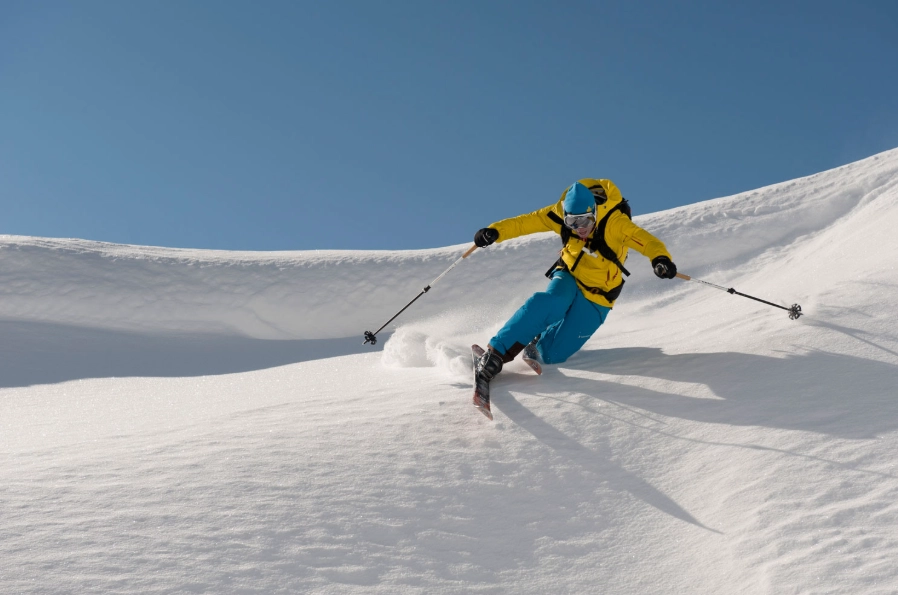
1. Alta & Snowbird, Utah, USA: This is powder heaven, and the wide, groomed runs off the Collins lift at Alta are perfect for practicing turns. The deep snow is forgiving on falls, and the community of telemark skiers here is strong. Expect classic Wasatch powder conditions from December to April. A day pass will run you around $150-$200, so look for multi-day deals.
2. Chamonix-Mont-Blanc, France: The spiritual home of extreme skiing has a softer side. The Grands Montets area has long, rolling blues and reds perfect for building confidence with an epic backdrop. For the adventurous beginner, the Vallée Blanche glacier route (with a guide!) is a tour you'll never forget. The Chamonix valley is sprawling—get a multi-area pass. Accommodation ranges from hostels to luxury hotels.
3. Niseko, Japan: Famous for its bottomless powder, Niseko's gentle tree runs are a telemark skier's dream. The soft snow makes falling painless, and the wide-open groomers off the top lifts let you practice your turns with stunning views of Mount Yotei. The resort is very international, with English-speaking instructors available. Budget for deep powder and amazing food. A one-day lift pass is around ¥8,000 ($70 USD).
4. Sun Valley, Idaho, USA: Consistently excellent groomed runs and a long history of embracing free-heel skiing make this a fantastic place to learn. The gentle blues off the Warm Springs lift are perfect for linking turns, and the snow is reliably good. The local ski community is tight-knit and welcoming to telemark skiers.
Your Telemark Skiing Questions, Answered
 How much should I budget for my first telemark skiing setup?
The path of the telemark skier isn't the easiest. It asks for patience, humility, and a willingness to feel like a beginner again. But the reward is a connection to the mountains that's uniquely personal and deeply satisfying. It's not about being the fastest down the hill. It's about the flow, the rhythm, and that quiet moment at the top of a run when you know you're about to dance your way down. Start with the right gear, find some forgiving snow, and embrace the lunge. You might just find your new favorite way to ski.