You watch them glide through a snowy forest, hearts pounding, then come to a dead stop. In seconds, they must steady their breath, aim, and fire at a target 50 meters away. Miss, and you ski a penalty loop. This is biathlon, a sport that pits the raw engine of cross-country skiing against the icy calm of precision shooting. It's brutal, beautiful, and utterly captivating. If you've ever been intrigued by this winter sport, you're in the right place. This isn't just a rulebook—it's a deep dive into how it works, how athletes train, and how you can dip your toes into the world of ski and rifle.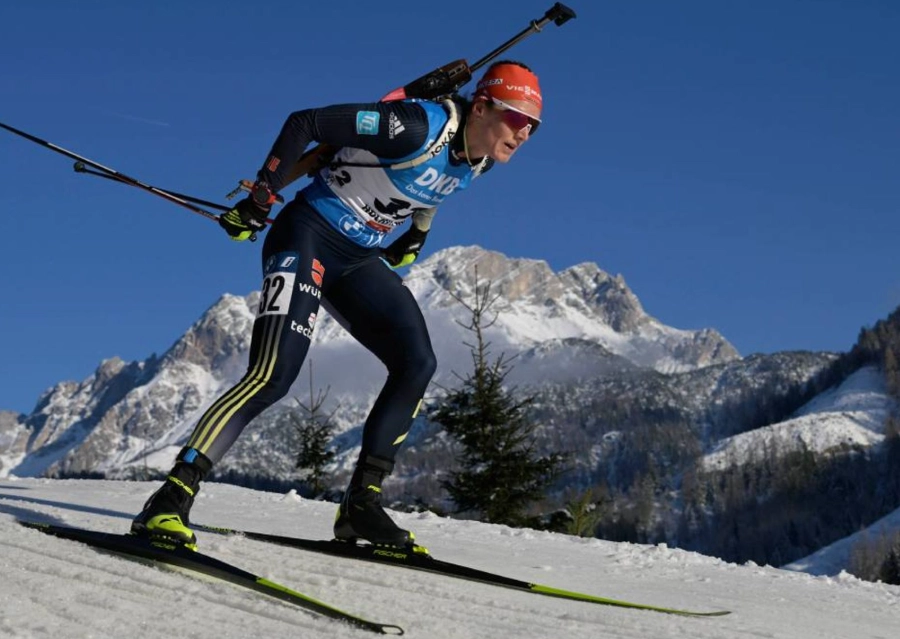
What You'll Find Inside
What Exactly is Biathlon?
At its core, biathlon is a race. Competitors cross-country ski a set distance, stopping at a shooting range multiple times. They shoot at five targets from two positions: prone (lying down) and standing. Each missed target usually incurs a penalty—either one minute added to your time or a 150-meter penalty lap you must ski immediately. The fastest total time wins.
The magic, and the agony, is in the contrast. You're pushing your aerobic system to its absolute limit, then demanding fine motor control and mental clarity from a body screaming for oxygen. It originated from military patrol exercises in Scandinavia, but today it's a highly technical Olympic sport governed by the International Biathlon Union (IBU). The IBU's official site is the source for all competition rules and schedules.
The Different Biathlon Events: From Sprint to Mass Start
Not all races are the same. The format changes the strategy dramatically.
The Sprint (10km men, 7.5km women)
The most basic format. One prone shooting, one standing shooting. Each miss sends you to the 150m penalty loop. It's fast, furious, and qualifying for the next race often depends on your sprint result.
The Individual (20km men, 15km women)
The classic test. Four shooting stages (prone, standing, prone, standing). Here's the twist: each missed target adds one minute to your time, not a penalty loop. This places a huge premium on shooting accuracy. A clean shooting round (20/20) is often the decider, even if your skiing is slightly slower.
The Pursuit
This race starts based on the results of the Sprint. The winner goes first, others start behind them based on their time deficit. Four shootings. The first across the line wins. It creates incredible head-to-head racing and comebacks.
The Mass Start
My favorite to watch. The top 30 athletes start together in a pack. Four shootings. It's chaotic, tactical, and the crowd goes wild. Positioning before the shooting range is critical—you don't want to be jostled.
The Relay (4x6km women, 4x7.5km men)
Team drama. Each athlete shoots twice, but here's a key detail: they have three extra rounds per shooting stage. If they still have misses after using those eight rounds, they ski a penalty loop for each remaining miss. The pressure of tagging your teammate is immense.
How to Train for Biathlon: A Two-Pillar Approach
Training splits cleanly into two worlds that must eventually collide.
Pillar 1: The Skiing Engine
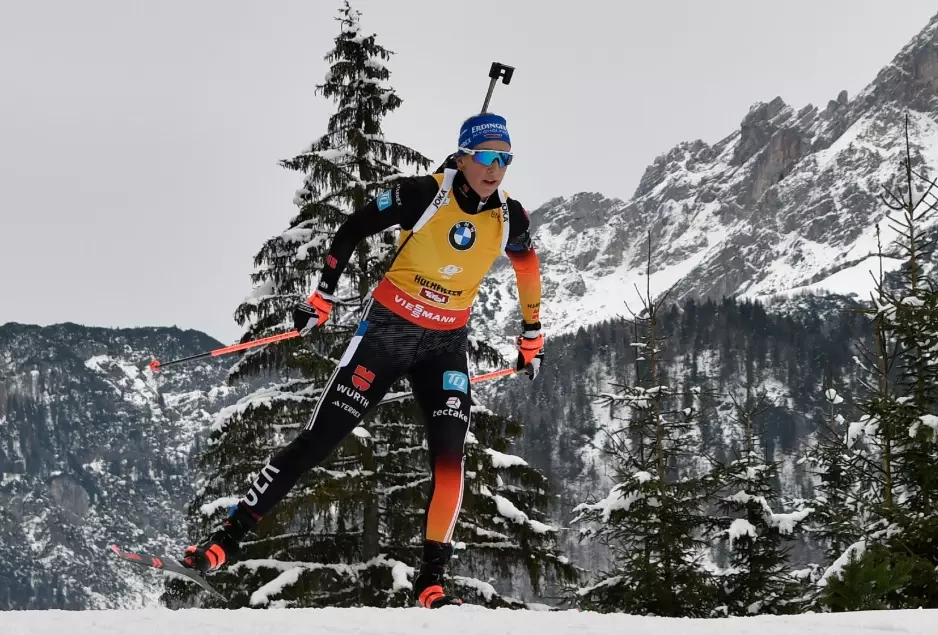
This is elite cross-country ski training. Hours of roller-skiing in summer, endless ski-stride intervals, and massive volume. But biathlon skiing has a unique constraint: you're carrying a 3.5kg rifle. Your technique must be efficient and stable to minimize rifle bounce. A common error I see in developing athletes is training their skiing without the rifle, then struggling to adapt their posture when it's on their back. The rifle should be part of your dryland training from the beginning.
A sample foundational week in the off-season:
- Monday: Long, steady roller-ski (90 mins) with rifle.
- Tuesday: Interval session: 8 x 3-minute hard efforts on a hill.
- Wednesday: Recovery run or bike, light strength.
- Thursday: Shooting technique & dry-fire (no bullets) practice.
- Friday: Tempo roller-ski (45 mins at race pace).
- Weekend: One long endurance day, one technique-focused day.
Pillar 2: The Shooting Process
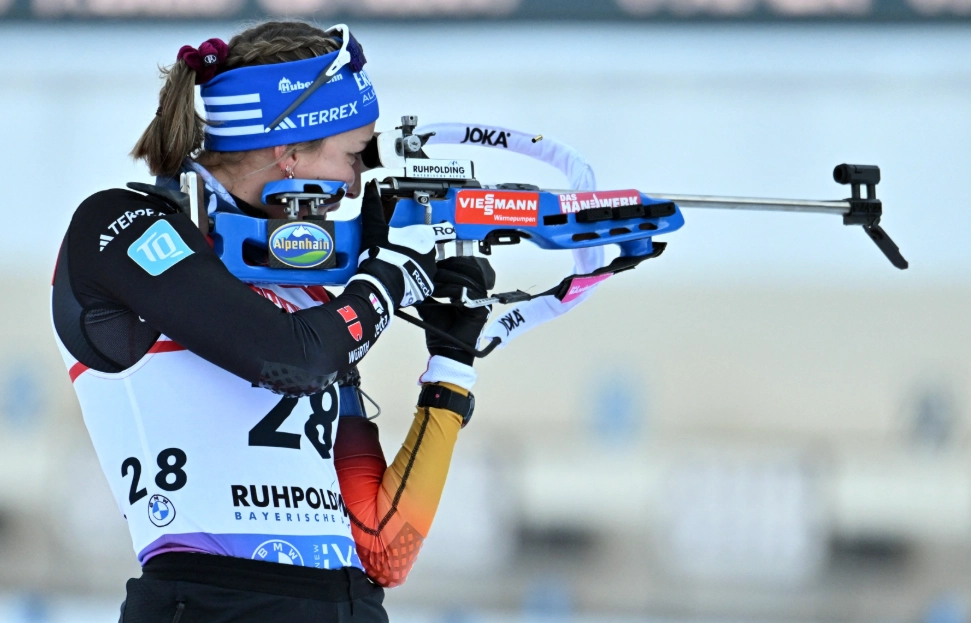
Shooting isn't just about aim. It's a repeatable routine you can execute with a heart rate of 180. The sequence is non-negotiable: ski into range, plant poles, lie down (prone) or stand, load magazine, control breathing, settle, aim, fire five shots. The entire transition from skiing to first shot should be under 30 seconds for top athletes.
Most beginners rush. They get down and immediately yank the trigger. That's a miss. You must drill the routine until it's autonomic. Dry-fire training (practicing without ammunition) is arguably more important than live fire for building this muscle memory. You can do this at home with a laser training system.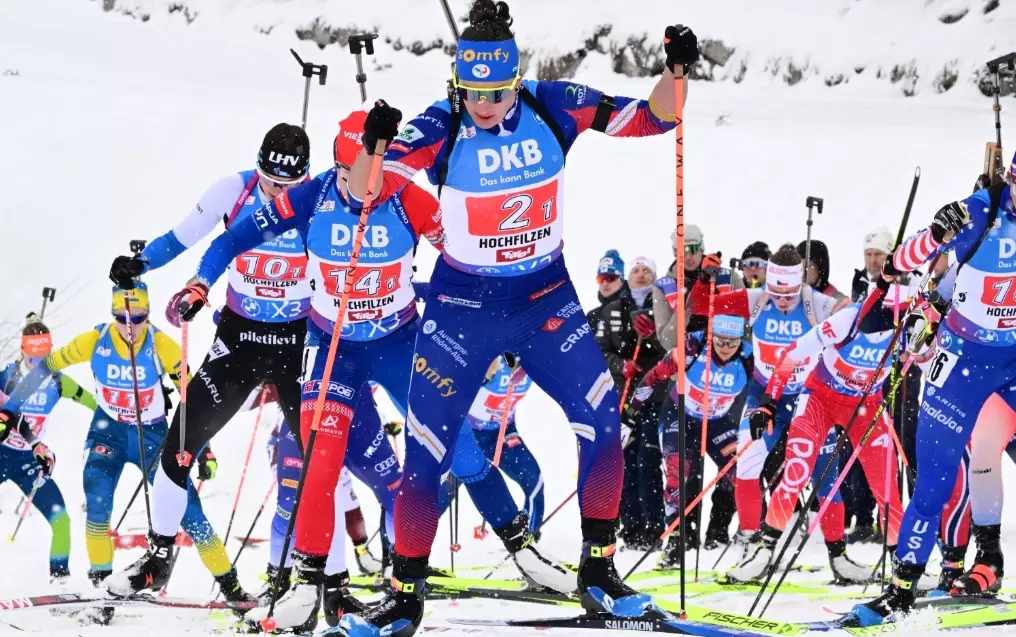
Essential Biathlon Gear Breakdown
You don't need top-tier gear to start, but knowing what's involved helps.
| Item | Purpose & Key Features | Beginner Note |
|---|---|---|
| .22 LR Biathlon Rifle | Bolt-action, 5-round magazines. Must weigh at least 3.5kg. Has special harness for back carry. Brands like Anschütz and Izhmash dominate. | Clubs provide these. Do NOT buy one first. Learn safety and handling on club rifles. |
| Skis, Boots, Poles | Same as cross-country skate skiing equipment. Skis are shorter and stiffer for better kick on skate terrain. Boots provide ankle support. | Your first major purchase. Get fitted at a specialty ski shop. Don't use classic skis. |
| Rifle Harness & Sling | Holds rifle securely on back while skiing. Allows quick, smooth removal for shooting. Proper fit is critical to prevent bounce. | Often comes with club rifle. Adjust it meticulously—a poorly fitted harness ruins your ski technique. |
| Shooting Mat & Glove | Mat provides insulation from snow. Glove (for the supporting hand) is fingerless for trigger finger dexterity, padded for prone position. | Cheap and essential for comfort. A simple gardening knee pad can work as a starter mat. |
| Ammunition (.22 LR) | Standard velocity, round-nose lead ammunition. Consistency is key for accuracy. | Clubs usually supply ammo for training. Never use high-velocity or hyper-velocity rounds. |
Your Beginner's Roadmap to Trying Biathlon
So you want to try it? Here's a realistic, step-by-step approach. I've seen too many people try to do everything at once and get frustrated.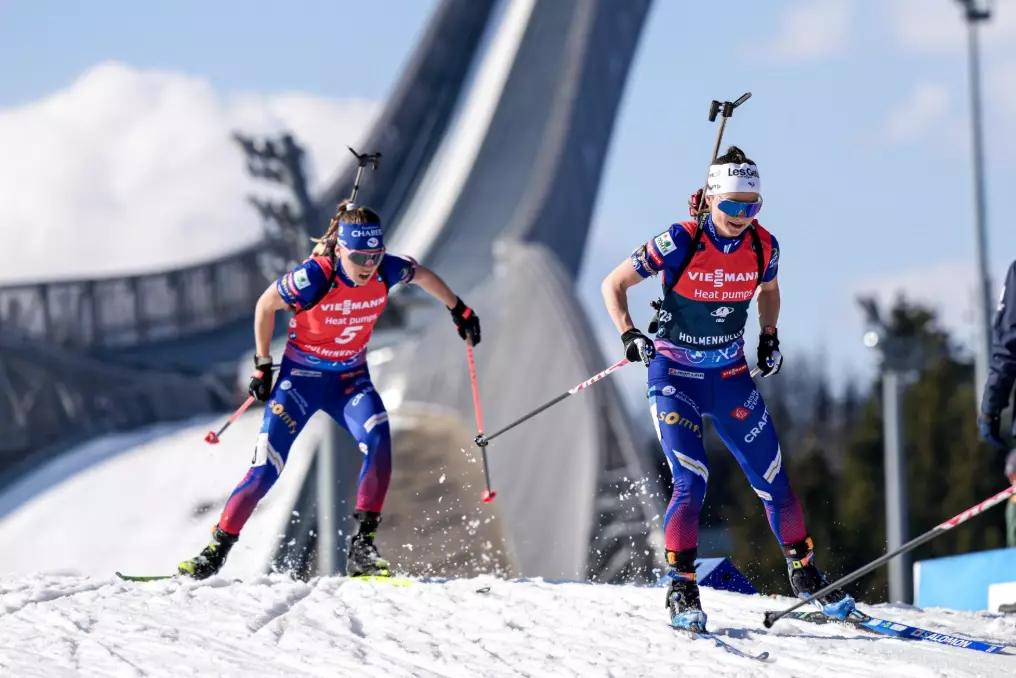
Phase 1: The Foundation (6-12 months)
Forget the rifle. First, learn to cross-country ski competently. Take skate skiing lessons at your local Nordic center. Build fitness. In parallel, if you have zero firearm experience, take a basic firearm safety course. Familiarity with safety rules is mandatory.
Phase 2: Introduction (Find a Clinic)
Search for "biathlon introduction clinic" or "biathlon try-it day." Many clubs in snowy regions (like in the US, Canada, Scandinavia, Central Europe) offer these. They provide all gear and safety instruction. This is where you'll first combine the skills in a controlled setting. Expect to feel incredibly clumsy. Everyone does.
Phase 3: Joining a Club
If you're hooked, join a biathlon club. This is your access to rifles, a range, and coaching. You'll train with others. Be prepared for a significant time commitment. A typical club winter weekend involves skiing in the morning, shooting drills in the afternoon.
Phase 4: Your First Race
Your club will guide you. Start with a local, low-key race. Your goal isn't to win, but to complete the race safely, remember your shooting routine, and not get disqualified. The sense of accomplishment is huge.
Your Biathlon Questions Answered
 Can you start biathlon as an adult with no prior skiing experience?
 Biathlon is more than a sport; it's a puzzle of physical and mental management. It teaches you about your own limits, about calm under pressure, and about the profound satisfaction of nailing a shot when your body is begging you to stop. Whether you're a fan watching the World Cup or someone lacing up skate skis for the first time, the challenge is what draws us in. Start with the skiing, respect the safety, and embrace the learning curve. The range awaits.