Quick Navigation
- Park Smarts 101: Etiquette and Safety (The Unbreakable Rules)
- Breaking Down the Features: From Boxes to Big Air
- Your Skill Progression Roadmap
- Gear That Actually Matters (Beyond the Hype)
- Reading the Terrain Park Layout Like a Pro
- Frequently Asked Questions (The Stuff You're Secretly Googling)
- Wrapping It Up: The Mindset is Everything
Let's be real. The terrain park can look intimidating from the lift. You see people spinning, flipping, sliding on rails like it's nothing, and a little voice in your head says, "Maybe next season." I get it. I stood at the entrance of my first park for a solid ten minutes, just watching, heart pounding. But here's the secret no one tells you right away: the park isn't just for the pros. It's a playground with a learning curve, and if you know how to approach it, it's the most fun you can have on snow.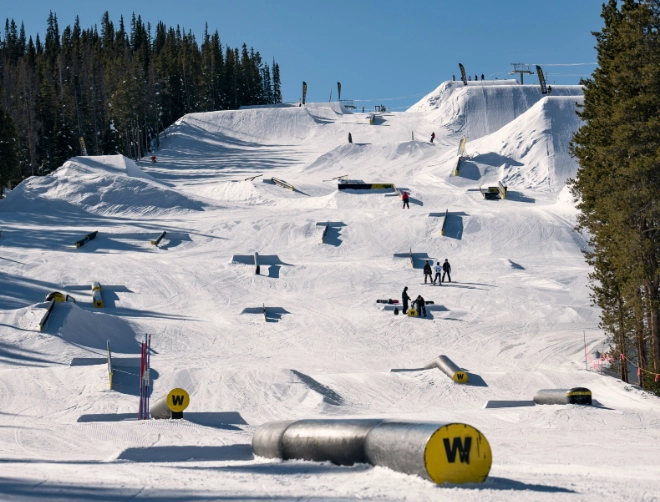
This isn't about turning you into an X-Games athlete overnight. This is about giving you the map so you can explore safely, build skills confidently, and actually enjoy the process. We're going to strip away the mystery and talk about the real stuff: not just how to do a trick, but how to not get hurt, how to read the terrain, and how to fit in without looking like a total gaper.
What exactly is a terrain park? In simple terms, it's a specially designed area at a ski resort filled with man-made features for freestyle skiing and snowboarding. Think of it as a skatepark for snow sports. These features include jumps (kickers), rails, boxes, halfpipes, and sometimes unique obstacles like wall rides or bonks. Parks are usually graded like ski runs: small/small-medium features for beginners, medium for intermediates, and large for advanced riders. Finding a well-maintained terrain park is key to a good experience.
Park Smarts 101: Etiquette and Safety (The Unbreakable Rules)
Before you even think about hitting a jump, you need to understand the code. Park etiquette isn't about being polite; it's about survival. Ignoring these rules is how people get seriously hurt, and it's a surefire way to get called out by everyone else.
The Golden Rule: Look Before You Leap. Always, and I mean always, look uphill before dropping in or starting your run. Someone might be coming in hot behind you. Also, never stop on the landing of a jump or in the middle of a rail line. You're basically setting a trap.
Here's the non-negotiable safety checklist. Treat this like your pre-flight routine.
- A Helmet. This is not debatable. It's not uncool. It's essential. Get a snow-sports specific helmet that fits properly. The National Ski Areas Association (NSAA) has been pushing the "Lids on Kids" campaign for years, but it applies to adults too. Your brain is useful.
- Impact Shorts & Wrist Guards. Especially when you're learning. Your tailbone and wrists will thank you. I learned this the hard way after a week of not being able to sit comfortably.
- Scoping the Feature. Never hit a feature blind. Your first run through any terrain park should be a "speed check." Ride past the features, don't hit them. Get a feel for the snow, the approach, and the landing. Watch how other riders are using the features.
- Using the Progression Park. Most decent resorts now have a dedicated beginner area, often called a "progression park" or "small features zone." This is your training ground. Use it. The jumps are tiny, the rails are low to the ground and often just wide boxes. This is where you build muscle memory.
It sounds basic, but you'd be shocked how many people skip these steps.
Breaking Down the Features: From Boxes to Big Air
Every feature in the park has a specific purpose and technique. Let's demystify them.
Jumps (Kickers)
The most iconic part of any terrain park. The goal is to get airtime and perform a trick before landing smoothly. They're not for launching yourself into orbit on day one. A jump has three key parts:
- The Approach: The ramp you ride up. This is where you generate speed and set your posture.
- The Lip: The very edge where you leave the snow. This is your "pop" point.
- The Landing: The sloped hill you come down on. It's designed to match your trajectory and absorb impact.
The biggest mistake beginners make? Leaning back in fear as they go off the lip. You have to commit and stay centered, or you'll land on your back or overshoot the landing. It's a mental game.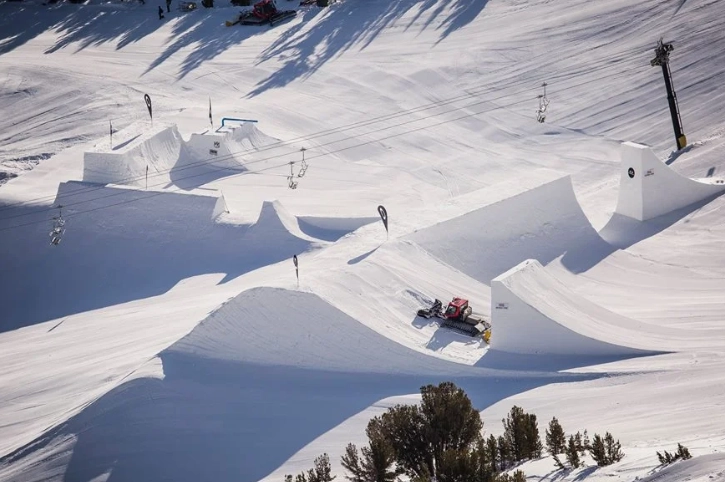
Rails and Boxes
These are for sliding. A box is wide, flat, and often less slippery—perfect for your first slides. A rail is round or square and requires more balance.
Pro Tip for First Slides: Start on a low, wide box. Approach straight on, at a moderate speed. As your front foot reaches the feature, gently hop just enough to get both feet onto it. Keep your knees bent, look at the end of the box, and stay relaxed. To get off, just hop off to the side as you reach the end. Don't try to turn off like you're on snow until you're comfortable.
Halfpipes
The giant U-shaped channel. Honestly, unless you're already very comfortable on medium park features, give the full pipe a wide berth. It requires a unique pumping motion to gain height. Many parks now build "mini-pipes" or "quarterpipes" which are much more accessible for learning how to hit a wall.
| Feature Type | Best For Learning... | Common Beginner Mistake | First-Step Goal |
|---|---|---|---|
| Small Jump (Kicker) | Getting comfortable with airtime and landing. | Leaning back on takeoff; "going dead sailor" (frozen in the air). | A straight, controlled air with a clean landing. |
| Wide Box | Learning balance and the feeling of sliding on a surface. | Approaching at an angle and catching an edge. | A 50-50 slide (both feet centered) the full length. |
| Small Rainbow Box | Introducing a mild curve or down-flat-down shape. | Fighting the feature instead of riding with it. | Maintaining balance through the entire arc. |
| Bonk or Tap Feature | Timing and playful interaction without major commitment. | Hitting it too hard and losing control. | A light, intentional tap with your board/skis. |
This table is your starting menu. Don't order the steak before you can handle the fries.
Your Skill Progression Roadmap
Throwing yourself at the biggest feature is a recipe for disaster and a quick end to your season. Progression in the park is a staircase, not an elevator.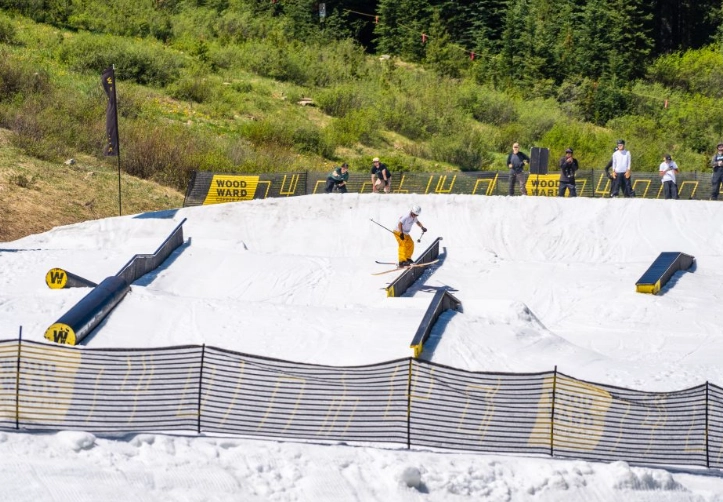
Phase 1: The Foundation (On the Green Runs)
Can you link smooth, confident turns on a blue run? Can you stop quickly and with control from any speed? If not, the park will eat you alive. The park amplifies every flaw in your basic technique. Work on riding switch (your non-dominant direction) on easy terrain. Being comfortable riding both directions is a massive advantage.
Phase 2: The Progression Park is Your Home
Spend days here, not hours. Your goals:
- Straight Airs: Hit the smallest jump until you can take off, stay calm in the air, and land smoothly 10 times in a row.
- 50-50 Slides: Slide straight across a wide box, start to finish, without falling off.
- Ollies/Nollies: Practice popping off the flat ground. This is the fundamental trick for generating your own air without a jump.
Phase 3: Adding Style and Rotation
Once straight airs are boring, you're ready for the next step.
- Shifty: A slight twist of the body in the air, then untwisting before landing. It teaches you body separation.
- 180: A half-rotation. Start off the side of a small jump or even just on flat ground. Learn it both frontside and backside.
- Boardslide/Skiside: Turning your body 90 degrees to slide sideways along a box or rail. Start on a box that's on the ground.
I made the mistake of rushing from a 180 to trying a 360 too quickly. I wasn't comfortable with the takeoff or the landing yet, and I spent the next hour picking ice out of my goggles. It set me back weeks because I lost confidence. Patience isn't just a virtue here; it's a performance enhancer.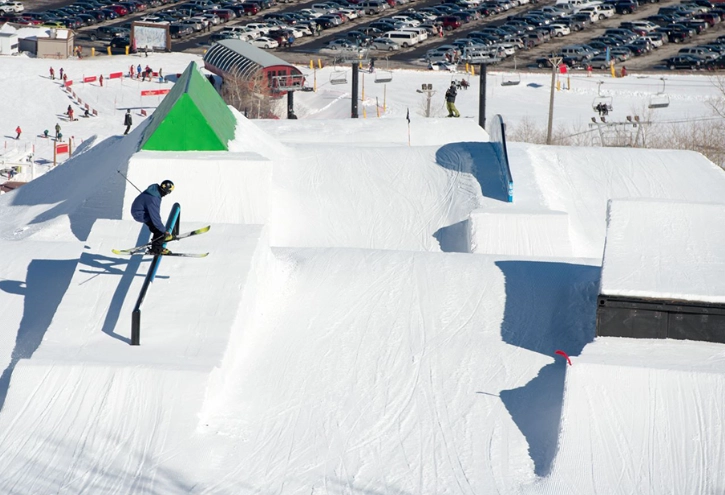
Gear That Actually Matters (Beyond the Hype)
You don't need the most expensive pro-model skis or board to start. In fact, stiffer, more aggressive gear can be harder to learn on. Here's what to focus on.
Skiers: Look for a twin-tip ski (tips curve up at both ends) that's on the softer, more forgiving side. Something labeled "all-mountain freestyle" is perfect. A center-mounted binding setup makes riding switch easier.
Snowboarders: A true twin-shaped board (perfectly symmetrical) is ideal. Softer flex is your friend for pressing and learning butters. Make sure your boots are comfortable—park riding involves a lot of impact.
For Everyone: Get your equipment tuned, but ask for a detuned tip and tail. This means they slightly dull the edges near the ends of your skis/board so they're less likely to catch on rails or boxes when you're learning slides. It's a simple shop request that makes a world of difference. A resource like evo.com's park guide can help with specific gear models, but remember, fit and feel trump brand names.
Reading the Terrain Park Layout Like a Pro
A well-designed park has a flow. Features are often arranged in "lines"—a sequence of jumps or jibs that you can hit one after another. Look for these lines when you scope the park from the lift.
The snow conditions in the park are different from the groomers. It gets packed down, icy in the mornings, and can get slushy or choppy ("moguled out") later in the day. Morning might be good for learning slides (smoother surface), while afternoon soft snow can be more forgiving for landings. Pay attention.
How do you know if a resort has a good terrain park program? Look for resorts that host events or have a dedicated park crew. They usually post updates on social media about feature changes and grooming schedules. A maintained park is a safe park.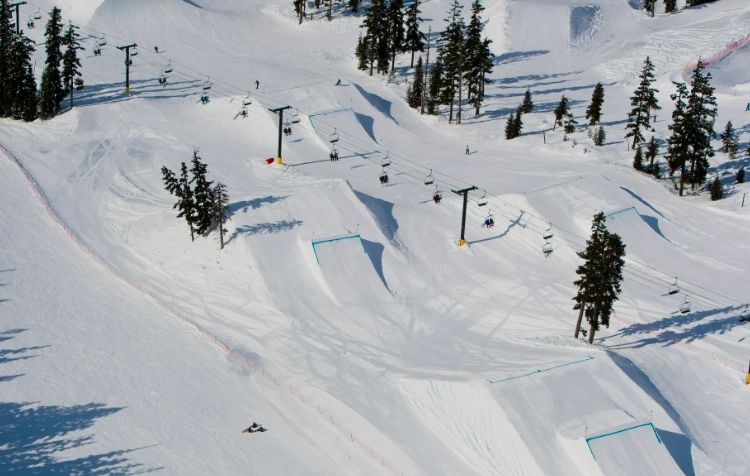
Frequently Asked Questions (The Stuff You're Secretly Googling)
Wrapping It Up: The Mindset is Everything
Progress in the terrain park isn't linear. You'll have days where you feel like you're regressing. The snow will be bad, you'll be tired, and nothing will work. That's normal. The goal is to make the terrain park a fun part of your mountain day, not a source of stress.
Celebrate the small wins. Your first clean box slide. Landing a straight air without wobbling. Finally getting that 180 around. That's what it's about. It's a puzzle for your body and mind to solve, and the solution is always more fun.
So next time you're on the lift, look at the park not as a scary arena, but as a set of tools. Pick the right tool for your skill level, use it safely, and slowly build your own bag of tricks. The community, the feeling of nailing something new, the sheer joy of play—that's why we keep coming back to the terrain park. Now go find a progression park and start small. You've got this.