Let's get this out of the way. Ski racing training isn't about recklessly pointing your skis downhill and hoping for the best. I've seen too many talented skiers plateau because they think more speed solves everything. It doesn't. Real progress comes from a brutal focus on the fundamentals—technique, tactics, and a specific kind of fitness most gym routines miss. This guide is for the skier who's tired of hitting the same time, the parent guiding a young racer, or the weekend warrior wanting to carve like the pros. We're breaking it down, step by step.
What's Inside This Guide
- The Training Philosophy: Quality Over Chaos
- Technical Training: The Drills That Actually Work
- Physical Conditioning: More Than Just Strong Legs
- The Mental Game: What They Don't Tell You About Race Day
- Gear Matters: Tuning and Setup Secrets
- Building Your Training Plan: From Novice to Noteworthy
- Your Burning Questions Answered
The Training Philosophy: Quality Over Chaos
Most recreational training is chaotic. A few free-skiing runs, maybe a trip through the race course, then call it a day. That's entertainment, not training. Effective ski racing training is structured and intentional.
The core principle? Isolate to integrate. You break a complex movement (a perfect slalom turn) into its components (edge engagement, pressure control, upper-lower body separation), drill those components until they're automatic, then stitch them back together at full speed.
Your training mindset needs to shift from "skiing" to "practicing." Every run should have a goal. Are you working on keeping your hands forward? Staying tall in the transition? The moment you lose focus, the run is over. Go back to the top and start again.
Technical Training: The Drills That Actually Work
Forget the flashy stuff. These are the bread-and-butter drills that build championship technique. You'll notice they're all about control, not speed.
Foundational Stance and Balance
One-Ski Skiing: Literally take one ski off. Traverse, make gentle turns, then try linking turns. This forces perfect balance over your outside ski. It's humbling and incredibly effective for diagnosing a weak inside leg.
Pole Drag: Hold both poles horizontally in front of you, dragging them in the snow. If your upper body rotates, the poles swing. This drill kills the upper body rotation that kills line and speed.
Turn Shape and Edge Control
Garlands (Side Slipping with a Purpose): Start traversing. Gently roll your knees uphill to engage the edges and initiate a sideslip, then roll them back to traverse again. Do this repeatedly. This teaches you the initial edge engagement feeling without committing to a full turn. It's the secret to starting a turn with your edges, not your shoulders.
Javelin Turns: In a turn, lift the tail of your inside ski off the snow, keeping the tip engaged. This exaggerates the need to pressure the outside ski and creates extreme angulation. It looks weird. It works.
Course-Specific Training Methods
When you move into gates, the approach changes. Here’s how different training methods stack up:
| Training Method | Primary Focus | Best For | Common Pitfall |
|---|---|---|---|
| Brushed Gates | Finding the optimal line without the consequence of hitting a solid gate. | Learning a new course, practicing line. | Getting lazy with the line because "it doesn't matter." |
| Delayed Gates | Patience and timing at the turn initiation. | Skiers who rush the turn and get late. | Over-rotating the upper body to "reach" for the gate. |
| Rhythm Blocks | Developing consistent tempo and timing. | All levels, especially in slalom. | Focusing on the blocks instead of the turns between them. |
| Free Skiing the Line | Internalizing the turn rhythm and body movements without gate pressure. | Mental rehearsal, refining movement patterns. | Not being disciplined enough to hit the imaginary gates precisely. |
The subtle error? Coaches often set delayed gates to fix a timing issue, but the skier compensates with bad upper body movement, ingraining a worse habit. Sometimes, you need to go back to free-skiing drills to fix the root cause before returning to gates.
Physical Conditioning: More Than Just Strong Legs
Your legs need to be springs, not just pillars. Ski racing is a series of explosive, eccentric contractions. You're not just holding a position; you're absorbing massive G-forces and rebounding into the next turn.
In-Season vs. Off-Season Focus
Off-Season (Spring-Fall): This is your building phase. Think alpine skiing training in the gym.
- Strength: Heavy compound lifts—squats, deadlifts, lunges. But add a twist: single-leg variations. Bulgarian split squats are gold.
- Power: Plyometrics. Box jumps, lateral bounds, medicine ball throws. You're training your muscles to fire fast.
- Mobility: Ankles, hips, thoracic spine. If you can't get into a deep, balanced athletic stance, your technique ceiling is low.
In-Season (Winter): Shift to maintenance and sport-specific conditioning.
- Active Recovery: Yoga, light cycling, foam rolling. This is non-negotiable.
- Explosive Maintenance: Short, intense plyo sessions once a week to keep the fast-twitch fibers ready.
- Circuit Training: Mimic the demands of a run. Leg blasters (20 air squats, 20 lunges, 20 jump lunges, 10 jump squats) with minimal rest simulate the burn of a slalom course.
The biggest mistake I see? Skiers who lift heavy all winter and show up on the hill with dead, slow legs. In-season, your primary training is on the snow. The gym just supports that.
The Mental Game: What They Don't Tell You About Race Day
Your mind can add two seconds to your run before you even push out of the start. Nerves, overthinking, distraction—they're all speed killers.
Visualization isn't daydreaming. It's active rehearsal. Don't just "see" yourself skiing fast. Feel the snow under your feet, hear the sound of your edges, sense the rhythm of the gates. Do this the night before and in the start gate. Studies in sports psychology, like those referenced by the Association for Applied Sport Psychology, consistently show its effectiveness for motor performance.
Focus on the process, not the outcome. Your race-day thought should be "early edge, quiet hands" not "I need to win." You can control the first; the second is a result of it.
Here's a trick: Have a one or two-word cue for your biggest technical focus. "Forward" or "quiet." Repeat it in your head during inspection and as you ski. It crowds out the panic.
Gear Matters: Tuning and Setup Secrets
You can have perfect technique, but dull edges or the wrong boot setting will sabotage you. This is where amateurs lose the most time.
- Edges: They should be sharp enough to catch your fingernail. Not just the base edge, the side edge too. A 3-degree side bevel is common for slalom; 0.5-1 degree for GS. Learn to feel when they're going. After a day on abrasive snow, they probably are.
- Wax: It's not just for speed; it's for consistent feel. A cold, unwaxed ski feels sticky and unpredictable. Match the wax to the snow temp. It's basic, but so many skip it.
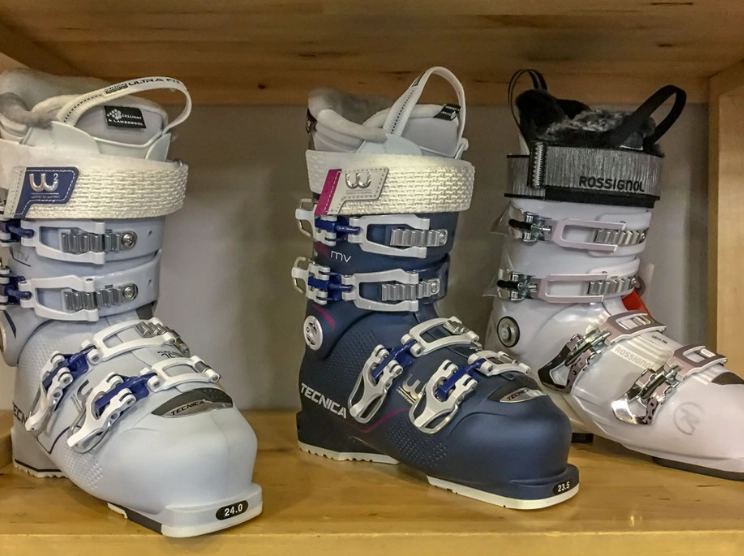
- Boots: The most important piece. They must fit snugly with no heel lift. Work with a certified bootfitter (look for PSIA or equivalent certification). A common pro tweak? Canting. If your knees aren't stacking over your feet in a neutral stance, canting adjustments can align your skeleton, saving massive energy.
I once spent a season struggling with inconsistent grip in my turns. I blamed my technique, my fitness, everything. It was a 0.2-degree variance in my base bevel from a bad tune. The gear matters.
Building Your Training Plan: From Novice to Noteworthy
Let's make this actionable. Here’s how a week of focused ski racing training might look for different levels.
For the Aspiring Junior/Teen Racer:
Monday: Off-snow: Mobility & light strength. Tuesday: On-snow: 60 mins focused drill session (e.g., Javelin turns on easy terrain). Wednesday: On-snow: Gate training (brushed or rhythm blocks). Thursday: Active recovery/study. Friday: On-snow: Free skiing focusing on line and aggression. Saturday: Race or timed training. Sunday: Rest or very light activity.
For the Dedicated Adult/Weekend Warrior:
Key: Maximize limited time. Your weekend day: Warm up with 3 free-skiing runs. Spend 90 minutes on ONE technical focus area with 2-3 related drills. Then, do 3-5 focused runs through a practice course or mimicking a course line. Cool down. Your weekday: One gym session focusing on legs/core, one session focusing on cardio and plyometrics.
The plan isn't rigid. If you're exhausted, swap a hard day for recovery. Listen to your body. But have a plan. Wandering aimlessly onto the hill is the surest way to not improve.