Quick Navigation
- So, What Exactly Is Olympic Biathlon?
- Why Is Biathlon So Mesmerizing to Watch?
- Breaking Down the Rules: It's Not Just Ski and Shoot
- The Gear: What Are They Using?
- Who to Watch: The Stars of the Biathlon Olympics
- How to Actually Watch and Appreciate a Biathlon Race
- Common Questions About Biathlon at the Olympics
- The Future of Biathlon at the Olympics
If you've ever stumbled upon the Winter Olympics and seen athletes flying on cross-country skis one second, then coming to a dead stop, heart pounding, to shoot at tiny targets 50 meters away the next, you've found biathlon. It's this wild, almost contradictory mix of intense aerobic endurance and zen-like precision that hooks people. I remember the first time I watched it properly – I was expecting something slow, maybe a bit niche. I couldn't have been more wrong. The final lap of a mass start race is as tense as any sporting event I've ever seen.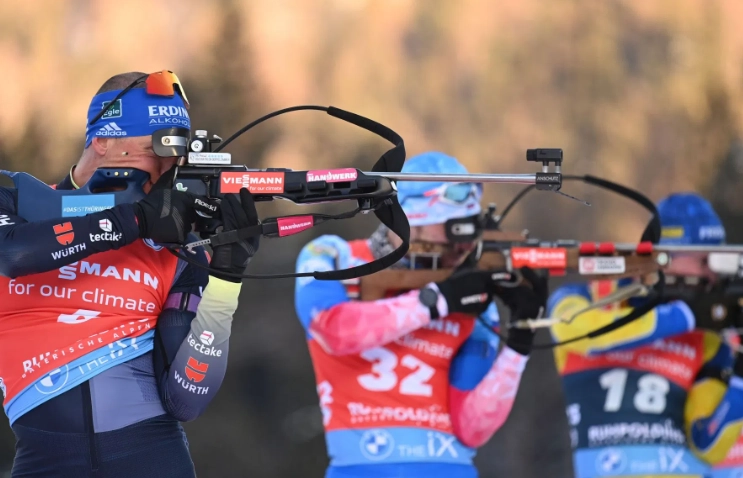
But let's be honest, it can also be confusing. Why the skiing and shooting combo? What do all those different race names mean? Who should you look out for? This guide is here to strip all that mystery away. Think of it as your friend explaining the sport over a coffee, not a textbook.
So, What Exactly Is Olympic Biathlon?
The modern biathlon olympics program is a descendant of military patrol exercises and survival skills from snowy regions. The International Biathlon Union (IBU) is the global governing body that sets the rules you see at the Games. The core concept never changes: ski a loop, shoot at a range, ski another loop, shoot again, and repeat until the finish. Miss a shot, and you pay a penalty – usually skiing a short extra loop or adding time.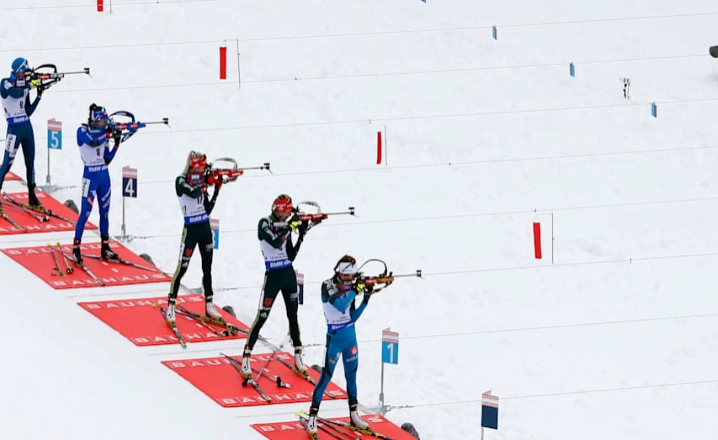
The Olympic program features five events for both men and women:
- Sprint: The short, sharp shock. It's fast, it's furious, and often decides who gets a head start in the next event.
- Pursuit: A direct follow-up to the Sprint. The start times are based on the Sprint results, so the first across the line here wins gold. Pure chase drama.
- Individual: The classic test. The longest distance and the toughest penalty for missing – one minute added per miss. It's a strategic marathon.
- Mass Start: My personal favorite. All the top-ranked athletes start together in a pack. It's chaotic, tactical, and the crowd goes wild. Everyone watches this one.
- Relay: Team chaos and glory. Four athletes per team, each skiing three legs and shooting twice. The penalty for missing? You have to load three extra cartridges by hand for each miss. Watching an athlete fumble with those tiny bullets under pressure is agonizing.
There's also a Mixed Relay (two women, then two men), which has become a hugely popular event, showcasing national team depth.
Why Is Biathlon So Mesmerizing to Watch?
Other sports have tension. Biathlon manufactures it in batches and delivers it in concentrated doses every time an athlete enters the shooting range. The contrast is everything.
You watch an athlete push their body to its absolute limit, lungs burning, legs screaming, arriving at the range with a heart rate that can be north of 180 beats per minute. Then, they have to somehow lower that heart rate, control their breathing, and steady their aim to hit a target the size of a grapefruit (for prone shooting) or a dinner plate (for standing) from 50 meters away. The target size difference is crucial – standing is so much harder, and you see way more misses there.
It's the ultimate reality check. You can be the fittest skier on the planet, but if you crack under pressure on the range, you're done. Conversely, a perfect shooter who's slow on the skis won't podium. It demands a complete athlete. This duality is the soul of the biathlon olympics competition.
The Mental Game Is Half the Battle
This is what new viewers often miss. The shooting isn't just a technical skill; it's a profound mental exercise. The crowd is often silent, but the pressure is deafening. You can see it in their faces. Some athletes have a routine they follow religiously – a specific number of breaths, a particular way of settling into the mat. Others look like they're in a trance.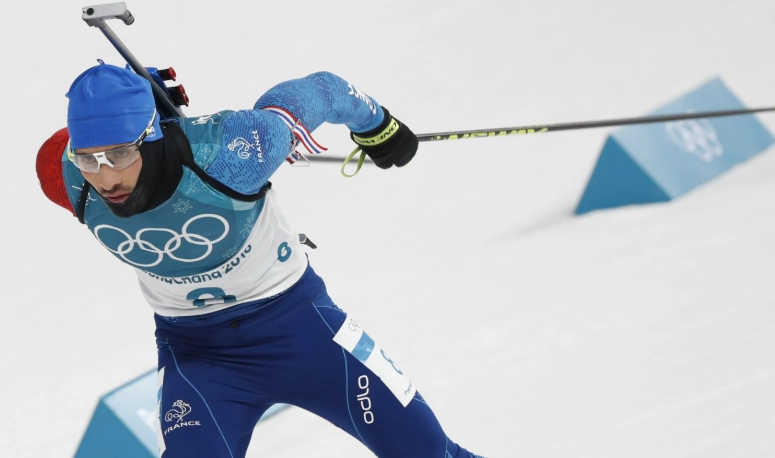
And then there's the wind. Ah, the wind. A biathlete's nemesis. A gust can come off the mountain and push your bullet just enough to miss. The best in the world can read the flags, feel the air, and adjust their aim in a heartbeat. Watching someone nail five shots in tricky conditions is a thing of beauty. Watching someone miss five and slump their shoulders is heartbreaking sport.
Breaking Down the Rules: It's Not Just Ski and Shoot
Okay, let's get into the nitty-gritty. The basic sequence is simple, but the devil's in the details. Every trip to the shooting range follows the same pattern: ski in, place your rifle on the stand (or hold it for standing), load five rounds, and shoot at five targets.
Shooting Rules & Penalties
You get two shooting positions per race (except the Individual, which has four). The first bout is always in the prone position (lying down), and the second is always standing. The order might repeat in longer races. The penalty for missing depends on the event:
| Event | Penalty for Each Missed Shot | Why This Matters |
|---|---|---|
| Sprint & Pursuit | One penalty lap (~150m) | Fast to ski, but losing ~20-25 seconds. A few misses can destroy your race. |
| Individual | One minute added to final time | The most brutal penalty. A single miss can be catastrophic. Favors perfect shooters. |
| Mass Start & Relay | One penalty lap | Like the Sprint, but in the pack dynamics, getting stuck behind others on the penalty loop is a nightmare. |
The penalty loop is a brilliant piece of sport design. It’s a physical, visible manifestation of failure that everyone can see. You're literally skiing extra distance for your mistake.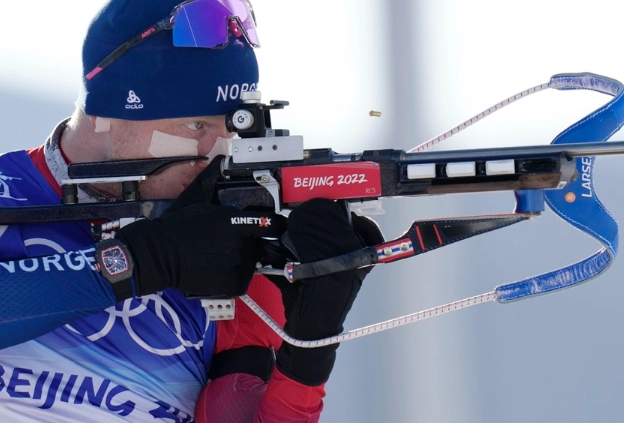
In the Relay, there's a twist. Instead of a penalty lap, you get three extra rounds to manually load for your first five misses. If you miss beyond those eight total shots (5 + 3), then you must ski a penalty lap for each additional miss. The sound of an athlete calmly slotting in those extra rounds while the clock ticks is uniquely stressful viewing.
The Gear: What Are They Using?
This isn't your grandpa's hunting trip. The equipment in modern biathlon is hyper-specialized and fascinating.
The Rifle
It's a .22 caliber rimfire rifle. It must weigh at least 3.5 kg (about 7.7 lbs) without ammunition and magazines. They use a bolt-action system, and the magazines hold five rounds. The key here is balance and consistency. The rifle is carried on the back during skiing, so its design minimizes bounce and fatigue. The sights are diopter sights (peep sights), not telescopic scopes, requiring immense skill. The IBU's technical committee has strict regulations on every aspect to ensure fairness – you can't just show up with any modified rifle.
Skis, Boots, and Poles
This is world-class cross-country skiing gear. Skis are long, light, and designed for glide and kick. The waxing teams are unsung heroes; choosing the right wax for the snow temperature can gain or lose minutes over a race. Boots are attached only at the toe, allowing the heel to lift for the skating technique. Poles are long, light, and crucial for propulsion. Honestly, the skiing side of biathlon is a masterclass in Nordic skiing technique that often gets overlooked because of the shooting drama.
Who to Watch: The Stars of the Biathlon Olympics
The biathlon world has its giants. The landscape changes, but a few names consistently define what it means to excel at this sport. Here’s a look at the athletes who have shaped recent biathlon olympics history and who are poised to dominate the next cycle.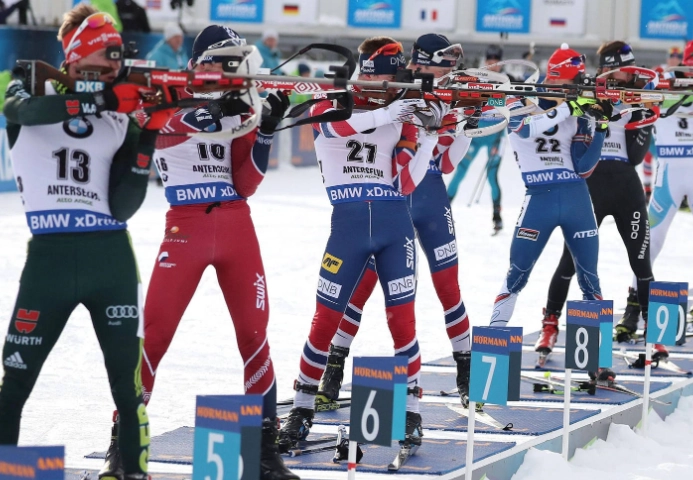
Top Contenders (Recent Champions & Consistent Threats)
- Johannes Thingnes Bø (Norway): For a while, he was in a league of his own. His ability to ski at a blistering pace and still shoot clean was almost unfair. He's won everything. While he might be past his absolute peak, writing him off is a fool's errand. On his day, he's untouchable.
- Sturla Holm Lægreid (Norway): If Bø is the explosive engine, Lægreid is the silent assassin. His shooting is arguably the most reliable in the world. He doesn't always have the top ski speed, but he makes up for it by hitting targets when others miss. The ultimate strategist.
- Quentin Fillon Maillet (France): The charismatic heart of the French team. After a stellar 2022 season, he proved he could handle the pressure of being the favorite. A fantastic all-rounder with great ski speed and solid shooting.
- Sebastian Samuelsson (Sweden): Tough as nails. Samuelsson thrives in head-to-head battles, especially in pursuits and mass starts. He's not always the most consistent shooter, but his fighting spirit and final-lap speed are legendary.
On the Women's Side
- Lisa Vittozzi (Italy): She transformed from a shooter who struggled on the skis to a complete, dominant force. Her shooting is phenomenal, and she now has the ski speed to match. A true technician.
- Ingrid Landmark Tandrevold (Norway): Carries the weight of Norway's deep women's team expectations. Brilliant when in form, but has been open about struggles with pressure and health. Her victories are emotional and hard-fought.
- Lou Jeanmonnot (France): Part of the new, exciting wave of French talent. Fast, agile, and cool under pressure. She announced herself with World Cup wins and is a genuine Olympic medal threat.
- Elvira Öberg (Sweden): When healthy, possesses arguably the fastest pure ski speed in the women's field. Her challenge has always been matching that with consistent shooting. If she puts it together, she can win by a landslide.
It's worth checking the IBU's official website for the latest World Cup standings. Form changes weekly in this sport, and a new star can emerge from nowhere during the season leading up to the Games.
How to Actually Watch and Appreciate a Biathlon Race
You've got the basics. Now, how do you enjoy it like a pro?
Your Viewing Guide
Don't just watch the leader. The real stories are often in the chase packs or on the shooting range.
- Start & Early Laps: See who tries to break away early. It's a risky strategy – fast skiing often leads to poor shooting.
- The First Shooting (Prone): This is where the race often settles. The favorites will aim for 5/5. Watch the athletes right on the bubble – a miss here can put them out of contention, a clean shoot puts them in it.
- The Standings Shuffle: After the first shooting, the on-screen graphics will reshuffle the order based on time. This is when you see the impact of the range.
- The Second Shooting (Standing): The drama amplifier. This is where leads are lost. Watch the athletes' faces as they approach. Look for the deep breaths, the settling rituals. The pressure is immense.
- The Final Lap: Pure theater. If the shooting was clean, it becomes a ski race. If someone has a lead but missed shots, you're doing mental math about their penalty loops. Can they hold on? Will they be caught?
Where to Watch the Biathlon Olympics
Broadcast rights vary by country, but the Olympic biathlon events are always heavily featured during the Winter Games.
- In the USA: NBC, Peacock, and the Olympic Channel will have extensive live coverage and replays. The commentary teams have gotten much better at explaining the nuances for new viewers.
- In Europe: Broadcasters like the BBC (UK), ARD/ZDF (Germany), NRK (Norway), and SVT (Sweden) treat biathlon like a religion. Their coverage is deep, expert, and passionate. If you can access these streams, it's a different level of insight.
- Streaming: The official Olympics.com website and app often provide live streams and highlights, though geo-restrictions may apply.
For the true fan, following the IBU World Cup season (every winter, leading up to the Olympics) on Eurovision Sport (the IBU's official streaming partner) is the best way to understand the form and stories going into the Games.
Common Questions About Biathlon at the Olympics
The Future of Biathlon at the Olympics
The sport isn't standing still. The IBU is always looking at ways to keep it engaging. We might see new, shorter format experiments on the World Cup circuit that could eventually influence the Olympic program. Technology in timing, tracking, and broadcasting (like better heart rate and ski speed overlays) will let viewers dive even deeper into the athletes' performances.
There's also a push for greater global reach, bringing the sport to new audiences. The inclusion of the Mixed Relay was a huge success, creating a dynamic, team-oriented event perfect for television. The essence, however, will remain: that breathtaking, punishing, beautiful clash of speed and stillness that defines the biathlon olympics dream.
So next time the Winter Games roll around, don't just flip past it. Settle in, pick a racer, and watch the story unfold. You might just find yourself, like I did, completely captivated by the sound of silence on a shooting range, followed by the furious swish of skis pushing for the finish.