In This Guide
- What Exactly Is a Ski Lift Rope Tow and Why Should You Care?
- The Step-by-Step, No-Fall Guide to Using a Rope Tow
- Rope Tow Etiquette & Unwritten Rules
- Common Rope Tow Mistakes (And How to Fix Them)
- Safety First: Non-Negotiable Rules Around Rope Tows
- Rope Tows vs. Other Beginner Lifts: What's the Difference?
- Your Top Rope Tow Questions, Answered
- Final Thoughts: Embrace the Tow
Let's be honest. For anyone new to skiing or snowboarding, the array of lifts can look like a confusing menu of mechanical monsters. You've got your comfy chairlifts, the enclosed gondolas, and then... that one. The simple, sometimes intimidating, constantly moving rope strung between poles. That's the ski lift rope tow, also called just a "rope tow" or a "handle tow." It's the workhorse of the beginner area and countless small ski hills around the world. And if you don't know how to use it, it can turn your first day on snow into a comedy of errors (the kind where you're the only one not laughing).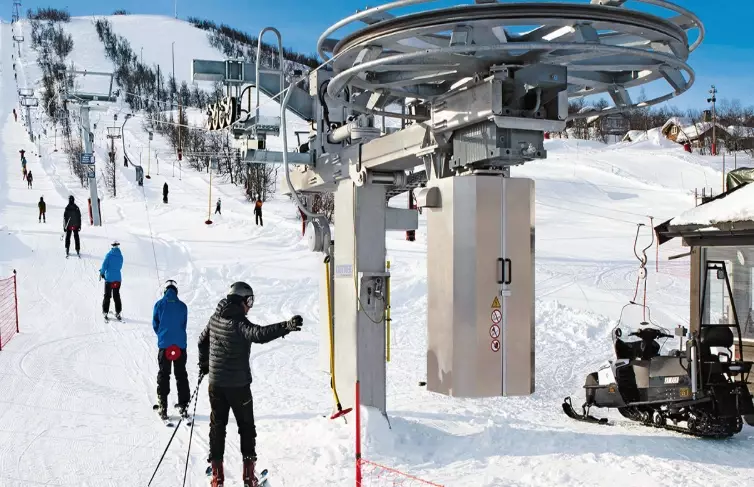
I remember my first encounter with one. I was about ten, bundled up like a marshmallow, watching this endless rope drag people up a tiny slope. It looked easy enough. Spoiler: it wasn't. I grabbed wrong, I fell, I got dragged a bit. It was a mess. But once I figured it out? It became the easiest, fastest way up the practice hill. That's what this guide is for—to skip the messy part and get you riding the rope tow like a pro, so you can focus on the fun part: skiing down.
What Exactly Is a Ski Lift Rope Tow and Why Should You Care?
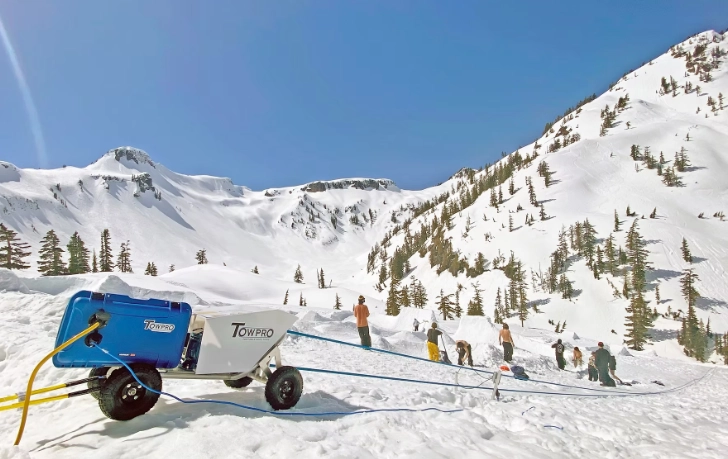
At its core, a ski lift rope tow is beautifully simple. It's a continuously moving loop of rope, powered by an engine at one end, that runs around a series of wheels or pulleys set on towers. Skiers and snowboarders grab onto the rope, and it pulls them up the slope while they stand on their skis or board. No seats, no bars, just you and a rope. You'll find them most often on beginner slopes, magic carpet conveyor belts, and at terrain parks for quick access to features. They're cheap to install and run compared to chairlifts, which is why they're a staple at local hills and learning areas.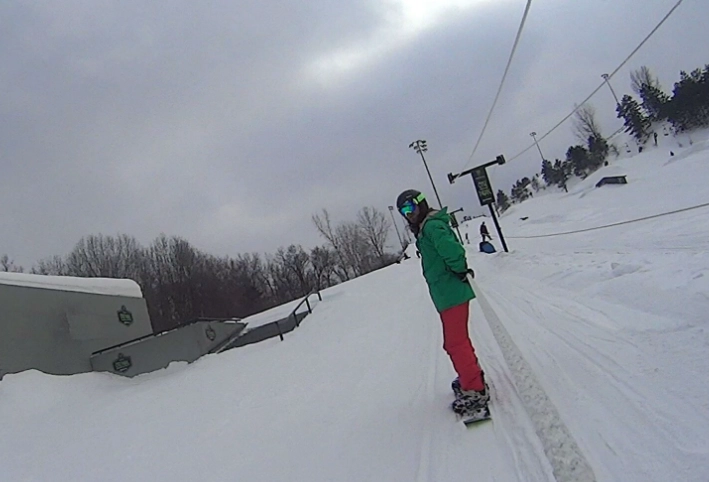
But here's the thing everyone forgets to mention: it requires active participation.
Unlike a chairlift where you just sit, a rope tow demands you balance and hold on. This is where most beginners panic. They think it's going to pull them over. It won't, if you do it right. Understanding the mechanics—that it's a steady pull, not a yank—is half the battle. The National Ski Areas Association (NSAA) lists surface lifts like rope tows as a fundamental part of a ski area's infrastructure, highlighting their role in making skiing accessible. You can read more about lift safety standards from the NSAA's official site.
The Step-by-Step, No-Fall Guide to Using a Rope Tow
Let's get practical. Watching someone do it makes it look effortless. Here’s how to break it down so you own it.
For Skiers: The Stance and Grab
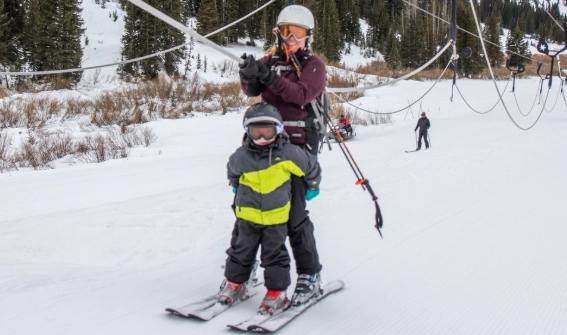
First, get in line and watch a few people go. See how they position themselves. When it's your turn, move to the loading area. Your skis should be pointed straight uphill, parallel to each other and about hip-width apart. This is a stable, neutral stance. Now, as the rope comes by, don't lunge for it. Let it come to you.
Grab the rope firmly but don't choke it. Imagine you're holding a big, friendly dog's leash—enough control, but relaxed. The moment you have it, let the rope's momentum start to pull you. Don't resist and don't try to pull yourself forward. Just let it happen. Keep your skis straight and your weight centered over your boots. Look ahead, not down at your skis. The rope will pull you at a walking pace. Really, it's not fast.
I see so many people make this one mistake: they lean back, digging their ski tails in, fighting the pull. That's what causes a fall. You have to go with it. Trust the equipment. The rope tow is designed to pull you smoothly if you let it.
For Snowboarders: The Unique Challenge
Snowboarders, you've got a different puzzle. You're sideways. The key is to treat it like you're on a skateboard. You'll ride the rope tow with your front foot strapped in and your back foot free, resting on the board next to the rear binding (just like when you're skating on flat ground).
As the rope approaches, grab it with the hand that's facing forward (your front hand). Now, here's the critical part—you need to keep your board perfectly straight. Any slight angle will make the board want to turn, and you'll lose balance. Use your free back foot to gently steer and maintain that straight line. It requires more core tension than skiing, but it's totally doable. Some boarders prefer to hold the rope between their legs, which can offer better alignment. Try both in a safe area and see what feels better for you.
The Dismount: How to Let Go Without Wiping Out
You've made it to the top! Now, don't blow it. The dismount zone is usually marked. As you approach it, simply release the rope. Don't throw it, just open your hand. Let it slide away. Then, immediately ski or snowboard away from the rope path to clear the area for the person behind you. The most common post-dismount fall happens because people stop right where they let go. Keep moving a few feet forward.
What if you fall during the ride? It happens to everyone. The instant you feel yourself going down, let go of the rope. Just release it. The rope will keep moving, and you can scramble to the side of the track, collect yourself, and walk to the side or try again. The lift attendant will usually stop the tow if someone is stuck, but your first job is to let go.
Rope Tow Etiquette & Unwritten Rules
This isn't just about mechanics; it's about being a good citizen on the hill. A busy rope tow line can get chaotic if people don't follow a few simple rules.
- Queue in an orderly line. Don't push in.
- Be ready when it's your turn. Fumbling with poles or gloves holds everyone up.
- If you fall at the start, move out of the way quickly. Don't just lie there. Scoot to the side.
- At the top, clear the landing area immediately. Don't stop to adjust your gear or take a photo right in the drop-off zone.
- Help a fellow skier or rider if you see them struggle. A quick tip or a hand up builds good karma.
A little courtesy makes the ride up better for everyone.
Common Rope Tow Mistakes (And How to Fix Them)
Let's diagnose the classic wipeouts. If you find yourself eating snow at the rope tow, you're probably doing one of these things.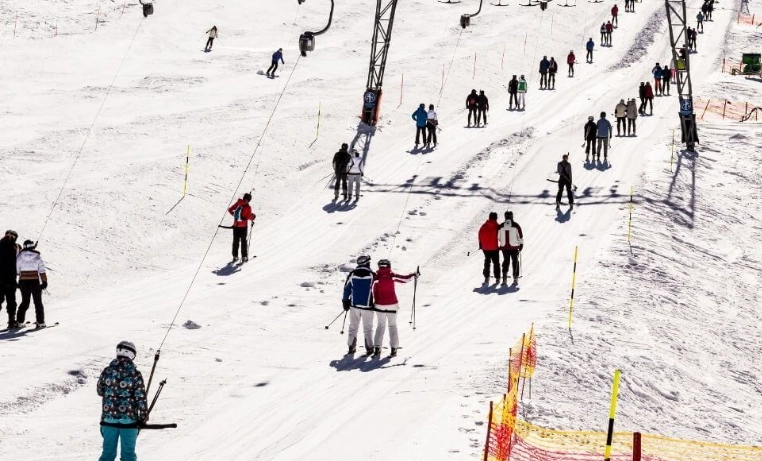
| The Mistake | What It Looks Like | The Simple Fix |
|---|---|---|
| Leaning Back | Arms fully extended, body tilted away from the rope, skis ploughing. You're fighting the pull. | Stand tall, weight centered. Let the rope pull you into a slight forward lean. Your arms should be bent. |
| Looking Down | Head down, staring at your ski tips or the rope in your hand. You lose all sense of balance and direction. | Look up the hill where you're going. Your body will naturally follow your gaze. Trust your feet. |
| The Death Grip | White knuckles, tense shoulders. You're exhausting yourself before you even start skiing. | Relax. Hold the rope like you're shaking hands. The tow does the work, you just guide. |
| Crooked Stance (Snowboarders) | Your board starts to turn sideways, you wobble, and then you're down. | Focus on keeping the board's nose pointing straight up the fall line. Use your free foot as a rudder. |
| Late Let-Go | You hold on too long at the top, get pulled into the bullwheel housing or trip over the rope. | Watch for the dismount markers. Release early rather than late, and ski away positively. |
I was totally guilty of the "Leaning Back" mistake for years. I had it in my head that I needed to brace against the pull. Once a grizzled old instructor yelled "Stop sitting in the toilet!" at me, it clicked. Stand up, lean in. Changed everything.
Safety First: Non-Negotiable Rules Around Rope Tows
Safety around any ski lift is paramount, and rope tows have their own specific set of rules. The Consumer Product Safety Commission (CPSC) and organizations like the NSAA emphasize proper use to prevent accidents. Here are the absolutes:
- Never wrap the rope. We said it before, it's worth saying twice. Your grip must be an open one.
- Wear proper gloves. A rope tow can burn bare hands or damage thin gloves. Get a pair with leather palms or grips.
- Keep loose clothing, scarves, and long hair secure. Anything dangling can get caught in the machinery.
- If you fall, let go and move away from the track. Don't try to get up while holding on.
- Respect all signs and instructions from lift attendants. They're there for your safety.
For official resources on ski lift safety, including statistics and guidelines, the U.S. Consumer Product Safety Commission website is a valuable, authoritative source of information.
Rope Tows vs. Other Beginner Lifts: What's the Difference?
You might wonder why you should bother with a rope tow when many places have magic carpets (the conveyor belt you just stand on). They serve different purposes. A magic carpet is fantastic for absolute first-timers—it requires zero skill. You step on, you stand, you get off. But they are slow and often short.
A rope tow is a step up. It teaches you balance, coordination, and how to interact with a moving lift. It's a bridge between the completely passive magic carpet and a chairlift. Mastering the ski lift rope tow builds confidence that directly translates to handling other lifts and, more importantly, to controlling your skis or board. Some smaller parks or specific features might only have a rope tow, so knowing how to use one expands your terrain options.
Your Top Rope Tow Questions, Answered
Final Thoughts: Embrace the Tow
The ski lift rope tow isn't some archaic torture device. It's a simple, efficient, and brilliant piece of equipment that gets you to the fun part faster. It feels awkward until it doesn't. The moment it clicks, you'll stop dreading it and start appreciating it for what it is: your ticket to more runs, more practice, and more progress.
So next time you see that moving rope, don't avoid it. Watch a few people, remember to stand tall, relax your grip, look ahead, and let it do the work. You've got this. And once you've mastered the beginner hill rope tow, you'll have the foundational skills and confidence to tackle the whole mountain.
See you on the lift. The rope tow, that is.