Ask ten skiers why they keep coming back to the mountains, and you'll get ten different answers. The rush of carving a perfect line, sure. The stunning views, absolutely. But dig a little deeper, and you'll hit the real core: it's the culture. The unique blend of tradition, social ritual, food, and attitude that changes completely the moment you cross a border or even a mountain range. Skiing in Austria feels nothing like skiing in Japan, which is a world away from a day in Utah. Understanding these differences isn't just trivia—it's the key to planning a trip that resonates with your soul, not just your ski legs.
I've spent over a decade chasing snow and, more importantly, the experiences that surround it. I've made the classic tourist mistake of wearing my ski boots into a Japanese ryokan (never again), and I've been swept into a spontaneous Austrian sing-along that lasted well past midnight. This isn't just about where to find the best snow; it's about where to find the feeling you're after.
What's Inside This Guide
How did skiing evolve from a necessity to a global sport?
It's easy to forget that skiing wasn't invented for recreation. In Scandinavia, sami people used skis for hunting and transportation over 5,000 years ago. The modern concept of ski culture as we know it—resorts, lifts, après-ski—really took root in the Alps in the late 19th and early 20th centuries. British mountaineers on holiday in places like St. Moritz started experimenting with skiing down for fun, and the idea caught fire. This origin story explains a lot. In Europe, skiing is deeply woven into the fabric of mountain life. It's not a seasonal industry plopped onto the landscape; it grew from it.
Contrast that with North America, where large-scale resort development was often a post-war, commercial endeavor. Places like Vail were master-planned villages. This fundamental difference in origin still echoes today in the layout, the architecture, and the very feel of the place.
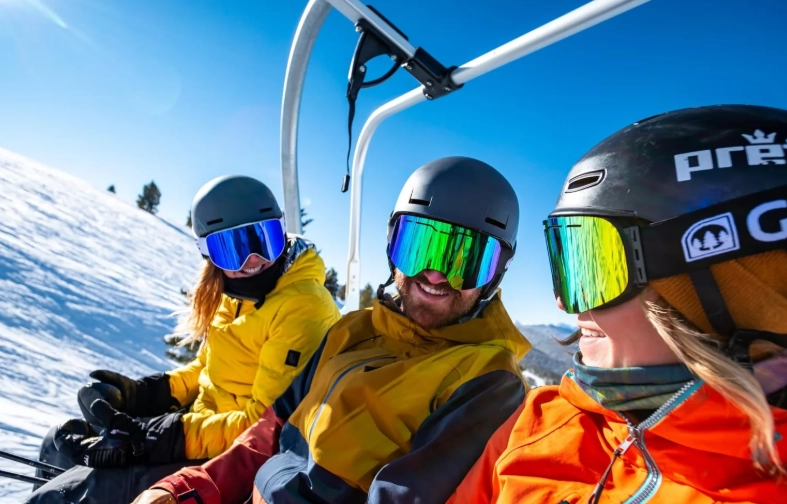
A quick thought: The next time you're on a crowded lift, remember that you're part of a lineage that stretches from prehistoric hunters to Victorian adventurers. That connection across time is a quiet, powerful part of the culture we often overlook.
The European Heartland: Where Tradition Meets Celebration
For many, European ski culture is the archetype. It's dense, interconnected villages, ski-in/ski-out charm that feels organic, and a fierce pride in local ways. But even within Europe, the flavors vary wildly.
Austria & Germany: The Gemütlichkeit Party
Here, the mountain hut (Skihütte or Almhütte) is the cultural epicenter. We're not talking about a basic cafeteria. These are often centuries-old wooden structures serving hearty, regional food like Käsespätzle (cheesy pasta) and Tiroler Gröstl (fried potato and meat hash). The après-ski starts early, often around 3 PM right on the slopes. In places like St. Anton or Ischgl, it transforms into a full-blown party with bench-dancing, DJs, and Jägertee (a potent tea-rum concoction). The vibe is communal, loud, and incredibly social. It’s less about showing off your gear and more about sharing a table with strangers.
France & Switzerland: The Sophisticated Alpine Experience
The culture here leans a bit more towards refinement. The focus is on legendary terrain (think Chamonix's Vallée Blanche or Verbier's off-piste) and long, leisurely lunches on sun-drenched terraces. Après-ski might mean a vin chaud (mulled wine) while a jazz band plays, followed by a fondue or raclette dinner. In upscale resorts like Courchevel or Gstaad, you'll find a blend of rustic charm and high-end luxury—fur coats and champagne bars nestled next to wooden chalets. The Swiss, in particular, have perfected the art of seamless, efficient mountain transport, which shapes a culture that values precision and ease.
Italy: La Dolce Vita on Snow
Italy boils down to one beautiful concept: la dolce vita (the sweet life). The skiing is fantastic in the Dolomites and Milky Way, but the day revolves around food. Lunch is a sacred, multi-course affair. You'll find on-mountain rifugios serving gourmet pasta, local speck (cured ham), and fine wine from regions like Alto Adige. The pace is slower, the style is effortlessly chic, and the après-ski is more about an Aperol Spritz and people-watching than raucous partying.
| Region | Cultural Signature | Must-Try Experience | Best For |
|---|---|---|---|
| Austrian Alps (e.g., St. Anton, Kitzbühel) | Lively hut parties, hearty food, Gemütlichkeit (coziness) | Afternoon Jägertee and singing at a MooserWirt or Krazy Kanguruh. | Social butterflies, groups seeking a festive atmosphere. |
| French Alps (e.g., Chamonix, Val d'Isère) | Big mountain terrain, sun-terrace lounging, sophisticated dining. | A long lunch of tartiflette and local wine on a panoramic balcony. | Serious skiers, foodies, those who mix activity with relaxation. |
| Italian Dolomites (e.g., Cortina, Val Gardena) | Stylish rifugios, gourmet cuisine, scenic Sella Ronda circuit. | A multi-course lunch at Rifugio Lagazuoi or a sunset Aperol Spritz in Cortina. | Couples, families, skiers who prioritize cuisine and scenery. |
| Swiss Alps (e.g., Zermatt, Verbier) | Precision, efficiency, blend of rustic and luxury, iconic Matterhorn views. | Fondue by a fireplace after skiing car-free Zermatt. | Travelers seeking iconic views, reliability, and a range of budgets. |
Japanese Serenity: Precision, Powder & Onsen Rituals
Flying to Japan for skiing is a pilgrimage for powder hounds, but staying for the culture is a revelation. It operates on a different wavelength. The famous Japow (light, dry powder) is almost a spiritual element here. Resorts like Niseko in Hokkaido or Hakuba in Nagano receive staggering snowfall, but the experience is defined by quiet respect and ritual.
The onsen (natural hot spring) is non-negotiable. Skiing ends by 4:30 PM, not for a party, but for the therapeutic soak. The etiquette is strict: wash thoroughly at the shower station before entering the shared bath, tie long hair up, and be silent. It's a communal yet deeply personal reset button for your body.
On the slopes, the culture is one of quiet efficiency and safety. You'll notice orderly lift lines, respectful skiers, and a lack of loud shouting. The food in mountain lodges (kaiten-sushi on the mountain isn't uncommon!) is a highlight—ramen, curry, and bento boxes that put any North American cafeteria to shame.
A subtle point most guides miss: in many Japanese resorts, the base area isn't a bustling village. The life is in the nearby towns. You ski, you take a shuttle back, you soak, you feast on incredible izakaya (pub) food. The rhythm is calm, restorative, and deeply satisfying in a way that a loud European party never could be.
The North American Vibe: Convenience & Big Mountain Freedom
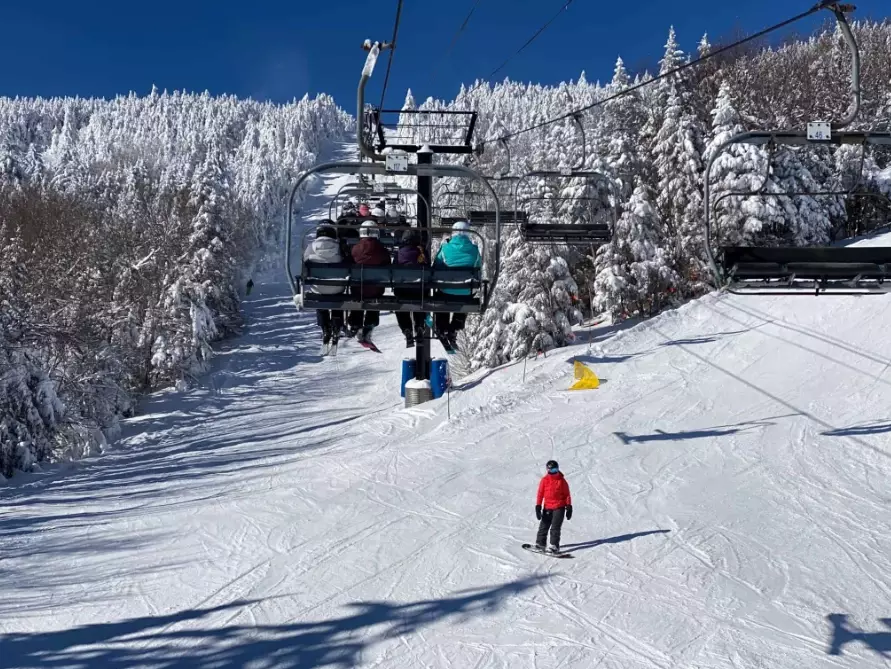
If European culture is about history and Japanese culture is about ritual, North American ski culture is largely about optimized experience and accessibility. Resorts in the Rockies, Sierras, and Canadian Rockies are often purpose-built. Think big parking lots, high-speed quad chairs designed to move massive numbers of people, and base areas with every amenity from gear shops to grocery stores.
The attitude is generally more individualistic and free. The concept of off-piste or backcountry skiing is less regulated than in Europe (though safety education is paramount), encouraging a spirit of exploration. Après-ski exists, but it's more varied—a craft beer microbrewery in Bend serving skiers from Mt. Bachelor, a lively poolside scene at Whistler, or a laid-back barbecue vibe in Jackson Hole.
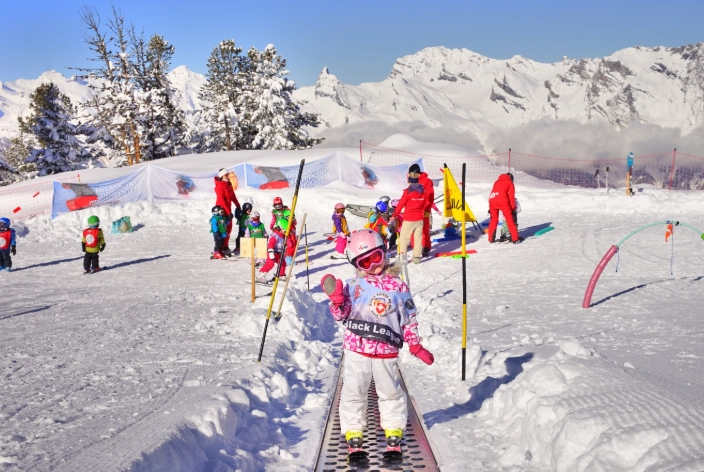
Family-friendliness is engineered into the model. Kids' programs, easy terrain access, and spacious condos are the norm. The culture is welcoming and less intimidating for beginners, partly because so many people there are beginners or casual skiers. You won't feel out of place if you can't carve perfect parallel turns.
My personal take? The sheer scale and convenience can feel a bit sterile compared to a crooked Austrian hut. But you can't beat the consistency, the sheer volume of terrain, and the fact that everything just... works. It's a culture built on making a complex sport as easy and enjoyable as possible for everyone.
How to Truly Immerse Yourself in Local Ski Culture (A Practical Guide)
Want to move beyond the tourist bubble? It takes a little effort, but the payoff is huge.
- Eat Local, On the Mountain: Skip the packaged sandwich. In Austria, find the hut with the smallest menu written on a chalkboard. In Japan, get the ramen from the machine at the base lodge. In Italy, reserve a table for a proper lunch. The food is the gateway to the culture.
- Learn Three Key Phrases: Not just "hello" and "thank you," but something specific. In German, "Noch ein Bier, bitte" (Another beer, please). In Japanese, "Otsukaresama deshita" (Thank you for your hard work—said after skiing). It shows respect.
- Observe the Unwritten Rules: In Europe, don't rest your skis against the exterior wall of a fancy chalet. In Japan, never be loud on a lift or in an onsen. In North America, respect the lift line maze. Watch what the locals do and follow suit.
- Dress (Slightly) The Part: You don't need a full dirndl, but in Europe, a nice sweater or smart casual apres-wear beats a grungy hoodie in many bars. In Japan, having a nice robe (yukata) for the ryokan matters. It's about blending in, not standing out.
- Use Local Transport: Take the post bus in Switzerland, the train to Hakuba, or a shared van in Utah. You'll meet people and see the place from a non-resort perspective.
One last pro tip from hard experience: always, always check if you need to take your boots off before entering a building. It's a surefire cultural tell.