If you're asking "What is Palisades Tahoe known for?" you've hit on a question with a surprisingly deep answer. It's not just one thing. For over 70 years, this place has built a reputation that's part skiing mecca, part Olympic landmark, and part California lifestyle hub. Forget the generic brochures. The real story of Palisades Tahoe is about legendary terrain that challenges the world's best, a history that changed winter sports, and a village vibe that keeps people coming back summer and winter. Having skied here for over a decade, I've seen visitors make one common mistake: they come for the famous steeps but miss half the experience because they don't know where to look.
What You'll Discover in This Guide
The Terrain That Built a Legend & Its Olympic Past
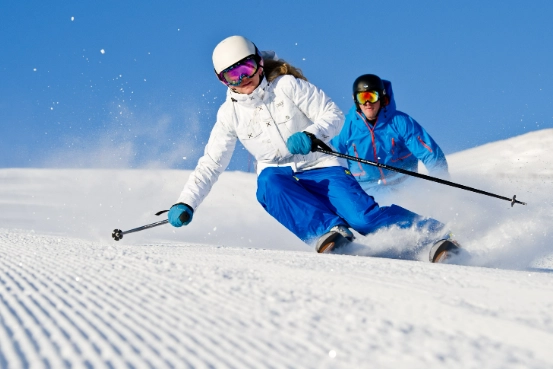
Ask any serious skier or snowboarder what Palisades Tahoe is known for, and the first word out of their mouth is usually "terrain." Specifically, the kind of vast, steep, and complex terrain that defines big-mountain skiing. The resort spans two massive areas—Palisades and Alpine Meadows—connected by a base-to-base gondola. But the crown jewel, the thing that separates it from every other resort in North America, is the collection of high-alpine bowls and chutes off the legendary KT-22 lift.
KT-22 isn't just a chairlift; it's an institution. The name supposedly comes from the 22 kick-turns a ski patroller once needed to climb it. From the top, you have immediate access to a dizzying array of expert runs like the Chute 75, The Funnel, and the infamous Palisades themselves—a series of sheer cliff faces and couloirs that are the resort's namesake. This is where you'll find pros filming and where the resort's reputation for challenging extremes was forged. But here's the non-consensus point everyone misses: the Alpine Meadows side offers equally incredible expert terrain (like the Keyhole and Promised Land) with often shorter lift lines. Spreading your time between both mountains is the expert move.
Local's Tip: The "best" terrain depends on recent weather. After a big storm, head to KT-22 for epic bowl skiing. For corn snow and softer conditions on a sunny spring day, the south-facing slopes off the Siberia Express or Solitude lifts at Alpine Meadows are unbeatable. Don't just follow the crowd.
An Olympic Legacy You Can Still Touch
The history is tangible. In 1960, this valley (then called Squaw Valley) hosted the VIII Olympic Winter Games. It was a makeshift operation that put Lake Tahoe on the global map. The Olympic Museum at the base of the Red Dog lift is small but packed with artifacts—torches, medals, old skis. You can even ride the Olympic Lady chairlift. Standing at the top, looking down at the valley, you're literally on the site of the original women's downhill course. This history isn't just a trivia fact; it infused the area with a permanent competitive spirit and infrastructure that attracted generations of athletes. The name change to Palisades Tahoe in 2021 was a major step, moving away from a harmful term, but the Olympic legacy remains a core part of its identity.
More Than Skiing: Year-Round Mountain Life
Calling Palisades Tahoe just a ski resort is like calling the ocean just a pool. It's a massive understatement. When the snow melts, the entire mountain transforms into a playground that, in my opinion, rivals the winter experience.
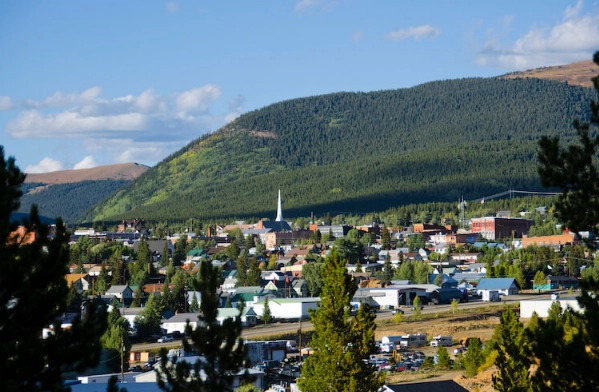
The Village at Palisades Tahoe is the energetic heart. It's a compact, walkable area with a European plaza feel. You'll find everything from upscale boutiques and gear shops to a dozen restaurants and bars. The vibe is lively, often centered around live music at venues like the Plaza Bar or the massive outdoor fire pits. It's designed for apres-ski and summer evenings alike.
Summer is a revelation. The Aerial Tram whisks you from the base to High Camp at 8200 feet in under 10 minutes. Up there, you have a huge swimming pool and hot tub (yes, really), roller skating, disc golf, and dining with views that stretch forever. But the real magic is the hiking and mountain biking. The resort maintains miles of trails. You can hike to Shirley Lake, a stunning alpine gem, or take your bike on the cable car to access epic downhill routes. The Palisades Tahoe Bike Park offers groomed trails for all levels.
Planning Your Trip: Tickets, Lodging & Getting There
Let's get practical. This is the info you need to actually book a trip.
| Category | Key Details | Notes & Tips |
|---|---|---|
| Address & Contact | 1960 Squaw Valley Rd, Olympic Valley, CA 96146. Main Phone: (800) 403-0206. | This is for the Palisades base area. Alpine Meadows base is at 2600 Alpine Meadows Rd. |
| Winter Season Hours | Typically late November to late April. Lifts run 9:00 AM - 4:00 PM, weather permitting. | Always check the official website for daily operations and storm impacts. |
| Lift Tickets | Window rates can exceed $250. Significantly cheaper online in advance. | Buy tickets at least 7 days ahead. Consider multi-day or Ikon Pass if you ski frequently. |
| Getting There | ~45 min drive from Reno-Tahoe International Airport (RNO). ~3.5 hours from Sacramento. | Rent a 4WD/AWD vehicle in winter. I-80 can close during major storms. Have chains. |
| Parking | Free parking available at both bases. Premium paid parking closer to lifts. | Arrive before 8:30 AM on weekends/holidays for free spots. Shuttles connect lots. |
Where to Stay: A Quick Breakdown
You have three main options, each with a different feel.
Slopeside in The Village: This is the most convenient and expensive option. The Resort at Squaw Creek (a short shuttle ride away) and The Village condos put you steps from the lifts and nightlife. You're paying for pure convenience.
Condos in Olympic Valley: A 5-10 minute walk or shuttle ride to the lifts. You get more space, kitchens, and often better value. Look for rentals along Squaw Valley Road.
Tahoe City or Truckee: A 15-20 minute drive. This is where you find more variety, from chain hotels to unique B&Bs, and generally lower prices. You'll need a car, but you get to explore more of the region's dining and charm.
Making the Most of Your Days: A Sample Itinerary
Here’s how a perfect 2-day winter weekend might look, based on my own routine.
Day 1: Conquer the Palisades Side. Get an early start. Park, grab a coffee from Wild Cherries in the village, and be ready for first tracks. Head straight to the Funitel or KT-22 (if you're expert). Spend the morning exploring the Granite Chief and Headwall areas. For lunch, skip the crowded lodge and head back to the village for quicker options. Afternoon, try the trees off the Siberia lift or cruise the long, scenic runs off the Emigrant lift. Apres-ski at the Chamois for a classic dive-bar feel or Rocker for sun deck cocktails.
Day 2: Explore Alpine Meadows & Village Life. Take the Base-to-Base Gondola from the Palisades village over to Alpine Meadows. Start on the Roundhouse or Summit chairs to warm up. Alpine feels more spread out and local. For lunch, the Alpine Lodge deck has fantastic views. Spend the afternoon on the Scott Chair or exploring the Sherwood Forest area. Gondola back. Dedicate your evening to the village—dinner at Auld Dubliner for pub fare or Six Peaks Grille for a fancier meal, then maybe catch some live music.
Your Questions, Answered by a Local
This is the biggest misconception. While its expert terrain is world-famous, about 25% of the combined terrain is rated beginner. The Big Blue Express lift at the Palisades base and the Meadows lift at Alpine Meadows are perfect learning areas—wide, gentle, and separate from the expert chaos. The ski school is excellent. That said, the vibe and layout are undeniably geared toward intermediate and advanced skiers. A true first-timer might feel slightly overwhelmed, but a confident beginner will find plenty to enjoy.
It depends on your priority. For deep powder and epic conditions, January through March is most reliable. For sunny skies, longer days, and softer "corn" snow, April is magical—and often less crowded. Avoid major holiday weekends (Christmas, New Year's, Presidents' Day) if you hate crowds. A hidden gem period is late November or early December right after opening; if there's snow, you'll have the mountain mostly to yourself.
The resort officially changed its name in September 2021 after extensive consultation with Native American groups and the local community. The former name contained a term widely recognized as a racist and sexist slur against Indigenous women. The new name, Palisades Tahoe, directly references the iconic cliff bands on the resort's peak and firmly places it in the Lake Tahoe region. It was a necessary and respectful move to create a more inclusive environment. You'll still see "Squaw Valley" on some old maps and in historical context, but all current signage and branding use the new name.
The KT-22 line on a powder morning is legendary, often forming before the lift even opens. My strategies: 1) Don't go first thing. The line peaks at 9:15 AM. Ski elsewhere for an hour, it dies down significantly. 2) Go late afternoon. Many people quit by 2 PM, and you can get last laps on untouched snow in the shadows. 3) Use the Funitel. It has a higher capacity and accesses similar terrain to the top of KT-22 via a short traverse. Most people don't realize this. 4) Remember, Alpine Meadows' expert lifts (like Summit or Scott) rarely have lines as long as KT-22.
Absolutely. The Aerial Tram ride alone is worth the price for the panoramic views of Lake Tahoe and Desolation Wilderness. High Camp's pool and activities are unique. The hiking is exceptional—guided wildflower tours or the hike to Shirley Lake are accessible and beautiful. The village has summer festivals, concerts, and a more relaxed pace. It's a completely different, and wonderfully refreshing, side of the mountain.
So, what is Palisades Tahoe known for? It's the spine-tingling drop into a chute off KT-22. It's the echo of Olympic cheers from 1960. It's the splash in a mountaintop pool in July and the sound of live music floating across a snowy village plaza. It's a place that demands respect from experts but still warmly welcomes newcomers. It's not just a ski resort; it's a landmark. And knowing these details—the secret to shorter lines, the best side for spring corn, the summer hike most visitors miss—is what turns a good trip into an unforgettable one.