Picking a ski resort in the United States can feel overwhelming. With over 470 ski areas spread across massive mountain ranges, how do you choose? It's not just about the biggest vertical drop or the most Instagrammable village. The right resort matches your skiing ability, your budget, and the kind of experience you're after. Having skied from the icy slopes of New England to the deep powder of the Rockies for over a decade, I've seen skiers make the same mistake: they pick a resort based on fame alone, only to find the terrain doesn't suit them, or the vibe is all wrong. This guide cuts through the noise. We'll compare the top-tier destinations, dig into the specifics that matter, and give you the local knowledge to plan a trip you'll actually love.
What's Inside This Guide
Head-to-Head: Top US Ski Resort Comparison
Let's start with a clear snapshot. This table isn't about declaring a single winner; it's about highlighting key differences that will steer your decision.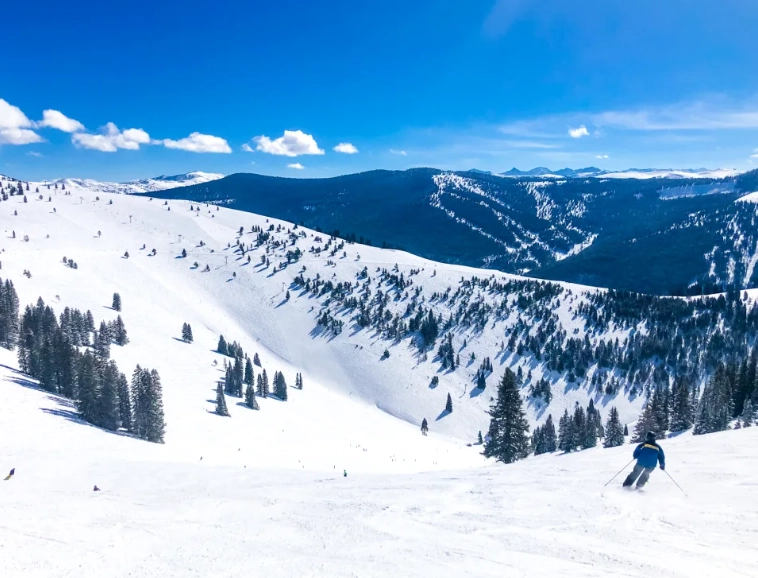
| Resort & Location | Best For | Signature Terrain | Average Snowfall | Lift Ticket Price Range (Peak) | Vibe & Notes |
|---|---|---|---|---|---|
| Vail, Colorado Address: Vail, CO 81657 |
Intermediates, Luxury seekers, Families | Massive, groomed bowls (Back Bowls) | 350 inches | $250 - $280 | Upscale, sprawling, can feel crowded. The village is car-free and European-style. |
| Park City Mountain, Utah Address: 1345 Lowell Ave, Park City, UT 84060 |
Variety seekers, Park skiers, Non-skiers | 7 unique terrain parks, diverse trails across two mountains | 355 inches | $240 - $270 | Lively, historic mining town at its base. Huge interconnected terrain. |
| Jackson Hole, Wyoming Address: 3395 Cody Ln, Teton Village, WY 83025 |
Experts, Advanced intermediates, Powder hounds | Steep chutes, couloirs, and off-piste (Corbet's Couloir) | 459 inches | $220 - $250 | Rugged, authentic Western feel. Notoriously challenging but has great intermediate areas too. |
| Snowmass, Colorado Address: Snowmass Village, CO 81615 |
Families, Beginners, Long cruising runs | Wide, consistent beginner/intermediate slopes | 300 inches | $210 - $240 | Relaxed, family-focused. Less crowded than its neighbor Aspen. |
| Mammoth Mountain, California Address: 10001 Minaret Rd, Mammoth Lakes, CA 93546 |
Season extenders, All-mountain skiers, Californians | High-altitude, volcanic terrain with long seasons | 400 inches | $230 - $260 | Massive volcano, often skiable into July. A unique Sierra Nevada experience. |
Notice the price tags. Yes, skiing is expensive. But you can work around it. Buying lift tickets at the window is financial suicide. Always buy online, in advance, and look for multi-day passes. Better yet, if you plan to ski more than 5 days in a season, the Epic Pass or Ikon Pass are almost always the answer. They cover most of the resorts listed here and drastically reduce your per-day cost.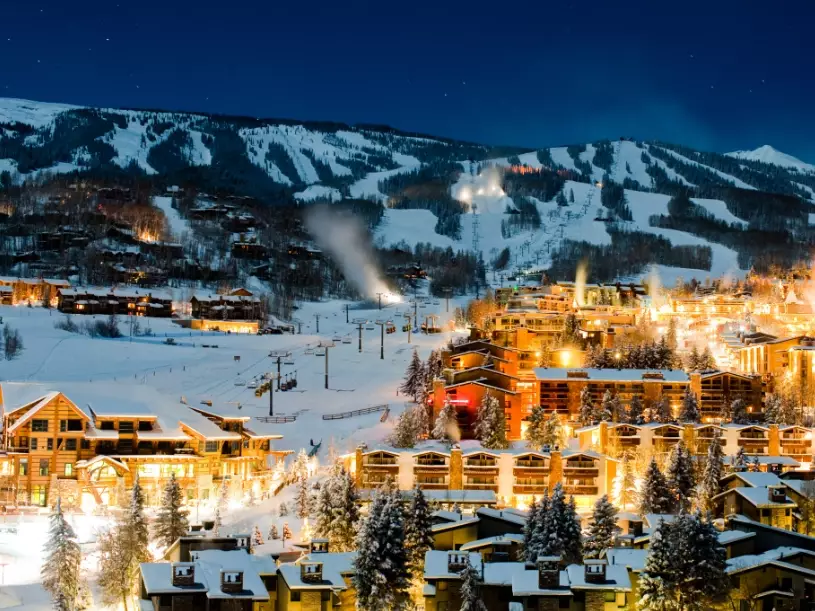
Vail, Colorado: The Iconic Giant
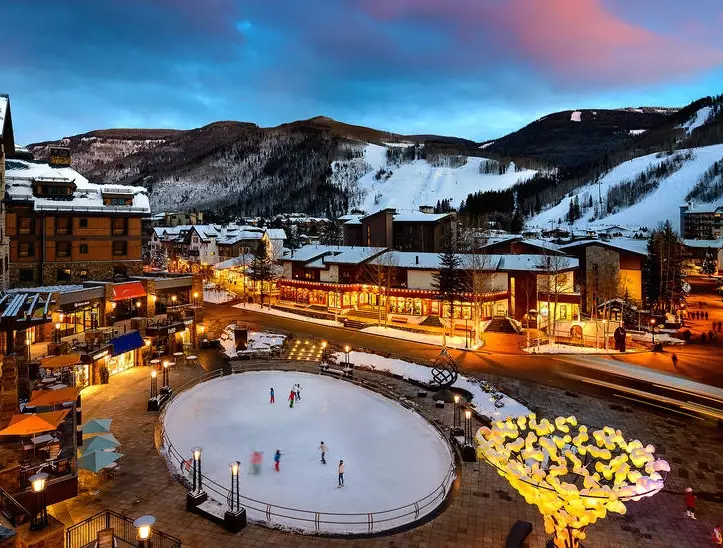
Vail is the resort everyone knows. With over 5,300 skiable acres, it's enormous. The Back Bowls are legendary for a reason – on a powder day, there are endless lines of open, treeless terrain that feel like you're skiing in the Alps. But here's the non-consensus take: Vail's front side (where most beginners and intermediates stay) can be a frustrating maze of cat tracks and run-outs, especially on crowded weekends. It's designed to move people, not necessarily to provide the most direct, thrilling descent.
Where to stay? The Lionshead area is slightly more affordable and quieter than Vail Village, with equally good gondola access. For a more local feel, look at condos in East Vail and take the free bus.
Don't miss: A bluebird day in Sun Down Bowl. Skip the famous Game Creek Bowl first thing—it gets tracked out instantly. Head to the less-hyped bowls like Tea Cup or Siberia for longer-lasting fresh lines.
Park City, Utah: Convenience Meets Variety
Park City's biggest selling point is its town. You fly into Salt Lake City (SLC), and you're at the resort in 35 minutes. No winding mountain passes. The town itself is a genuine, lively place with history, not just a fabricated village. After the merger with Canyons Resort, it became the largest single ski area in the US.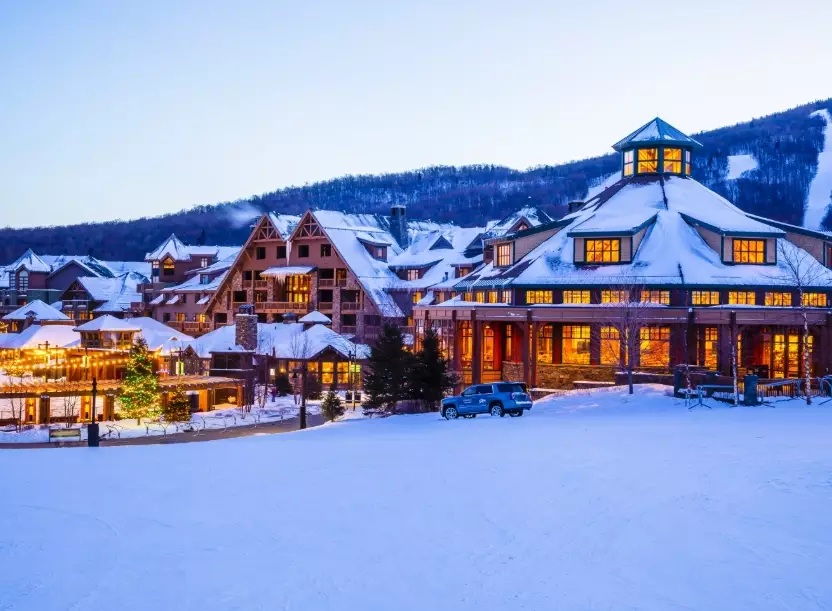
The terrain is incredibly diverse. You can spend a morning lapping groomers off the Silverlode Express, hit the massive halfpipe and terrain parks at King's Crown in the afternoon, and then find untouched snow in the glades off the Ninety-Nine 90 lift. My personal struggle here is navigation. The map is essential. The connection between the Park City and Canyons sides involves a long, slow gondola ride. Plan your day to avoid crisscrossing the resort unnecessarily.
Jackson Hole, Wyoming: For the Adventure Seeker
Jackson Hole's reputation for expert terrain is earned. The tram stares down at you with intimidating steepness. But what's often overlooked are the fantastic intermediate cruisers off the Casper and Teton lifts. Apres Vous Mountain has some of the most enjoyable, scenic blue runs in the country.
I remember my first time staring into Corbet's Couloir. Everyone does. It's a right of passage. But the real magic of Jackson is the sidecountry access into places like Rock Springs Bowl or the Hobacks—massive, powdery expanses that feel remote but are relatively safe with a guide and the right gear. The vibe in Teton Village is pure, unpretentious mountain town. It's about the skiing, not the shopping.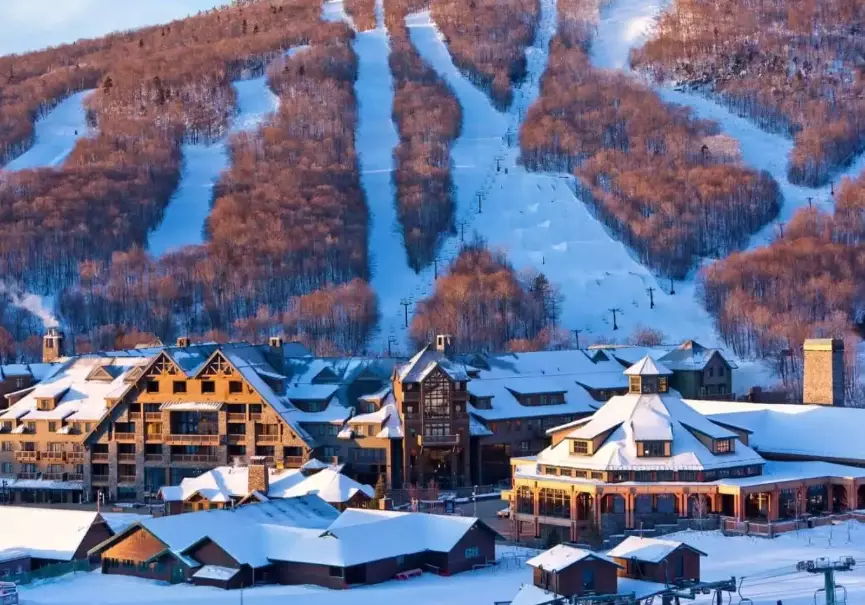
How to Choose the Right Resort for You
Forget the "best" list. Ask yourself these questions instead:
- Who's going? A group of expert buddies? A family with young kids learning? A mixed-ability couple? Snowmass and Deer Valley are phenomenal for beginners and families. Jackson Hole and Alta (UT) cater to the hardcore.
- What's your priority? Deep powder? Reliable sunshine and grooming? A buzzing nightlife? Terrain parks? Utah wins for consistent dry powder ("The Greatest Snow on Earth" isn't just marketing). Colorado offers more guaranteed bluebird days. California's Mammoth has the best parks.
- What's your budget beyond lift tickets? Accommodation, food, and lessons add up. Resorts near major airports (Park City, Denver-area resorts) often have more lodging competition, which can mean better deals. Remote resorts like Telluride or Big Sky are stunning but require more complex travel.
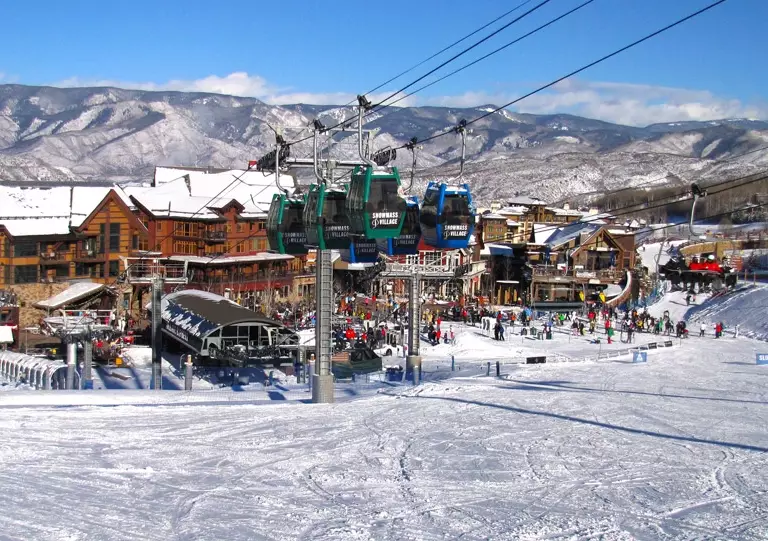
Underrated Gems Worth Your Consideration
Everyone targets the marquee names. Here are two spots that deliver an exceptional experience with fewer lines and a more authentic feel.
Sun Valley, Idaho: It has the most efficient lift system I've ever seen—high-speed quads everywhere, often with no waiting. The grooming is impeccable, the town of Ketchum is charmingly classic, and the Bald Mountain terrain is consistently steep and fun. It feels exclusive without being snobby.
Taos Ski Valley, New Mexico: Don't let the location fool you. Taos has steep, challenging terrain that rivals anything in Colorado, with incredible Southwestern culture and food. They've modernized recently, adding high-speed lifts and smoothing out some of the rough edges, but it retains its unique, soulful character.
Planning Your Ski Trip: A Step-by-Step Approach
- Lock in Your Dates Early: Aim for January-March for the best snow coverage. Avoid holiday weeks (Christmas, Presidents' Day) unless you enjoy peak prices and crowds. Early January and late March often have great snow and smaller crowds.
- Book Lodging with Kitchen Access: Eating out for every meal will double your trip cost. A condo where you can make breakfast and pack lunches is a game-changer.
- Rent Gear Off-Mountain: Rental shops in town are almost always cheaper and less chaotic than resort rental desks. Some even deliver to your lodging.
- Check the Mountain's Official Website for Deals: This seems obvious, but people miss it. Look for "Stay & Ski" packages, advance purchase lift ticket windows, and lesson bundles. For example, U.S. Forest Service sites often have information on multi-resort passes that support public lands.
- Plan One Non-Skiing Day: Fatigue leads to injury. Schedule a day for snowshoeing, a spa visit, or exploring the local town. Your legs will thank you.