You're cruising down a groomer, feeling good. Then you see it: a field of bumps, a mogul run. Your stomach tightens. Maybe you've tried it before and got tossed around like a ragdoll. Maybe you've always avoided them. Here's the secret most instructors won't tell you right away: mogul skiing isn't about brute force or insane athleticism. It's a puzzle. A rhythm you learn to feel. And once you crack the code, it becomes the most fun you can have on skis. This guide isn't about turning you into an Olympic freestyler. It's about giving you the tools to ski bumps safely, with control, and actually enjoy it.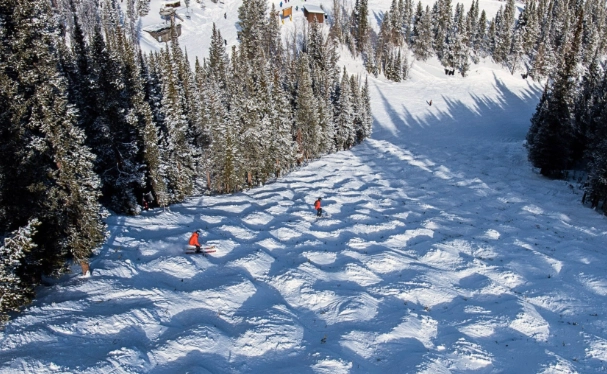
What You'll Learn in This Guide
What Are Moguls and Why Are They So Hard?
Moguls aren't random. They're formed naturally when skiers make similar turns in the same spot, pushing snow into piles. The trough is the path between the bumps. This creates a predictable, if intimidating, pattern. The difficulty comes from three things: timing, absorption, and line choice.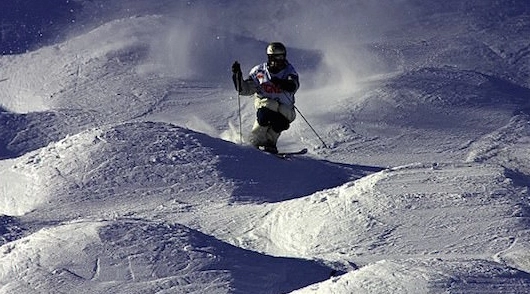
On a groomed run, you control the timing of your turn. In moguls, the terrain dictates the rhythm. If your turn isn't finished when you hit the next bump, you get thrown off balance. Your legs have to act like shock absorbers, compressing as you go up the side of a bump and extending as you go down into the trough. Most people lock their legs stiff, which transmits every impact straight to their spine.
And then there's the mental game. You stare at a wall of snow and your brain screams "danger!" You panic, lean back, and lose all control. Sound familiar?
Key Insight: Moguls aren't obstacles to be survived. Think of each one as a platform that helps you turn. Your skis should spend most of their time in the smooth snow of the troughs, using the sides of the bumps to guide and complete your turns.
The Essential Mogul Skiing Mindset
Forget everything you think you know about looking cool. Mogul skiing is humbling. Your first goal is not elegance, it's management. Manage your speed. Manage your balance. Manage your fear.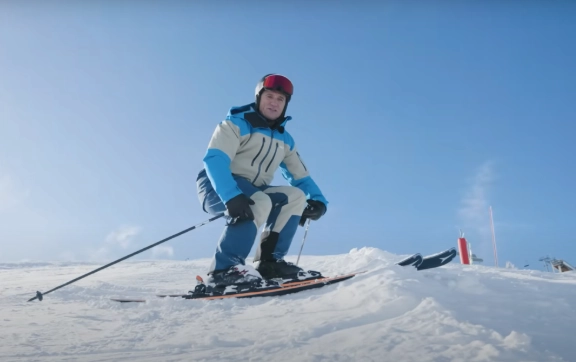
Speed is not your friend until you have the technique to control it. Start slow. Painfully slow. Use the sides of the run as a safety net. Your upper body should be quiet and facing downhill—imagine a laser beam shooting from your chest straight down the fall line. Your head should be up, looking 3 or 4 bumps ahead, not at your ski tips. Your hands? Keep them in front of you, always. This forward posture is non-negotiable. It's the antidote to the deadly "backseat."
How to Turn in Moguls: The Core Technique
This is the mechanical heart of it. We break it down into two linked movements: absorption and turning.
The Absorption: Your Legs as Springs
As your skis climb the face of a mogul, let your knees pull up toward your chest. Don't bend at the waist. As you crest the bump and start down into the trough, push your feet down, extending your legs. This up-and-down motion keeps your upper body level and smooth. Practice this on a single, gentle mogul off to the side of a run. Just go over it, focusing only on the leg compression and extension.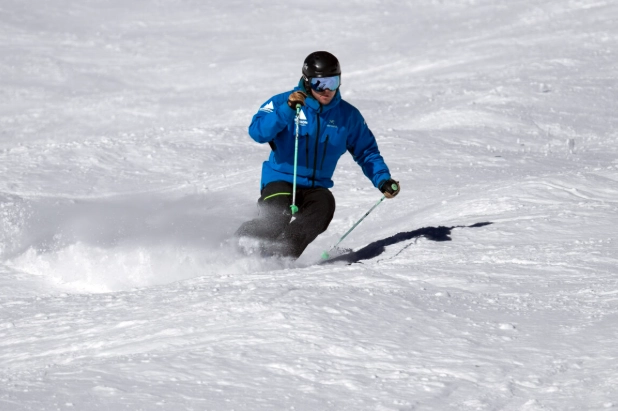
The Turn: Pivot, Don't Carve
In moguls, you need to turn quickly. A hard-set carving edge will hook and send you flying. You need a pivoted or skidded turn. As you absorb and your skis become light near the top of the bump, that's your moment. Use your feet and lower legs to quickly steer the ski tails around, guiding them into the next trough. The turn is initiated and finished rapidly, in rhythm with the terrain. The Professional Ski Instructors of America (PSIA) emphasizes this quick steering action as fundamental to advanced skiing, and it's never more critical than in the bumps.
The most common technical flaw I see? People try to turn their entire body, shoulders and all. This throws your balance out the window. The turn comes from the feet and ankles, with the upper body remaining stable and facing downhill.
Reading the Terrain: Choosing Your Line
You don't have to ski every bump. Look for a path. The fall line is the most direct route down, following the steepest gradient. It's fast and often has the most defined bumps. The zipper line is a classic, slightly to one side of the main fall line, where bumps are often more uniform.
As a beginner in moguls, look for lines that connect the troughs. You're basically skiing a winding, bumpy path. Avoid the temptation to go straight over the tops. That's called "double pumping" and it's exhausting. Your plan should be set 3-4 bumps ahead. See a nasty, icy bump coming? Your eyes will have already found the smoother trough to its right, and your body will follow.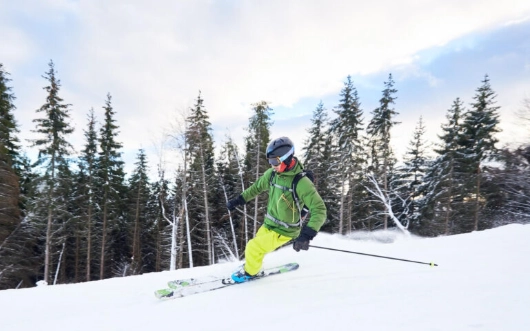
How to Practice Mogul Skiing Safely
Don't just point yourself into a black diamond mogul field and hope for the best. That's a recipe for a bad time.
- Find the Right Terrain: Look for a short, low-angle mogul field, often forming naturally on the side of a blue groomer. Resorts like Winter Park in Colorado or Killington in Vermont are famous for having great, progressive mogul runs for learning.
- Isolate the Skills: Spend a run just doing the absorption motion on easy bumps. Next run, practice quick pivot turns on a flat cat track. Then put them together.
- Use the Sides: Ski one or two bumps at the very edge of the run, then ski out to the smooth snow to control speed and reset.
- Take a Lesson: A single lesson with a certified instructor focusing on bumps is worth ten days of struggling on your own. They'll give you immediate, personalized feedback.
Gear Considerations for Moguls
You can ski moguls on anything, but the right tool makes a massive difference. Your all-mountain, 100mm-underfoot powder skis are the worst choice. They're heavy and hard to pivot.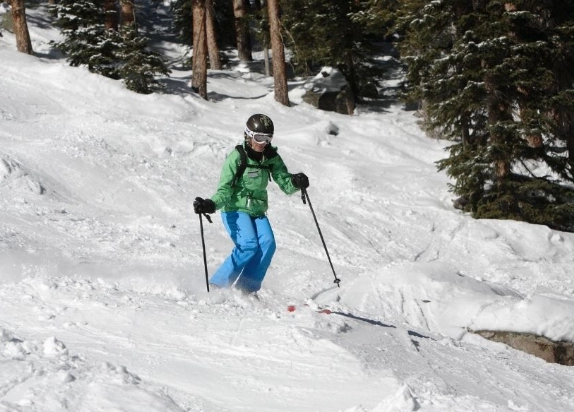
Look for a ski with these traits if moguls are a priority:
- Softer Flex: Especially in the tip and tail, to absorb shocks and be forgiving.
- Narrower Waist: Under 85mm. Less width means quicker edge-to-edge transition.
- Shorter Turn Radius: A sidecut designed for short turns (e.g., 14-17m) will feel more natural in the bumps.
- Boots Matter Too: A boot that is too stiff can be unforgiving. A good bootfitter can ensure your boots provide support without forcing your legs to fight them.
Rental shops at major resorts often have dedicated "frontside" or "carving" skis that fit this bill perfectly.
Your Mogul Skiing Questions Answered
Let's tackle some specific things you might be wondering but don't often see in generic guides.
The path to confident mogul skiing is a series of small, manageable steps. It's about understanding the physics of the terrain and your body within it. It's not about being the fastest or the most aggressive. It's about finding a flow. The first time you link a few turns together smoothly, feeling your legs work with the bumps instead of against them, you'll get it. That moment of rhythm is what keeps us coming back. Now go find some soft snow and gentle bumps, and start the puzzle.