Let's cut through the marketing. A ski vacation doesn't have to break the bank, but sticker shock is real if you don't know where the money goes. I've been planning trips and watching budgets for over a decade, and the biggest mistake I see is people only budgeting for the lift ticket and flight. The real skiing cost is a sum of six parts, and the "hidden" ones are what sneak up on you. This guide gives you the real numbers, from $500 weekend getaways to $5,000 luxury weeks, and shows you exactly how to control each part.
What You'll Find in This Guide
- How to Calculate Your Total Ski Trip Cost
- Lift Tickets: The Single Biggest Expense (And How to Slash It)
- Ski Gear: To Rent or to Buy? A Long-Term Cost Analysis
- Getting There & Staying There: Smart Choices Beyond the Slope
- Fuel for the Slopes: Managing Your Food and Drink Budget
- The Other Stuff: Lessons, Insurance, and Souvenirs
- 10 Actionable Tips to Ski on a Budget
- Your Ski Trip Budget Questions Answered
How to Calculate Your Total Ski Trip Cost
Think of your budget as a pie chart. For a typical 5-day trip for two to a major North American resort, here's where the money usually goes. These are mid-range estimates, not bare-bones or luxury.
| Cost Category | Estimated Cost for Two (5 Days) | Percentage of Total Budget | Biggest Budget Lever |
|---|---|---|---|
| Lift Tickets | $1,000 - $1,400 | 30-35% | Multi-day passes, season passes, resort choice |
| Accommodation | $800 - $1,500 | 25-30% | Location (slopeside vs. town), booking timing |
| Travel (Flights & Car) | $600 - $1,200 | 15-25% | Flexible dates, airport choice, car rental size |
| Ski Gear (Rental) | $250 - $400 | 8-10% | Advanced online booking discounts |
| Food & Drink | $400 - $800 | 10-15% | Self-catering vs. eating out every meal |
| Other (Lessons, etc.) | $100 - $300 | 3-7% | Planning vs. on-the-spot decisions |
| TOTAL ESTIMATE | $3,150 - $5,600 | 100% | Every decision compounds |
See how lift tickets and accommodation dominate? That's your focus. A family of four can easily see these numbers double. The goal isn't to scare you—it's to show you the levers. Pull the right ones, and you can shave 30% off without feeling like you're missing out.
Lift Tickets: The Single Biggest Expense (And How to Slash It)
Walking up to the ticket window is financial suicide. A single-day ticket at Vail or Whistler can crest $250. That's insane. But you don't pay that.
How Can I Save Money on Lift Tickets?
Never, ever buy a single-day ticket at the window. Your first stop should be the resort's website, looking for advanced purchase discounts. Buying online 7+ days out often saves 20-30%.
The real game-changer is the multi-resort season pass. The Epic Pass (Vail Resorts) and Ikon Pass (Alterra) have reshaped the industry. If you ski 5+ days a year, they almost always pay for themselves. Even for one trip, do the math: a 5-day Epic Pass might cost $500, while 5 window tickets could be $1,250.
Resort choice is huge. Smaller, independent hills or resorts further from a major airport (think Big Sky vs. Park City, or Kicking Horse vs. Whistler) often have more reasonable lift ticket prices. The trade-off is usually travel convenience.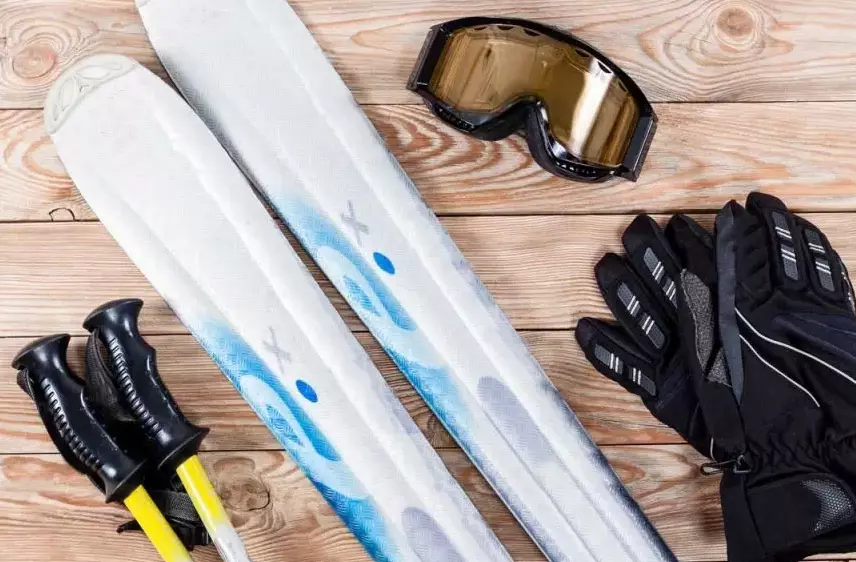
Ski Gear: To Rent or to Buy? A Long-Term Cost Analysis
This is a classic beginner dilemma. Renting seems easy, but buying feels like an investment. Here's the breakdown.
Is Renting or Buying Ski Gear Cheaper?
For your first 1-3 trips, renting is almost always the smarter financial choice. A quality intermediate rental package (skis, boots, poles) runs $40-$60 per day. Over a 5-day trip, that's $200-$300.
Buying new mid-range gear? Skis: $500-$800. Boots: $300-$500. Bindings: $200-$300. Poles: $50. You're looking at a $1,000+ initial outlay. You'd need to ski 15-20 days for that to break even versus rentals, not including maintenance and the hassle of traveling with gear.
But here's the non-consensus part: buy your own boots first, rent skis. Ill-fitting rental boots ruin more days than bad skis. Get professionally fitted for boots—it's the best money you'll spend. Then rent demo skis, which are higher quality and you can try different models. This hybrid approach gives you comfort and performance without the full cost.
For clothing, don't buy a $1,000 outfit. Layer with technical fabrics you might already own (fleece, synthetic base layers). Buy a decent waterproof shell and pants, and rent the rest (helmet, goggles) if needed.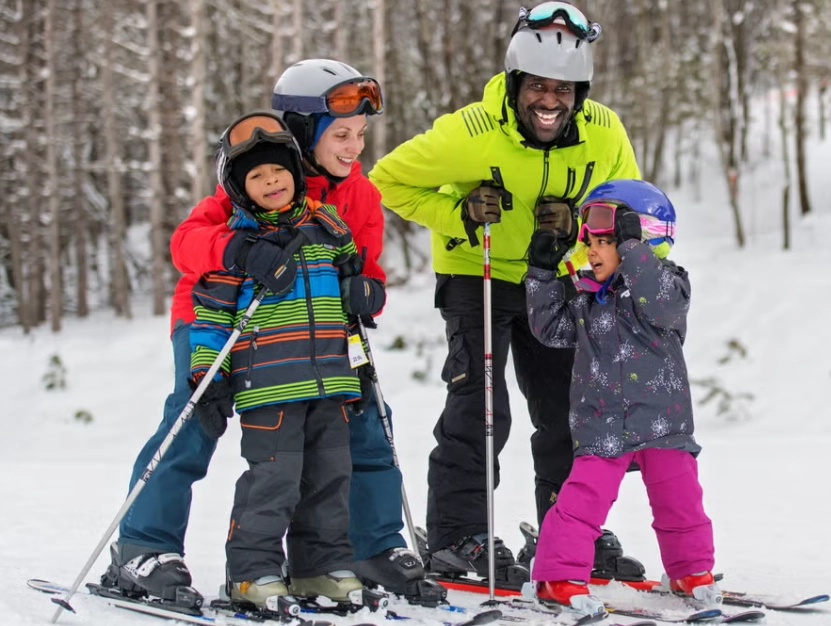
Getting There & Staying There: Smart Choices Beyond the Slope
"Ski-in/ski-out" is the dream, and you pay a 50-100% premium for it. Is it worth it? Sometimes, but not always.
Accommodation: A condo or apartment with a kitchen is the ultimate budget tool. Cooking breakfast and making lunches saves a fortune. Look for towns 10-20 minutes from the base by shuttle. Dillon or Silverthorne for Breckenridge, for example. The shuttle pass is cheap, the nightly rate is half, and you have a kitchen.
I once stayed in a dated but clean motel in Snoqualmie Pass, a 5-minute drive from the lifts, for $120/night. The slopeside hotel was $400. That $280/night difference paid for our entire trip's rental car and dinners.
Travel: Flying into a secondary airport can save hundreds. Instead of Jackson Hole (JAC), look at Idaho Falls (IDA). Instead of Zurich for Swiss Alps, try Milan or Geneva and take a train. Be flexible with dates—midweek travel is always cheaper for flights and lodging.
Consider the train in Europe or the Northeast USA. It's often relaxing, scenic, and drops you in the village, eliminating a costly car rental and parking fees.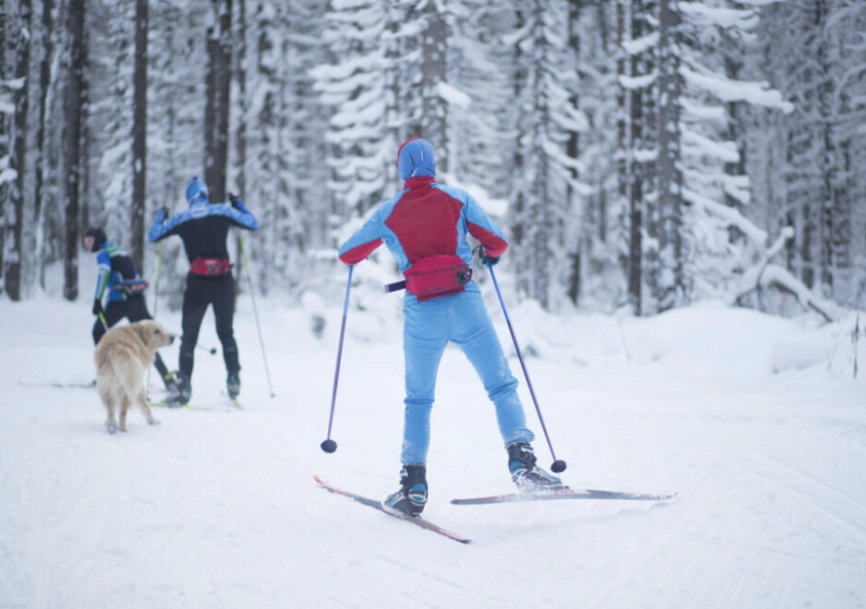
Fuel for the Slopes: Managing Your Food and Drink Budget
This is the silent budget killer. A burger and beer at a slope-side lodge? $30. Dinner for two at a nice restaurant? $100+ with wine. Do that every day and watch your budget evaporate.
Strategy is everything. Pack your lunch. It sounds simple, but few do it. Make sandwiches, pack snacks, bring a thermos. You save money, time (no lunch lines), and you can eat on a sunny deck.
Book accommodation with a kitchen. Have breakfast in, cook dinner 3-4 nights, and splurge on 2-3 nice meals out. Hit the local supermarket on day one. Stock up on pasta, sauces, frozen pizza, eggs, bacon.
For apres-ski, buy a six-pack from the store and enjoy it on your balcony instead of paying $10 per beer at the bar. The vibe is different, but your wallet will thank you.
The Other Stuff: Lessons, Insurance, and Souvenirs
These are the line items people forget until they're there.
Ski Lessons: Group lessons are great value, especially for beginners. Private lessons are a luxury. Book in advance online for the best rates. Sometimes, a 3-day lesson package includes a lift ticket discount.
Travel Insurance: Don't skip it. A broken leg or a storm that cancels your flight can cost thousands. Get a policy that covers medical evacuation and trip interruption. It's a small percentage of your total trip cost for huge peace of mind.
Resort Fees & Parking: Many hotels charge mandatory resort fees. Self-parking at a resort can be $30-$50 per day. Factor these in when comparing lodging prices.
10 Actionable Tips to Ski on a Budget
- Buy lift tickets online, months in advance. This is rule number one.
- Crunch the numbers on a season pass (Epic, Ikon, or regional) even for one trip.
- Stay slightly off the mountain in a condo with a kitchen and use the shuttle.
- Fly mid-week and be flexible with your airport choices.
- Rent your gear from an off-mountain shop in town, not at the resort base. They're cheaper.
- Pack your lunch and snacks every single day.
- Buy your own well-fitted boots first, then rent demo skis.
- Go early or late season. Prices drop, crowds thin, but snow can be riskier.
- Look for package deals that bundle lift, lodging, and sometimes rentals.
- Set a daily spending budget for food/drink/souvenirs and stick to it with cash.