In This Guide
- What Makes Freeride Skiing Different (And Why Your Gear Matters)
- The Core Components of Your Freeride Skiing Gear
- Building Your Freeride Ski Setup: Matching Gear to Your Style
- The Non-Negotiables: Avalanche Safety Gear
- Apparel & Accessories: Staying Dry, Warm, and Seeing Where You're Going
- How to Choose Your Freeride Skiing Gear: A Practical Flowchart
- Common Freeride Skiing Gear Questions Answered
Let's be honest. You see those videos – skiers floating through untouched powder, dropping into steep chutes, making turns where there are no turns. It looks incredible. It feels like freedom. And then you look down at your own skis, the ones you use to cruise groomers, and you wonder: what do I actually need to get out there?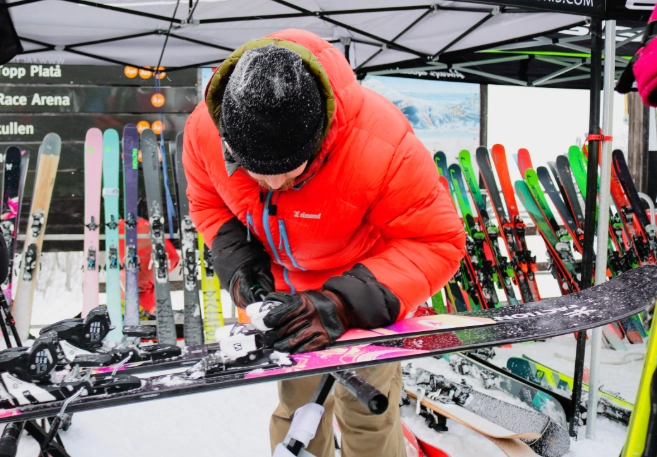
That's the question this guide answers. We're not just listing products. We're talking about building a freeride skiing gear system that works for the specific demands of the backcountry and off-piste terrain. It's about understanding why a freeride ski is shaped differently, why your binding choice is a safety decision, and why that expensive jacket might be worth every penny when the weather turns.
I've made my share of mistakes. I've bought skis too wide for my local hills, regretted cheaping out on goggles in a whiteout, and learned the hard way that cotton is a death fabric in the wet. This guide is what I wish I'd had.
What Makes Freeride Skiing Different (And Why Your Gear Matters)
Freeride skiing isn't just skiing off the side of a run. It's a mindset that takes you away from the controlled, manicured environment of the resort. You're dealing with variable snow (deep powder, heavy crud, wind-scoured ice), complex terrain (trees, cliffs, gullies), and no ski patrol to quickly dig you out. Your gear stops being just about performance and starts being about safety, reliability, and self-sufficiency.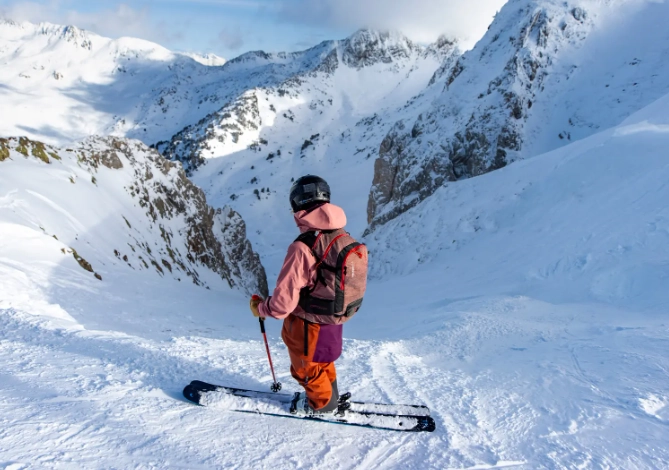
The right freeride skiing gear does three key things: it helps you float and pivot in deep snow, it gives you the control to handle steep and unpredictable terrain, and it keeps you alive and comfortable in harsh, remote conditions. Get one part wrong, and the whole day – or worse – can be compromised.
The Core Components of Your Freeride Skiing Gear
Building your setup is like putting together a puzzle. All the pieces need to fit together and match the picture you have in mind – which is the type of skiing you actually plan to do.
Skis: The Foundation of Your Float
This is where most people start, and for good reason. Your skis define the feel of every turn. Forget what you know about slalom carvers. A freeride ski is built for stability and forgiveness in soft, uneven snow.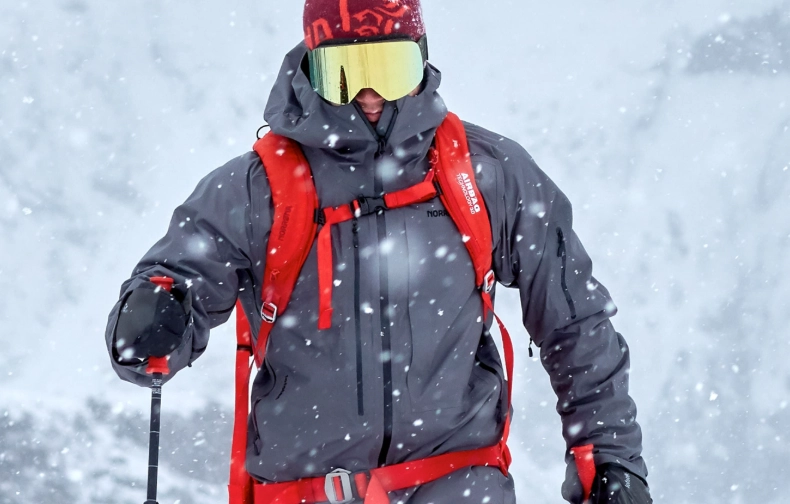
Here’s what to look for:
- Width: This is the waist width, measured in millimeters underfoot. For true freeride and powder, you're looking at 100mm and up. I find the sweet spot for a one-ski-quiver that can handle some resort days is between 105mm and 115mm. Go too wide (like 130mm+) for your first pair and they'll be a nightmare on anything hard.
- Shape & Rocker: Early rise or "rocker" in the tip and tail helps the ski pivot easily in powder and prevents the tips from diving. Most modern freeride skis have rocker in the tip, some in the tail ("rocker/camber/rocker" profile), and camber underfoot for edge grip.
- Flex: You want a medium-stiff to stiff flex. It provides stability at high speeds in choppy snow. A super soft ski will get knocked around and feel unpredictable.
- Length: Freeride skis are often skied slightly shorter than race skis. A good rule of thumb is somewhere between your chin and the top of your head. Shorter = more maneuverable in trees, longer = more stable at speed.
Bindings: The Critical Link
Bindings are not just a piece of plastic. They're your connection to the ski and a key safety release system. For freeriding, you have two main paths, and it's a big decision.
| Type | Best For | Key Feature | Consideration |
|---|---|---|---|
| Alpine (Resort) Bindings | Skiers who spend 80%+ of their time in-bounds, hitting side-country or short hikes. Prioritizes downhill performance and power transfer. | Highest DIN range, most robust construction. Simple step-in functionality. | Heavy. Not designed for walking. If you plan to do any significant skinning, these are the wrong tool. |
| Frame Touring Bindings | Beginners to backcountry, or those who want one setup for 50/50 resort and touring. A good compromise. | Heel piece lifts to allow a flat walking surface. Releases like an alpine binding. | Heavy and inefficient for long tours due to the frame. Still feels solid skiing down. |
| Tech (Pin) Bindings | Dedicated backcountry skiers, long tours, weight-conscious riders. The standard for serious touring. | Ultra-lightweight. Specific tech fittings on boots required. Excellent range of motion for walking. | Entry/exit is less intuitive. Some argue release characteristics differ from alpine bindings (though modern ones are excellent). Requires compatible boots. |
My take? If you're even remotely curious about climbing a peak to ski down it, lean towards a hybrid or tech binding from the start. The weight savings on the way up is a game-changer. I made the switch to tech bindings a few seasons ago and won't go back for any tour longer than 30 minutes.
Boots: Where Comfort Meets Control
You can have the best skis in the world, but if your feet are screaming, you're done. Freeride boots need to be stiff enough for powerful driving, but often incorporate "walk mode" mechanisms for hiking.
Boot fitting is personal and critical. Go to a professional bootfitter. Seriously. Don't just buy online based on size. Your foot shape, arch, and calf size matter more than the brand. A good fitter will measure your foot, look at its shape, and recommend boots they can then heat-mold to you. It's worth every extra dollar.
For freeride, look for a boot with a stiff flex (100-130) and a walk mode if you plan to hike. A resource like Blister's Boot Buyer's Guide is great for research, but let the fitter make the final call.
Building Your Freeride Ski Setup: Matching Gear to Your Style
Not all freeride skiing is the same. Are you blasting big Alaskan faces or sneaking through New England glades? Your gear should reflect that.
Let's break down some common profiles:
- The Resort Charger / Side-Country Explorer: You love the resort but dip into the gates or short hikes for fresh lines. Your freeride ski setup is a powerful, damp ski (105-115mm underfoot) with a sturdy alpine or frame binding. Boots are stiff, focused on downhill performance. This setup prioritizes the ride down over the climb up.
- The 50/50 All-Rounder: You split your time evenly between lift-served and human-powered skiing. You need versatility. A medium-weight freeride ski (100-108mm) pairs well with a hybrid frame binding or a lighter tech binding. Boots must have an excellent walk mode and a stiff enough flex for resort chop.
- The Dedicated Tourer / Powder Hound: You're in it for the journey. You'll skin for hours to find the perfect line. Your gear is all about efficiency uphill without sacrificing too much down. Lightweight skis with tech bindings and touring-specific boots are your tools. Think sub-1800g per ski and boots with a great range of motion.
The Non-Negotiables: Avalanche Safety Gear
This isn't optional. If you leave the resort boundary, this gear comes with you. Full stop. It's the most important part of your freeride skiing gear kit.
- Transceiver (Beacon): This transmits and receives a signal to locate a buried partner. Modern digital beacons are incredibly intuitive. Practice with it monthly. Brands like Mammut, BCA, and Arva are standards.
- Probe: A collapsible pole to physically locate and assess the depth of a burial. 240cm or longer is recommended. Don't get the cheapest, flimsiest one.
- Shovel: A strong, metal-bladed shovel with an extendable handle. Plastic blades break in hard snow. You need to move cubic meters of snow, fast.
You wouldn't go scuba diving without checking your air. Don't go into avalanche terrain without checking your partners' beacons and knowing how to use your gear. Take an AIARE or equivalent avalanche safety course. It's the best investment you'll make in this sport.
Beyond the big three, consider an avalanche airbag pack. It's not a guarantee, but it increases survival odds. Also, a simple first-aid kit and a way to communicate (satellite messenger like a Garmin inReach in areas without cell service) are part of being responsible.
Apparel & Accessories: Staying Dry, Warm, and Seeing Where You're Going
Resort fashion doesn't cut it out there. You need a technical layering system.
- Base Layers: Merino wool or synthetic. No cotton. It retains moisture and kills insulation.
- Mid Layer: A lightweight fleece or synthetic insulated jacket for warmth.
- Outer Shell: A waterproof/breathable (look for Gore-Tex or similar) jacket and pants. Pit zips are a lifesaver for temperature regulation. Durability matters against tree branches and rock.
- Gloves: A sturdy, waterproof pair. I carry a thin liner glove for delicate work (adjusting bindings, using a phone) and a heavy-duty mitten for the descents and emergencies.
- Goggles & Helmet: Two lenses: a low-light (yellow/rose) lens for storms and flat light, and a dark lens for sunny days. A helmet is non-negotiable. Look for lightweight models with good ventilation.
How to Choose Your Freeride Skiing Gear: A Practical Flowchart
Feeling overwhelmed? Think of it as a series of questions.
Start with your boots. Get professionally fitted. This determines if you need a "tech compatible" boot for pin bindings.
Then, decide on your binding type based on how much walking/skinning you'll do. This choice often influences the ski choice (some skis are only drilled for tech bindings).
Finally, pick the ski that matches the terrain you ski most, within the width and weight range that fits your binding and boot plan.
Budget for everything at once: skis, bindings, boots, poles, safety gear, pack, and apparel. It adds up quickly, but buying piecemeal often leads to mismatched components.
Common Freeride Skiing Gear Questions Answered
Here are the things I get asked most often, or the questions I see people searching for.
Can I use my all-mountain skis for freeriding?
Yes, to a point. A 95mm all-mountain ski is fine for a few inches of fresh on a side-country run. But for true deep powder days or variable backcountry snow, you'll be working much harder. A dedicated freeride ski will be more stable, float better, and be more forgiving. It's the difference between a sedan and a 4x4.
How much should I spend on my first avalanche beacon?
Don't buy the absolute cheapest model. Get a modern, three-antenna digital beacon from a reputable brand. It's a lifesaving device. Look for sales on previous year's models from brands like BCA, Ortovox, or Mammut. Expect to spend $250-$400. Then budget for the probe and shovel.
Is lighter always better for skis and bindings?
For touring, yes, up to a point. Lighter gear is less fatiguing on the uphill. But there's a trade-off: extremely light skis can get deflected in heavy or choppy snow, and very light bindings may have lower DIN limits. Find the balance for your typical use. A ski that's 300g lighter per pair is noticeable on the climb; 100g probably isn't.
Do I need different poles?
For any touring, adjustable-length poles are essential. You shorten them for the uphill for better efficiency and lengthen them for the descent. Look for durable, lightweight aluminum or carbon models with large powder baskets.
How do I maintain my gear in the offseason?
Clean everything. Skis get a summer wax coat to protect the bases. Dry out your boots completely, loosen all the buckles, and store them in a cool, dry place. Check your beacon batteries (remove them if not using for months). Wash your shells and layers according to their instructions to restore water repellency. A little care makes everything last years longer.
Putting together your freeride skiing gear is a journey. It's expensive, and it can be confusing. But when you're standing on a ridge with a setup you trust, knowing every piece was chosen for this moment, it all makes sense. Start with the essentials – safety and boots – and build out from there. The mountains aren't going anywhere.
Got a specific question I didn't cover? Drop it in the comments below. I'm not a certified guide, but I've spent enough time fussing over gear and making my own mistakes that I might be able to point you in the right direction.