You push off, the morning sun glinting off the groomer track. It looks perfect. Then you hit that first turn. The sound changes from a soft shush to a harsh scrape. Your skis don't bite, they skid. Your heart rate spikes. That's ice. Or hardpack, or frozen granular—whatever you call it, it feels like the mountain just turned against you.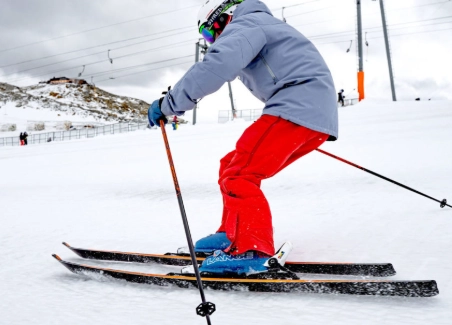
Most skiers hate it. They tense up, lean back, and fight for survival. But here's the secret most intermediate guides won't tell you: ice isn't an obstacle, it's a teacher. It ruthlessly exposes flaws in your technique that powder kindly hides. Learning how to ski on ice isn't just about surviving a blue-square in Vermont; it's about unlocking a level of precision, balance, and confidence that makes you a better skier everywhere.
I've taught in the Ice Coast trenches for over a decade. The skiers who master this aren't the ones with superhuman strength. They're the ones who understand a few key principles and have the right tools. Let's ditch the fear and build some skills.
What You'll Learn
Before You Push Off: Mindset and The Gear You Can't Ignore
You can't build a house on sand, and you can't build ice technique on dull edges. This is the single biggest point of failure. If your skis can't grip, your body won't either.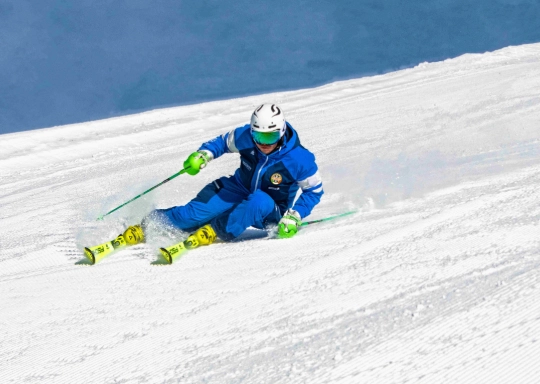
Your boot setup is next. A stiff boot provides a direct connection to your ski. If your boot is too soft, you'll waste energy flexing the plastic instead of driving the edge into the snow. It doesn't need to be a racing plug boot, but it should feel responsive.
Now, mindset. Stop calling it "ice" in your head with a sense of dread. Call it "hard snow" or "firm conditions." Your mental narrative matters. Your goal isn't to conquer it through force, but to collaborate with it through precision. Tension is your enemy. Ice rewards calm, deliberate action.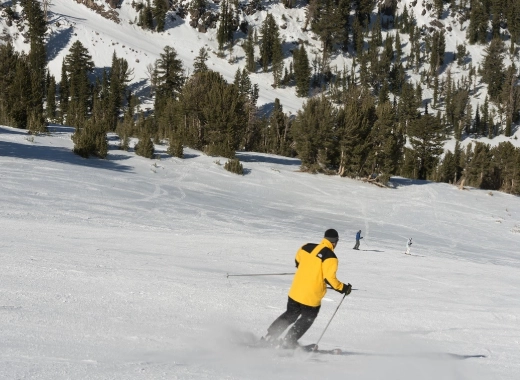
Skis That Help (And Ones That Hinder)
You can ski ice on any ski if your technique is superb, but why make it harder? A ski with a narrower waist (think 70mm-85mm underfoot) and traditional camber will engage its edge faster and with less input than a wide, rockered powder ski. The latter wants to pivot and smear—great for soft snow, disconcerting on ice.
I see people on 100mm+ all-mountain skis fighting for their lives on a hard-packed morning. They're working five times harder than the person on the 78mm frontside ski next to them.
The Core Technique: Pressure and Patience, Not Power
On soft snow, you can get away with rotary movements—twisting your skis around. On ice, that's a fast track to a sideways slide. The fundamental movement for skiing on ice is edging, not turning.
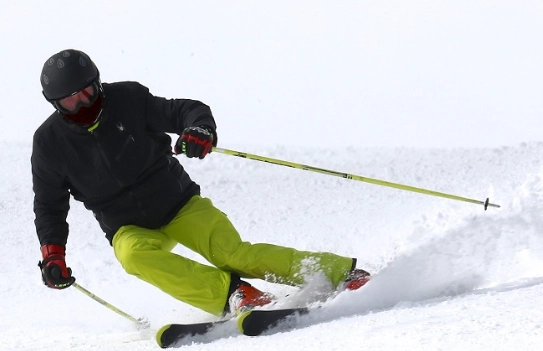
Here's the nuanced part everyone misses: It's not about leaning your whole body over. It's about creating a clean, high edge angle with your ski while keeping your body largely over its base. Imagine you're on railroad tracks. Your skis tip onto their edges, but your mass stays centered between them.
Key movement: Initiate the turn by rolling your knees and ankles downhill. Feel the cuffs of your boots press against your shins. This subtle, lower-body action sets the edge. The turn then happens as a result of that edge gripping, not because you muscled the ski around.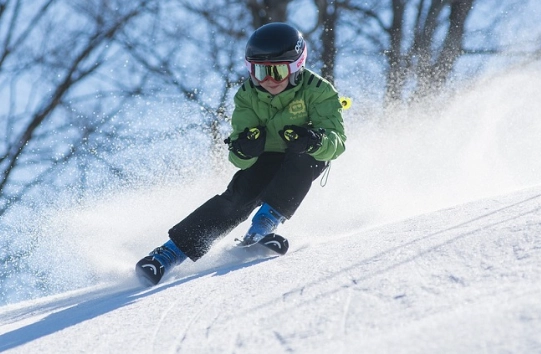
From the Green to the Blue: A Drill Progression
Don't try this on a steep, icy black diamond first. Find a gentle, firm slope—even a green circle. The goal is sensation, not speed.
Drill 1: The Sideslip (Finding the Edge)
Traverse across the slope. Slowly roll your knees downhill until your edges bite and you stop moving across the hill. You should be facing across the slope, standing on your downhill edges. Now, gently flatten your skis and let them slip downhill a few feet. Re-engage the edge to stop. This teaches you the exact point where your edge engages and releases. Do this for 5 minutes. It's boring. It's also the most important exercise here.
Drill 2: The J-Turn (From Slip to Grip)
Point your skis straight down the fall line on your gentle slope. Let yourself slide straight for a second. Now, roll your knees and ankles steadily to one side (say, the right). Don't jerk. Apply gradual pressure. Feel your right ski's edge start to hook up. It will begin to pull you into a right-turn arc, making a "J" shape. Finish across the hill. This drill isolates the edging movement without any rotary input. Do it left and right until it feels controlled.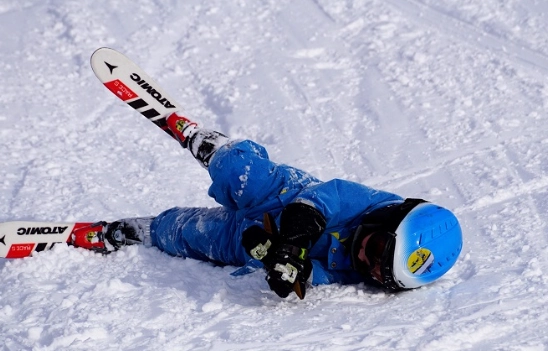
Drill 3: Fan Turns (Linking with Rhythm)
Make a turn. As you finish, instead of going back across the hill, immediately roll your edges the other way to start the next turn. Keep your upper body facing downhill—let your legs work underneath you. Make a series of turns that fan out across the slope. Focus on the transition between edges. On ice, a quick, smooth transition is safer than a long traverse where you might lose edge hold.
The Subtle Mistakes That Kill Your Grip
Even with sharp skis, these habits will undo you. I see them every day.
Leaning Back (The Survival Instinct): The moment you get scared, you sit back. This lightens the front of the ski, where the steering and primary edge contact happen. The tail then washes out. You feel out of control, so you lean back more. It's a vicious cycle. Fix: Consciously press your shins into the front of your boots. Keep your hands forward and visible.
Stiff, Straight Legs: Locked legs transfer every bump and chatter directly to your core, bouncing you off your edges. Fix: Maintain a slight, athletic flex in your knees and ankles. Let them act as shock absorbers. Think "quiet feet, active ankles."
Looking Down at Your Skis: Your head weighs 10-12 pounds. Look down, and you pull your weight forward and in, collapsing your stance. Fix: Look 2-3 turns ahead. Your body will follow your gaze, promoting better balance.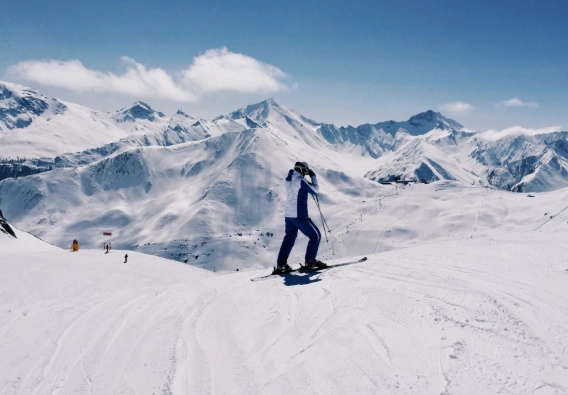
Your Action Plan for an Icy Run
Okay, you're at the top of a run that looks slick. Here's the step-by-step mental checklist.
1. The Assessment: Take the first few turns cautiously. Test the edge hold. Is it a consistent hardpack, or are there patches of pure ice? Listen to the sound. Plan your line to stay on the snow that looks textured, avoiding the obvious glassy patches if possible.
2. The Stance Reset: Check in. Shins forward? Hands up and in sight? Knees soft?
3. The Turn Initiation: Start each turn with a deliberate, patient roll of the ankle and knee. Don't rush it. Wait for the grip.
4. The Management: As the ski arcs, you may need to add or lessen pressure. If you feel it start to slip, don't panic and throw your body around. Try a slight, steady increase in edge angle and forward pressure.
5. The Rhythm: Link turns with a focus on smooth, continuous edge engagement. Shorter, rhythmic turns are more stable and controllable than long, sweeping ones on steep ice.
Remember, the International Ski Instructors Association (ISIA) emphasizes balance and edge control as the foundations of all skiing. Ice is just the purest test of those fundamentals.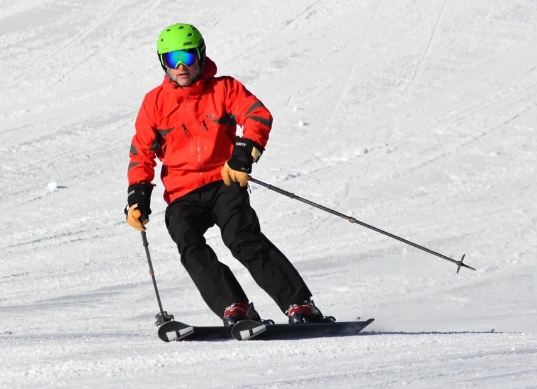
Quick Answers to Your Icy Questions
Is it safe to ski on ice, or should I avoid it completely?
Skiing on well-maintained, hard-packed snow or icy patches is a standard part of the sport in many regions, especially in the East or during cold mornings. The goal isn't to seek out pure ice but to be prepared for it when you encounter it. With proper technique and sharp edges, it can be skied safely. The real danger comes from trying to use soft-snow techniques on a hard surface, which leads to loss of control. Avoiding ice entirely severely limits where and when you can ski.
Do I need special skis or boots for icy conditions?
The most critical factor is edge sharpness, not necessarily the ski model. However, a ski with a narrower waist (under 85mm) and traditional camber will be more responsive and require less effort to engage the edge on ice. Stiffer boots provide better power transmission from your leg to the ski edge, which is crucial for holding on hard snow. Before a trip where you expect firm conditions, get a professional, hand-filed tune with a 1-3 degree side edge bevel. Dull, 'all-mountain' tuned skis are the main reason people struggle.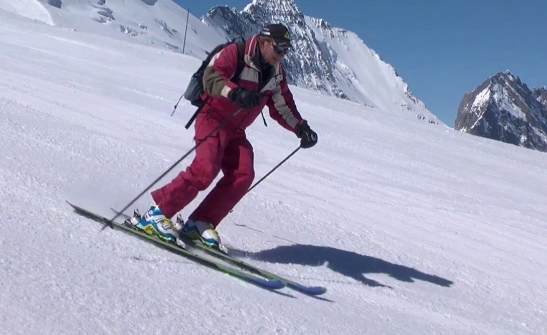
I keep getting bounced around on ice. How do I stay balanced?
That bouncing comes from being in the backseat and letting the ski's chatter dictate your position. Focus on maintaining a strong, athletic forward stance with hands up and forward. Pressure the front of your boot tongue. On ice, your balance point needs to be slightly more forward than on powder to keep the shovel of the ski engaged. Think 'quiet legs' – absorb variations with your ankles and knees while keeping your upper body stable and facing downhill. Let your edges do the cutting, not your whole body fighting for grip.
The final thought? Ice teaches economy of movement. There's no room for wasted motion. When you finally link a series of clean, carved turns on a firm surface, the feeling isn't one of brutal conquest. It's one of quiet precision. That shhhhk-shhhhk-shhhhk sound becomes satisfying, a proof of concept. You stop fearing the conditions and start reading them. That's when the whole mountain opens up.