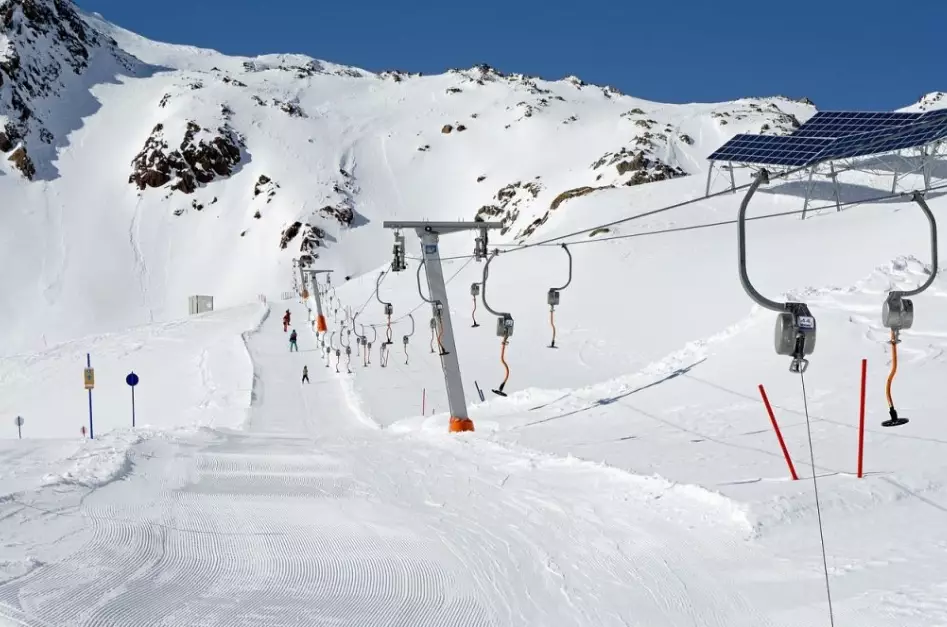
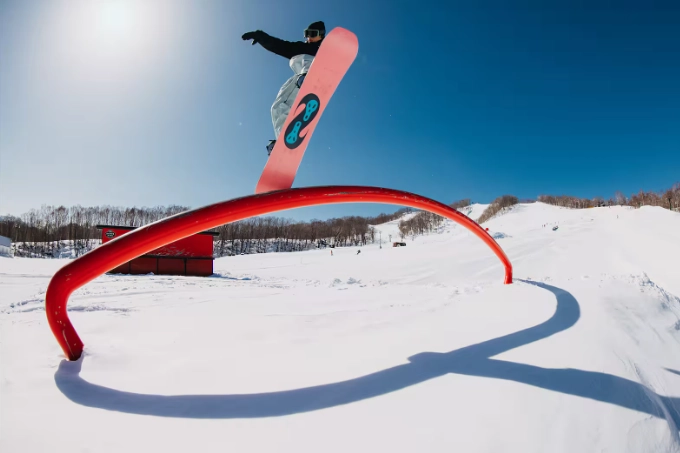
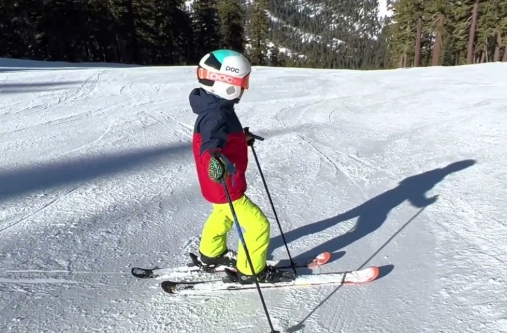
Let's be honest. If you've skied in the last twenty years, you've almost certainly skied on man-made snow. That perfect corduroy on opening day? The packed base that survives a January thaw? The reliable coverage on your favorite run in March? You can thank—or blame—the snow cannon. This isn't just a backup plan anymore; it's the foundation of the entire modern ski economy. Without these machines, the ski season in many regions would be a risky, two-month gamble instead of a reliable four-to-five-month operation. I've watched resorts transform from praying for snow to engineering it, and the technology behind it is more fascinating and complex than most skiers realize.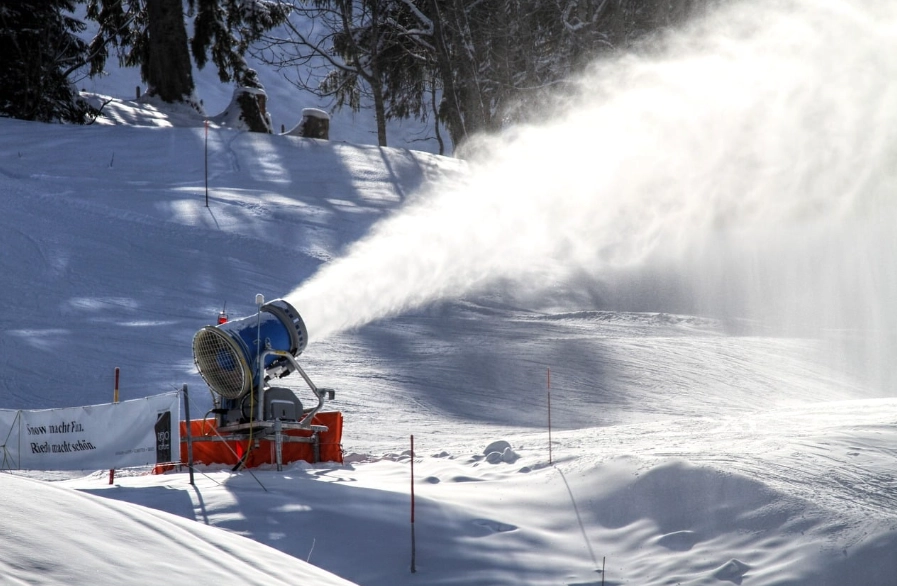
What's Inside This Guide
- Why Snow Cannons Are Non-Negotiable for Modern Ski Resorts
- How Does a Snow Cannon Actually Work? The Science Explained
- Not All Snow Guns Are Created Equal: Types and Efficiency
- The Art and Science of Snowmaking: Operational Insights
- Environmental Impact and the Push for Sustainable Snowmaking
- The Future of Snowmaking: What's on the Horizon?
- Your Snow Cannon Questions Answered (FAQ)
Why Snow Cannons Are Non-Negotiable for Modern Ski Resorts
Think of a snow cannon as business insurance. A bad natural snow year a few decades ago could bankrupt a resort. Today, it's an operational challenge. The International Ski Federation (FIS) now mandates reliable snow cover for World Cup events, making artificial snow a competitive necessity. But it goes deeper than that.
First, it's about season length and predictability. Resorts can confidently advertise opening and closing dates, which is crucial for selling season passes, booking group trips, and staffing. A predictable November 15th opening is worth millions in advanced revenue.
Second, it's about terrain preservation and quality. Natural snow is wonderful, but it's often wind-blown, patchy, or prone to melting. Snowmaking allows crews to build a deep, durable base that protects the underlying soil and grass. It also lets them shape the snowpack—building up landing zones for terrain parks, reinforcing high-traffic areas, and creating consistent conditions from the top to the bottom of a run. This consistency is what keeps intermediate skiers coming back.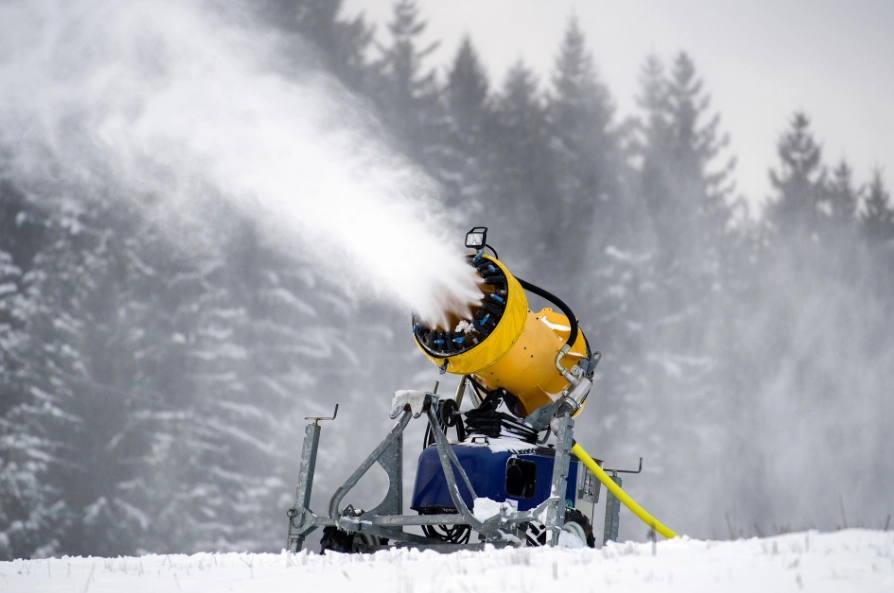
Bottom Line: Snowmaking isn't about replacing natural snow; it's about guaranteeing a product. It de-risks the ski business and standardizes the on-slope experience in a way that weather never could.
How Does a Snow Cannon Actually Work? The Science Explained
Forget the idea of a machine that "makes snow like a cloud." It's more like a high-tech freezing spray. The core principle is simple: you need water, cold air, and a nucleator to give ice crystals a place to start.
Here's the step-by-step breakdown of a typical fan gun, the most common type you'll see on slopes:
1. The Nucleation Event: Creating the Seed
This is the magic trick. Pure water can "supercool" below 0°C (32°F) without freezing. To force it to freeze quickly into tiny ice crystals, you need nucleation sites. Modern snow guns have a separate, small nozzle that injects a nucleating agent—often a biodegradable protein or a very fine mineral dust—into the airstream. These particles give the water molecules something to latch onto, triggering instantaneous freezing.
2. The Water and Air Dance
High-pressure pumps send water up the mountain through a vast network of pipes (the "snowmaking loop"). At the gun, this water is atomized into a super-fine mist by the force of compressed air or the shearing effect of a high-speed fan. The smaller the droplet, the faster it can freeze before hitting the ground.
3. The Critical Role of Temperature & Humidity
This is where most people get it wrong. It's not just about air temperature. It's about wet-bulb temperature—a measure that combines air temperature and humidity. Dry, cold air is ideal because it absorbs moisture from the droplets, cooling them through evaporation (the "latent heat of vaporization" principle) and speeding up freezing. If the air is humid, this evaporative cooling is less effective, and the water may not freeze until it's already on the ground, creating a wet, slushy mess instead of dry snow.
The snowmaking crew's bible is the psychrometric chart, which tells them exactly what combination of temperature and humidity will produce good snow.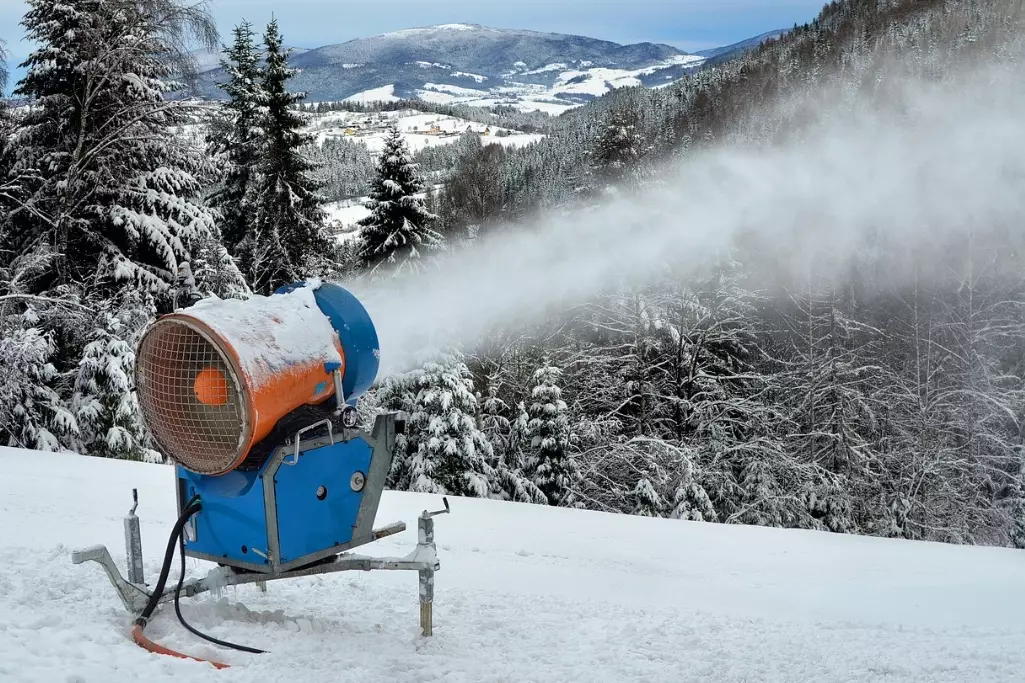
Not All Snow Guns Are Created Equal: Types and Efficiency
Walk around a ski resort and you'll see different structures. Each has pros, cons, and specific jobs.
| Type | How It Works | Best For | Key Consideration |
|---|---|---|---|
| Fan Gun | Uses a powerful electric fan to propel atomized water and air. Often has internal nucleation. | Covering wide, open slopes efficiently. High output in good conditions. | High energy use (for the fan), but very efficient water-to-snow conversion. The workhorse of most resorts. |
| Air-Water Gun ("Lance" or "Stick") | Classic design. Mixes compressed air and water at the nozzle tip. | Precise placement, windy areas, and very cold conditions. Often used for trail edges and starting zones. | Requires a massive, expensive compressed air system. Can be noisy and less energy-efficient overall. |
| Low-Energy Tower Gun | Relies primarily on water pressure and freezing air. Uses minimal or no compressed air. | Cold, dry climates. Excellent for base building with lower operating costs. | Needs near-perfect weather (colder temps) to work effectively. Output can be lower. |
The trend is unmistakably toward high-efficiency, fan-driven systems with advanced nucleation. Resorts are phasing out old air-water guns because the electricity to run the giant compressors is a huge cost. A modern fan gun might use 30% less energy to produce the same amount of snow as a decade-old model. That's a direct line to both lower costs and a smaller carbon footprint.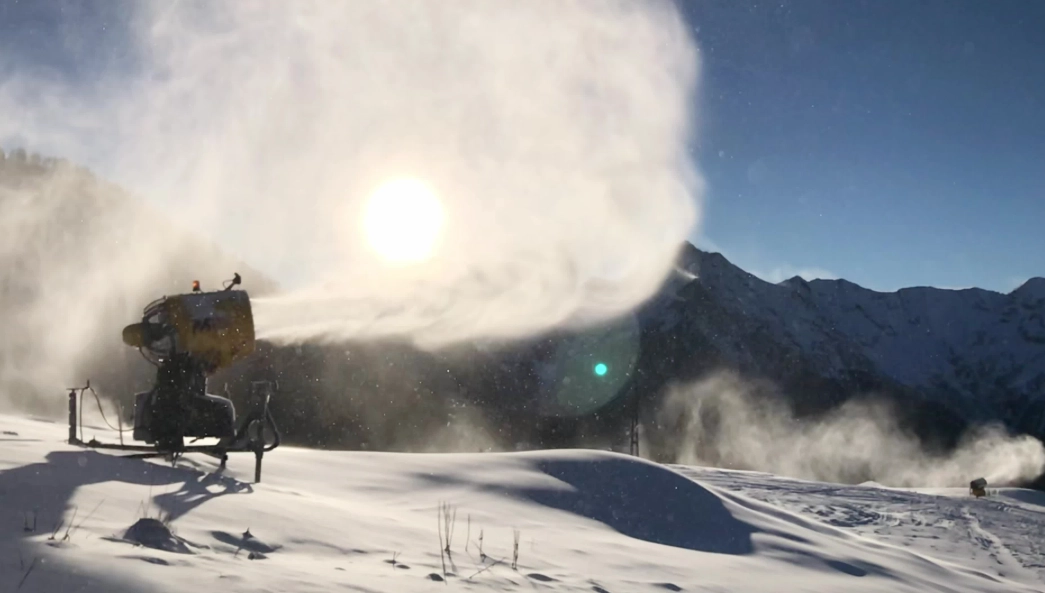
The Art and Science of Snowmaking: Operational Insights
Running a snowmaking system isn't just flipping a switch. It's a 24/7 logistical ballet during those precious cold windows. Here's what really happens behind the scenes.
The Window Watchers: The snowmaking manager's eyes are glued to the wet-bulb forecast. When a 12-hour window of -5°C (23°F) wet-bulb temps is predicted, they call in the crew. It's all-hands-on-deck. The goal is to make as much snow as possible before the temperature rises.
Water, Water Everywhere: You need a huge water source. Most resorts don't tap municipal supplies. They build mountain reservoirs that capture spring runoff. This water is pumped up to on-slope storage ponds and then fed into the snowmaking loop. It's a closed system—the snow melts in spring and flows back into the watershed.
The Terrain Puzzle: You can't just blanket the mountain. You start on north-facing slopes and higher elevations that stay colder. You focus on critical connector trails and main runs first to build a skeleton network. Beginner areas are often a priority because new skiers need the most consistent, forgiving surface.
One mistake I see even some experienced crews make? Not adjusting the gun's water-to-air ratio enough as the night progresses. As temperatures drop further after midnight, you can increase the water flow to make more, slightly wetter (and more durable) snow. As the sun comes up and the wet-bulb temp creeps up, you need to dial back the water to maintain snow quality. It's a constant, manual adjustment if you're not using a fully automated system.
Environmental Impact and the Push for Sustainable Snowmaking
Let's address the elephant in the room. Yes, traditional snowmaking is energy and water-intensive. But the narrative is changing, fast.
The water use sounds alarming—millions of gallons per night. However, because it's primarily sourced from seasonal runoff and returns to the same basin in spring, the net consumption in a watershed analysis is often low. The larger issue is the energy required to pump water thousands of vertical feet and power the guns.
This is where innovation is exploding. Leading resorts are attacking the problem from multiple angles:
Efficient Hardware: As mentioned, new gun designs use less power per cubic meter of snow.
Renewable Energy: Resorts are investing heavily in solar farms, wind power, and biogas to run their snowmaking systems. Some, like Aspen Snowmass, have committed to powering all operations with renewables.
System Automation: Computer-controlled systems can turn guns on and off based on real-time weather data from sensors on the hill, preventing snow from being made in marginal conditions where it's inefficient or produces poor-quality ice.
Water Recycling: Some European resorts are pioneering systems to collect and filter meltwater from the base of slopes to be reused for snowmaking later in the season.
The goal is no longer just to make snow, but to make it as intelligently and sustainably as possible. The U.S. National Ski Areas Association's Sustainable Slopes program has been a major driver of this change.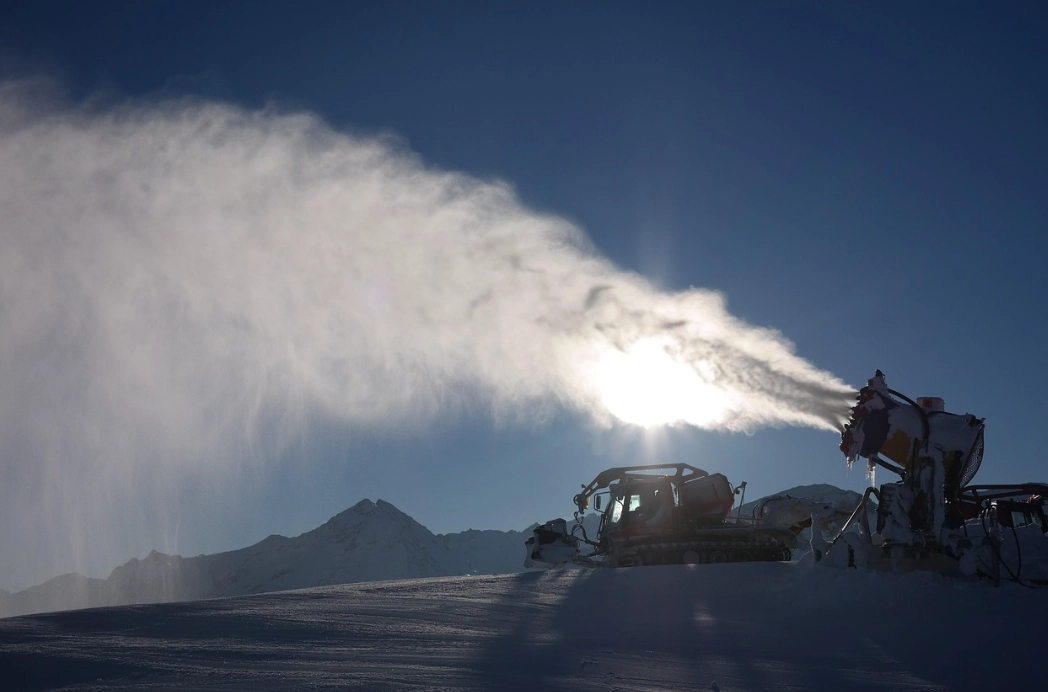
The Future of Snowmaking: What's on the Horizon?
Where do we go from here? The research is focused on two things: efficiency and extending the temperature window.
All-Weather Snowmaking: Companies are testing additives and advanced nucleation technologies that could allow for snow production at wet-bulb temperatures closer to 0°C (32°F). This would be a game-changer, opening up more nights for production.
AI and Machine Learning: Imagine a system that learns the microclimates of every trail. It would predict the optimal time to start each gun, the perfect water/air mix, and automatically direct resources to where they are needed most, all while minimizing energy use. We're in the early stages, but this is the direction.
Decentralized, Mobile Systems: Smaller, trailer-mounted snowmaking units that can be quickly deployed to patch thin spots or build terrain park features on demand, without needing a fixed pipe connection.
The snow cannon has evolved from a crude experiment to a precision instrument. As climate patterns shift, its role will only become more central, and its technology more refined.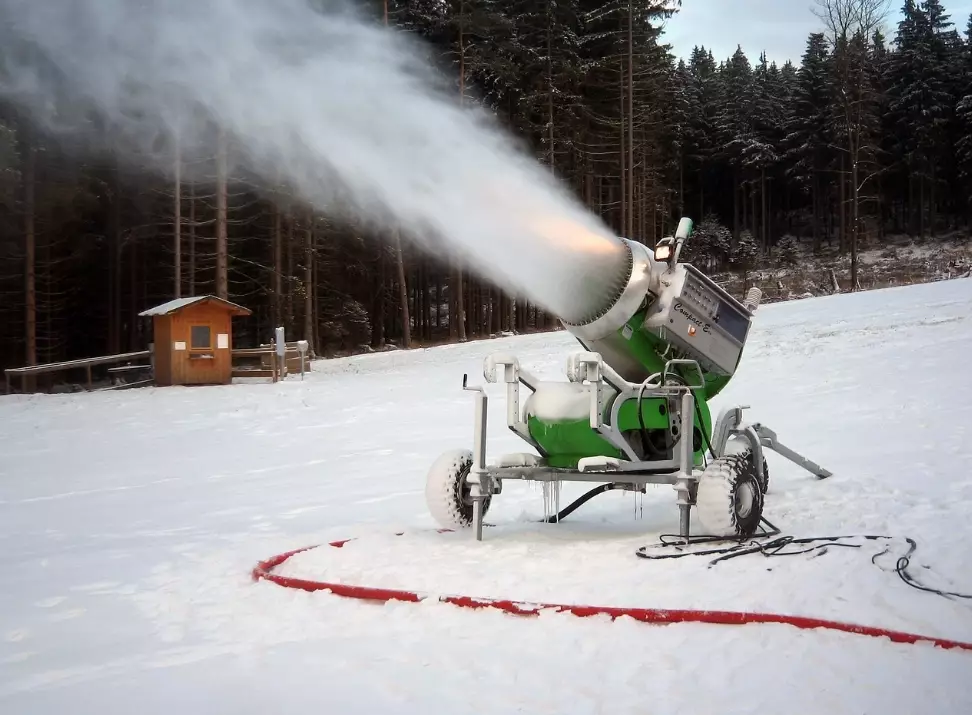
Your Snow Cannon Questions Answered (FAQ)
 Why does man-made snow sometimes feel different to ski on?