Quick Navigation
- Getting Started: Your First Foray into Snowboarding
- Learning to Ride: From Sideslipping to Carving
- Leveling Up: Intermediate to Advanced Snowboarding Techniques
- Planning Your Snowboarding Trip: Resorts and Logistics
- Gear Deep Dive: Maintaining and Upgrading Your Setup
- Snowboarding Culture, Etiquette, and Staying Safe
- Answering Your Snowboarding Questions
Let's be real for a second. Starting snowboarding can feel pretty overwhelming. I remember my first time strapping into a rental board, looking down a green run that felt like the face of Everest, and thinking, "What on earth have I gotten myself into?" My backside spent more time on the snow than the board did. But you know what? That's part of the fun. The struggle, the sudden moments of balance, the pure joy of linking a few turns together without eating it – it's addictive. This guide is everything I wish I'd known back then, mashed together with stuff I've learned over years of chasing powder and perfecting my technique (and still falling, let's be honest).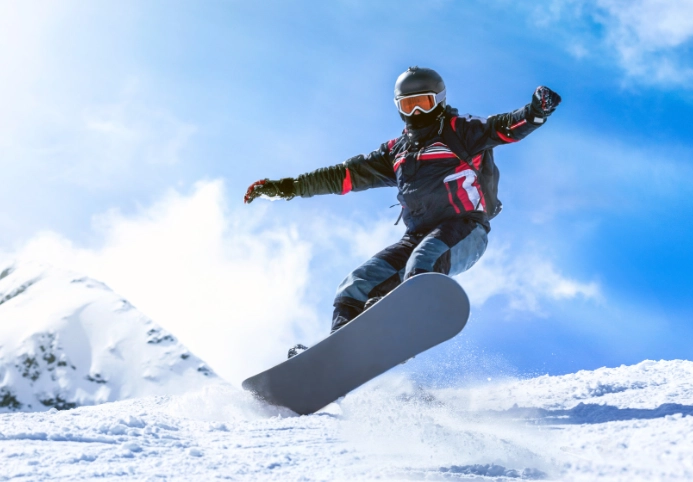
We're going to break it down, step by step. No fluff, no jargon without explanation. Just the practical, usable info you need to go from curious beginner to confident rider, whether you're picking your first board or looking for that next-level challenge.
Quick Reality Check: Snowboarding is a physical sport. You will fall. Your muscles will ache in places you forgot existed. But the feeling of floating on fresh snow, the mountain air, and the sheer fun of it all is worth every single bruise. Promise.
Getting Started: Your First Foray into Snowboarding
So you've decided to give it a shot. Awesome. The first big hurdle isn't the mountain – it's the gear shop. Walking in can be intimidating, with walls of shiny boards and techy terms flying around. Let's demystify it.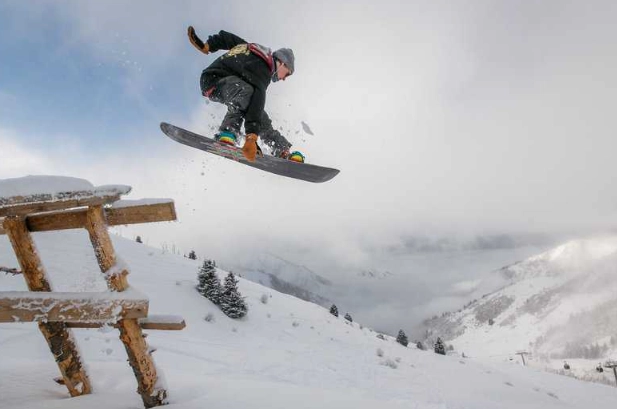
The Non-Negotiables: Essential Snowboarding Gear
You can't just show up in jeans and sneakers. Proper gear is the difference between a great day and a miserable, cold, wet, and potentially dangerous one. Here's the breakdown of what you actually need.
The Snowboard Itself: This is your magic carpet. For beginners, the single most important piece of advice is this: do not buy a board for your first few lessons. Rent. Rental shops will set you up with a soft, forgiving board that's perfect for learning. When you're ready to buy, you'll have a much better idea of what you like. Board types break down like this:
- All-Mountain: Your Swiss Army knife. Does everything reasonably well – groomed runs, a bit of park, a bit of powder. The go-to choice for 90% of riders.
- Freestyle/Park: Shorter, twin-tipped (same shape nose and tail), super flexible. Built for jumps, rails, and riding switch (backwards). Forgiving for beginners but can feel squirrely at speed.
- Freeride/Powder: Longer, stiffer, with a directional shape (nose is different from tail). Designed for charging hard and deep powder. Not beginner-friendly.
My first board was a hand-me-down freestyle board that was way too small for me. I thought I was saving money, but it made learning to carve properly nearly impossible. It was a lesson in false economy – the right tool matters.
Boots: If you're going to splurge on anything first, make it boots. Ill-fitting boots are torture. You want them snug but not painful, with no heel lift when you flex forward. Go to a proper shop, get measured, and try on multiple brands. They all fit differently. A good boot fitter is worth their weight in gold.
Bindings: These connect your boots to the board. For beginners, softer, more flexible bindings are better. They're more forgiving and easier to get in and out of. Make sure they're compatible with your board's mounting system (most are these days).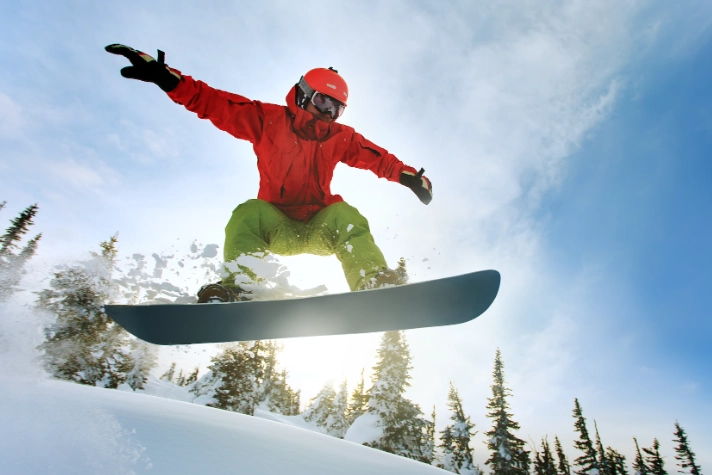
The Clothing System: Staying Warm and Dry is a Science
Cotton is the enemy. It gets wet and stays wet. You need a layering system.
- Base Layer: Moisture-wicking long underwear (top and bottom). Merino wool or synthetic fabrics like polyester. Avoid cotton at all costs.
- Mid Layer: Insulation. A fleece or lightweight puffy jacket. This traps heat.
- Outer Layer (Shell): Your waterproof and breathable jacket and pants. This is your shield against snow and wind. Look for a minimum of 10k/10k waterproof/breathability ratings. More is better for wet conditions.
Don't forget the extremities! A helmet is absolutely mandatory – no debate. Goggles (with lenses for varying light conditions), waterproof gloves or mittens (mittens are often warmer for beginners), and a neck gaiter or balaclava round out the kit.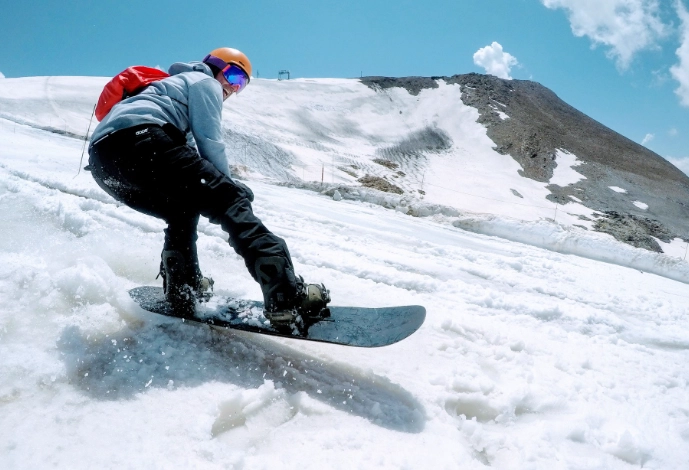
Safety First, Always: Your helmet is not optional. Concussions are no joke. Also, consider wrist guards, especially when learning. A huge percentage of beginner injuries are wrist fractures from catching falls with your hands. Some gloves even have built-in guards.
Learning to Ride: From Sideslipping to Carving
Okay, you're geared up. Now for the fun part. I strongly, strongly recommend taking at least one lesson from a certified instructor. It's the fastest way to learn good habits and avoid the frustration (and bad technique) of trying to figure it out alone. The Professional Ski Instructors of America & American Association of Snowboard Instructors (PSIA-AASI) is the main certifying body in the U.S., and their site can help you find a qualified pro.
The Fundamental Skills Every Snowboarder Masters
It all builds from here. Patience is key.
Stance and Balance: Are you regular (left foot forward) or goofy (right foot forward)? A quick test: have someone gently push you from behind; the foot you step forward to catch yourself is likely your front foot. Your knees should be bent, weight centered over the board.
The Heel-Side Slide (Falling Leaf): Your first controlled movement. Strap in only your front foot on a gentle slope. Face downhill, dig your heel edge into the snow, and practice sliding sideways left and right like a falling leaf. This teaches edge control.
Linking Turns (The Holy Grail): This is the moment it clicks. A turn is simply shifting your weight and pressure from your heel edge to your toe edge and back again. Look where you want to go – your shoulders and hips will follow. Start wide and slow. It will feel awkward, then suddenly, it won't.
How do you know you're progressing? When you stop thinking about every tiny movement and start feeling the flow. When you look ahead at the run, not down at your board.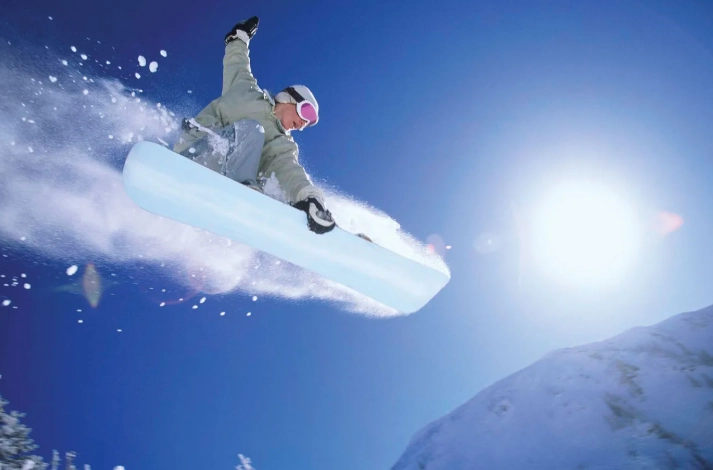
Common Beginner Hurdles (And How to Beat Them)
- The Fear of Speed: It's natural. The solution is more turns. Making frequent, controlled turns is your brake. Don't try to straight-line it.
- Catching an Edge: This is the classic, sudden face-plant. It happens when your downhill edge digs in unexpectedly. It usually means you were leaning back or not committing to the turn. Stay centered and commit to the edge change.
- Sore Calves ("Boot Bang"): Often from leaning back too much, putting constant pressure on your shins. Focus on keeping a balanced, athletic stance.
Remember, everyone was a beginner once. The people cruising past you likely spent their first day in the "magic carpet" line, just like you.
Leveling Up: Intermediate to Advanced Snowboarding Techniques
You can get down blues without panic. Now what? This is where snowboarding opens up into a playground.
Mastering Carved Turns
Linking skidded turns is one thing. A clean, carved turn where your board leaves a pencil-thin line in the snow is a thing of beauty. It's faster, more efficient, and feels incredible. The key is angulation – driving your knees into the turn while keeping your upper body relatively quiet and facing downhill. It's a more aggressive, committed motion. Practice on groomed, steeper blue runs.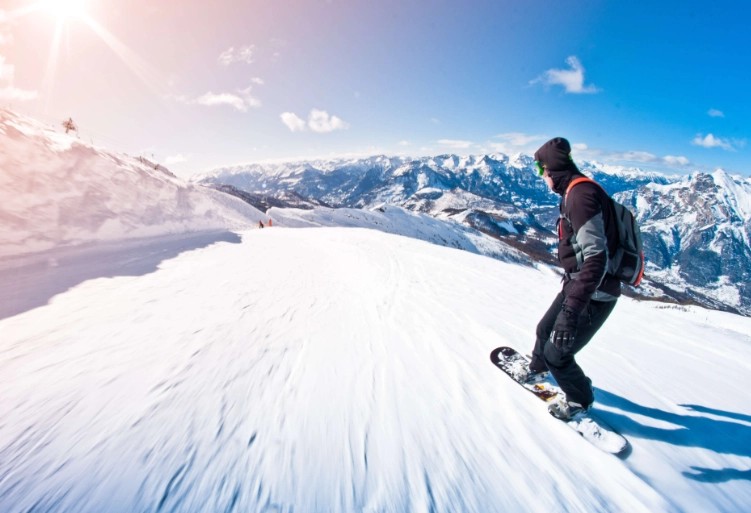
Introduction to Freestyle and the Terrain Park
The park can look terrifying. Start small. Really small.
- Boxes and Flat Rails: Start with wide, low boxes. Approach straight on, in a low, balanced stance. Keep your weight centered and look at the end of the feature, not your feet. Practice just sliding straight.
- Small Jumps: Find a tiny kicker with a gentle landing (a "tabletop"). The key is a smooth, controlled "pop" off the lip, not a wild jump. Absorb the landing with your knees.
I have a love-hate relationship with rails. The first time I tried a simple box, I caught an edge halfway across and slammed so hard I saw stars. It taught me more about commitment and speed than any successful attempt. Sometimes the fails are the best teachers.
Park etiquette is crucial. Always check the landing zone is clear before you drop in. Don't sit on landings or in blind spots. Wait your turn.
Venturing Off-Piste and Into Powder
Fresh, untracked powder is the ultimate snowboarding experience. It's like surfing on clouds. But it requires different technique and carries real risks.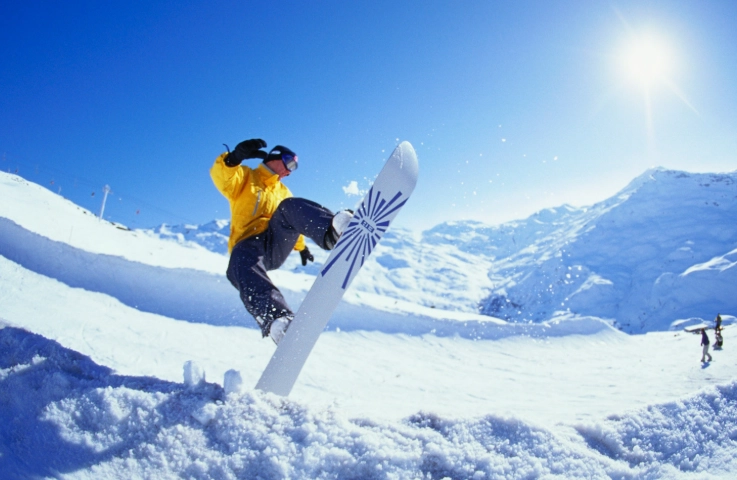
Powder Technique: You need to shift your weight back, almost sitting in a chair, to keep the nose of the board from diving under the deep snow. Your turns are slower, more surfy. It's exhausting but unbelievably rewarding.
This is non-negotiable: If you are going off-piste (outside marked resort boundaries), you need avalanche safety training and equipment – a beacon, probe, and shovel – and you must never go alone. Check avalanche forecasts from sources like the American Institute for Avalanche Research and Education (AIARE) or local avalanche centers like the Colorado Avalanche Information Center (CAIC). The backcountry is not a place to learn as you go.
Planning Your Snowboarding Trip: Resorts and Logistics
Part of the joy is the travel. Picking the right resort can make or break your trip.
How to Choose a Snowboarding Destination
Consider what you want. Are you a beginner needing great learner slopes and ski schools? An intermediate looking for vast, groomed cruising terrain? An expert chasing steep chutes and deep powder? Resorts have personalities.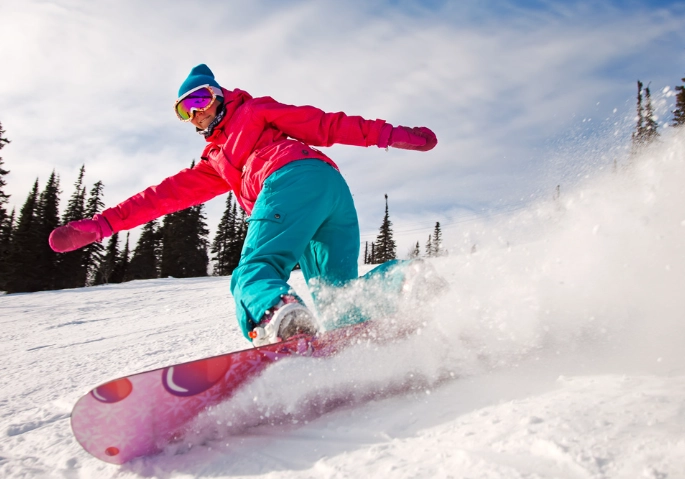
Here’s a quick comparison of some iconic spots for different types of riders:
| Resort (Region) | Best For | Vibe & Notes |
|---|---|---|
| Breckenridge, Colorado | Intermediates, Park Rats, Beginners | Huge, varied terrain. Epic park setups. Historic, lively town. Can get crowded. |
| Jackson Hole, Wyoming | Experts, Advanced Intermediates | Legendary steep and deep. Intimidating but has great intermediate areas too. Authentic Western town. |
| Whistler Blackcomb, BC | Everyone (Massive scale) | Two mountains, endless terrain. World-class village. Reliable snow. A must-do pilgrimage. |
| Park City, Utah | Intermediates, Families, Convenience | Huge interconnected area. Right next to a major airport (SLC). Great grooming, reliable snow. |
| Niseko, Japan | Powder Hounds, Unique Culture | Some of the lightest, driest powder on Earth. Tree skiing paradise. Incredible food and onsens (hot springs). |
Logistics matter. How far is the resort from the airport? Do you need a rental car? Is there a good mix of lodging (hotels, condos, budget options)? I made the mistake once of booking a "ski-in/ski-out" place that was actually a 20-minute hike to the nearest lift. Read the fine print.
When to Go for the Best Snowboarding
Timing is everything for snow conditions.
- Early Season (Nov-Dec): Risky. Lower elevations may not be open. Can be great if there's early snow, but often limited terrain.
- Peak Season (Jan-Feb): Usually the coldest, with the most reliable snowpack. Also the most crowded and expensive, especially around holidays.
- Spring Season (Mar-Apr): My personal favorite. Longer, sunnier days, softer "corn" snow, fewer crowds, and often cheaper. The snow can get slushy in the afternoons, but mornings are glorious.
Always check the resort's historical snowfall and current conditions. Sites like OpenSnow provide fantastic forecasts and snow reports.
Gear Deep Dive: Maintaining and Upgrading Your Setup
Once you're hooked, you start geeking out on the gear. Proper maintenance isn't just for pros; it makes your board ride better and last longer.
Basic Snowboard Tuning at Home
You don't need a full workshop. A few simple tools can keep your board in good shape between professional tunes.
- Edge Maintenance: A gummy stone or diamond stone can smooth out small burrs and de-tune the edges near the tip and tail (which can prevent catching an edge in the park).
- Base Care: Keep the base clean with a base cleaner spray and a rag. For dry-looking bases, a liquid rub-on wax can help between hot waxes.
- Storage: Never leave your board in a hot car. Store it somewhere cool and dry. Get a summer wax applied at the end of the season to protect the base.
A full hot wax and edge sharpening from a pro shop once or twice a season (more if you ride a lot) is a great investment. A freshly tuned board glides like a dream.
When and What to Upgrade
You don't need the latest and greatest every year. But as your skills progress, your beginner gear might hold you back.
First Major Upgrade: Usually, it's boots. As you get better, you'll want a stiffer, more responsive boot that communicates better with your board.
Next, the Board: When you know what terrain you love, get a board built for it. An intermediate carving a lot might want a stiffer, camber-dominant all-mountain board. A park enthusiast will want that soft, playful twin.
Finally, Bindings: Match the stiffness and response of your bindings to your boots and board. A stiff boot on a stiff board needs a stiff binding to transfer all that energy.
Snowboarding Culture, Etiquette, and Staying Safe
Snowboarding isn't just a sport; it's a community with its own (mostly unwritten) rules. Following them keeps everyone safe and happy.
The Responsibility Code
This isn't just a suggestion; it's the law of the mountain, often posted on lift tickets. Key points:
- The rider downhill always has the right of way. It's your job to avoid them.
- Look uphill before merging onto a trail or starting downhill.
- Stop in a safe place, visible from above, and never below a lip or roll.
- Use devices to help prevent runaway equipment (ski/board brakes, leashes).
- Observe all posted signs and warnings. Closed means closed, often for a very good reason like avalanche danger or thin cover.
Respect goes a long way. A friendly nod on the lift, helping someone who's taken a spill, not littering – it's all part of it.
Physical Prep and Injury Prevention
You don't need to be an Olympic athlete, but some off-season prep makes a huge difference.
Key Areas to Strengthen: Legs (squats, lunges), core (planks, rotational exercises), and cardio. Balance training (like a balance board) is pure gold for snowboarding. Stretching, especially hips and hamstrings, is crucial for mobility and preventing injury.
Listen to your body on the mountain. Fatigue leads to mistakes. Take breaks, stay hydrated (high altitude dehydrates you faster), and know when to call it a day. That last "one more run" is when a lot of injuries happen.
Answering Your Snowboarding Questions
Q: Is snowboarding harder than skiing?
A: The classic debate! The learning curve is different. Skiing is often easier to pick up the very basics (standing, sliding), but harder to master at an advanced level. Snowboarding is harder at the very start (the "falling down" phase is real), but many find it easier to progress to an intermediate level where you can comfortably enjoy most of the mountain. Pick whichever looks more fun to you.
Q: How long does it take to learn snowboarding?
A: Most people can link basic turns and get down easy green runs after 2-3 days of lessons. Feeling truly comfortable on blue runs might take a week or more of solid riding. It's a lifelong progression, though – there's always something new to learn.
Q: What's the best age to start snowboarding?
A: You can start as young as 4 or 5 with specialized kids' programs. But honestly, you can start at any age. I've taught friends in their 40s and 50s who took to it wonderfully. The key is a good attitude and realistic expectations.
Q: How do I deal with icy conditions?
A: Ice is every snowboarder's nemesis. Sharper edges help. Technique-wise, you need to be more aggressive with your edge engagement – really dig in. Make shorter, quicker turns. And honestly, sometimes the best strategy is to wait for the sun to soften things up or find a run with better snow.
Q: Can I snowboard if I'm overweight?
A: Absolutely. You'll want a board with appropriate width and stiffness for your weight (a good shop can guide you). Focus on building leg strength and cardio off the mountain to make it easier. The principles are the same.
The world of snowboarding is deep and endlessly rewarding. It's a sport that challenges you, humbles you, and gives back pure, unadulterated joy. It's about the quiet moments on a chairlift, the shared laughter after a comical fall, and the silent awe of a mountain sunrise. Start slow, respect the process, and most importantly, have fun out there. The mountains are waiting.