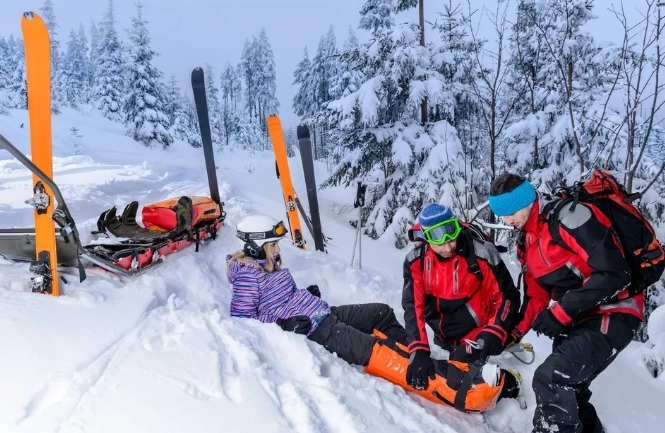
You're lying in the snow, that familiar sting of pain shooting through your knee or shoulder. The adrenaline fades, replaced by a sinking feeling. A ski injury. I've been there, both as a skier and as an instructor watching it happen to others. The path from that moment back to the slopes isn't just about waiting for bones to mend. It's a deliberate journey. Get it right, and you can come back stronger. Get it wrong, and you risk a cycle of re-injury and frustration. This guide cuts through the generic advice to give you a realistic, step-by-step plan for recovering from a ski injury.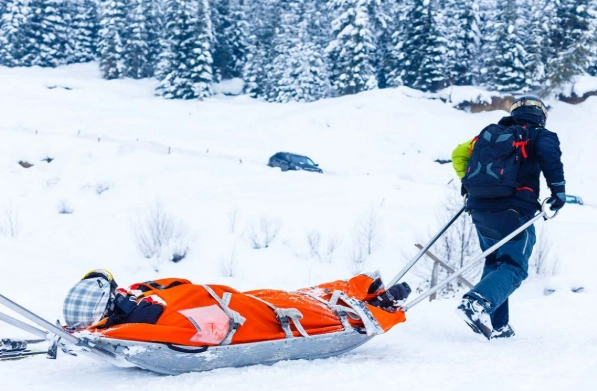
Your Recovery Roadmap at a Glance
Understanding the Most Common Ski Injuries and Their Realistic Timelines
Let's be blunt. Googling "ACL recovery time" will give you a neat 6-9 month figure. That's the biological minimum for the graft to incorporate. But your skiing recovery timeline? That's different. It's about rebuilding the specific strength, proprioception, and confidence needed for a dynamic sport. Here’s a no-BS look at what you're likely dealing with.
| Injury | Typical Mechanism | Biological Healing Milestone | Realistic "Back to Skiing" Timeline |
|---|---|---|---|
| ACL Tear/Sprain | Skis diverge, body rotates over fixed knee (the "phantom foot" mechanism). | Graft strength adequate at ~9 months. | 9-12+ months. The "+" is for mental readiness and sport-specific conditioning. |
| MCL Sprain | Valgus force (knee bent inward), often from a snowplow catch. | Grade I/II: 2-8 weeks. Grade III: 6-12 weeks. | 6 weeks - 4 months. Earlier return possible with a brace, but stability must be retrained. |
| Shoulder Dislocation/Separation | Fall on an outstretched arm or direct impact. | Ligaments heal in 4-12 weeks. | 3-6 months. The shoulder is tricky—motion returns fast, but dynamic stability takes diligent work. |
| Skier's Thumb (UCL Tear) | Pole strap doesn't release, thumb hyperextends. | 4-8 weeks in a cast/splint. | 2-3 months. Grip strength is the final hurdle for pole control. |
| Tibia/Fibula Fracture | High-impact crash or twisting fall. | Bone union in 6-12 weeks. | 6-12 months. The surrounding musculature and nerve function often lag far behind the bone healing. |
See the gap between "healed" and "ready to ski"? That gap is where your recovery work lives. A study in the American Journal of Sports Medicine noted that even at 9 months post-ACL surgery, only about 65% of athletes met recommended muscle strength benchmarks for return to sport. Don't rush the timeline your body gives you.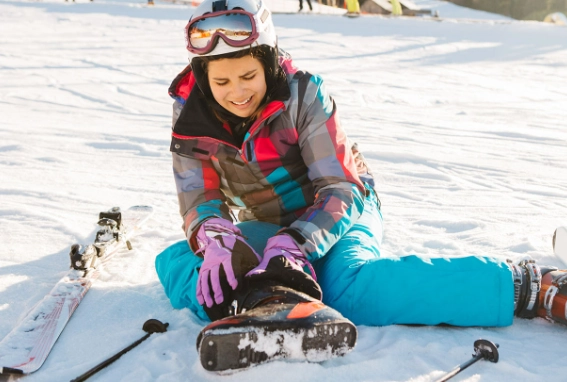
The Four Phases of Ski Injury Recovery: A Step-by-Step Guide
Think of recovery not as waiting, but as active construction. Each phase has a clear goal. The biggest mistake is skipping ahead because you feel okay.
Phase 1: The Critical First 72 Hours
This is all about damage control. The old RICE (Rest, Ice, Compression, Elevation) protocol has been updated. Now, experts like those at the American Academy of Orthopaedic Surgeons emphasize PEACE & LOVE.
PEACE for the acute stage (first 1-3 days):
Protect the area. Unload it. Use crutches, a sling.
Elevate it above the heart.
Avoid anti-inflammatories (new thinking suggests inflammation is part of the healing signal).
Compress with a bandage.
Educate yourself on what comes next.
LOVE for the next stage:
Load optimally. Start gentle, pain-free movement as soon as safe.
Optimism matters. Your mindset influences recovery.
Vascularization. Get blood flow with gentle activity.
Exercise. Begin rehab to restore mobility and strength.
Phase 2: Rebuilding Range of Motion and Basic Strength
You're out of the brace or cast. The goal here isn't to get huge. It's to re-teach your joint how to move correctly. For a knee, that's heel slides, quad sets (tensing your thigh muscle), and terminal knee extensions. For a shoulder, it's pendulum swings and scapular retractions.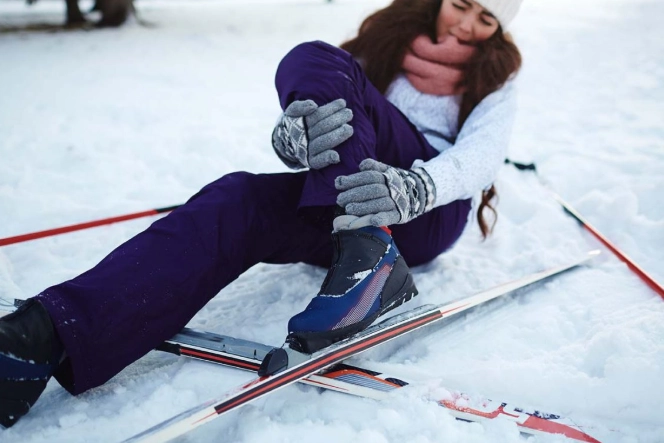
Here’s the subtle error: people do the motion, but they let other muscles cheat. During a heel slide, does your hip hike up? That's cheating. The work must be isolated. A good physical therapist will spot this instantly.
Phase 3: Sport-Specific Strength and Proprioception
This is the meat of your ski injury recovery timeline. Now you build the foundation for skiing. We're talking single-leg squats, lateral lunges, drop-landings on a Bosu ball, and plyometrics.
Proprioception—your body's sense of position in space—is king. After an ankle sprain or knee injury, this system is damaged. You retrain it with balance exercises: standing on one leg on a pillow, catching a ball while on a wobble board.
Phase 4: Return to Sport and Maintenance
You're not done when you can run. You're done when you can handle the unpredictable forces of skiing. This phase involves gradual exposure: dryland ski drills, then maybe a day on gentle greens, focusing purely on technique.
Your first few days back, ski 50% of what you think you can. Fatigue is the enemy of good form and the precursor to re-injury.
The Expert's Toolkit: Essential Gear and Strategies for Home Rehab
You don't need a fancy gym. Here’s what I recommend to my clients for effective ski accident physical therapy at home.
- Resistance Bands (Various Strengths): For everything from clamshells (glute medius) to shoulder external rotations. They provide constant tension.
- A High-Density Foam Roller: Not just for sore muscles. Use it for gentle mobilization—placing it under your thigh while doing knee extensions can help.
- A Balance Cushion or Bosu Ball: The ultimate tool for rebuilding proprioception. Start with two feet, eyes open. Progress to one foot, eyes closed.
- A Yoga Strap: For assisted stretching, especially for hamstrings and shoulders, when you can't reach yet.
- A Notebook or App: Track your exercises, sets, reps, and—critically—your pain (on a 0-10 scale). Seeing progress is motivating. Spotting a pain spike helps you adjust.
The strategy? Consistency over intensity. 20 minutes daily is better than a 2-hour brutal session once a week that leaves you swollen.
The Mental Game: Coping with the Psychological Impact of a Ski Injury
Nobody talks about this enough. The depression, the frustration watching friends' ski trip photos, the fear of re-injury. It's real.
I've seen strong skiers physically ready but mentally frozen at the top of a blue run. Here’s how to tackle it:
Set Micro-Goals. Don't fixate on "skiing next season." Aim for "10 pain-free heel slides today" or "hold a single-leg balance for 30 seconds by Friday." Small wins build momentum.
Stay Connected to the Community. Go to the lodge for apres even if you're not skiing. Tune skis. Watch technique videos. It keeps you in the mindset.
Find a Cross-Passion. Can't ski? Maybe it's the season to finally learn about ski tuning, or dive into the history of your local mountain. Shift your focus, don't lose it.
The fear of re-injury is the final boss. The only way through it is controlled exposure. Your first time back, hire an instructor for a private lesson. Tell them your history. Let them be your safety net and technique coach. It's worth every penny.
Returning to Skiing: How to Know You're Ready and Do It Safely
So, how do you pull the trigger? It's not a date on the calendar. It's a checklist.
- Strength Tests: Your injured leg's strength should be at least 90% of your uninjured leg (measured by a physio with a dynamometer). For shoulders, can you do a slow, controlled push-up without winging your scapula?
- Functional Tests: Can you hop on the injured leg 10 times in a row and stick the landing stably? Can you do a lateral hop-and-hold without your knee collapsing inward?
- Equipment Check: Get your boots and bindings professionally checked. Your weight or DIN setting may need adjustment post-injury. Consider a prophylactic brace if recommended.
- The First-Day Plan: Go with a trusted, patient friend. Ski the easiest green run for 30 minutes. Take a long break. Listen to your body. Any sharp pain or swelling? Call it a day. You've successfully broken the seal.
Your technique will be rusty. You'll be tentative. That's okay. Focus on making perfect, rounded turns on easy terrain before you even think about venturing off-piste or into the bumps.
Your Burning Recovery Questions Answered