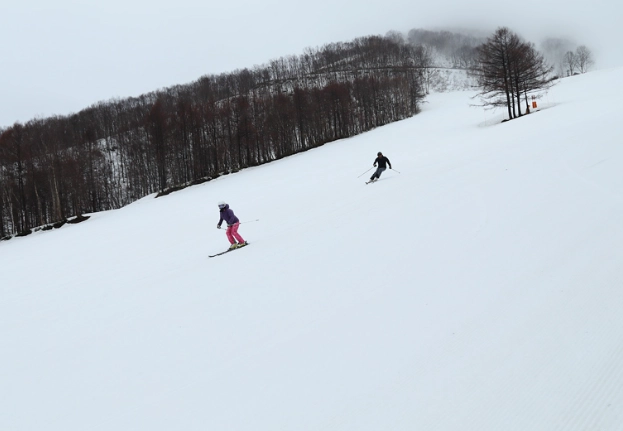
I get this question all the time. Someone stands at the top of a blue run, watching skiers carve beautiful, linked parallel turns down the slope, and they think, "I want to do that. How long until I'm there?" It's the million-dollar question for any aspiring intermediate skier. The short, and maybe frustrating, answer is: it depends. There's no single magic number. But don't click away just yet—that's the boring, unhelpful answer. The real, useful answer is a timeline you can actually plan around, based on your specific situation. We're going to break down exactly what influences your journey from snowplow to parallel paradise.
Think of it like learning a musical instrument. Asking "how long to learn piano?" is vague. Are you aiming for "Chopsticks" or a Chopin nocturne? For parallel turns, we're talking about achieving consistent, linked, controlled turns on blue and easy red runs. Not racing, not perfect carved turns on ice, but that solid, confident parallel turn that makes you feel like a real skier. That's our goalpost.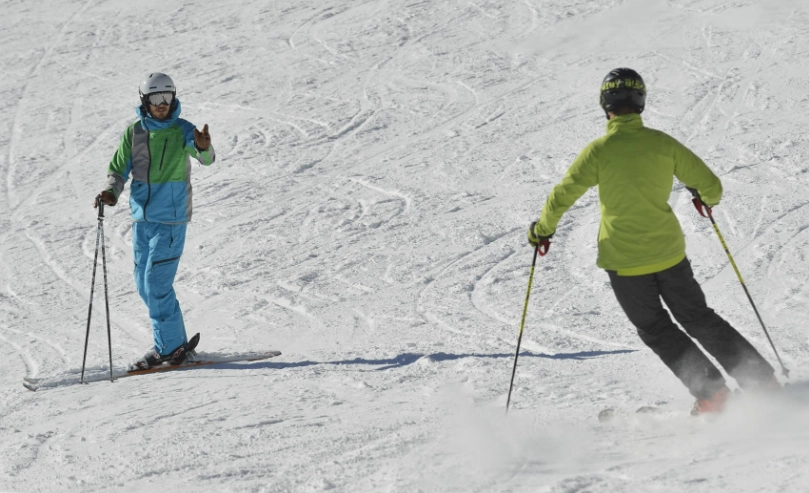
In This Guide
- Why There's No One-Size-Fits-All Answer
- The Realistic Timeline: From First Day to Parallel Turns
- The Step-by-Step Journey (What You'll Actually Learn)
- What Speeds Up (or Slows Down) Your Progress?
- Your Action Plan: A Week to Parallel (The Aggressive Timeline)
- Common Questions (And Straight Answers)
- Wrapping It Up: Your Timeline, Your Journey
Why There's No One-Size-Fits-All Answer
Before we throw numbers around, let's talk about why the timeline varies so wildly. I've seen athletic people pick it up in a few days, and I've seen others take a couple of seasons of casual skiing. It's not about talent, necessarily. It's about a mix of factors.
Your starting point is huge. Are you a complete first-timer, or are you comfortably doing wedge (snowplow) turns on green runs? If you're starting from zero, you have to build the basic balance and edge awareness first. That adds time. How often you ski is probably the biggest factor. One week-long trip a year is a very different path from hitting the slopes every weekend all winter. Muscle memory needs repetition. Your age and fitness matter, but not in the way you might think. Kids often learn faster because they have no fear (and a lower center of gravity!). Adults with good leg strength and cardio can progress quickly too, but sometimes we overthink it. And then there's instruction. Trying to figure it out alone by watching YouTube videos versus taking a few focused lessons with a certified instructor? That's like the difference between wandering in the woods and using a GPS.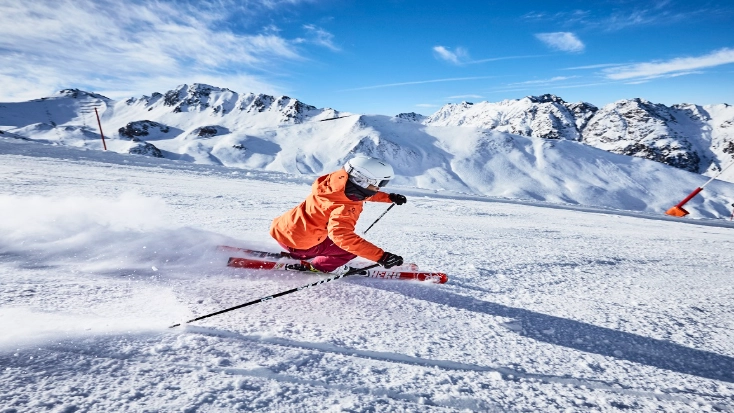
The Realistic Timeline: From First Day to Parallel Turns
Here's a breakdown. Remember, these are estimates for an average adult learner with no prior sliding sport experience, aiming for that consistent parallel turn on intermediate terrain.
| Skier Profile | Estimated Time to Consistent Parallel Turns | Key Factors & Notes |
|---|---|---|
| The Total Beginner (Starting from Scratch) | 5 to 10 full ski days | This includes learning to stop, wedge turns, and then transitioning. A week-long ski holiday with lessons can often get you there. |
| The Casual Weekender (Comfortable Wedge Turner) | 3 to 6 ski days of focused practice | You ski maybe 5-10 days a season. Progress might feel slow season-to-season but consistent yearly trips will get you there. |
| The Dedicated Learner (Lessons & Frequent Practice) | 2 to 4 ski days | You take 2-3 group or private lessons and ski 15+ days a season. This is the fastest common path. |
| The "I'll Just Figure It Out" Skier | Can vary widely, often longer | Without formal feedback, developing bad habits (like leaning back) can significantly delay progress. Possible, but inefficient. |
See? It's a range. For most people who take a lesson or two and put in the days, getting to the point where you're starting to link parallel turns often happens within their first 5-7 days on snow. But "learning" it, where it feels natural and reliable on different blues, usually takes a bit longer to cement. This is where people get discouraged—they make a few parallel turns one day and think they've got it, then struggle to repeat it the next. That's normal! It's part of the process.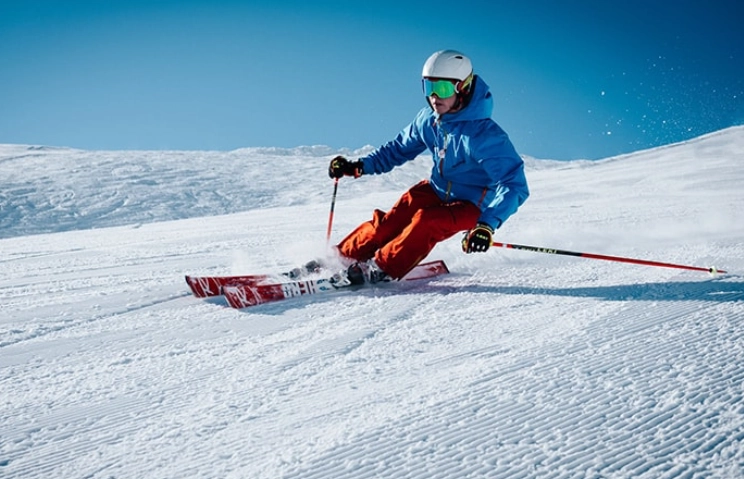
The Step-by-Step Journey (What You'll Actually Learn)
Breaking down the process makes the timeline make more sense. You don't just jump from pizza to parallel. There's a progression. Professional ski schools, like those following the methodology of the Professional Ski Instructors of America & American Association of Snowboard Instructors (PSIA-AASI), have this down to a science. Here’s what the path generally looks like.
Foundation Phase: The Non-Negotiables
First, you gotta walk before you run. This phase is all about feeling comfortable on skis. We're talking about balancing on a moving platform, learning to slide, and most importantly, learning to stop reliably with a wedge (snowplow). If you can't stop confidently, nothing else matters. You'll also learn basic turning by pressuring one foot more than the other in your wedge. This builds the initial steering concept. This phase might take a day or two. Don't rush it. A solid foundation makes everything later easier.
Transition Phase: The "In-Between" Turns
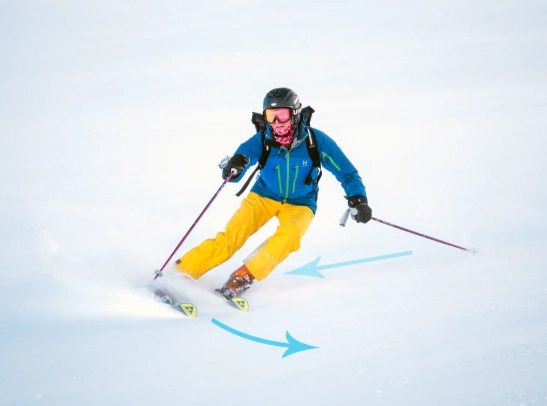
This is the critical bridge. You won't go straight from a wide wedge to skis perfectly parallel. Instead, you learn to narrow your wedge. It starts as a big pizza slice, then becomes a french fry with just the tails apart (a "stem christie"). The goal here is to start the turn with a small steering movement (a tiny stem or just a weight shift) and then bring the skis parallel through the turn and as you finish it. The feeling is key: you initiate, then let the skis come together. A lot of instructors call this "finishing the turn in parallel." This phase is where most of the time in our timeline is spent. It feels awkward at first—your brain is used to steering with that big wedge. This is where a lesson is pure gold. An instructor can give you a simple drill, like trying to tap your inside ski's tail against the outside ski during the turn, that makes the concept click instantly.
Refinement Phase: Making It Consistent & Dynamic
Okay, so you're linking turns with your skis mostly parallel. Great! Now it's about cleaning it up and making it work on steeper terrain and different snow. This phase involves learning to use your edges more actively, rather than just steering your feet. You start to flex and extend your legs to manage pressure (this is what gives you rhythm). You learn to keep your upper body facing downhill while your legs turn underneath you—the famous "upper-lower body separation." This is where parallel skiing starts to feel effortless and fun, not just a technical achievement. This phase doesn't really have an end; even experts keep refining it. But for our timeline, you're in this phase once parallel turns are your default on blues.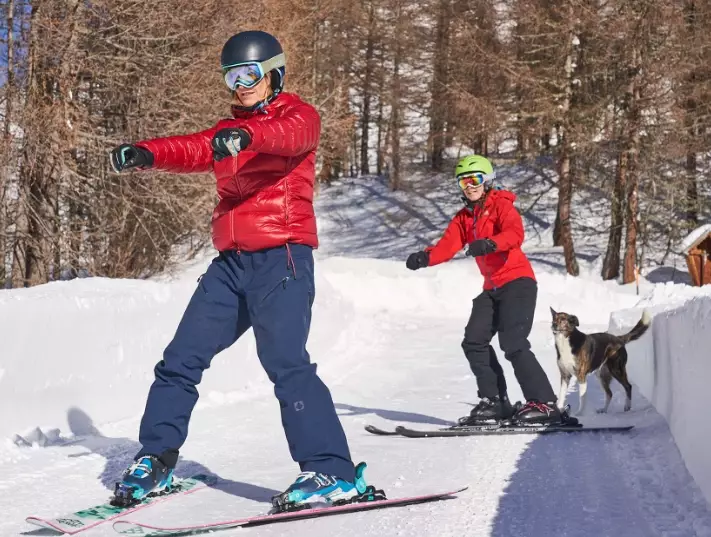
What Speeds Up (or Slows Down) Your Progress?
Let's get practical. If you want to shorten that timeline, focus on these accelerators. If you're wondering why it's taking so long, check these common brakes.
Accelerators (The Fast Track):
- Quality Instruction: This is number one. A good instructor from a reputable ski school (check resources at places like Vail Ski & Snowboard School for an example of structured programs) will identify your specific sticking points and give you tailored drills. They see what you can't feel.
- Frequency Over Duration: Skiing 10 days in a row on one trip is great, but skiing 10 days spread over a season might be less effective for muscle memory. However, skiing every weekend for a month is fantastic for progress.
- Fitness Off the Slopes: Leg strength (squats, lunges) and cardio stamina mean you can practice longer and with better form before fatigue sets in. Core strength is huge for balance.
- The Right Mindset: Being okay with falling, willing to look a bit silly doing drills on a green run, and focusing on one small skill at a time.
Progress Brakes (What Holds You Back):
- The Backseat Driver Stance: Leaning back is the arch-nemesis of parallel turns. It locks your skis into a skid, prevents edge control, and is exhausting. It's often born from fear. Fighting this habit is a major hurdle for many.
- Infrequent Skiing: Long gaps between sessions mean you spend the first day each time re-learning what you forgot. Progress feels minimal.
- Poorly Fitted or Wrong Equipment: Boots that are too loose or skis that are too long, stiff, or advanced can make learning exponentially harder. Rent from a good shop and tell them you're learning parallel turns.
- Sticking to Greens Forever: You need a gentle slope to learn, but you also need a little bit of pitch (a steeper blue) to feel the skis turn naturally with less effort. Staying on the bunny hill forever can create a plateau.
Your Action Plan: A Week to Parallel (The Aggressive Timeline)
Let's say you have a solid week of skiing planned and want to maximize your chance of linking parallel turns by the end. Here's a rough, aggressive but achievable plan. This assumes you're already past the absolute "first day on skis" stage.
Day 1-2: Solidify your wedge turns on easy blues. Get so comfortable that stopping and controlling speed is second nature. Practice shifting your weight aggressively from one foot to the other in the turn. Take a half-day lesson focused on "beginner parallel" or "wedge christie."
Day 3: Lesson day. A 2-3 hour private or small group lesson is ideal. Tell the instructor your goal: "I want to start linking parallel turns." They will introduce the stem christie or similar transition drill. Spend the afternoon repeating the drill they give you on a long, easy green or very mellow blue. Don't chase steepness; chase repetition.
Day 4: Practice day. Without the instructor, go back to that same slope. Your goal isn't perfection, it's mileage. Do the drill until you don't have to think about the initial step every time. By the end of the day, try to make the "stem" (the initial wedge) smaller and smaller.
Day 5: Challenge day. Find a consistent, groomed blue run you feel okay on. Focus on letting your skis come together earlier and earlier in each turn. Don't worry if you revert to a wedge sometimes—that's fine. The goal is to string together 3-4 turns in a row with your skis parallel for most of the turn. Celebrate the small wins!
By the end of a week like this, you will almost certainly be making parallel turns. Will they be perfect? No. Will you be ready for a black diamond? Absolutely not. But you'll have crossed the threshold. The question of "how long does it take to learn parallel turns skiing" will have a personal answer: "About a week of focused effort."
Common Questions (And Straight Answers)
Let's tackle the stuff people are too embarrassed to ask in a group lesson, or the questions that pop up after you've Googled "how long does it take to learn parallel turns skiing" a dozen times.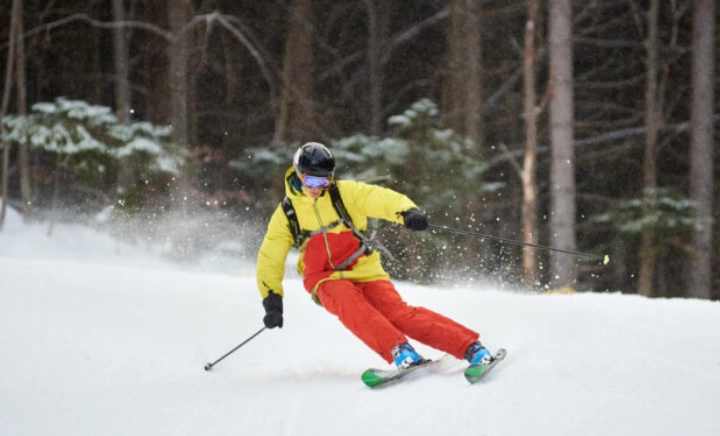
Wrapping It Up: Your Timeline, Your Journey
So, after all this, what's the final answer to "how long does it take to learn parallel turns skiing"?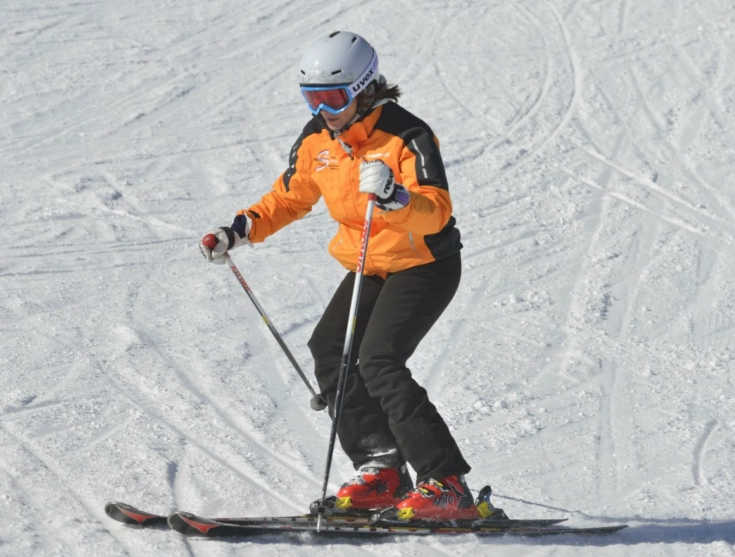
For the majority of adult learners who seek some instruction and get in a handful of ski days, the transition to making consistent parallel turns is a 5 to 10 full-day endeavor on snow. The lower end if you're focused, take lessons, and ski frequently. The upper end if you're more casual, figuring it out yourself, or have long gaps between sessions.
The journey is more of a curve than a straight line. You'll have breakthroughs and setbacks. One day it will click, and the next it'll feel like you've forgotten everything. That's normal. The key is to focus on the process, not just the destination. Enjoy the feeling of gliding, celebrate the first time you link three turns without thinking, and don't compare your day 3 to someone else's day 30.
Parallel turning is the gateway to truly exploring the mountain, to feeling the flow and rhythm of skiing. It's worth the time investment. Now you have a realistic map for how long that investment might be. The clock starts on your next trip to the slopes.
Get out there and give it a try. And maybe, just maybe, don't overthink it. Sometimes you just have to point 'em downhill and let the skis do the work.