Ask ten skiers what the best ski jacket is, and you'll get eleven different answers. That's because the perfect jacket doesn't exist in a vacuum. The jacket that's a dream for a backcountry skier in Utah powder is a sweaty nightmare for someone riding groomers in Vermont. I learned this the hard way after buying a heavily insulated, fully featured resort jacket for my first season—only to overheat on every single run. I was drowning in features I didn't need and missing the breathability I desperately did.
So, let's reframe the question. Instead of searching for a mythical "best" jacket, we're going to find the right jacket for your body, your budget, and your skiing style. This guide strips away the marketing fluff and focuses on the technical specs and design choices that actually matter when you're on the mountain.
Your Quick Guide to Ski Jacket Success
How to Choose the Right Ski Jacket: Breaking Down the Essentials
Ignore the brand name for a second. Three numbers will tell you 80% of what you need to know: waterproof rating, breathability rating, and fill power or weight.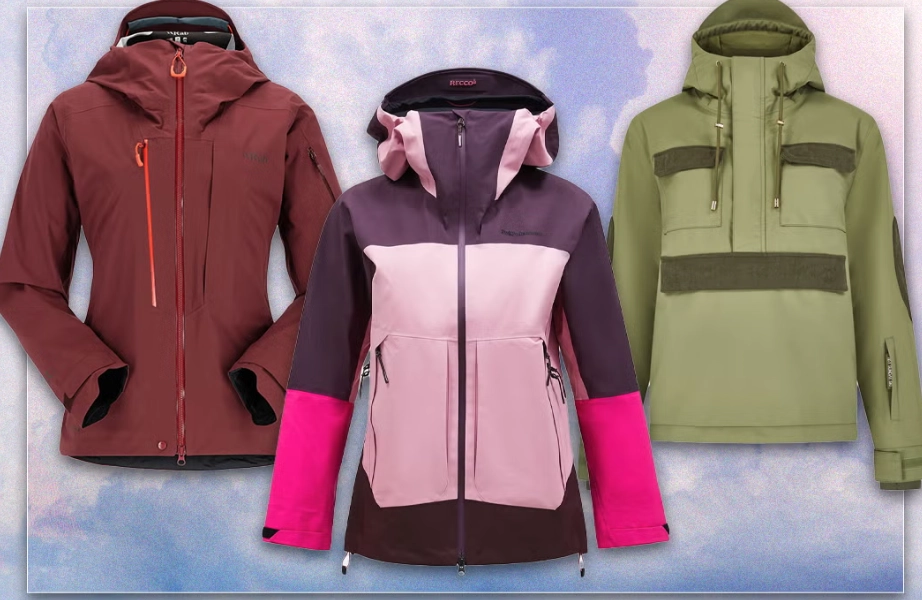
Waterproofing & Breathability: The Magic (and Misunderstood) Numbers
Waterproofing is measured in millimeters (mm) using a hydrostatic head test. A higher number means better resistance to water pressure. Breathability is measured in grams (g) of vapor that can pass through a square meter of fabric in 24 hours. Higher is better here too.
Here’s what those numbers mean on the snow:
| Rating (Waterproof/Breathable) | Best For | What It Feels Like |
|---|---|---|
| 5,000-10,000mm / 5,000-10,000g | Fair weather, light snow, spring skiing. Budget-friendly options. | Fine for a quick hour in light snow. Will wet out in a storm or deep powder. |
| 10,000-15,000mm / 10,000-15,000g | Most resort skiers. Handles typical snowstorms and chairlift spray. | The sweet spot. Keeps you dry in most conditions without feeling like a sauna. |
| 15,000-20,000mm+ / 15,000-20,000g+ | Deep powder days, ski patrol, wet coastal snow (e.g., Pacific Northwest). | Bombproof. Heavier, less breathable, but you'll be the last one to get wet. |
Look for membranes like Gore-Tex (the gold standard), eVent, or proprietary tech from brands like The North Face (Futurelight) or Patagonia (H2No). They manage the moisture-vapor transfer better than basic coatings.
Insulation: Down vs. Synthetic vs. Shell
This is about how you stay warm, not just how you stay dry.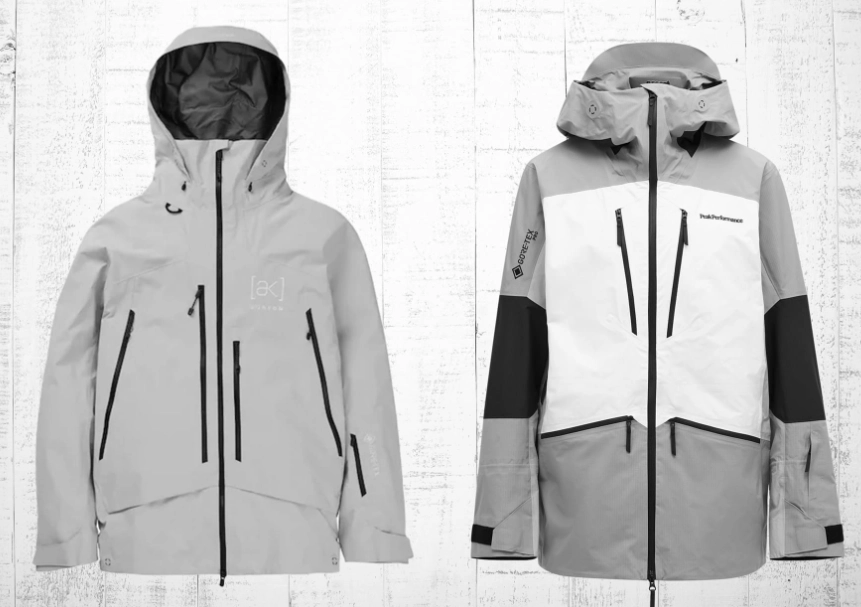
- Down Insulation: Goose or duck feathers. Unbeatable warmth-to-weight ratio. Packs small. Useless when wet. Look for high fill power (600+). Best for cold, dry climates where you won't sweat heavily.
- Synthetic Insulation: Polyester fibers (Primaloft, Thermore). Retains some warmth when damp. Dries faster. Bulkier than down. Perfect for variable conditions, beginners who sweat more, or damp climates.
- Shell Jacket (Uninsulated): Just a waterproof/breathable outer layer. All warmth comes from your mid-layers (fleece, insulated vest). Offers maximum versatility across seasons and activity levels. My personal choice for 90% of my skiing.
I made the switch to a shell system years ago. It costs more upfront (shell + good mid-layers), but the flexibility is unmatched. A freezing January day? Add a thick fleece and puffy. A sunny March afternoon? Just a thin base layer. One jacket does it all.
Match Your Jacket to Your Skiing Style: A Real-World Guide
Let’s get specific. Your skiing habits should dictate your jacket’s features.
The Resort Cruiser
You're riding lifts, hitting groomers, and taking long lunch breaks. Weather changes fast from lift to lodge.
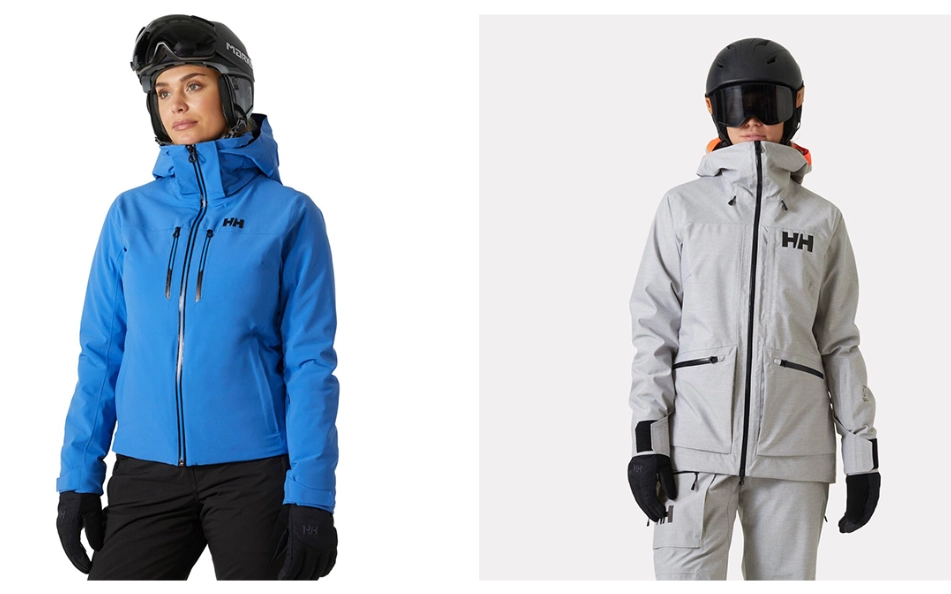
Priority: Convenience and comfort. Look for pit zips (non-negotiable for venting on the chairlift), a powder skirt that integrates with your ski pants, a helmet-compatible hood that fits over your goggles, and plenty of pockets for lift passes, phone, and snacks. Mid-weight synthetic or down insulation is common here. You don't need ultra-lightweight fabric, but good breathability (12,000g+) is key to avoid the lodge sweats.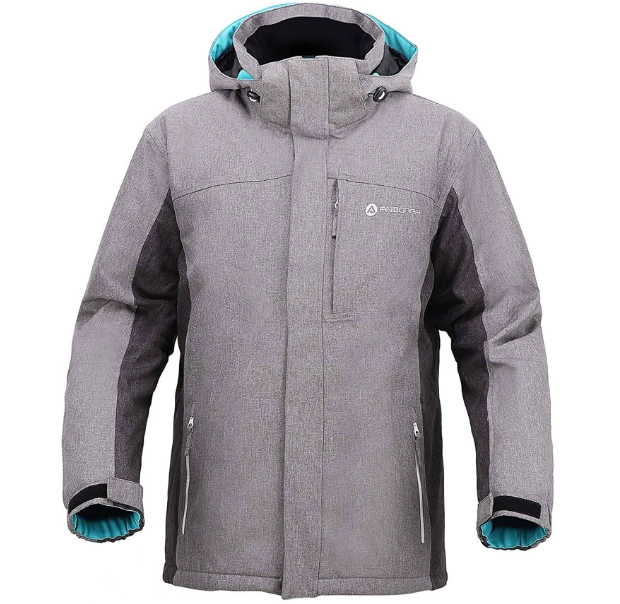
The Backcountry / Sidecountry Explorer
You're earning your turns. Long ascents mean you'll generate massive body heat, followed by cold descents.
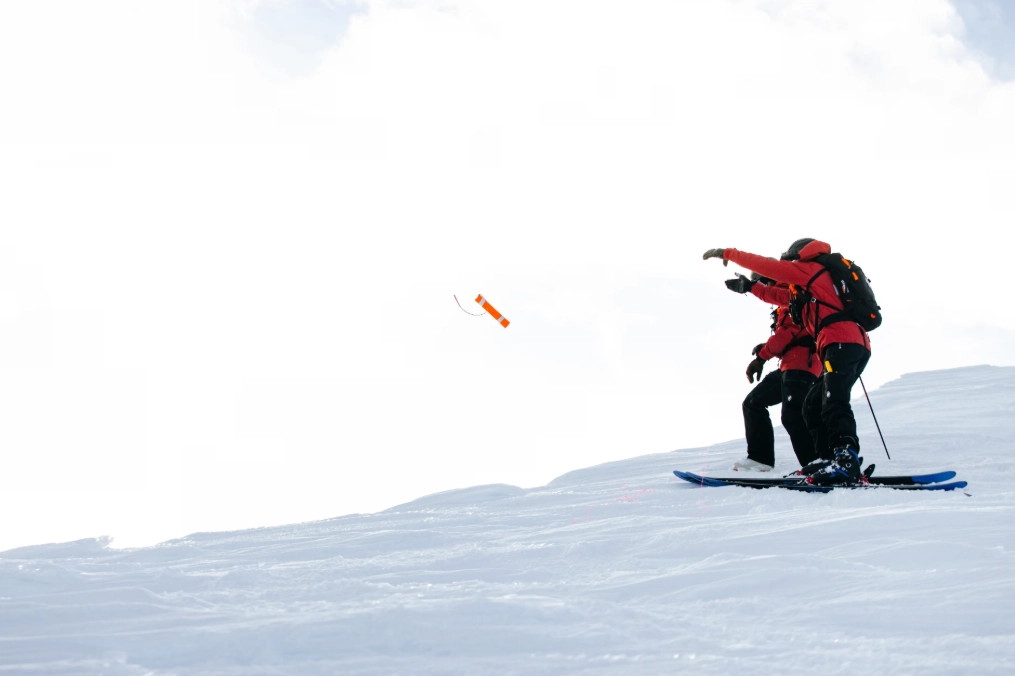
Priority: Lightweight breathability and layering. A shell jacket is almost mandatory. It must be extremely breathable (15,000g+), lightweight, and packable. Features like a minimalist powder skirt (or none), large mesh-lined pit zips, and a pocket layout that works with a harness or backpack hip belt are critical. Durability matters for bushwhacking. According to a report by Backcountry Access on backcountry safety, managing sweat on the ascent is a primary factor in staying safe and comfortable.
The All-Mountain / Variable Condition Skier
You do a bit of everything. A resort day might turn into hiking a ridge for fresh tracks.
Priority: Versatility. A lightly insulated hybrid jacket or a shell with a zip-in liner works well. Look for durable water repellent (DWR) finish that actually works, a balance of breathability and weatherproofing (around 15,000mm/15,000g), and thoughtful features like a goggle wipe, internal dump pocket, and wrist gaiters. This is the toughest category to shop for—don't try to get one jacket that's perfect for everything. Admit your primary use case and let it be "good enough" for the rest.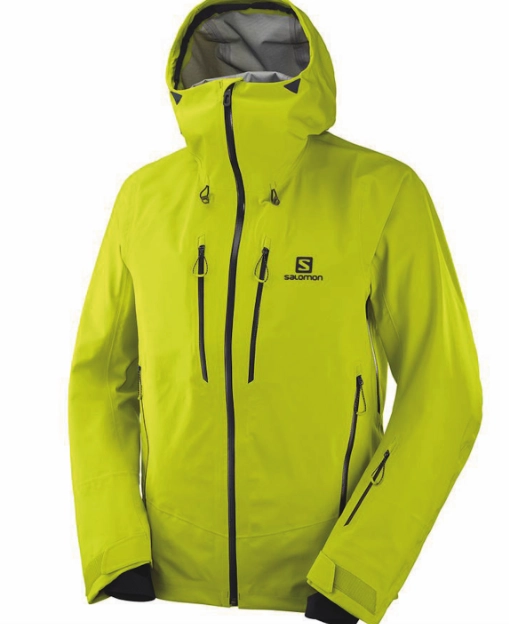
Beyond the Specs: Fit, Features, and That Critical Layer
You can have the best tech and still hate your jacket if it fits like a trash bag.
Fit is King. Try it on with your intended mid-layer. For resort skiing, a regular or relaxed fit allows for a fleece underneath. For touring, a more athletic, trim fit reduces flapping and bulk. Raise your arms as if planting poles—does the waist ride up? Crouch in a skiing stance—is there enough length in the back? The cuffs should seal over your gloves without gaping.
Feature Checkpoints:
- Hood: Must fit over your helmet. Adjustable toggles at the back and sides are essential for a secure fit in wind.
- Pockets: Chest pocket for phone/goggles? Insulated handwarmer pockets? A secure internal pocket for a wallet/beacon?
- Zippers: Quality YKK zippers, especially on the main front. Taped or covered storm flaps behind zippers add weather protection.
- Venting: Pit zips are the best. Some jackets have chest or thigh vents, but pit zips are the most effective.
And let's talk about your base layer. A cheap, non-breathable cotton thermal under a $800 Gore-Tex jacket will make you cold and wet. It's like putting regular gasoline in a Ferrari. Invest in a merino wool or synthetic moisture-wicking base layer. It's the foundation your jacket's breathability relies on.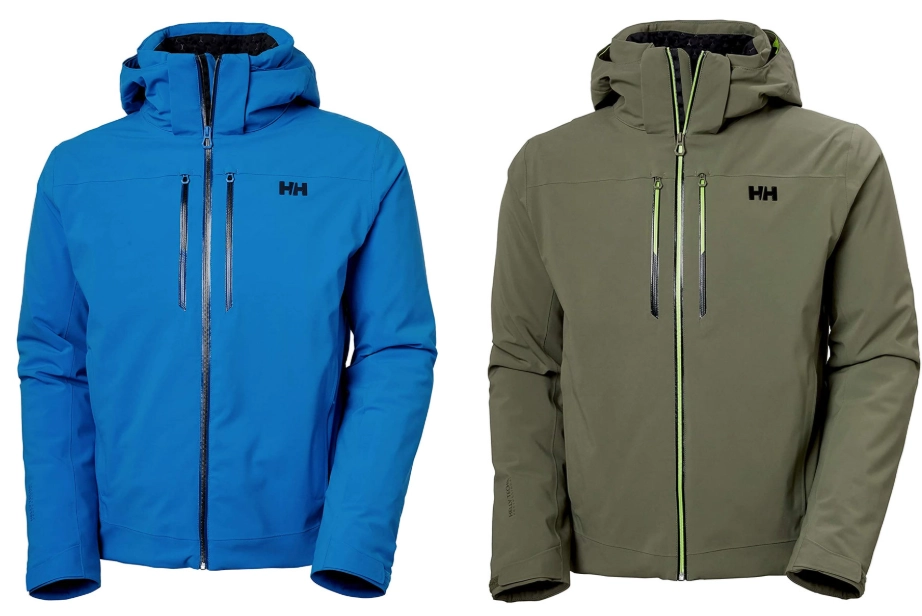
Making It Last: Care and Maintenance You Won't Regret
A jacket's DWR (durable water repellent) finish wears out. When water stops beading up and starts soaking in ("wetting out"), it's not dead—it just needs a refresh.
First, wash it. Seriously. Use a technical gear detergent (like Nikwax Tech Wash or Grangers Performance Wash). Regular detergent clogs the pores of the membrane. Tumble dry on low heat. The heat reactivates the DWR. Many people skip the dryer, but for most modern DWR, the heat cycle is part of the revival process.
If washing and drying doesn't restore the bead, apply a DWR spray-on or wash-in treatment. Follow the instructions. This isn't a lifetime fix, but it'll get you another season or two. A well-cared-for shell can last a decade. I have a 12-year-old hardshell that still performs for spring ski tours because I've maintained it.