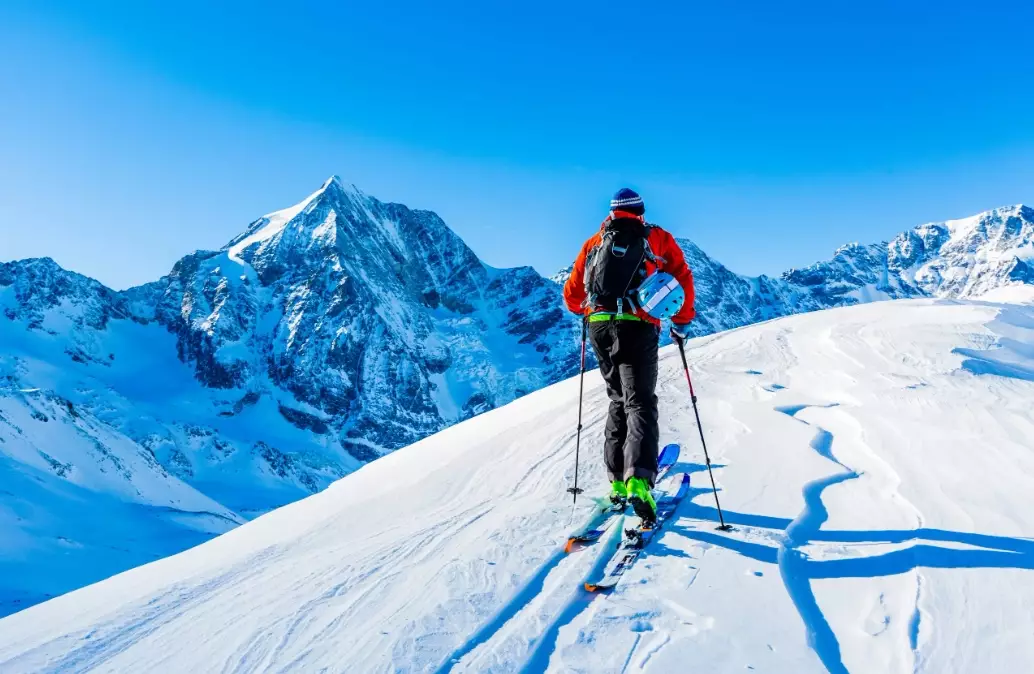
Let's talk about Breckenridge's altitude. It's not just a number on a trail map. Sitting between 9,600 feet (2,926 meters) at the base and nearly 13,000 feet (3,962 meters) at the summit, Breckenridge Ski Resort's elevation defines the entire experience. That thin, crisp Rocky Mountain air is responsible for the legendary light powder, the breathtaking views, and yes, the pounding headache you might get on day one if you're not careful. I've seen too many skiers cut their trips short because they underestimated those extra few thousand feet. This isn't about scaring you off—it's about making sure you're prepared to conquer the heights and have the best ski vacation possible.
What's Inside This Guide
- The Real Numbers: Breckenridge's Elevation Explained
- How Breckenridge's Altitude Affects Your Ski Trip
- How to Prepare for and Prevent Altitude Sickness at Breckenridge
- Finding the High Ground: Breckenridge's Highest Peaks & Runs
- Planning Your High-Altitude Breckenridge Ski Trip
- Your High-Altitude Questions, Answered
The Real Numbers: Breckenridge's Elevation Explained
First, let's get specific. When people ask "What is the altitude of Breckenridge ski resort?" they're usually given a range. Here's the breakdown straight from the resort's own data:
- Base Area Elevation: 9,600 feet (2,926 meters). This is where you'll find the main town, most lodges, and the lower chairlifts.
- Summit Elevation (Peak 8): 12,998 feet (3,962 meters). This is the highest lift-served point.
- Vertical Drop: 3,398 feet (1,036 meters). That's the total height you can ski from top to bottom.
But here's a nuance most blogs miss. Breckenridge isn't one big mountain; it's five distinct peaks (6, 7, 8, 9, and 10). The altitude varies significantly between them. Peak 10's summit is around 12,480 feet, while the Imperial Express SuperChair on Peak 8 takes you to that near-13,000-foot mark. This variation matters when planning your day—starting on a slightly lower peak can be a smarter acclimatization strategy.
Context is key: Denver, the nearest major airport, sits at 5,280 feet—"The Mile High City." Breckenridge's base is almost a full mile higher than Denver. Your body feels that jump. Even if you're coming from another mountain town like Salt Lake City (4,226 ft) or Park City (7,000 ft base), Breckenridge presents a notable step up.
How Breckenridge's Altitude Affects Your Ski Trip (The Good, The Bad, The Manageable)
Altitude isn't just an abstract concept. It directly shapes three key parts of your ski day: the snow, your body, and the overall environment.
The Snow: Why the Powder is So Good
High elevation means colder temperatures and lower humidity. This combination creates the famous "Colorado Champagne Powder"—incredibly dry, light snow that feels like floating on clouds. It's less likely to become heavy or icy compared to snow at lower, warmer elevations. On a good powder day at Breckenridge, you're skiing on some of the best snow on the planet, precisely because of the altitude.
Your Body: The Physical Reality of Thin Air
At 10,000 feet, there's about 30% less oxygen available than at sea level. Your heart and lungs have to work significantly harder to deliver oxygen to your muscles. This leads to:
- Faster fatigue: You'll tire more quickly, especially on those first few runs or hiking to terrain.
- Shortness of breath: Don't be surprised if you're huffing and puffing on catwalks or after a long mogul run. It's normal.
- Dehydration: The air is dry, and you lose moisture through respiration much faster. You won't feel as sweaty, but you're drying out.
The Environment: Sun, Weather, and Pace
Less atmosphere above you means stronger UV rays. Sunburn and goggle tans happen in minutes, even on cloudy days. Weather can also change rapidly at these elevations. A sunny morning can turn into a white-out blizzard by afternoon. This demands flexibility in your plans and proper gear (goggles with low-light lenses are a must).
How to Prepare for and Prevent Altitude Sickness at Breckenridge
This is the part everyone worries about. Acute Mountain Sickness (AMS) is real, but it's largely preventable with a smart approach. I've guided groups here for years, and the ones who struggle are almost always the ones who ignored these steps.
The Biggest Mistake I See: People fly into Denver (5,280 ft), drive straight up to Breckenridge (9,600 ft), and immediately go out for a big dinner and drinks. Alcohol and heavy food are a brutal combo with altitude. Your first night should be about hydration and rest, not celebration.
Here is a practical, step-by-step strategy that works:
1. Before You Arrive (The 48-Hour Rule):
- Hydrate aggressively for two days prior. Start drinking more water than usual before you even get on the plane.
- If possible, spend a night in Denver or at a slightly lower elevation in the foothills. This gives your body a crucial stepping stone.
- Avoid excessive alcohol and salty foods during travel.
2. Your First 24 Hours in Breckenridge:
- Water is your #1 priority. Aim for at least 3-4 liters. Carry a water bottle everywhere.
- Take it easy. Your first day on the mountain, stick to lower-elevation green and blue runs. Don't immediately head for the Imperial Bowl.
- Eat light, carb-focused meals. Pasta, bread, bananas. Avoid huge, fatty steaks.
- Limit alcohol. Seriously, just skip it the first night. It dehydrates you and worsens AMS symptoms.
- Listen to your body. Headache, nausea, dizziness, or extreme fatigue are signs to stop, hydrate, and rest.
3. Supplements and Medications (The Expert View):
Diamox (acetazolamide) is a prescription medication that can help. Talk to your doctor well before your trip. It's not a magic pill and has side effects (tingling fingers is common). Over-the-counter options like ibuprofen can help with headache symptoms. Some people swear by natural supplements like gingko biloba, but the medical evidence is mixed. My take? No supplement replaces the fundamentals of hydration, gradual ascent, and rest.
Finding the High Ground: Breckenridge's Highest Peaks & Runs
Once you're acclimatized, seeking out the high-alpine terrain is the reward. This is what makes Breckenridge special. The above-treeline bowls and chutes offer vast, open skiing with incredible views. Here’s a quick guide to the resort's high points.
| Peak / Area | Approx. Summit Elevation | Key Lifts & Terrain Notes |
|---|---|---|
| Peak 8 - Imperial Bowl | 12,998 ft (3,962 m) | Imperial Express SuperChair (North America's highest chairlift). Access to expert-only above-treeline bowls like Imperial, Whale's Tail, and Lake Chutes. Requires a short hike. |
| Peak 7 - Beyond Bowl | ~12,400 ft | Accessed via the Independence SuperChair. Offers advanced bowl skiing (Beyond Bowl, Magic Carpet) and is often less crowded than Peak 8's high terrain. |
| Peak 6 | ~12,300 ft | The Kensho SuperChair and a short hike open up vast, intermediate-friendly above-treeline bowl skiing. A great intro to high-alpine terrain. |
| Peak 10 | 12,480 ft | No above-treeline terrain, but the summit offers steep, challenging black diamond runs like Crystal and The Burn. |
| Four O'Clock Run | Starts high, ends low | Not a peak, but this 3.5-mile green run starts near the base of Peak 8 and winds all the way back to town. It's a long, relaxing cruise that showcases the vertical drop. |
A personal tip: On a clear day, the view from the top of Imperial Express is worth the lift ride alone. You can see across the Tenmile Range to Copper Mountain and beyond. But always check the weather and wind forecast before committing to the highest lifts—they are often the first to close in a storm.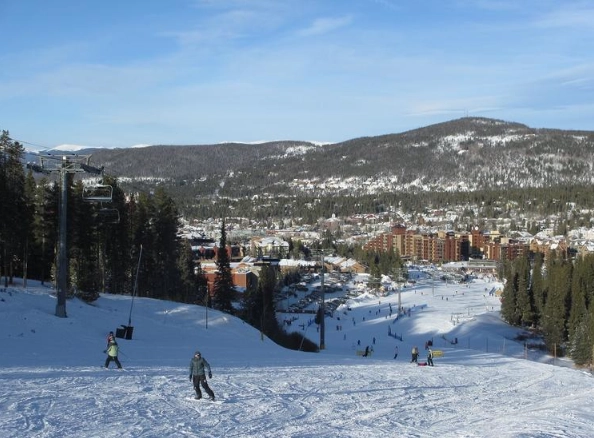
Planning Your High-Altitude Breckenridge Ski Trip
Let's make this actionable. Here’s how to build your itinerary with altitude in mind.
Ideal Trip Length: 4-5 days minimum. This gives you a full day to arrive and acclimatize, three solid ski days where your body is adjusted, and a buffer for weather or fatigue.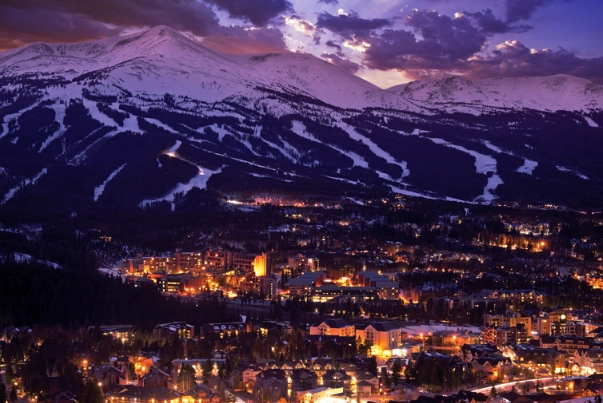
Where to Stay: Staying in the town of Breckenridge (approx. 9,600 ft) is perfect for acclimatization. If you're very concerned, consider a night in Frisco (9,097 ft) or even Silverthorne (9,035 ft) which are slightly lower, but you'll sacrifice walk-to-lift convenience.
Sample 4-Day Acclimatization-Focused Itinerary:
- Day 1 (Arrival): Drive from Denver. Check in. No skiing. Walk around town, drink water, have an early, light dinner. Early to bed.
- Day 2 (Ski Day 1 - Low & Slow): Ski Peaks 9 and 10. These have lower summit elevations and fantastic cruiser runs. Focus on hydration. Take a long lunch. Quit by 3 PM. Hot tub, then rest.
- Day 3 (Ski Day 2 - Go Higher): Head to Peak 7 and Peak 6. Experience the above-treeline bowls on Peak 6 if the weather is good. You should be feeling more adjusted.
- Day 4 (Ski Day 3 - Summit Day): If you're feeling strong and weather permits, take the Imperial Express to the summit of Peak 8. Earn your turns in the high bowls. Celebrate (moderately) that night.
Getting There: Most fly into Denver International Airport (DEN). The drive is about 1.5 to 2 hours via I-70 West. Be prepared for mountain traffic, especially on weekends. Shuttles like Colorado Mountain Express or Summit Express offer direct service. The resort's official transportation page has current options.
Your High-Altitude Questions, Answered