Your Ski Guide at a Glance
- Why There's No Single Magic Number for Skiing Solo
- The Official Word: Ski Resort Policies on Unsupervised Minors
- Beyond the Rulebook: The Real-World Factors That Matter More
- A Practical, Step-by-Step Plan for the First Time Alone
- What About Skiing Alone in Europe or Japan?
- Answering Your Burning Questions (The FAQ Section)
- When the Answer is "Not Yet" – Great Alternatives
- Final Thoughts From Someone Who's Been There
Let's cut to the chase. You're probably here because you typed "how old do you have to be to ski alone" into Google, hoping for a simple number. Maybe you're a parent planning a trip, or a teen itching for some independence on the slopes. I get it. I've been on both sides of this – as a kid begging for freedom and as a parent sweating bullets watching my own head off.
The frustrating truth? There's no universal answer. No federal skiing age police will give you a permit. It's a messy, gray-area question that depends on a ton of factors: the resort's rules, your kid's ability, the mountain's mood that day, and honestly, your own comfort level.
But that's not helpful, is it? You need concrete info to make a decision. So, let's unpack this completely. We'll look at official policies, the unwritten rules, the skills that matter more than age, and how to make a call you won't regret. This isn't about finding a loophole; it's about understanding the landscape so you can ski safely and with peace of mind.
Why There's No Single Magic Number for Skiing Solo
Think about it. Would you let a 12-year-old who's been racing since they could walk ski alone on a familiar green run? Probably. Would you let a cautious 15-year-old on their second day ever tackle a double black diamond alone? Absolutely not. Age is a convenient benchmark, but it's a terrible sole indicator of readiness.
Resorts and ski schools use age as a starting point for liability and group management. It's easier to say "no one under 13 without an adult" than to assess every single kid's judgment and skill at the lift line. But as a parent, you have to dig deeper. The real question isn't "how old do you have to be to ski alone," but "is my child ready to ski alone?"
And readiness has layers. Can they navigate the mountain? Do they know what to do if they get lost or hurt? Can they handle a chairlift malfunction? It's a lot.
The Official Word: Ski Resort Policies on Unsupervised Minors
This is where you start. Every major ski area has a policy. Some are strict and printed on their website; others are more of a "guideline" enforced inconsistently. Ignoring these can mean your kid gets stopped at the lift, or worse, you get a talking-to from ski patrol.
Here’s the kicker – these policies vary wildly. A resort in Colorado might have a different rule than one in Vermont, even though they're under the same corporate umbrella sometimes. You must check the specific mountain's website. Don't rely on forum posts from 2018.
To give you a sense of the range, here’s a snapshot of policies from some well-known North American resorts. Remember, these are subject to change, and always verify directly.
| Resort | Official Policy on Skiing Alone / Minimum Age | Notes & Typical Enforcement |
|---|---|---|
| Vail Resorts (Vail, Beaver Creek, Breckenridge, etc.) | No official minimum age policy for skiing alone. Discretion is left to parents/guardians. | Their safety page emphasizes parental responsibility. Lifties rarely ask age, but ski patrol may intervene if a very young child appears lost or in danger. |
| Park City Mountain Resort (Alterra) | Recommends children 12 & under ski with an adult. | This is a strong recommendation, not a hard rule. It's often cited as a best practice. The mountain's size makes this a sensible guideline. |
| Whistler Blackcomb (Vail Resorts) | Children under 12 must be accompanied by an adult on the mountain. | This is one of the stricter policies among major resorts. It's often communicated during ski school check-in and on signage. |
| Lake Louise (Banff) | No stated minimum age. Responsibility rests with parents. | Canadian resorts often emphasize personal responsibility. The vast terrain means ski patrol expects skiers of all ages to be competent and self-sufficient. |
| Stowe Mountain Resort (Vail Resorts) | No official minimum age policy. | Similar to other Vail properties. The culture in the East can sometimes feel a bit more lenient, but conditions can be more variable, which is its own consideration. |
| Deer Valley Resort | Suggests children under 14 be accompanied. | Their high-touch service model extends to keeping an eye on kids, but it's not a enforced rule. Groomers are generally safe, but off-piste is another story. |
See what I mean? It's all over the place. Whistler says 12. Deer Valley suggests 14. Vail says it's your call. This is why just knowing a policy isn't enough.
Why Do Resorts Have These Rules?
It boils down to two things: liability and resource management. Ski patrol's job is to respond to emergencies, not to be babysitters for dozens of lost, scared kids all day. A clear policy (even if loosely enforced) sets an expectation. It also gives them a basis to intervene if they see a 7-year-old crying at the top of a expert run. Their primary concern is safety, not ruining your kid's fun.
Heads Up: Even if a resort has no official age, they always reserve the right to stop any skier they deem to be skiing unsafely or beyond their ability. A teenager bombing down a run out of control can be pulled aside, regardless of age. It's about behavior, not just birth year.
Beyond the Rulebook: The Real-World Factors That Matter More
Okay, so the resort might allow it. Now what? This is where your judgment comes in. Here’s my personal checklist – the stuff I wish someone had spelled out for me.
The Non-Negotiable Skill Checklist
Before even thinking about age, can your child reliably do these things? Be brutally honest with yourself.
- Ride All Lifts Independently: This includes getting on and off without assistance, managing poles and skis, and knowing what to do if the lift stops or they need help. Can they handle a high-speed quad? A gondola? A surface lift?
- Control Speed and Stop On Demand: Not just on easy greens, but on the steepest terrain they plan to ski. Can they hockey stop confidently? This is the number one skill to prevent collisions.
- Navigate the Mountain: Can they read a trail map? Do they understand run signs (green circle, blue square, black diamond, double black)? Can they find their way back to a designated meeting spot from anywhere on the mountain?
- Handle Falls and Get Back Up: On ice, on steep pitches, in deep powder. Without panic.
- Understand Mountain Etiquette & Safety: The Skier's Responsibility Code isn't just poster art. Do they know to look uphill before merging? To not stop in blind spots? To yield to downhill skiers? The National Ski Areas Association (NSAA) code is the bible here.
- Communicate Clearly: Can they articulate if they're lost, hurt, or scared? Do they know their own full name, your name, and how to find a ski patroller (look for the cross on the jacket)?
If there's a 'no' to any of these, the answer to "how old do you have to be to ski alone" is irrelevant. They're not ready.
The Terrain & Conditions Test
A kid ready for a sunny, groomed blue run might be in over their head on the same run when it's a sheet of ice, foggy, and crowded. You have to factor in the day.
- Weather: Low visibility, high winds, heavy snow, or extreme cold all increase risk and difficulty.
- Snow Conditions: Hardpack, ice, crud, and deep powder each demand different techniques. Is your child adaptable?
- Crowds: Holiday weekends are a different beast. More people means more obstacles and a higher chance of collision.
- Familiarity: The first day on a new, huge mountain is not the day to cut them loose. Start on a mountain they know well.
Pro Tip: Do a "test run." Ski together for a few runs, then let them lead. Follow behind and observe. Do they make good choices? Are they checking their speed near merges? This dry run tells you more than any age rule.
A Practical, Step-by-Step Plan for the First Time Alone
Let's say you've checked the resort policy, your child aces the skill checklist, and conditions are good. Here's how to structure the big day to set everyone up for success.
Step 1: The Pre-Game Meeting. This isn't a lecture; it's a briefing. Map out the exact runs they are allowed to ski (e.g., "Only the green runs off the Summit Express lift"). Define a crystal-clear meeting place and time ("At the base lodge fireplace at 12:30 PM for lunch. Not near it, AT it."). Discuss what-ifs: What if they lose a ski? What if they feel unsafe? Role-play asking ski patrol for help.
Step 2: Gear and Communication. Ensure their gear fits and works. A working cell phone (on airplane mode to save battery, with WiFi calling enabled if possible) is a game-changer. A cheap, fully charged walkie-talkie can be even better in areas with poor cell service. Write your phone number on a piece of tape and stick it inside their helmet or on their pass.
Step 3: Start Small. The first solo adventure shouldn't be a 3-hour epic. Try a 60-90 minute window. Agree on a check-in point halfway through (e.g., "Text me a photo from the top of lift 4 at 11:15").
Step 4: The Debrief. At lunch, talk it through. What went well? Was anything scary or confusing? This feedback loop is crucial for building trust and competence for next time.
It sounds like a lot of work.
It is.
But it's the work that transforms "how old do you have to be to ski alone" from an anxious question into a confident milestone.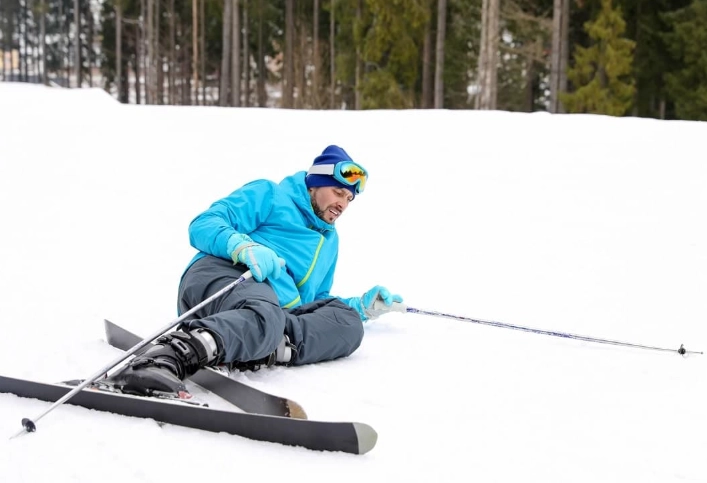
What About Skiing Alone in Europe or Japan?
If you're thinking internationally, the cultural and operational differences are significant. European resorts, particularly in the Alps, are often more interconnected and vast, with fewer "boundaries" and more off-piste access. The expectation of personal responsibility is even higher. You'll rarely find a stated age limit. The assumption is that if you're on the mountain, you are responsible for yourself. This can be liberating but also daunting. Ski patrol is there for rescue, not supervision.
In Japan, the culture is incredibly safe and respectful, which reduces some risks (like reckless skiers). However, language barriers can be a major issue if a child gets separated or needs help. The key in any international setting is an even greater emphasis on pre-planning, designated meeting spots that are impossible to miss, and communication devices.
Answering Your Burning Questions (The FAQ Section)
Can a 10-year-old ski alone?
Under most major resort policies, technically yes, except places like Whistler. But in reality, it's very young. The number of 10-year-olds with the maturity, judgment, and mountain sense to be truly alone is small. It's far more common and advisable for a 10-year-old to be in a supervised group (like a ski school group for older kids) or with a trusted, older sibling/friend. Solo? I'd be very hesitant.
Is 13 a good age to start skiing alone?
Thirteen is a very common threshold, both in resort suggestions and in parental comfort. Biologically, teens are gaining better risk assessment and problem-solving skills. Many have several seasons of experience under their belt. For a mature, competent 13-year-old on familiar, appropriate terrain, it can be a perfect time to start with short, supervised independence sessions. It's often the age where the question "how old do you have to be to ski alone" starts getting a practical "maybe."
What about my 16 or 17-year-old?
At this point, the legal and practical lines blur. Most resorts view older teens as adults. The issue is less about permission and more about ensuring their skill matches their confidence. A 16-year-old on their first ski trip is not automatically ready. But a seasoned 17-year-old? The mountain is theirs to explore responsibly. Your role shifts from gatekeeper to coach, emphasizing good decision-making.
Do they need a special pass or waiver?
Almost never. The ski pass agreement you sign (often electronically when buying online) is a liability waiver that covers the skier, regardless of age. By purchasing the pass and allowing your child on the mountain, you are generally accepting the risks. Some independent mountains might have a separate minor release form, but it's rare. The National Ski Patrol (NSP) doesn't issue licenses for solo skiing.
The Bottom Line Everyone Skips: The goal isn't to hit a minimum age. It's to gradually build a competent, confident, and safe independent skier. It's a process, not a birthday present.
When the Answer is "Not Yet" – Great Alternatives
If you've read this far and realized your kid isn't ready, that's not a failure. It's responsible parenting. Here are fantastic options that aren't just you babysitting them on the bunny hill.
- Advanced Ski School Programs: Look for programs for older kids/teens (often called "Mountain Explorers," "All-Mountain Clubs," etc.). They ski challenging terrain in a guided group with peers. It's independence within a safety net, and they learn tons.
- The Buddy System: Two or more similarly-abled kids together are safer than one alone. They can help each other. Set the rule that buddies never separate.
- Two-Way Radios: Give them a radio. You can ski different runs but be in constant contact. "Meet me at the top of lift 7" is easy. It builds trust on both sides.
- Progressive Freedom: "You can ski this specific run by yourself, and I'll meet you at the bottom." Then two runs. Then a different lift. Expand the zone slowly.
Honestly, some of the best ski days I've had with my kids were when we used radios. We'd split up, chase different kinds of snow, and meet for hot chocolate with stories to tell. It felt free but connected.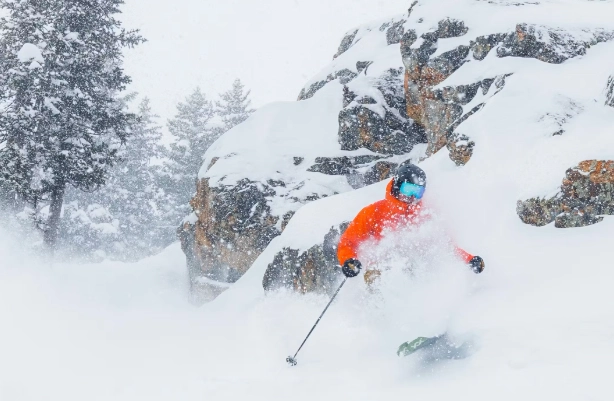
Final Thoughts From Someone Who's Been There
Look, searching "how old do you have to be to ski alone" is a sign you're a good parent. You're not just looking for a hall pass; you're looking for information to make a smart choice.
Forget the magic number. Focus on the magic combination: Resort Policy + Demonstrated Skill + Good Judgment + Clear Plan.
Start with the resort's website. Drill your kid on the skills checklist. Be merciless about conditions. Make a foolproof plan. Then, take a deep breath and let them take a turn. That first solo run they take, grinning from ear to ear as they slide up to you at the meeting spot, is worth all the worry. It's them growing up, right there on the snow.
And if you get it wrong and have to reel them back in? That's okay too. The mountain isn't going anywhere. There's always next season, or next month, or even tomorrow. The goal is a lifetime of safe, joyful skiing, not winning a race to independence.
Now go check that trail map one more time, and have a great day out there.