Vail isn't just another ski resort—it's a global icon. Ask any skier why Vail is famous, and you'll hear about its massive terrain, charming village, and reliable snow. But there's more to the story. Having visited Vail for over a decade, I've seen it evolve from a winter haven to a year-round destination. Let's cut through the hype and explore the real reasons behind Vail's fame, with practical tips for your trip.
What You'll Discover in This Guide
- The Unmatched Scale: Vail's Massive Terrain
- A Village Like No Other: European Charm in the Rockies
- Snow Reliability and Quality: The Powder Promise
- Beyond Skiing: The All-Season Appeal
- The Vail Experience: Luxury and Convenience
- Planning Your Trip: Practical Tips for Visitors
- Frequently Asked Questions (FAQs)
The Unmatched Scale: Vail's Massive Terrain
Vail's size is staggering. With over 5,300 acres of skiable terrain, it's one of the largest ski resorts in North America. I remember my first run here—I got lost for hours, and that's part of the fun. The resort is divided into three main areas: Front Side, Back Bowls, and Blue Sky Basin. Each offers distinct experiences.
Front Side is perfect for beginners and intermediates, with groomed cruisers like Simba and Born Free. But here's a tip many miss: the lift lines can be long, so head to the Game Creek Bowl early for quieter slopes.
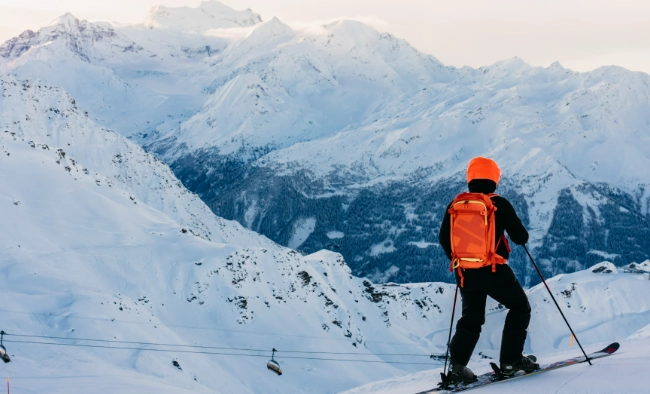
Back Bowls are Vail's crown jewel. Seven expansive bowls provide open, treeless skiing that feels like you're in the Alps. On a powder day, it's pure magic. However, they're not for the faint-hearted—steep pitches and variable conditions demand skill.
Blue Sky Basin added in 2000, offers remote, gladed terrain. It's less crowded, but access can be tricky if snow is low. Check the Vail Resorts website for real-time updates.
Vail's terrain diversity means you'll never get bored. From gentle greens to double blacks, there's something for every level. But don't overestimate your ability—those back bowls can humble even experienced skiers.
A Village Like No Other: European Charm in the Rockies
Step into Vail Village, and you might think you're in Bavaria. The pedestrian-friendly streets, cobblestone paths, and Tyrolean architecture create a cozy, immersive atmosphere. It's not just for show—this design encourages walking, reducing car dependency.
The village is split into Vail Village, Lionshead, and Cascade Village. Each has its vibe. Vail Village is the heart, with upscale shops and restaurants. Lionshead is more family-oriented, with ice skating and easier access to slopes. Cascade Village is quieter, ideal for those seeking peace.
Dining spots like Sweet Basil or The Little Diner offer everything from fine dining to casual bites. Yes, prices are high—a burger can cost $20—but the quality often justifies it. For a budget option, try the food trucks near Gondola One.
On my last visit, I spent an evening strolling along Gore Creek, listening to live music from street performers. It's these small moments that make Vail special beyond skiing.
Snow Reliability and Quality: The Powder Promise
Vail's snow is legendary. Thanks to its high elevation—base at 8,120 feet, summit at 11,570 feet—and location in the Colorado Rockies, it gets consistent snowfall. Average annual snowfall is around 350 inches, with dry, fluffy powder that skiers dream of.
The season runs from mid-November to mid-April, but I've seen great skiing into May. Snowmaking covers key areas, ensuring early-season coverage. However, climate change is a concern—recent years have seen variability. Check snow reports on OpenSnow for accurate forecasts.
Vail's north-facing slopes retain snow better, so focus on areas like Northwoods or Prima for late-season turns. This reliability is a huge draw for destination skiers who plan trips months in advance.
Beyond Skiing: The All-Season Appeal
Vail isn't just a winter wonderland. Summer brings hiking, mountain biking, and festivals. The Epic Discovery program offers activities like zip lines and alpine coasters. I've biked the trails around Vail Pass, and the views are breathtaking.
Events like the Vail Dance Festival or Gourmet on Gore attract visitors year-round. This diversification helps Vail maintain its fame even when snow is scarce. It's a smart move, but summer crowds can rival winter ones—book accommodations early.
Here's a quick overview of year-round activities:
| Season | Key Activities | Best Time to Visit |
|---|---|---|
| Winter (Nov-Apr) | Skiing, snowboarding, snowshoeing, apres-ski | January to March for peak snow |
| Summer (Jun-Aug) | Hiking, biking, concerts, festivals | July for warm weather and events |
| Shoulder Seasons (May, Sep-Oct) | Golfing, fishing, fall foliage viewing | September for fewer crowds |
The Vail Experience: Luxury and Convenience
Vail excels at convenience. The ski-in/ski-out accommodations, like The Arrabelle or Four Seasons, mean you can step from your room onto the slopes. But they come at a premium—rooms often start at $500 per night in peak season.
The free shuttle system connects all village areas, making car rentals unnecessary. I've relied on it for years, and it's efficient, though waits can be longer during holidays.
Dining and shopping are curated for luxury. From high-end boutiques to spas, Vail caters to those willing to spend. But it's not all exclusive—budget travelers can find deals by staying in nearby towns like Avon or using the Epic Pass for discounts.
Vail's integration with the Epic Pass has boosted its fame. This multi-resort pass offers access to Vail and other top destinations, making it a value proposition for frequent skiers. However, it has led to increased crowds, a common complaint among locals.
Planning Your Trip: Practical Tips for Visitors
To make the most of Vail, plan ahead. Here's actionable information:
Address and Location: Vail is in Eagle County, Colorado, about 100 miles west of Denver. The main address for the resort is 1000 Lionshead Place, Vail, CO 81657.
Getting There: Fly into Denver International Airport (DEN), then take the Colorado Mountain Express shuttle or rent a car. The drive takes about 2 hours, but weather can delay it. I prefer the shuttle—it's stress-free and drops you at your hotel.
Lift Tickets and Passes: Day tickets range from $150 to $250 depending on season. Buying online in advance saves up to 20%. The Epic Pass is a game-changer: for around $800, you get unlimited access to Vail and other resorts. If you ski more than 5 days, it pays off.
Operating Hours: Ski lifts typically run from 9:00 AM to 4:00 PM daily during winter. Summer activities have varied hours; check the official site for updates.
Accommodations: Options range from luxury hotels to condos. For families, I recommend Lionshead for its proximity to kid-friendly slopes. Book 3-6 months early, especially for holidays.
Dining Reservations: Popular restaurants fill up fast. Make reservations weeks in advance, or dine early to avoid waits.
A mistake I made early on: underestimating the altitude. Drink plenty of water and take it easy the first day to avoid altitude sickness.