Picking a Colorado ski resort can feel like standing at the top of a double black diamond for the first time—intimidating. Vail? Aspen? Telluride? The names are legendary, but the brochures all look the same: perfect powder, smiling people, cozy villages. The real difference isn't in the marketing; it's in the details that shape your entire trip.
I've spent over a decade chasing snow here, from getting lost in a whiteout on a back bowl to discovering the perfect, uncrowded mid-week run. The biggest mistake I see? People choose a resort based on reputation alone, not fit. A family with young kids will have a miserable time at a resort built for experts, and a hardcore skier will be bored at a mountain with no challenging terrain.
This guide cuts through the hype. We'll match you with mountains based on what you actually want to do, not just what you've heard of.
What's Inside This Guide
The Colorado Ski Resort Breakdown: Who's It For?
Forget "best" overall. Let's talk about "best for you." Here’s a detailed look at five iconic Colorado ski resorts, stripped down to their essentials.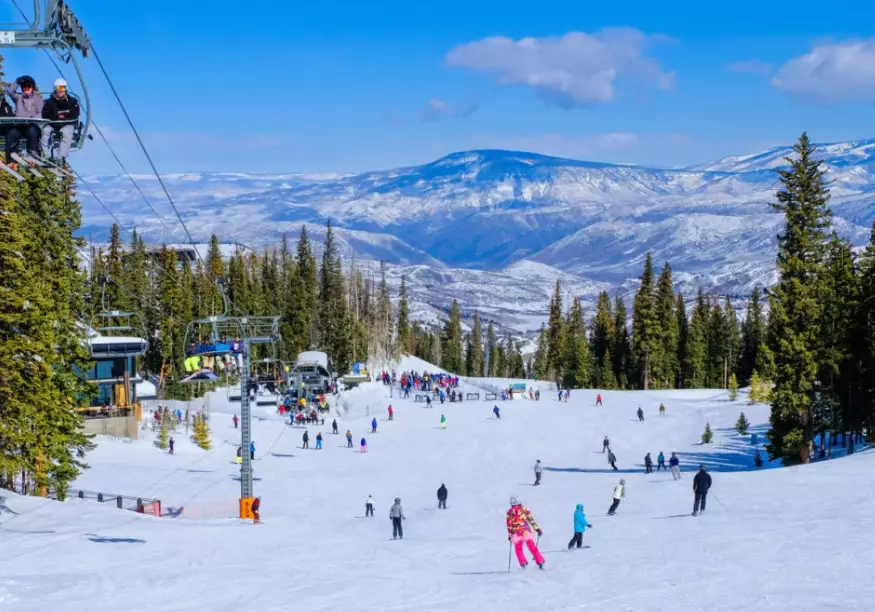
| Resort | Nearest Town/Airport | Summit Elevation | Best For | Not So Great For | Vibe & Key Feature |
|---|---|---|---|---|---|
| Vail | Vail (EGE: 30 min, DEN: 2 hrs) | 11,570 ft | Intermediates, families, luxury seekers, those who want everything in one place. | Budget travelers, experts seeking extreme steeps, avoiding crowds. | Massive, sprawling. The famous Back Bowls (7 miles wide) offer wide-open, above-treeline skiing. The village is car-free and European-style, but can feel manufactured. |
| Breckenridge | Breckenridge (DEN: 1 hr 45 min) | 12,998 ft | Groups with mixed abilities, park & pipe skiers/riders, a lively town scene. | People sensitive to altitude (it's the highest!), those wanting a quiet, secluded escape. | Historic mining town with a real Main Street. Huge, varied terrain. The Imperial Express lift is the highest chairlift in North America. Can get very crowded on weekends. |
| Telluride | Telluride (MTJ: 15 min, a small airport) | 13,150 ft | Experts, scenery lovers, destination travelers wanting a unique, authentic experience. | Beginners (limited terrain), quick weekend trips (remote), budget trips. | Stunning box canyon setting. The town is genuine, funky, and full of character—no corporate gloss. The terrain is seriously steep and challenging. The free gondola connecting town and Mountain Village is a game-changer. |
| Beaver Creek | Avon (EGE: 20 min) | 11,440 ft | Families (especially with young kids), luxury service, avoiding lift lines. | Party-seekers, value-focused skiers. | Vail's more refined, less crowded sibling. Famous for cookies at 3 PM at the base. The beginner area (Haymeadow) is arguably the best in the state. Everything feels polished and attentive. |
| Arapahoe Basin | Dillon (DEN: 1 hr 30 min) | 13,050 ft | Experts, hardcore locals, spring skiing (often open into June), no-frills skiing. | Beginners, families needing amenities, those who want a resort village. | The "Legend." It's all about the skiing. Minimal base area, legendary expert terrain like the Pallavicini lift. The East Wall is hike-to, extreme terrain. The vibe is pure, unadulterated ski culture. |
That table gives you the blueprint. But here’s a nuance most miss: the difference between a resort like Vail and a place like A-Basin isn't just size; it's intent. Vail is a planned, total vacation experience. A-Basin is a ski area. One isn't better, but understanding that will set your expectations right.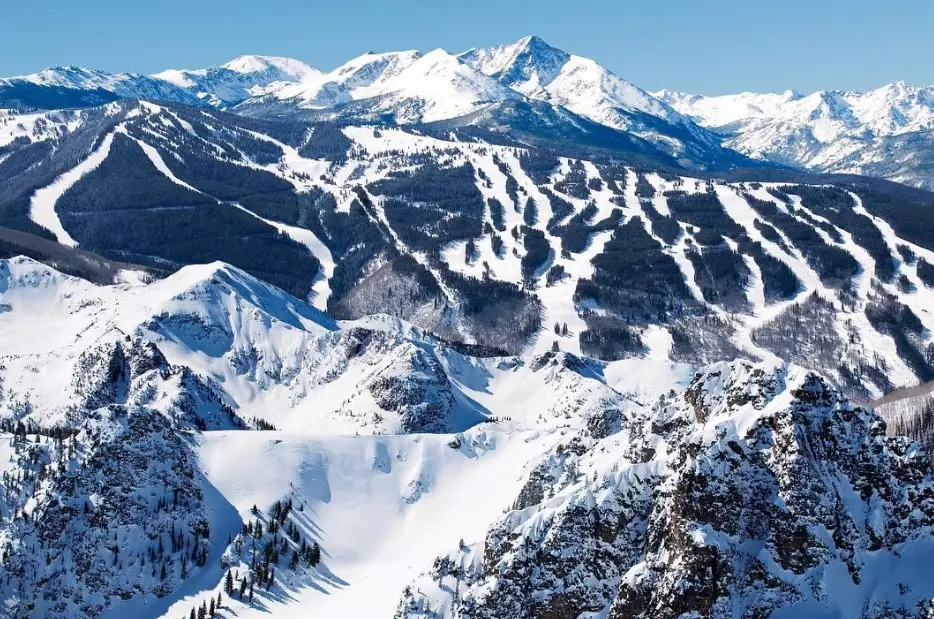
What Really Matters: Looking Beyond Just Terrain
Terrain maps don't tell the whole story. These factors will make or break your week.
The Village vs. The Town
This is huge. A purpose-built village (Vail, Beaver Creek) is convenient, ski-in/ski-out, and tidy. It's also expensive and can lack local soul. A historic town (Breckenridge, Telluride, Aspen) has character, more dining variety, and feels more real. The trade-off? You might need a shuttle or short drive to the lifts. I prefer a real town—walking past Victorian houses in Breck to get a coffee beats a sterile plaza any day.
The Altitude Reality Check
Resorts brag about their elevation. You should worry about it. Sleeping above 9,000 feet hits people differently. Headaches, nausea, fatigue—it's real. Breckenridge and Telluride towns are especially high. My rule: plan a lazy first 24 hours. Drink absurd amounts of water, avoid alcohol, and consider spending your first night in Denver (5,280 ft) to acclimate. It's not a badge of honor to power through; it ruins days.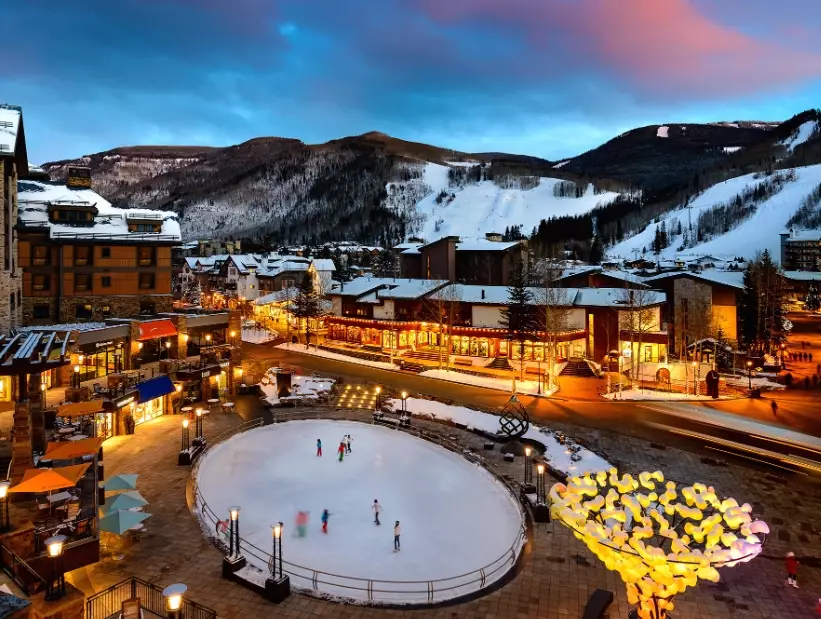
Snow Reliability and The "I-70 Corridor" Effect
The Colorado Rockies are dry. We get famous light powder, but sometimes less of it than you think. Resorts rely on snowmaking, especially early and late season. The further south and west you go (Telluride, Wolf Creek), the better the chance for deep, natural snow. Also, if you're flying into Denver, every resort in that table except Telluride requires driving I-70. This mountain highway is a notorious weekend and powder-day traffic nightmare. A 1.5-hour drive can become 4+ hours. Fly into a regional airport (EGE for Vail/Beaver Creek, MTJ for Telluride) if your budget allows. It's a sanity saver.
How to Plan Your Colorado Ski Trip: A Step-by-Step Framework
Let's build a trip. Follow this order.
Step 1: Lock Down Your Priorities. Write down your non-negotiables. Is it kid-friendly slopes? Nightlife? Steep chutes? A charming town? This will instantly narrow your list.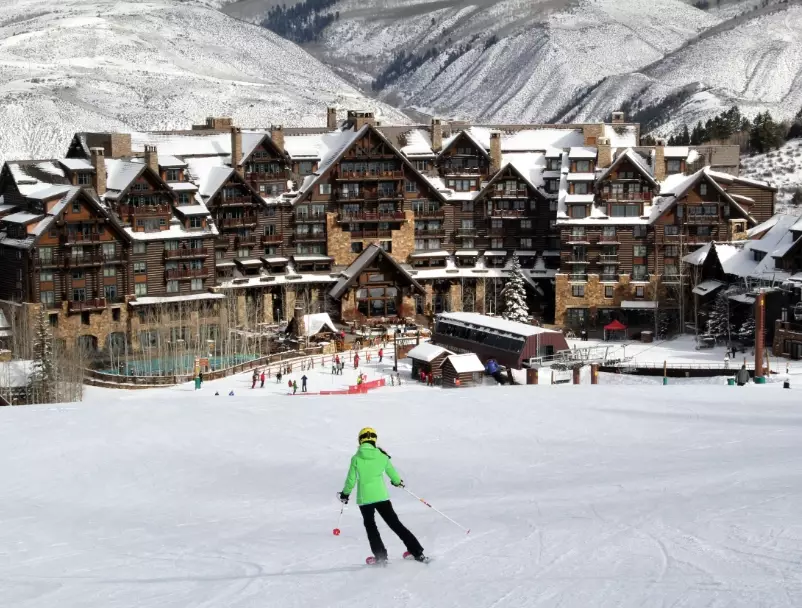
Step 2: Set Your Budget & Be Real. Colorado skiing is expensive. Lift tickets can be $200+ per day at major resorts. Look at multi-day passes early. The Epic Pass or Ikon Pass are almost always worth it if you ski 3+ days. They also force you to choose a resort family (Epic: Vail, Breck, Beaver Creek; Ikon: Aspen, Winter Park, Copper).
Step 3: Book Lodging & Flights. Do this 4-6 months out for the best rates. Consider condos for groups/families. For flights, weigh Denver's cheaper fares against the cost and stress of a long drive vs. a pricier direct flight to a regional airport.
Step 4: Build a Sample Itinerary.
The 3-Day Weekend Warrior (Flying into DEN): Stay in Frisco or Dillon. Day 1: Loveland (acclimatize, great value). Day 2: Breckenridge (terrain variety, town). Day 3: Arapahoe Basin (expert day) or Keystone (night skiing).
The 5-Day Family Vacation (Flying into EGE): Stay in Beaver Creek. Days 1-2: Beaver Creek (learn, perfect groomers). Day 3: Vail (explore the vast front side). Day 4: Relax, sled, ice skate. Day 5: Beaver Creek favorites.
The 7-Day Destination Adventure (Flying into MTJ): Stay in Telluride. Spend 2 days exploring the mind-blowing expert terrain, 1 day on the gentler parts of the mountain, a day off for a snowmobile tour or spa day, then back to ski your favorite zones.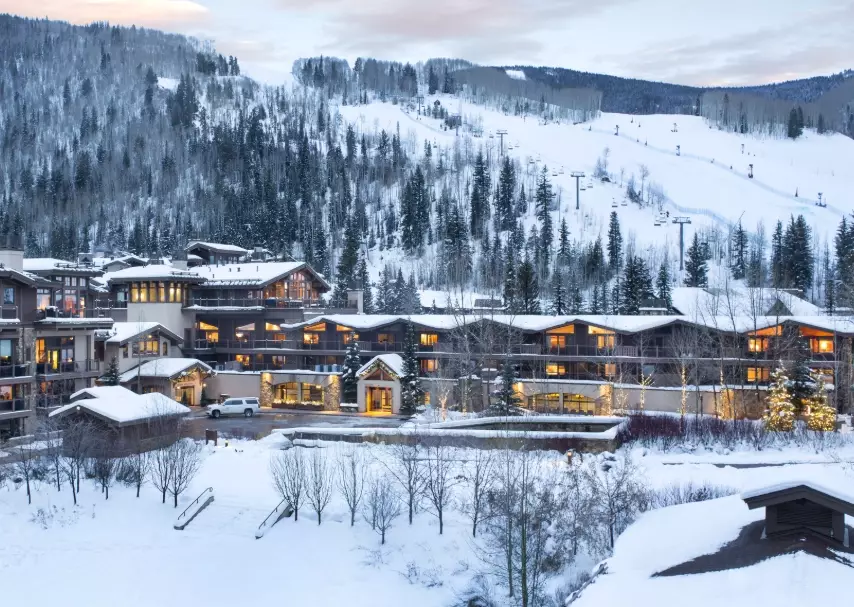
Local Tips & Common Mistakes to Avoid
Here’s where that decade of experience comes in.
**Rent your gear off-mountain. ** Shops in Denver (like Larson's Ski & Sport) or in towns like Dillon are half the price of resort rental shops. Reserve online.
**The 10 AM rule. ** Lift lines peak between 9:30 and 10:30 AM. Be on the first chair, or take a break then. Better yet, ski through the lunch hour when everyone else is inside.
**Layer like an onion. ** Colorado weather changes fast. A moisture-wicking base layer, insulating mid-layer (fleece/puffy), and a waterproof shell are mandatory. Don't wear cotton—it gets wet and stays wet.
**The biggest mistake? ** Not respecting the altitude or the sun. Sunscreen and lip balm are not optional. The sun is intense, and the reflection off the snow is brutal. I've seen more people burned to a crisp by day two than I can count.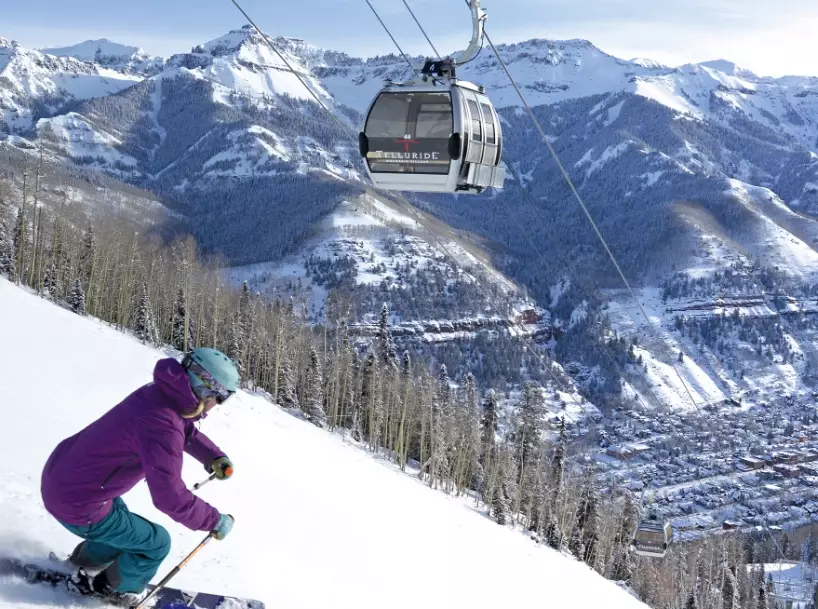
Your Colorado Ski Trip Questions, Answered
Which Colorado ski resort is best for a family with teenagers who are intermediate skiers and want some nightlife?
Breckenridge is your top contender. The terrain is massive and varied enough to keep intermediates entertained for days, with great progression into easier blacks. The historic town has a real, walkable Main Street with plenty of pizza places, arcades, and casual spots that teens love—it feels more independent than a manufactured village. Keystone is a close second, especially for its night skiing operation, but the base village vibe is quieter than Breck's town.
I'm an advanced skier on a budget. Is there any way to ski Colorado without spending $200 a day on lift tickets?
Absolutely, but you have to be strategic. First, target the independent mountains. Arapahoe Basin, Loveland, and Cooper have day tickets significantly cheaper than the mega-resorts, and the skiing is phenomenal for experts. Second, buy in advance online—window rates are always higher. Third, look at season pass deals in the spring for the following winter; the Epic and Ikon passes can bring your per-day cost way down if you commit early. Finally, consider a mid-week trip; some areas offer slight discounts, and you'll avoid the weekend price premium on lodging.
We're beginners planning our first ski trip ever. Is Colorado a good place to learn, or is it too intimidating?
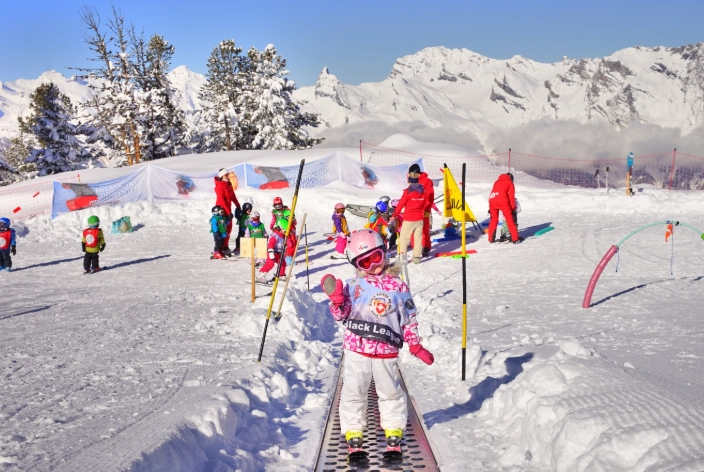
It's a fantastic place to learn, if you pick the right resort. Avoid the expert-centric mountains (Telluride, A-Basin). Instead, head to Beaver Creek or Keystone. Beaver Creek's Haymeadow learning area is gentle, wide, and has its own dedicated, slow chairlift—it's a stress-free bubble. Keystone has a dedicated beginner area at the top of the mountain (Dercum Mountain) accessed by a gondola, so you learn with beautiful views, not just at the base. Both have excellent ski schools. The key is choosing a place that invests in beginner terrain, not just tolerates it.
What's the one piece of gear most people forget that you'd never ski Colorado without?
A good neck gaiter or balaclava. Not a scarf. On cold, windy days above treeline, or during a snowstorm, exposing your neck and face is miserable. A gaiter pulls up to protect your nose and cheeks. I also stash hand and toe warmers in my jacket for those unexpectedly cold lift rides. It's the small comforts that let you stay out longer when the conditions are good.
The perfect Colorado ski resort isn't the one with the most marketing dollars. It's the one that matches your skiing ability, your travel style, and what you want to feel when you're not on the slopes. Use this guide as your filter. Ignore the hype, focus on the fit, and you'll find your mountain.