Let's be honest. After a week on the slopes, your ski jacket and pants aren't just dirty—they're a science project. Ground-in snow grime, lunch spills, that mysterious bar scent, and a compromised waterproof layer that's begging for help. Throwing them in with your regular laundry is a one-way ticket to ruining a $700 investment. I learned that the hard way years ago with my first Gore-Tex shell. The waterproofing was never the same.
Washing ski clothes isn't just about cleanliness; it's essential maintenance. Dirt and body oils clog the microscopic pores of waterproof membranes (like Gore-Tex or similar), making them less breathable and eventually causing the dreaded "wet-out" where water soaks in instead of beading off. Proper cleaning restores performance.
This guide cuts through the noise. It's the method I've used for over a decade, recommended by tech reps from major gear brands and outlined in care documents from the American Outdoor Products Association.
Your Quick Wash Cycle
The Pre-Wash Checklist: Don't Skip This
Ninety percent of washing mistakes happen before you even start the machine. Get this right.
1. Read the darn label. I know, it's obvious. But look for specific symbols: a normal wash cycle (usually 30°C/86°F or 40°C/104°F), the "no bleach" symbol (a triangle crossed out), and crucially, the tumble dry symbol. If it says "Do Not Tumble Dry," you'll need an alternative method later.
2. Empty every pocket. Lift tickets, old snacks, cash, chapstick—get it all out. A melted chapstick stain is a nightmare.
3. Close all zippers and Velcro. This is non-negotiable. Open zippers can snag and tear the delicate lining. Exposed Velcro will act like sandpaper against other fabrics in the wash, creating pilling and damage. Fasten all flaps over the Velcro if your gear has them.
4. Spot treat stains. Got a grease spot from the chairlift or a hot chocolate splash? Apply a small amount of your technical detergent directly to the stain and gently rub it in. Let it sit for 10-15 minutes before washing.
5. Turn your gear inside out. This protects the outer shell and printed logos from abrasion during the wash cycle. It also helps the detergent work directly on the membrane where oils accumulate.
Stop right here if you're considering dry cleaning. Do not dry clean ski wear with waterproof membranes. The chemical solvents used can permanently destroy the DWR (Durable Water Repellent) coating and may harm the membrane itself. The care label might say "dry cleanable," but that's often a generic tag. Trust me, washing is safer.
The Step-by-Step Washing Process
Now for the main event. Follow this sequence like a recipe.
Machine Setup
Use a front-loading washing machine if possible. The agitator in a top-loader can be harsh. If you only have a top-loader, use the gentlest cycle (like "delicate" or "hand wash").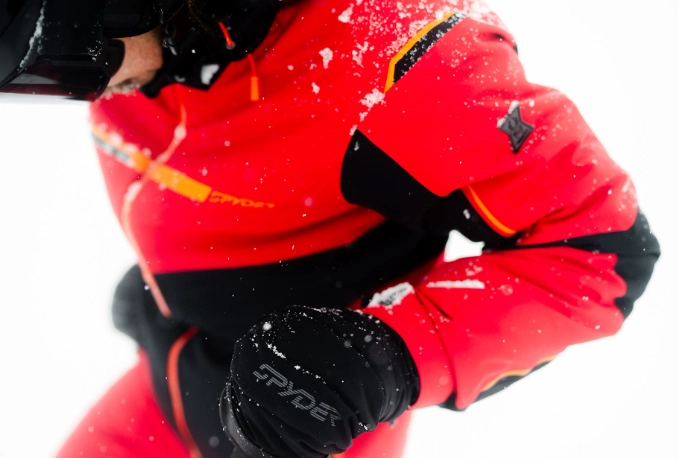
Select the cycle: Choose a gentle or permanent press cycle with warm water (typically 30°C/86°F or 40°C/104°F as per the label). Avoid hot water.
The golden rule: Double rinse. This is the expert tip most guides gloss over. Residual detergent is the #1 killer of waterproof performance. It leaves a film that blocks breathability. If your machine has a "double rinse" or "extra rinse" option, use it. If not, run a second rinse cycle manually.
Loading the Machine
You can wash your jacket and pants together. It's fine. You can even add other technical garments like fleece mid-layers or base layers to the load. Do not wash them with towels, jeans, or heavy cotton items. The lint from cotton will coat your waterproof fabric.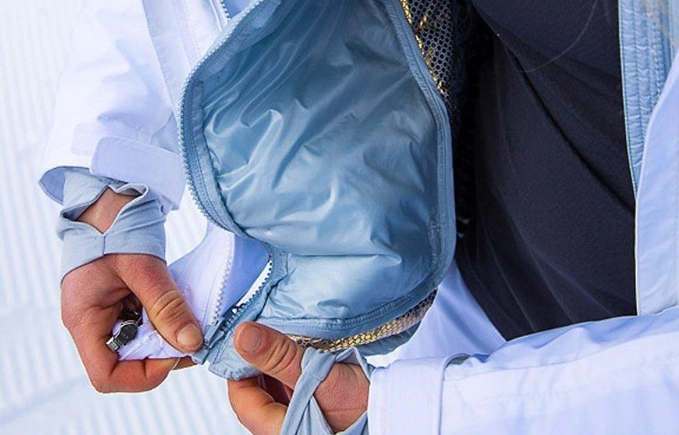
Add the correct amount of a technical sportswear detergent (more on that next) to the detergent drawer. Never use fabric softener, stain removers, or bleach.
What about down-filled gear? The process is similar but requires extra vigilance. Ensure the detergent is down-safe. Adding a few clean tennis balls or dryer balls to the dryer later is crucial to fluff the down and prevent clumping.
The Detergent Decision: What to Use (and Avoid)
This is where people go wrong. Regular laundry detergent contains additives, fragrances, and fabric softeners that coat and clog technical fabrics. You need a cleaner designed to rinse completely without leaving residue.
| Detergent Type | Best For | Key Feature | Brand Examples |
|---|---|---|---|
| Technical Gear Wash | All waterproof/breathable shells, softshells, fleece. | Residue-free formula; cleans and revitalizes DWR. | Nikwax Tech Wash, Grangers Performance Wash |
| Down-Specific Wash | Down jackets and sleeping bags. | Gentle formula that preserves down's natural oils and loft. | Nikwax Down Wash, Grangers Down Wash |
| 2-in-1 Wash + Repel | Gear with severely worn-out water repellency. | Cleans and adds a new DWR coating in one step. | Nikwax TX.Direct Wash-In |
| Avoid: Regular Detergent | - | Leaves residue, harms DWR and membrane. | Tide, Gain, etc. |
| Avoid: Soap Nuts/"Natural" Soaps | - | Often leave a film; not designed for tech fabrics. | - |
My go-to is a dedicated tech wash like Grangers. Yes, it's more expensive than Tide, but a bottle lasts for many washes, and it's insurance for your expensive gear.
Drying & Reactivating the DWR
This step is as important as washing. Heat is required to reactivate the factory-applied DWR coating, making water bead up again.
1. Tumble Dry Low. Place your gear in the dryer on a low heat setting (40-60°C). High heat can damage fabrics and melt adhesives. Throw in 2-3 clean tennis balls or wool dryer balls. They bounce around, breaking up clumps in insulation and helping to restore the loft of fleece and down.
2. Be Patient. It may take 45-60 minutes to dry completely. A damp jacket won't have its DWR properly reset.
3. The Test. Once dry, sprinkle some water on the arm or hood. Does it bead up and roll off? Success. Does it soak in and darken the fabric? The DWR is depleted.
If the DWR fails the test: Don't panic. It's normal after 10-20 washes. You have two options:
- Iron (Carefully): Lay a thin towel over the garment and gently run a warm (not hot) iron over it. The indirect heat can sometimes perk up the DWR.
- Apply a DWR Spray-On: This is the permanent fix. After washing, while the garment is still damp, spray an even coat of a product like Nikwax TX.Direct Spray-On to the outer fabric. Then, tumble dry on low to set it. This adds a new, effective water-repellent layer.
No dryer? Air dry completely, then use a hairdryer on a warm (not hot) setting to gently warm the fabric, moving it constantly. It's less effective but can help.
The 3 Most Common Mistakes (And How to Avoid Them)
I've seen these ruin good gear.
1. Using Fabric Softener. This is public enemy number one. Softener coats fibers, making them feel nice but completely blocking the breathability of waterproof membranes. Your jacket will feel stuffy and wet inside from sweat.
2. Skipping the Extra Rinse. Even with tech wash, a single rinse often isn't enough. That faint detergent residue is a breathability killer. The double rinse is your best friend.
3. Storing Gear Dirty or Damp. At the end of the season, always wash your gear before storing it. Body salts and oils can degrade fabrics and coatings over time. Store it clean, dry, and loosely hung in a closet—not crammed in a stuff sack.
Your Ski Gear Wash FAQs Answered
The bottom line? Washing your ski clothes properly isn't hard. It just requires the right knowledge and a slight shift from your normal laundry routine. Treat your gear with this level of care, and it will keep you dry, comfortable, and looking good season after season. Now go revive that jacket—it's earned it.