Let's cut to the chase. The number one thing that can make or break your trip to Crystal Mountain isn't the lift lines or the rental equipment—it's the weather. And I'm not just talking about whether it's sunny or snowy. I'm talking about the dramatic, sometimes frustrating, but always fascinating micro-climate that defines this place. Getting a handle on Crystal Mountain weather means you stop being a victim of the forecast and start planning like a pro. This guide will show you how.
What's Inside This Guide
Understanding Crystal Mountain's Micro-Climate (It's Not Just One Weather)
Here's the biggest mistake visitors make: they look at the weather app for "Crystal Mountain, WA" and think that's the whole story. It's not. The resort spans over 2,600 acres with a 3,100-foot vertical drop. The base area and the summit experience can feel like two different planets on the same day.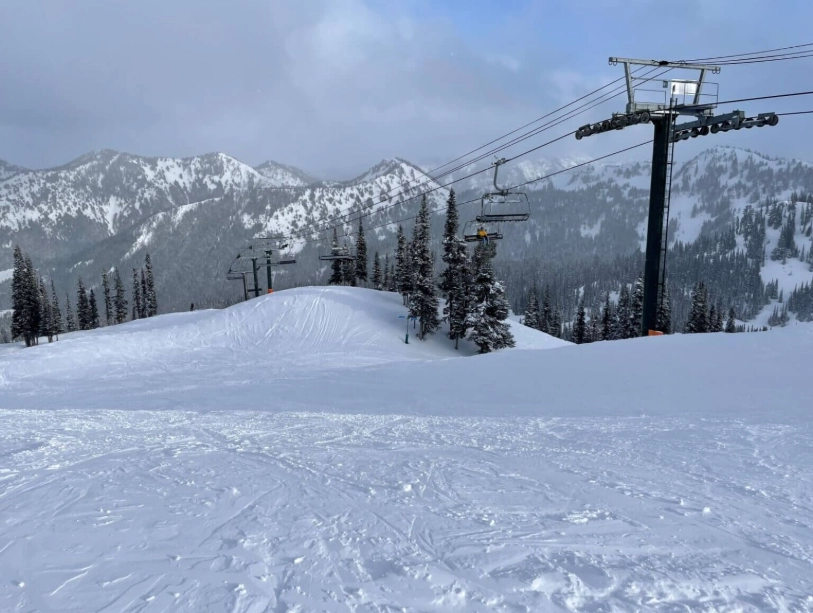
At the base (around 4,400 feet), you might have rain. Drive up to the Green Valley area (5,400 feet), and it's wet, heavy snow. Reach the summit at Campbell Basin (7,012 feet), and you're in a full-blown blizzard with light, dry powder. This elevation-driven weather split is the single most important concept to grasp.
The other major player is the Pacific moisture. Storms roll in from the ocean, hit the Cascades, and get squeezed upward. This "orographic lift" is why Crystal gets its legendary snowfall—often 400+ inches a season. But it also means clouds, wind, and rapid changes. A bluebird morning can turn into a whiteout afternoon faster than you can say "chairlift."
Crystal Mountain Seasonal Weather Guide
What can you expect month by month? Let's break it down beyond the basics.
Winter (December - February): Deep Snow & Cold Temps
This is peak season. Temperatures at the summit routinely drop into the teens and single digits (Fahrenheit). Base temps are usually in the 20s and 30s. Snowfall is frequent and heavy. The key here is precipitation type. Pay close attention to the freezing level. If the forecast says the freezing level is at 5,000 feet, it means rain at the base and potentially heavy, wet "Cascade Concrete" snow higher up. If it's at 2,000 feet, you're getting dry powder all the way down.
What it means for you: Prime skiing and snowboarding, but prepare for the coldest weather. Visibility can be low during storms. Road conditions on State Route 410 are critical—always check the Washington State DOT for pass conditions and chain requirements.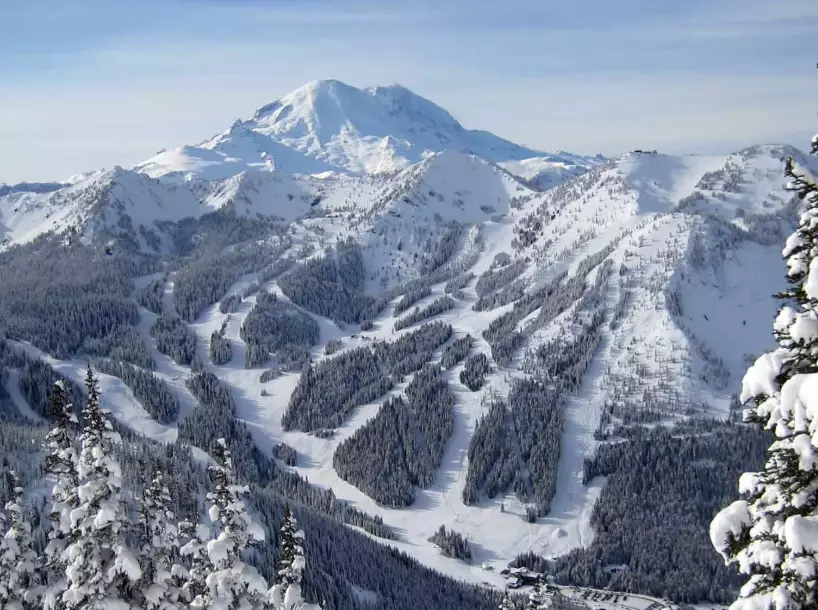
Spring (March - May): Longer Days & Variable Snow
My personal favorite. Days get longer, the sun feels warmer, but the snowpack is still deep. You'll experience a huge range: firm, groomed corduroy in the morning, softening to perfect corn snow by midday, and then potentially slush by afternoon at lower elevations. The freeze-thaw cycle is king. Nighttime temps need to drop below freezing to re-set the snow for good morning skiing.
What it means for you: Shed layers as the day goes on. Sunscreen is non-negotiable—the sun reflects off the snow with intensity. Spring storms can still dump a foot of fresh snow, especially in March and early April.
Summer (June - September): Wildflowers & Mountain Biking
The snow melts, revealing alpine meadows. Daytime temperatures at the base are pleasant, typically 65-75°F. At the summit, it's cooler, often 55-65°F. Afternoon thunderstorms can build quickly in July and August, a pattern many summer hikers underestimate.
What it means for you: Ideal for hiking the Washington Trails Association-loved trails around the resort and for scenic gondola rides. Always pack a rain shell, even on a sunny morning.
Fall (October - November): The Quiet Shoulder Season
The resort is typically closed. Weather is transitional and unpredictable—sunny, crisp days followed by early season snowstorms. This is when the mountain gets its first significant snows, building the base for winter.
How to Get an Accurate Crystal Mountain Weather Forecast
Forget your phone's default weather app. You need specialized sources.
| Forecast Source | Best For | Key Feature | Why It's Better |
|---|---|---|---|
| National Weather Service (NWS) - Crystal Mountain | Official, detailed forecast including wind, precipitation type, and discussion. | Forecaster Discussion text. | Meteorologists explain the why behind the forecast, giving you context on confidence levels. |
| NWAC Avalanche Forecast | Snowpack stability, snowfall rates, and elevation-specific weather. | 3-day mountain weather forecast broken down by elevation. | It's built for backcountry travelers and gives you the precise snow/rain line and wind data that skiers need. |
| Crystal Mountain Official Snow Report & Webcams | Real-time, ground-truth conditions. | Live webcams from the base, mid-mountain, and summit. | You can see the current cloud cover, visibility, and if it's actually snowing right now. The snow report updates daily in winter. |
| Windy.com or Mountain-Forecast.com | Visualizing wind patterns, precipitation radar, and future satellite loops. | Interactive maps and model comparisons. | You can watch storm systems approach and see the forecasted timeline for precipitation hitting the mountain. |
My routine? The night before, I read the NWS discussion and check NWAC. In the morning, I look at the Crystal webcams and Windy's radar to see what's actually happening. This cross-referencing takes 5 minutes and eliminates surprises.
Packing for Crystal Mountain Weather: The Layering Art
Packing for variable weather isn't about bringing everything. It's about smart, versatile layers. Here’s my non-negotiable list, honed from forgetting key items at the worst times.
The Base Layer: Merino wool or synthetic. Cotton is a recipe for misery once it gets wet (from sweat or snow).
The Mid Layer: A lightweight fleece or a puffy vest. This is your thermostat—easy to put on or take off.
The Outer Shell: A waterproof and breathable jacket and pants (Gore-Tex or equivalent). Not just "water-resistant." You need taped seams. This is your biggest investment and worth every penny.
Accessories That Matter:
- Gloves: Two pairs. A lighter pair for warmer days/spring, and a heavy-duty waterproof pair for deep winter.
- Headwear: A warm beanie and a lighter buff or neck gaiter. The gaiter is a game-changer for face protection on windy lifts.
- Socks: Ski-specific wool socks. Don't double up—it causes blisters.
- Eyewear: Goggles with a low-light lens (yellow/rose) and a sunny-day lens. Sunglasses for summer and spring apres.
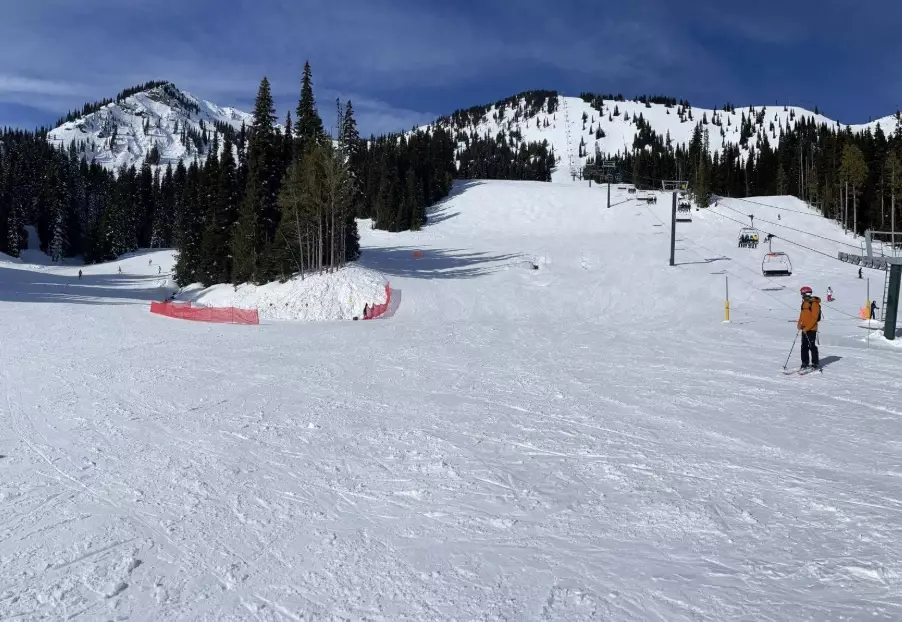
Weather-Based Crystal Mountain Trip Planning
Let's apply this. How does the forecast change your day?
Scenario 1: The Bluebird Powder Day
Forecast: Clear skies, 10°F at summit, 24°F at base, 12+ inches of fresh snow overnight, light wind.
Your Plan: Get there early. Traffic on 410 will be heavy. Head straight to the higher lifts (Green Valley, Rainier Express) for the untouched snow and stunning views of Mt. Rainier. Your sunny-day goggle lens is key. Pack sunscreen and lip balm. The snow will be skied out by afternoon, so enjoy the morning frenzy.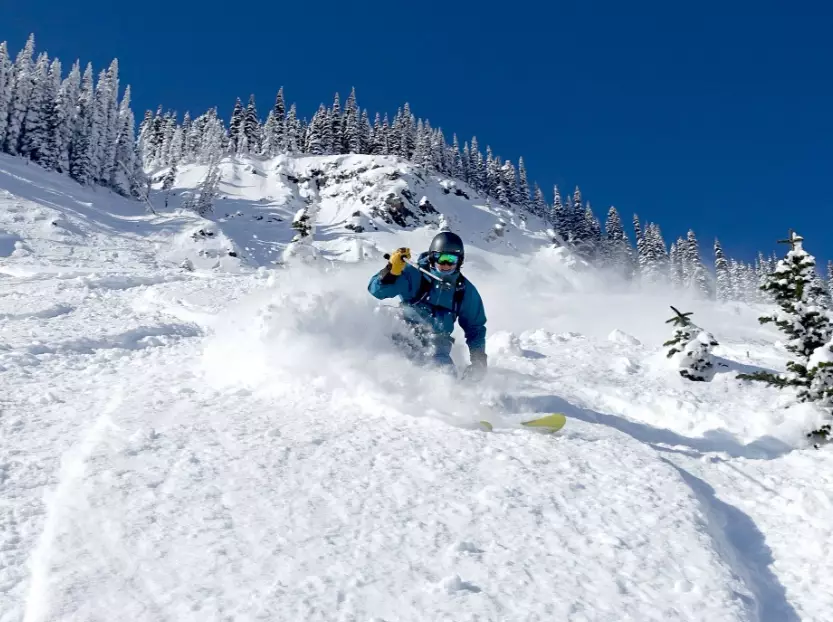
Scenario 2: The Stormy, Low-Visibility Day
Forecast: Snowing heavily, 20°F at summit, 34°F at base, strong winds, freezing level at 4,500 ft.
Your Plan: Don't despair. This is when you find the best snow. Stick to the tree-lined runs (like Lower Ferks or the Northway area) where the trees provide definition and block the wind. Your low-light goggle lens is mandatory. Take more frequent warm-up breaks. Check the NWAC forecast for avalanche danger if you're venturing near gate-accessed terrain.
Scenario 3: The Spring Corn Hunt
Forecast: Sunny, overnight low of 28°F, daytime high of 45°F at base.
Your Plan: Start on east-facing slopes in the morning as the sun softens them. As the day warms, follow the sun to south and west-facing aspects. By afternoon, lower mountain runs might get slushy—time for a patio beer. Your layers will go from a full setup in the morning to just a base layer and shell by lunch.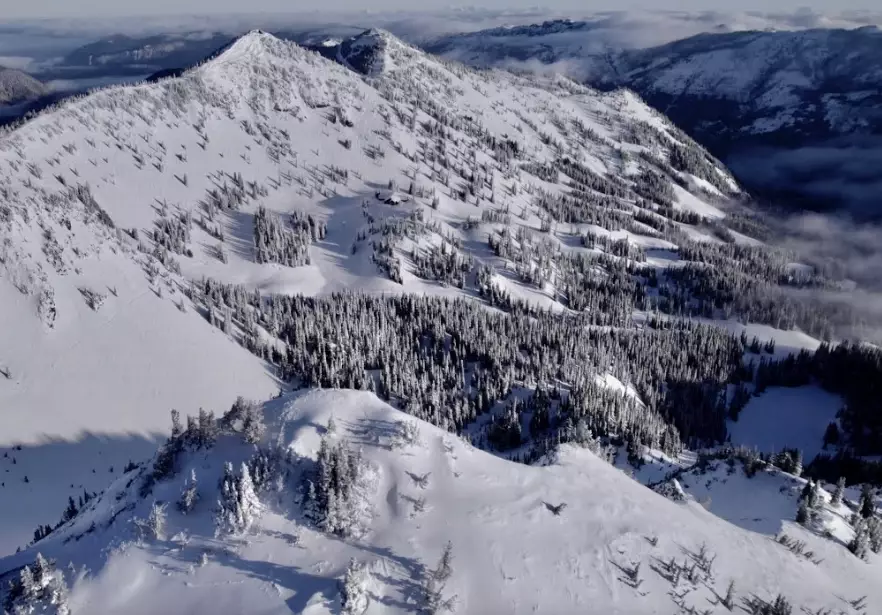
Crystal Mountain Weather FAQs
Why does the weather at Crystal Mountain summit and base feel so drastically different?
I see a forecast for rain at Crystal Mountain. Should I cancel my ski trip?
What's the one weather-related mistake you see beginners make most often?
How reliable is the Crystal Mountain snow report for planning my drive up?
Is it true the weather is worse on weekends?
Final thought.
Respecting Crystal Mountain weather is the first step to loving it. It's what creates the deep snow, the crisp bluebird days, and the wild beauty. Don't fight it. Learn to read it, prepare for it, and use it to plan a smarter, more enjoyable adventure. Check those specialized forecasts, pack those layers, and you'll be ready for whatever the mountain throws at you.