Quick Guide
- Why Bother? The Real Reason Ski Lift Names Matter
- Where Do They Come From? The Naming Playbook Revealed
- A Practical Guide: Using Lift Names to Your Advantage
- The Great Name Hall of Fame (And a Few Duds)
- Your Questions, Answered: The Ski Lift Name FAQ
- The Bottom Line: Listen to What the Mountain is Telling You
Okay, let's be honest. When you're standing in line, freezing your toes off and dreaming of that first run, you're probably not pondering the deep meaning behind the sign that says "Sunshine Express." You just want to get up the hill. I get it. I've been there, stomping my boots to keep warm, thinking the same thing.
But here's the thing I've learned after years of chasing snow: those ski lift names are way more useful than you'd think. They're not random. They're a secret code, a map, and a history book all rolled into one. Once you start paying attention, the whole mountain starts to make more sense. You stop being just a passenger and start understanding the landscape. Why is that lift called "The Plunge"? What story is "Miner's Camp" trying to tell? It changes the game.
Ski lift names are the mountain's personality. They tell you where you are, what to expect, and sometimes, what happened there long before the first skier showed up.
This isn't just trivia for ski nerds (though, guilty as charged). Knowing the logic behind chairlift names can genuinely help you plan your day, avoid crowds, and find the terrain that's perfect for you. It's a piece of practical knowledge that most guides don't talk about. So, let's pull back the curtain and look at where these names come from, what they mean, and how you can use them.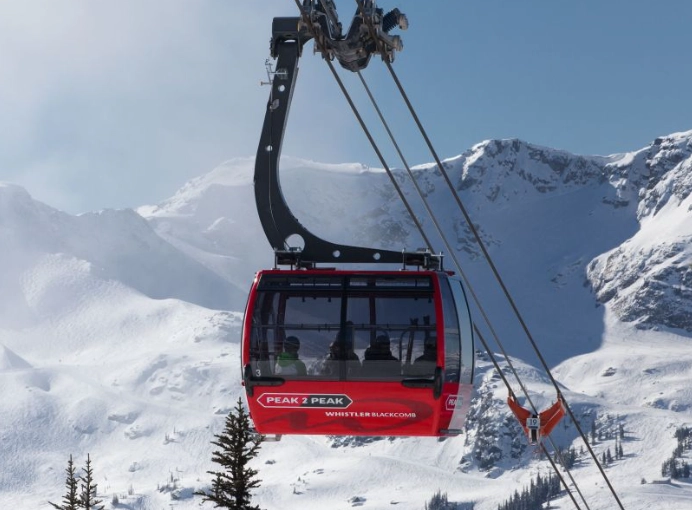
Why Bother? The Real Reason Ski Lift Names Matter
Before we dive into the "how," let's talk about the "why." Why should you care? I used to think it was just decoration. A nice-to-have. Then I got hopelessly lost trying to find a lift called "Escape" at a huge resort. The name was ironic, to say the least. That experience made me realize these names serve some very real purposes.
First and foremost, they are a primary navigation tool. On a sprawling mountain with dozens of lifts, saying "meet me at the blue chair" is a recipe for disaster. Which blue chair? But "meet me at the Bear Claw lift" is specific. The names create unique identifiers. Resort trail maps, apps, and signage all rely on these unique ski lift names to guide you. It's the fundamental language of the mountain.
Beyond navigation, they set expectations. This is the really useful bit. A lift named "Gentle Giant" or "Beginner's Bliss" is sending you a clear message about the terrain it serves. Conversely, names like "Corner Pocket," "The Dive," or "Kill the Bank" (a real one out there!) are not-so-subtle hints that you should probably have your act together before hopping on. They manage skier expectations and, in a way, help with safety by subtly signaling difficulty.
Finally, they build the resort's brand and tell a story. They create an atmosphere. A resort with lifts named "Goldminer's Daughter," "Bonanza," and "Claim Jumper" is instantly painting a picture of its Wild West history. Another with "Alpine Glory," "Summit Serenade," and "Peak Vista" is selling you on pristine, scenic beauty. The names are a key part of the marketing, the vibe, the whole experience. They make the place memorable.
Where Do They Come From? The Naming Playbook Revealed
So how do resorts actually come up with these names? It's not a dartboard exercise (usually). There's a logic to it, and it generally falls into a few big categories. Understanding these categories is like getting the answer key to the mountain.
1. Terrain & Geography: The "What You See Is What You Get" Names
This is the most straightforward category. The lift is named after the geographic feature it climbs, the area it serves, or the view it offers. It's purely descriptive.
- The Peak/Summit: If it goes to the top, it'll often say so. Think "Summit Express," "Peak Lift," "Top of the World." Simple and effective.
- The Bowl or Basin: "Sunshine Bowl Lift," "Panda Bowl Quad." It tells you exactly what terrain you're accessing.
- The View: "Scenic Skyride," "Vista Bahn," "Panorama." These are often slower lifts meant for sightseers as much as skiers.
- Compass Points: "North Face Lift," "East Rim Chair." Pure geographic orientation.
These names are your best friends for basic navigation. They're literal and don't require any inside knowledge.
2. History, Lore & Local Culture: The Names with a Story
This is where it gets interesting. Many ski lift names are anchors to the past. They preserve local history, mining lore, Native American heritage, or early skiing legends. At Jackson Hole, you ride the "Aerial Tram" to the top of Rendezvous Mountain, a nod to the historic rendezvous points of mountain men. In Aspen, you have the "Ruthie's Run" chair, named for early ski champion Ruth Humphreys Brown.
Resorts in old mining towns are goldmines for this (pun intended). You'll see loads of names referencing claims, miners, and boom times. It adds a layer of depth. You're not just skiing a slope; you're skiing over a piece of history. The Colorado Ski & Snowboard Museum has great resources on this kind of history if you're curious to dive deeper.
I have a soft spot for these historical names. They feel less corporate. "Molly Hogan" at Sun Valley has more soul than "Chair 7." It makes the mountain feel like a place with a past, not just a product.
3. Wildlife & Nature: The Eagle Has Landed (On a Sign)
This might be the single most popular theme. If you've skied, you've undoubtedly ridden a lift named after an animal. It's a classic. Eagles, bears, foxes, lynx, porcupines—you name it. It connects the resort to the natural environment and often reflects animals actually found in the area.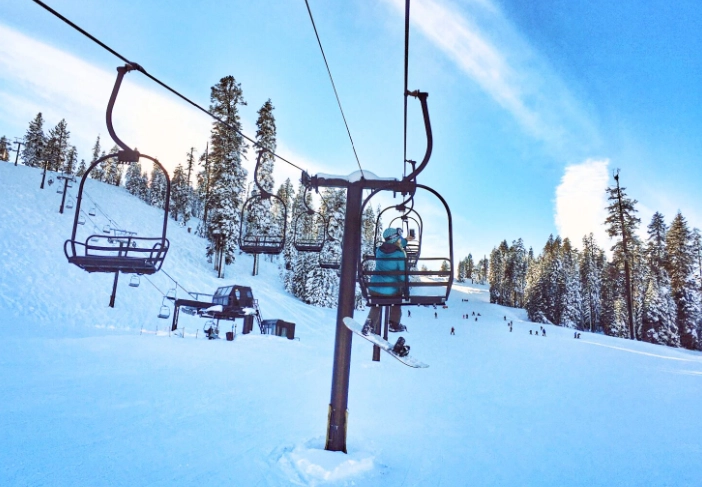
Why is this theme so ubiquitous? It's universally appealing, easy to remember, and lends itself to great logo design for the lift towers and maps. A fierce eagle or a cute marmot is more visually striking than a number. It also subtly reinforces the "wilderness" experience that skiers are often seeking.
4. Whimsy, Puns & Pure Fun
Not every name has to be serious. Some are just playful. This is where resort personality shines through. You'll find puns like "Chair 5: The Fifth Element" or playful names like "Powder Monkey," "Happy Tunes," or "Sundance." Sometimes they name a slow, beginner lift something friendly and non-intimidating like "Cub Carpet" or "Magic Carpet" (though that's also descriptive). These names are meant to put a smile on your face and lighten the mood.
5. The Corporate Sponsor
Let's address the elephant in the room. Not all naming is poetic. Sometimes, a lift name is simply sold to a corporate sponsor. You might find yourself riding the "Coca-Cola Quad" or the "Vail Resorts Epic Mix Express." Opinions on these are... divided. Purists hate them, seeing them as a sell-out of the mountain's character. Resort operators see them as vital revenue streams that help fund upgrades and operations. Personally, I find them jarring. They break the immersion of the natural or historical theme. But hey, if it means they can afford a new high-speed lift, I'll grumble quietly and still ride it.
A Practical Guide: Using Lift Names to Your Advantage
Enough theory. How do you actually use this knowledge? Let's get tactical. Here’s how understanding ski lift names can make you a smarter, more efficient skier or snowboarder.
Pre-Trip Research: When you're looking at a resort's trail map online, don't just look at the trails. Scan the chairlift names. Cluster them. Do you see a group with "glades," "chute," or "bowl" in the name? That's likely your advanced terrain sector. See a lot of "meadow," "green acres," or "beginner" references? That's your learning zone. The names create a pre-navigated map in your mind before you even arrive.
Pro Tip: Lifts with "Express," "High-Speed," or "Six-Pack" in the name are usually the main arterial lifts out of the base area. They move the most people. Lifts with more specific, terrain-based names ("Timberline," "Back Bowl Access") are often the ones that get you to the good, less-crowded stuff.
On-Mountain Navigation: Got a rendezvous point? Use the specific lift name. "I'll meet you at the bottom of the Prospector lift at 1 PM" is foolproof. Trying to follow a local's tip? "Take the Sterling Lift, then traverse right off the top to find the untouched powder"—the name is the crucial anchor in those directions.
Choosing Your Line: The lift name can be a final clue about the run you're about to take. If you get off the "Kachina Peak" lift at Taos, you know you're in for a serious, high-alpine adventure. Stepping off the "Gallery" lift at Big Sky, you might expect something more wide-open and scenic. It's that last-second context check.
The Great Name Hall of Fame (And a Few Duds)
Let's have some fun. Over the years, some ski lift names have achieved legendary status for being cool, clever, or just perfectly apt. Others... well, they exist. Here's a completely subjective, non-ranked list of memorable ones.
| Lift Name | Resort | Why It's Notable | Category |
|---|---|---|---|
| The Tram | Jackson Hole, WY | Iconic. Simple. The one-word name says it all. It's the legendary box that takes you to the top of the world. | Geography/Icon |
| Kachina Peak | Taos Ski Valley, NM | Named for the sacred Puebloan spirit dolls. Imbues the lift and the extreme terrain it serves with a sense of reverence and respect. | Culture/History |
| Deep Temerity | Aspen Highlands, CO | Just a fantastic, evocative name for a lift serving famously steep, deep, and intimidating terrain. The name *feels* like the skiing. | Whimsy/Terrain |
| The Stairway to Heaven | Heavenly Mountain Resort, CA/NV | A brilliant pun that works on multiple levels (the resort name, the elevation gain, the feeling it gives you). | Whimsy/Pun |
| Mighty Mite | Multiple Resorts | A classic, cute name for a beginner lift. The alliteration makes it stick, and it's non-threatening for first-timers. | Whimsy/Beginner |
| Excelerator | Keystone, CO | It's a high-speed lift. The name tells you exactly what it does. Simple, modern, effective. | Terrain/Function |
| [Generic Bank Name] Quad | Various | Let's be real. These are the duds. They serve a financial purpose but add zero character to the mountain experience. | Corporate |
See what I mean? The good ones tell a story or create a feeling. The forgettable ones are just... there.
Your Questions, Answered: The Ski Lift Name FAQ
I've gotten a bunch of questions about this topic over time. Here are the most common ones, straight from the lift line.
Do resorts ever change lift names?
They do, but it's not super common. It usually happens for a few reasons: a major upgrade (replacing an old double chair with a high-speed six-pack might warrant a new name), a corporate sponsorship deal (see above, sigh), or a conscious rebranding effort to better align with a new theme or corrected history. For example, some resorts are re-evaluating names that may be culturally insensitive. When a name changes, it can cause genuine confusion for regulars, so resorts don't take it lightly. The National Ski Areas Association (NSAA) has guidelines and best practices that many resorts follow regarding all aspects of operations, including branding.
Who actually gets to name a ski lift?
It varies. Sometimes it's the resort's marketing team. Sometimes it's put to a staff vote. For major new lifts, there might even be a public naming contest to generate buzz. Historical names are often sourced from local historians or long-time community members. The final approval typically sits with resort management or the ownership group.
Are there any rules or taboos?
There's no official rulebook, but there are strong conventions. Most resorts avoid names that are overtly commercial (unless it's a sponsor), outright offensive, or too confusingly similar to another lift on the same mountain. There's also an unspoken rule to avoid names that sound too dangerous or ominous—you don't want to scare beginners unnecessarily, even if the terrain is tough.
What's the deal with lift numbers versus names?
Many lifts have both! The number is often the internal, operational identifier used by mountain ops and patrol (e.g., "Incident on Lift 4"). The name is the public-facing brand. On older, simpler mountains, or for very minor lifts, they might just use a number. But names are far more common for guest-facing communication because they're easier to remember and differentiate.
The Bottom Line: Listen to What the Mountain is Telling You
Next time you're clicking into your bindings, take a second to look up at the sign. That ski lift name isn't just a random word. It's a clue. It's a story. It's a piece of the mountain's identity.
Knowing whether you're about to board a lift named after a serene meadow, a historical figure, a fierce animal, or a steep chute gives you context. It helps you piece together the puzzle of the resort. It makes you more connected to the place. And honestly, it just makes the whole experience richer. You start to see the mountain not as a collection of slopes and lifts, but as a place with character, history, and a logic all its own.
So go ahead. Embrace your inner ski nerd. Decode the names. Use them to find your way. You might just discover your new favorite run because you paid attention to what the lift was called. And if you find yourself on one with a truly terrible name?
Just enjoy the ride up anyway. The skiing is what really matters.