Picture this: you arrive at your ski destination, step off a train or shuttle, and breathe in the crisp mountain air. No circling for parking, no scraping ice off a rental car, no worrying about chains or snowy roads. Your hotel is a short walk away, the lifts are even closer, and the only traffic you'll encounter is fellow skiers heading to the first run of the day. This isn't a fantasy; it's the reality of planning a trip to a car-free ski resort.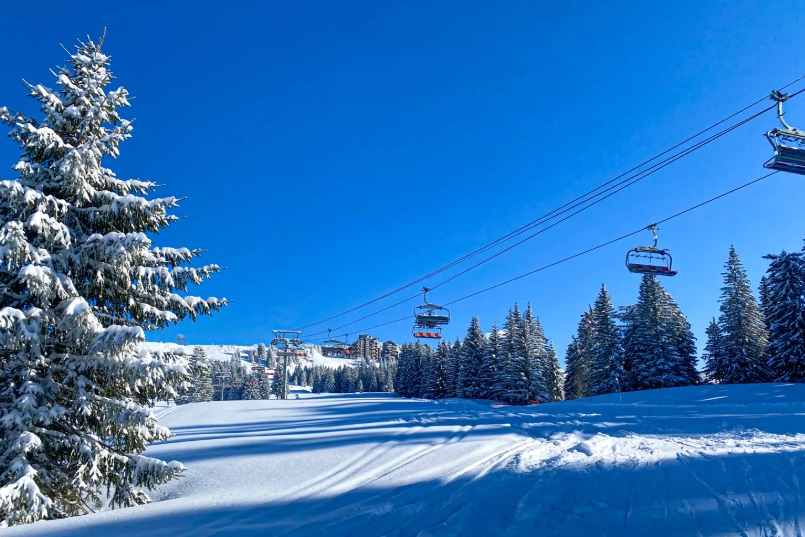
I've been skiing for over 15 years, and my most memorable trips—the ones that felt like true holidays—were the ones where I left the car behind. The shift towards car-free alpine villages isn't just a quirky trend; it's a conscious design for better skiing, safer communities, and a more relaxed vacation. Let's dive into what makes these places special and how you can plan the ultimate stress-free ski week.
Your Quick Guide to This Article
What Exactly is a Car-Free Ski Resort?
It's not just a village with a pedestrianized main street. A true car-free ski resort has a core village area where private vehicles are completely prohibited. Access is strictly via train, dedicated shuttle buses, or in some cases, approved electric taxis. Your arrival point is a transit hub, and from there, you walk. Everything—accommodation, lifts, restaurants, shops—is designed to be within a comfortable walking distance, often on compacted snow paths.
The concept originated in Europe, driven by geography and a focus on preserving alpine environments. Resorts like Zermatt and Saas-Fee in Switzerland were pioneers. North America has embraced it too, with purpose-built villages like Whistler's Upper Village and the base of Deer Valley offering similar, if not always 100% car-free, pedestrian-focused experiences.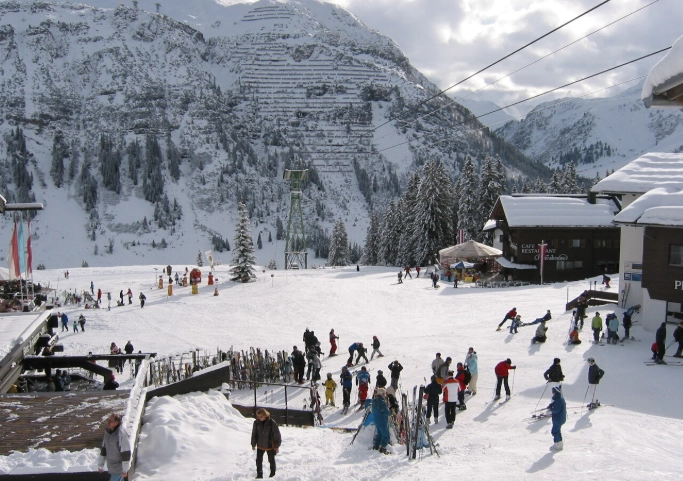
Expert Tip: Don't confuse "car-free" with "hard to get to." The logistics are often smoother than dealing with mountain passes. The key is that once you're there, the complexity of moving around vanishes. You trade the freedom of a car for the freedom from all its hassles.
Top Car-Free Ski Resorts to Consider
Here’s a look at some of the best car-free ski resorts that deliver on the promise. This table breaks down the essentials to help you compare.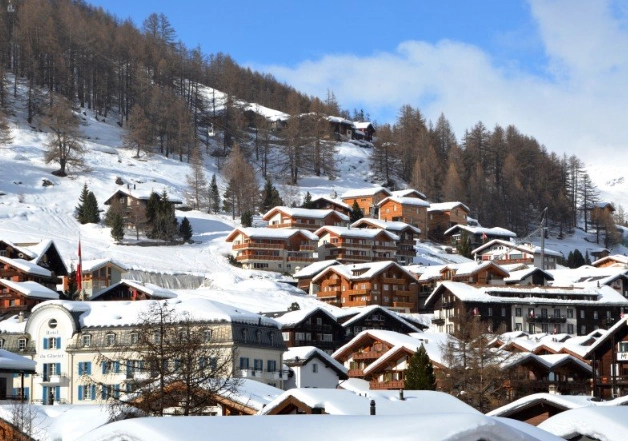
| Resort & Country | How You Get There | Ski Area & Vibe | Walkability & Lodging Notes |
|---|---|---|---|
| Zermatt, Switzerland | Direct train from Zurich/Geneva airports to Zermatt station (approx. 3.5-4 hrs). Taxis (electric) from station to hotel. | Linked with Cervinia, Italy. 360km of slopes. Iconic Matterhorn views. Upscale, international vibe. | Extremely walkable, but it's a long village. Use local e-taxis if your hotel is far from station. Book lodging near a lift or the Sunnegga funicular for ultimate convenience. |
| Saas-Fee, Switzerland | Train to Visp, then postal bus to Saas-Fee (car park at village entrance). Shuttle buses meet trains. | Exceptionally compact. Almost everything is within a 10-minute walk. Great for families who don't want to haul gear far. | |
| Whistler Village (Upper), Canada | Fly to Vancouver (YVR). Direct shuttle ("Skylynx") or epic 2.5-hour drive on Sea-to-Sky Hwy. Park in outer lots. | Upper Village is the true car-free zone. Stay here for ski-in/ski-out to Blackcomb. The main village is a 5-10 min walk away. Free local buses connect everything. | |
| Avoriaz, France | Part of Portes du Soleil. Train to Cluses, then bus. Or drive to huge parking structures at village entrance. | ||
| Mürren, Switzerland | An adventure! Train to Lauterbrunnen, then cable car, then narrow-gauge train. Multiple transfers with luggage. |
A common mistake I see is people booking a "cheap" hotel in Zermatt that's a 25-minute uphill walk from everything with luggage. The savings aren't worth the daily trek. In a car-free resort, your location is your convenience. Pay a bit more to be central or near a key lift.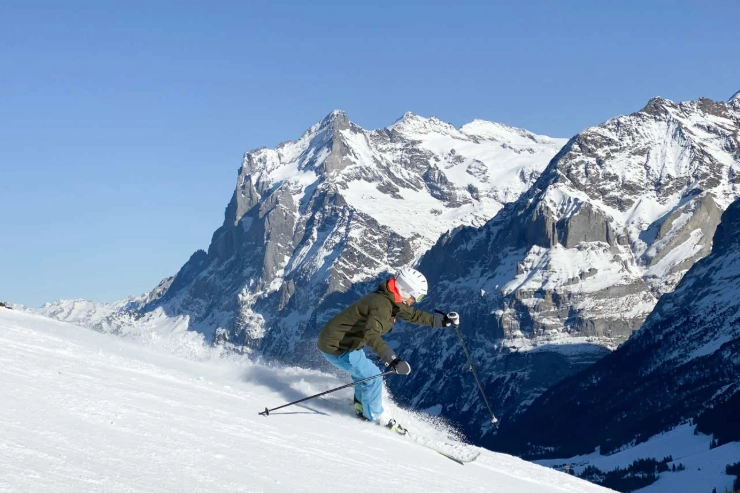
What are the Real Benefits of Going Car-Free?
It’s more than just a cute gimmick. The advantages touch every part of your trip.
Safety First, Especially for Families. This is the biggest unspoken win. With no cars, kids have the run of the village. They can wander between the hotel, the bakery, and the ski school meeting point without you having a minor heart attack. It creates an incredible sense of freedom and security that you just don't get in a standard resort.
Instant Relaxation Mode. The mental load of driving in winter conditions, finding parking, and worrying about your rental car disappears. Your vacation starts the moment you board the train, not when you finally find a parking spot after a 4-hour drive.
Environmental Cred. You’re significantly reducing your carbon footprint. These resorts often pair the car-free policy with extensive renewable energy use and strict building codes. According to a study by the University of Innsbruck, traffic-related emissions in car-free alpine valleys are a fraction of those in accessible resorts.
Community and Atmosphere. Streets filled with people, not vehicles, create a more vibrant, social atmosphere. The soundscape is of chatter and laughter, not engines. It feels more like a community and less like a parking lot with lifts.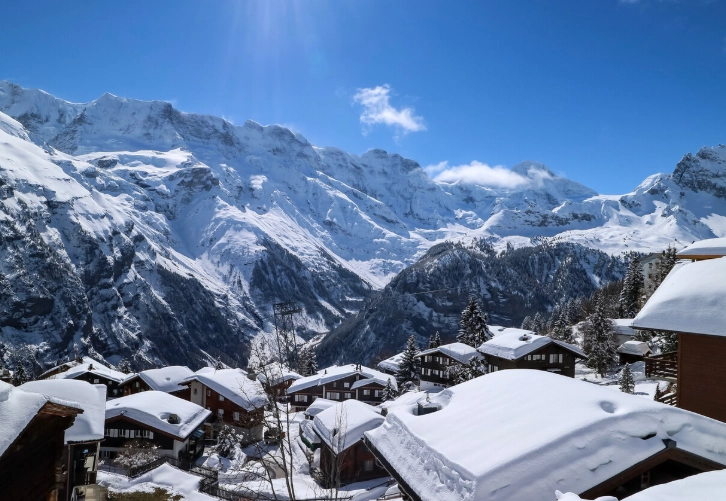
The One Potential Drawback (And How to Beat It)
Getting your luggage from the transit hub to your hotel. Dragging a 50-pound roller bag through slush is nobody's idea of fun.
The fix? Research luggage services. In Zermatt, for example, you can hand your bags to a company right at the train station, and they'll deliver them to your hotel for about 15-20 CHF. Worth every cent. Or, pack lighter and use a backpack or a duffel bag with backpack straps. Wheeled suitcases are the enemy of cobblestone and snow.
How to Plan Your Car-Free Ski Trip
A little different from your usual routine. Follow these steps.
Step 1: Choose Your Base. Use the table above. Ask yourself: Do I want epic scale (Whistler, Zermatt) or cozy charm (Saas-Fee, Mürren)? A raging apres scene or family tranquility?
Step 2: Master the Logistics. This is crucial. Don't just book flights.
- Trains: Book Swiss (SBB) or Austrian (OBB) train tickets in advance for the best fares. Seat reservations are rarely needed but check.
- Shuttles: For North America, book your airport shuttle (e.g., Epic Rides to Whistler) at the same time as your flights. They can sell out.
- Luggage: As mentioned, look up local luggage transfer services. Pack your ski boots and one day's essentials in a carry-on.
Step 3: Book the Right Accommodation. Proximity is king. Filter for "distance to lift" or "central location." Read reviews specifically mentioning the walk to lifts/shops. A hotel with a ski room and boot warmers is worth its weight in gold.
Step 4: Gear Strategy. You have three options:
- Rent On-Site: Easiest. Most resorts have excellent rental shops right by the lifts or that deliver to your hotel.
- Bring Your Own: Use a ski bag and boot bag. Factor in luggage transfer costs.
- Demo/Performance Rentals: Often better quality than standard rentals. Book online in advance for a discount.
I usually rent on-site. It eliminates the airline baggage fee and the schlep. The convenience outweighs the cost for a week-long trip.
Is a Car-Free Ski Resort Right for You?
Almost certainly yes, if you fall into these categories:
Families with young children. The safety and simplicity are unbeatable.
Skiers who prioritize relaxation. You want to focus on skiing, eating, and sleeping, not logistics.
Groups of friends. Everyone can come and go independently without coordinating a single car.
Eco-conscious travelers. It's one of the most impactful choices you can make for a greener ski trip.
Maybe think twice if: You're on an extremely tight budget (transfers can add cost), you plan to visit multiple different ski areas daily (though linked areas solve this), or you have severe mobility issues (though many resorts offer electric taxi services).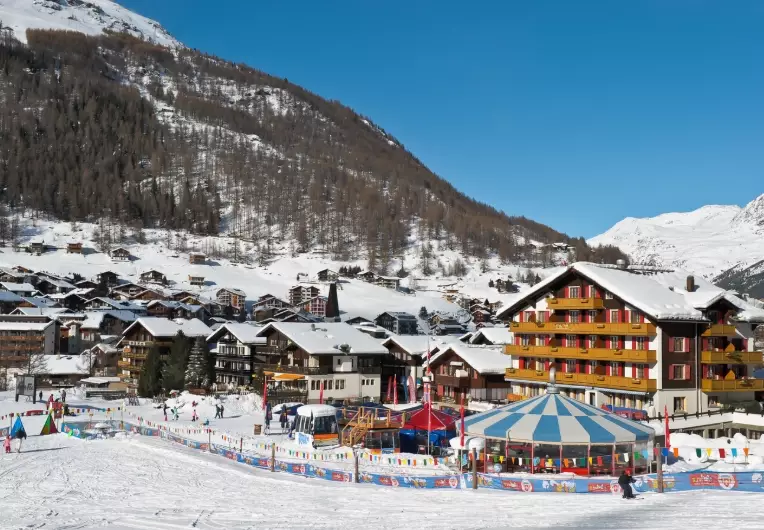
Your Car-Free Ski Trip Questions Answered
We're a family with two young kids and a ton of gear. Is a car-free resort more hassle than it's worth?
I like to explore different resorts in one trip. Doesn't going car-free lock me into one place?
What's the one thing most people forget to pack for a car-free resort?
Are car-free resorts more expensive?