- It All Starts With the Basics: What Makes a Glove a *Ski* Glove?
- The Anatomy of a Great Ski Glove: A Feature-by-Feature Breakdown
- The Ultimate Ski Glove Buying Guide: Matching Glove to Skier
- Glove Care: How to Make Your Investment Last for Seasons
- Straight Answers: Your Top Ski Glove Questions
- Wrapping It Up: Your Action Plan
Let's be honest. When you're planning a ski trip, gloves are probably not the first thing on your mind. You're thinking about skis, boots, that epic mountain view. But here's a truth every seasoned skier learns, often the hard way: a bad day on the slopes almost always starts with cold, wet hands. I remember my first season, using cheap department store gloves that promised warmth. By 10 AM, my fingers were numb little sausages, and I spent more time in the lodge warming up than actually skiing. A total waste of a lift ticket.
That experience taught me that ski gloves aren't just an accessory; they're critical safety and comfort gear. Your hands are your primary interface with your poles, your bindings, your goggles, your zippers. If they're frozen, everything becomes harder, slower, and frankly, less fun. This guide is what I wish I had back then. We're going to tear apart the world of ski gloves, look under the hood, and figure out exactly what makes a great pair. Forget the marketing fluff. We're talking real-world performance, materials, and the subtle details that make all the difference between misery and pure mountain joy.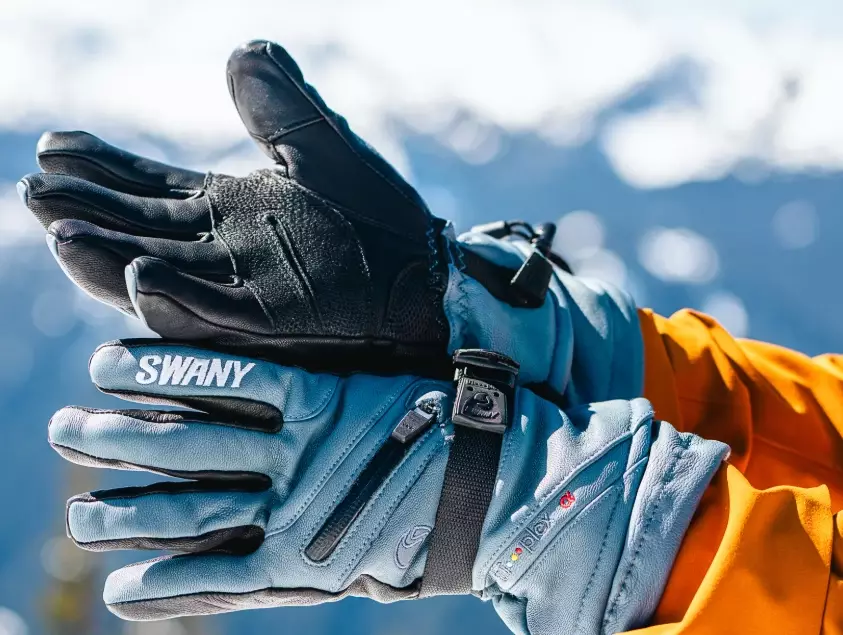
It All Starts With the Basics: What Makes a Glove a *Ski* Glove?
You can't just grab any winter glove and call it a day. Ski-specific gloves are engineered for a unique and brutal environment: high wind speeds, constant moisture (snow is wet!), sudden impacts, and the need for dexterity. The core mission of any ski glove is a balancing act between three pillars: Warmth, Dryness, and Dexterity. Improve one, and you often have to compromise on another. The "perfect" glove is the one that balances these for *your* specific needs.
Think about it. The bulkiest mittens will be super warm but make it hard to buckle your boots. A super thin glove might give you great feel for your camera buttons but leave you shivering on the chairlift. The trick is finding your personal sweet spot.
The Holy Trinity: Insulation, Waterproofing, and Breathability
These are the three technical specs you'll see on every product page. Let's decode what they actually mean for you on the mountain.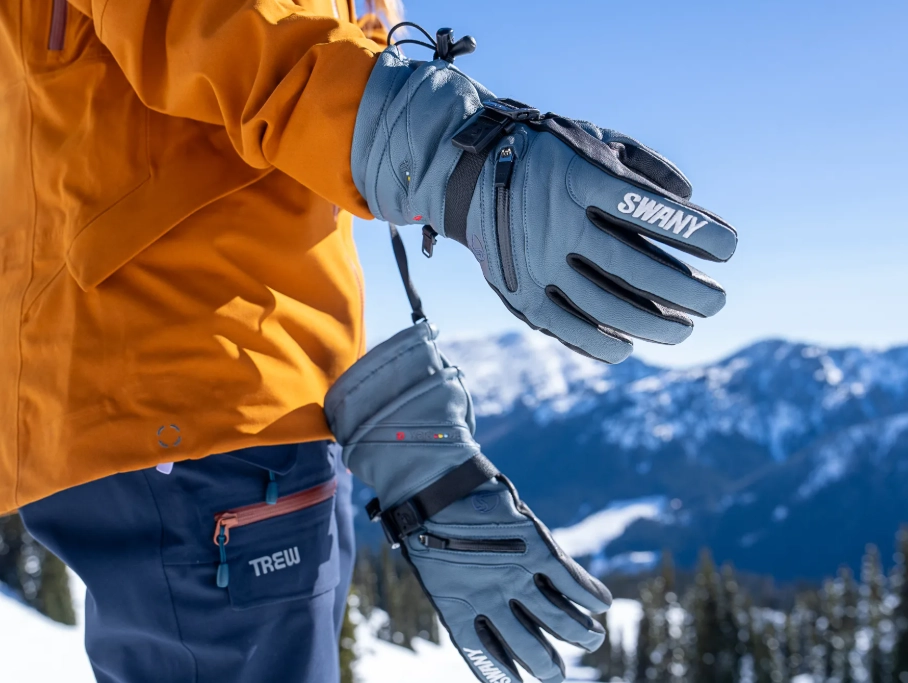
Insulation: Trapping Your Body Heat
Insulation is the fluffy stuff that creates dead air space, trapping your body heat. More loft (thickness) generally means more warmth, but also more bulk. Here’s the lowdown on the main types:
| Type | What It Is | Pros | Cons | Best For |
|---|---|---|---|---|
| Synthetic (Polyester, PrimaLoft®) | Man-made fibers engineered to mimic down. | Retains warmth when wet, dries fast, hypoallergenic, often less expensive. | Can be bulkier for the same warmth, may compress over time. | Wet climates, beginners, value-conscious buyers. |
| Down (Goose, Duck) | Natural bird plumage under feathers. | Unbeatable warmth-to-weight ratio, highly compressible, long-lasting loft. | Useless when wet (loses all insulation), takes ages to dry, more expensive. | Very cold, dry climates (interior BC, Rockies), prioritizing packability. |
| Wool/Fleece Liners | Often used as a removable inner layer. | Great moisture management, stays warm even if damp, naturally odor-resistant. | Not usually the primary insulation, adds bulk. | As a liner for extreme cold or for managing sweat. |
My take? For most recreational skiers, especially in variable or wet snow conditions, a high-quality synthetic fill is the safer, more practical bet. That said, I own a pair of down-filled mitts for those brutally cold, bluebird days in the Alps, and nothing beats them. But they live in my pack if there's a hint of precipitation.
Waterproofing & Breathability: The Magic Membrane
This is where the real technology lives. A waterproof glove uses a membrane (like Gore-Tex, eVent, or a brand's own like DryVent or HyVent) that's laminated to the outer shell or inner liner. These membranes have microscopic pores that are smaller than a water droplet but larger than a water vapor molecule. So, liquid snow can't get in, but your sweat vapor can get out. Neat, right?
The performance is measured in two numbers:
- Waterproof Rating (mm): Think of this as water pressure resistance. 5,000mm is okay for light rain. A good ski glove should be at least 10,000mm, with 15,000mm or 20,000mm being excellent for all-day storm skiing. My primary gloves are 20k, and I've never had a leak.
- Breathability Rating (g/m²/24h): How much moisture vapor can escape. Higher is better. 10,000g is decent, 15,000g+ is great.
Here's the catch: these ratings are lab tests. In the real world, seams are the weak point.
The Anatomy of a Great Ski Glove: A Feature-by-Feature Breakdown
Now let's look at the physical components. These are the details that separate a good glove from a great one.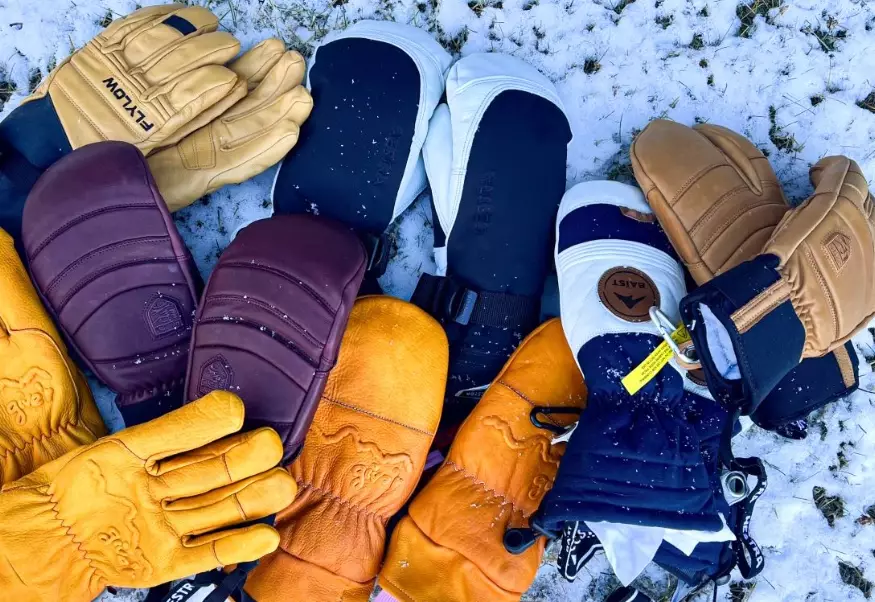
The Outer Shell: Your First Line of Defense
This is the tough, often nylon or polyester, outer fabric. It needs to be abrasion-resistant (for handling skis and poles), have a DWR (Durable Water Repellent) coating to make water bead up, and often includes reinforcements in high-wear areas like the palms and fingertips. Leather (goat, cow, kangaroo) palms are popular for their incredible grip and durability. I prefer leather palms—they mold to your hand and give a confidence-inspiring grip on poles that synthetics just can't match, though they require a bit more care.
The Cuff: Keeping the Snow Out
This is crucial! A poor cuff design lets in a mini-avalanche of snow every time you fall (or just move energetically).
- Short Cuff: For spring skiing or warm days. Offers maximum wrist mobility. Personally, I find these only useful in the park.
- Gauntlet/Over-the-Cuff: The most common and effective for resort skiing. It fits over your jacket sleeve, with a cinch system (elastic, velcro, or a cord) to seal it tight. This is the gold standard for snow exclusion.
- Under-the-Cuff/Glove: A tighter, neoprene-like cuff that fits under your jacket sleeve. Preferred by backcountry and alpine skiers for a super-secure, streamlined fit that won't catch on anything.
The Liner: Removable or Fixed?
Many ski gloves come with a removable liner. This is a fantastic feature for two reasons: drying and versatility. You can pull the liners out at the end of the day to dry them separately (dramatically speeding up the process). On super cold days, you can even wear the liner alone for camp chores or driving. Fixed liners are often lighter and can feel less bulky, but if they get soaked, the whole glove is out of commission for longer.
Those Little Extras That Aren't So Little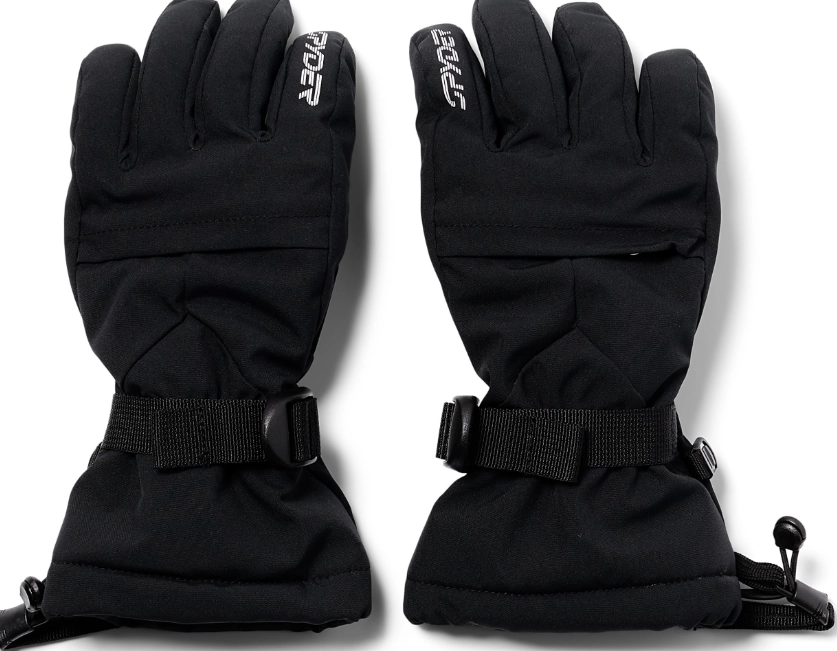
This is where brands earn their stripes.
- Nose Wipe: A soft, fleecy patch on the back of the thumb. Sounds trivial, but on a cold day, it's a godsend. Don't buy a glove without one.
- Goggle Wiper: A rubber or silicone strip on the index finger for clearing goggle lenses. Super handy in a snowstorm.
- Zippered Pockets: For hand warmers or a ski pass. A hand warmer pocket on the back of the hand is a game-changer for cold days.
- Wrist Leash: A simple cord to prevent you from dropping a glove off the chairlift. Lifesaver.
- Touchscreen Compatibility: Conductive material on the thumb and forefinger. It works... okay. Don't expect iPhone-level precision, but it's enough to skip a song or take a quick photo without exposing your skin.
The Ultimate Ski Glove Buying Guide: Matching Glove to Skier
Alright, theory is over. Let's get practical. Here’s how to translate all that info into a buying decision. I've broken it down by the type of skiing you do most.
The Resort Cruiser / Beginner
You're on groomed runs, taking frequent breaks, and spending time on chairlifts. Warmth and dryness are your top priorities, with decent dexterity for buckles.
Look for: Gauntlet cuff, waterproof rating of 10k+, synthetic or hybrid insulation, removable liner, nose wipe. Don't overspend here, but don't buy the absolute cheapest either. A solid mid-range glove from a reputable brand will serve you perfectly. Brands like REI's co-op line, Dakine, or Spyder offer great value.
The All-Mountain / Advanced Skier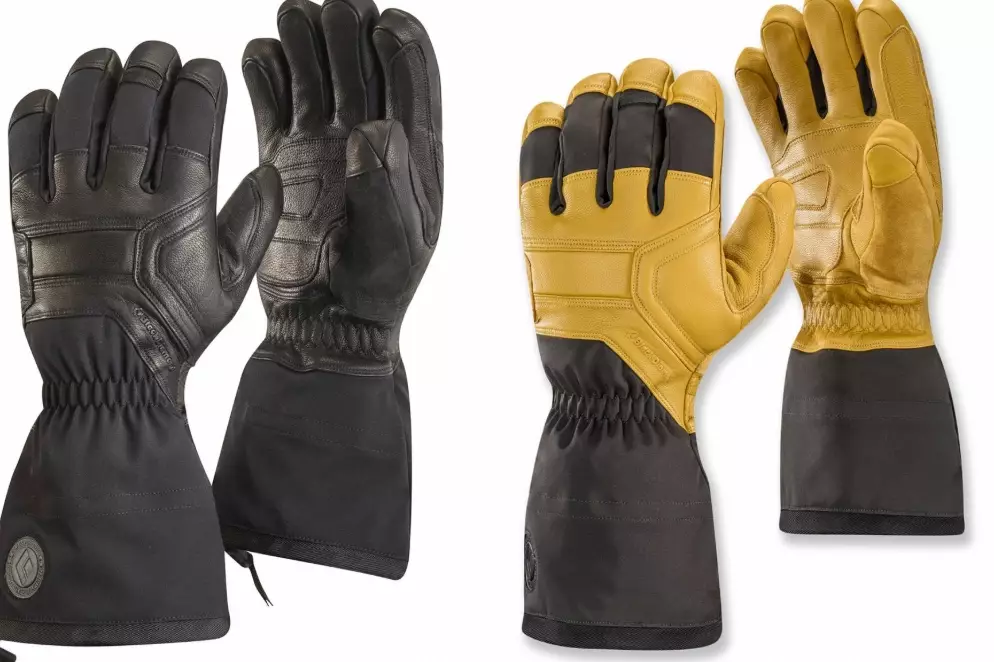
You're everywhere on the mountain—groomers, bumps, trees, maybe a little side-country. You need a glove that can handle anything the mountain throws at it.
Look for: Excellent waterproofing (15k+), durable leather or reinforced palm, articulated pre-curved fingers for better grip, all the useful features (goggle wipe, hand warmer pocket). This is where you invest. Hestra, Black Diamond, and Arc'teryx make phenomenal all-mountain models. I've put over 100 days on a pair of Hestra Army Leather gloves, and they're just getting broken in.
The Backcountry / Touring Skier
Your needs are split: lightweight and breathable for the uphill, warm for the descent and transitions. Layering is key.
Look for: A system approach. Thin, breathable, wind-resistant gloves or even fingerless gloves for the climb. Then, a warm, insulated, waterproof shell glove or mitten for the down. Under-the-cuff design is common to avoid snagging. Brands like Outdoor Research (with their brilliant glove systems) and Flylow excel here.
The Park & Pipe Skier
Dexterity and impact protection are king. You're handling rails, adjusting bindings constantly, and falling on hard snow.
Look for: Shorter cuffs for mobility, reinforced impact padding on knuckles and palms (like D30 foam), flexible materials, and excellent grip. Warmth is often secondary to feel. Companies like Celtek and Dakine focus on this market.
Glove Care: How to Make Your Investment Last for Seasons
This is where most people fail. You spend good money on a great pair of ski gloves, then ruin them in a year by throwing them on a radiator. Don't be that person.
Drying: This is the single most important thing. NEVER use direct, intense heat like a radiator, fire, or hair dryer on high. It melts glues, cracks leather, and destroys DWR coatings. Always air dry at room temperature. Remove the liners if possible. Stuffing the fingers with crumpled newspaper helps absorb moisture from the inside out.
Cleaning: Dirt and body oils clog the membrane's pores, killing breathability. Follow the manufacturer's instructions! Generally, use a technical gear cleaner (like Nikwax Tech Wash or Grangers Performance Wash), not regular detergent. Reapply a DWR treatment (spray-on or wash-in) after cleaning to restore the water-beading ability of the outer shell.
Leather Care: If your gloves have leather palms, they need conditioning to prevent drying and cracking. Use a leather conditioner designed for outdoor gear (like Nikwax Leather Conditioner) once or twice a season, after cleaning and drying.
Treat your gloves well, and they'll pay you back with years of reliable service. My main pair is going into season five.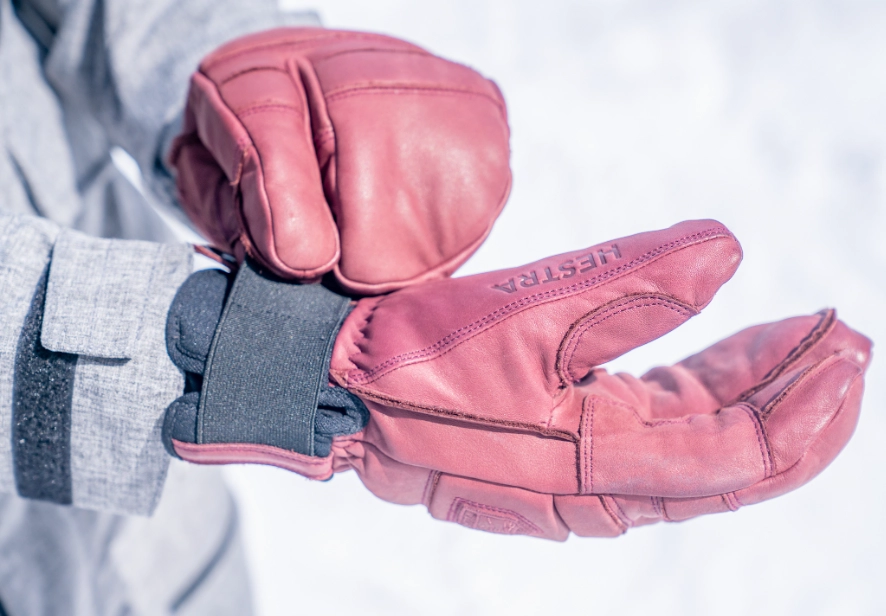
Straight Answers: Your Top Ski Glove Questions
Let's tackle some of the specific, real-world questions I get asked all the time.
Gloves vs. Mittens: Which is Warmer?
Mittens, no contest. By keeping your fingers together, they share warmth and have less surface area exposed to the cold. The trade-off is a huge loss of dexterity. Can you operate your ski pole straps, adjust your boots, or use your phone easily in a mitten? Not really. My rule: if the temperature is above 20°F (-7°C), I prefer the utility of gloves. Below that, or for inactive kids, mittens are the warmth winners. Some brands even make "glittens"—mittens with a separate trigger finger sleeve for a bit of both worlds.
Why Do My Fingers Get Cold Even in Expensive Gloves?
Ah, the eternal mystery. Often, it's not the glove's fault. First, check the fit. If the glove is too tight, you're constricting blood flow—the actual source of warmth. Second, you might just have poor circulation. Before blaming the gear, try these fixes: wear a thin, wicking liner glove (silk or synthetic) inside your ski glove to manage sweat. Make sure your core is warm—your body will sacrifice extremity warmth to protect your vital organs. So, put on another jacket layer before thicker gloves. And finally, keep moving! Wiggle those fingers on the chairlift.
How Often Should I Replace My Ski Gloves?
There's no set timeline. Replace them when they fail: when they leak consistently, when the insulation is permanently compressed and no longer fluffy, when the leather is cracked beyond repair, or when the seams are coming apart. With proper care, a high-quality pair can last 5+ years of regular use. I've seen decade-old gloves still going strong.
Are Heated Gloves Worth It?
For people with serious circulation issues (Raynaud's syndrome) or for those who ski in extremely cold climates and prioritize warmth above all else, yes, they can be a revelation. However, they are expensive, add bulk, and you have to remember to charge the batteries. For the average skier, a well-chosen traditional glove, paired with disposable hand warmers in a pinch, is a more cost-effective and simpler solution. I've tried them, and while the heat is nice, I found the bulk annoying for everyday skiing.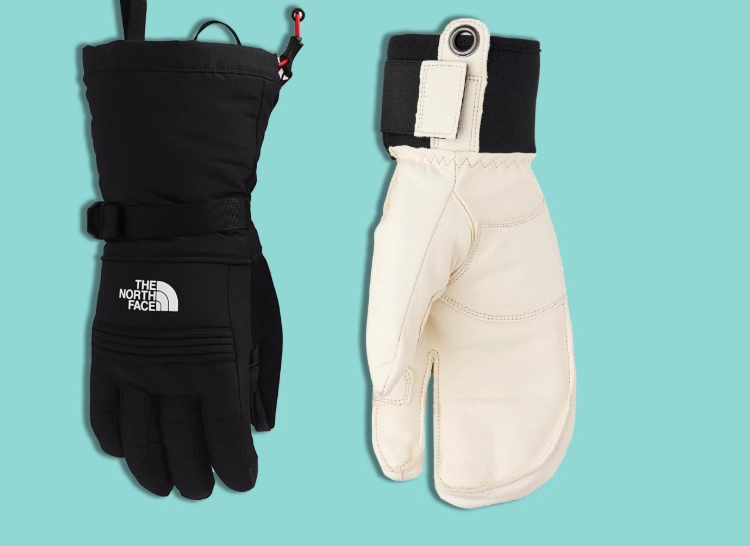
Wrapping It Up: Your Action Plan
Choosing the right ski gloves doesn't have to be overwhelming. Ignore the flashy colors and marketing claims for a minute. Go back to the basics.
- Identify Your Priority: Is it ultimate warmth (mittens, high-loft insulation), all-day stormproof dryness (high waterproof rating, sealed seams), or precise dexterity (gloves, thinner insulation)?
- Set Your Budget: Good gloves cost between $80 and $200. You can find decent entry-level options below that and incredible technical pieces above it. Spend where it counts for your use case.
- Try Them On: If possible, go to a shop. Make a fist. Grip a pole. Feel the lining. Check the cuff. Fit is everything.
- Invest in Care: Budget for a bottle of tech wash and some DWR spray. The few dollars you spend on maintenance will double the life of your gloves.
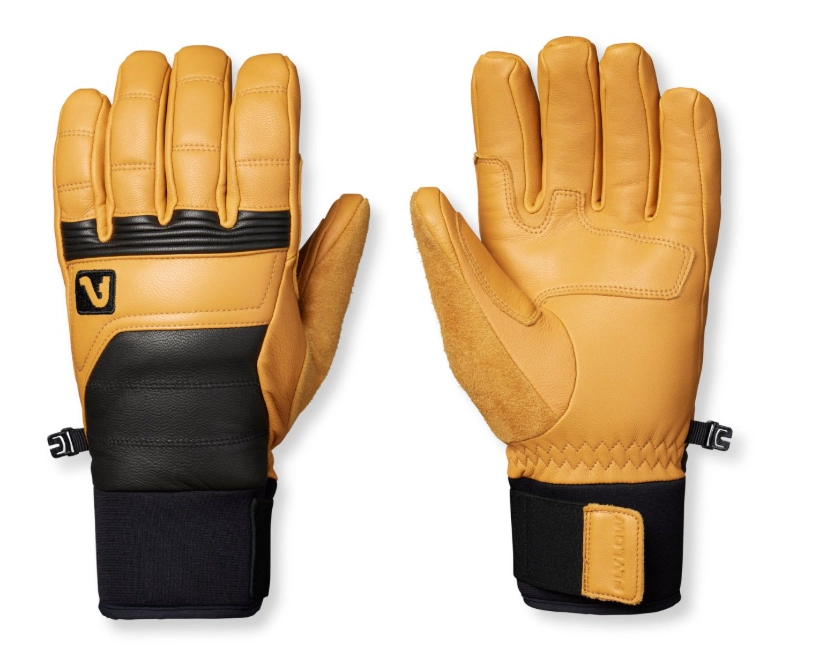
The right pair of ski gloves becomes an extension of you on the mountain—reliable, comfortable, and forgotten in the best way possible. They let you focus on the turns, the air, the powder, instead of your aching fingers. That’s the real goal. Now get out there and enjoy the snow, with warm, dry hands.