Quick Guide
Let's be honest. When you think of ski technology innovations, you might picture some lab-coated engineer in Switzerland fiddling with a robot. Or maybe you just see a higher price tag on next season's gear. I get it. I used to ski on hand-me-downs that felt like strapping two-by-fours to my feet. The difference today isn't just marketing fluff. It's tangible. It's the feeling of a ski that somehow knows when to turn before you do, or a boot that doesn't leave you crying in the lodge by 2 PM. The pace of change is wild, and it's not just for the pros filming in Alaska. These changes are trickling down to affect every single person on the hill, whether you're a weekend warrior or thinking about your first lesson.
This isn't a spec sheet from a trade show. I want to walk you through what's actually happening, why it matters for your skiing, and maybe debunk a few myths along the way. We'll talk materials that sound like they're from a spaceship, gadgets that track your every move, and a push for sustainability that's more than just a green sticker. Some of it is genuinely brilliant. Some of it? Well, I have my doubts, and I'm not afraid to share them.
The Foundation: Materials That Changed Everything
Forget the old wood-and-metal sandwiches. The story of modern ski and snowboard design starts under a microscope. The materials are where the magic—and the physics—really happen. This is the less glamorous but utterly crucial side of ski technology innovations.
Carbon Fiber: Not Just a Buzzword
You see it advertised on everything from skis to poles to boot cuffs. Carbon fiber is this incredibly strong, incredibly light weave of carbon threads. In skis, it's used in layers or in specific "stringers" to control flex and vibration. The benefit is immediate: a ski that's both stiff and light. Stiffness gives you power for carving on hardpack, while lightness makes the ski quick to pivot in moguls or trees.
But here's the thing. Not all carbon is created equal. Some brands slap a few strips in there so they can put it on the top sheet. Others are doing truly clever things with varying weaves and placements. I tried a pair a few years ago that were so carbon-heavy they felt like they were on rails on groomers—amazing. Take them into any soft snow, though, and they were like trying to steer a stiff piece of plywood. It was a one-trick pony. The real innovation is in blending carbon with other materials to create a balanced feel. It's a tool, not a cure-all.
The Rise of Other Composites: Titanal, Basalt, and More
While carbon gets the headlines, other materials are workhorses. Titanal (a specific aluminum alloy) is still king for dampening. That's the ski's ability to absorb chatter and vibration from choppy snow. A well-damped ski feels stable and quiet at speed. You'll find it in many all-mountain and front-side skis.
Then you have materials like basalt (volcanic rock fiber) and flax. These are often touted as more "natural" or sustainable dampening alternatives. They have a different damping characteristic—some say warmer or more organic. Personally, I find the difference subtle compared to good metal, but it's part of a broader trend towards diversifying material sources. The goal is the same: to fine-tune the ski's personality. Do you want a lively, poppy feel or a stable, plush one? The material recipe is the answer.
The "Smart" Revolution: Data Meets the Downhill
This is where things get futuristic. Electronics and software are invading the slopes, and it's a double-edged sword. On one hand, the potential for safety and skill development is huge. On the other, do we really need an app to tell us we had fun?
Sensors and Tracking: More Than Just Counting Vertical
We've moved past simple pedometers on your phone. Companies like Carv have created intelligent insole inserts that measure your foot pressure in real time. It connects to your phone and gives you audio feedback on your technique: "You're sitting back," "Increase your edge angle." I was skeptical. It felt like having a nagging coach in my ear. But for a friend learning to parallel ski, it was a game-changer. The immediate, precise feedback accelerated her learning in a way a weekly lesson couldn't. It's one of the most practical ski technology innovations for the improving skier.
Then there's the broader tracking from apps like Slopes or Ski Tracks. They map your day, show your speed, vertical, and even compare runs. It's fun for post-day bragging rights, but the real value might be in safety—some systems can share your location with your group on the mountain.
Augmented Reality (AR) Goggles
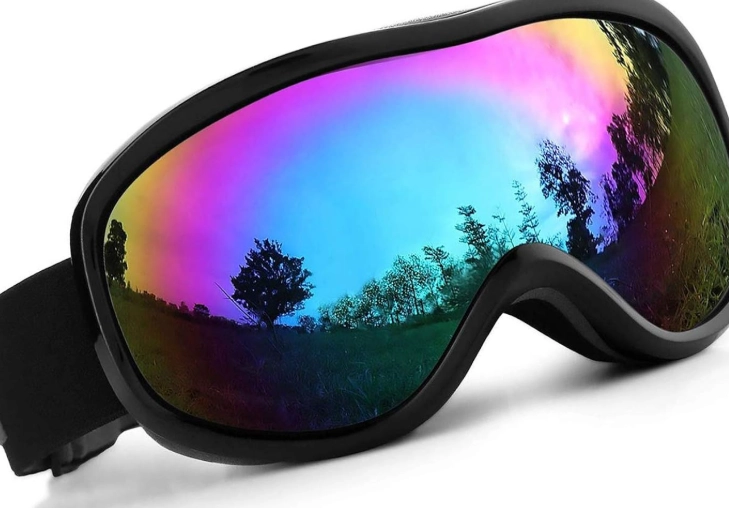
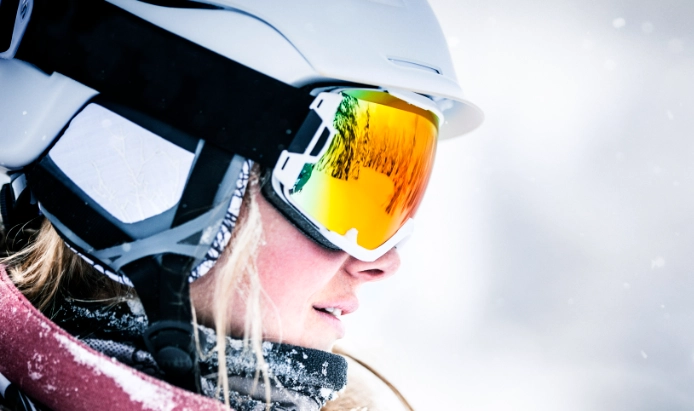
This feels like the frontier. Goggles from brands like Smith (with their AR-enabled I/O Mag XL) are experimenting with heads-up displays. Imagine seeing your speed, a trail map overlay, or even the location of your friends right in your field of view. The potential for navigation and safety is obvious—no more fumbling with a phone on a windy chairlift.
But I have reservations. Skiing is about immersion. It's about the wind, the view, the feel of the snow. Cluttering that with data and notifications could be a distraction. It's a solution searching for a problem, in my view. Still, as the tech gets smaller and less intrusive, it might find its niche, especially for competitive training or backcountry navigation.
Sustainability: The Most Important Innovation
This isn't about performance; it's about survival—of the sport and the environments we love. The ski industry has a massive environmental footprint, from petroleum-based materials to travel. The latest and most critical wave of ski technology innovations is tackling this head-on.
Bio-Based Materials and Recycled Content
Brands are getting creative. You'll find topsheets made from recycled plastics, cores using sustainably sourced wood (like paulownia), and edges made from recycled steel. Salomon has skis with a bio-based resin. Line uses a sugarcane-based plastic in some components. It's a start.
The challenge is performance and durability. Can a plant-based plastic withstand the same impacts and flex cycles as a petroleum one? The early answers are promising, but these materials often come at a premium. As demand grows, prices should fall. This is one area where consumer choice directly drives innovation. Choosing gear from companies investing in this R&D sends a powerful message.
The Circular Economy: Renting, Recycling, and Re-commerce
Maybe the biggest innovation isn't in the product, but in the business model. The rise of high-performance seasonal rental programs is massive. Why buy skis you'll outgrow in two seasons? Companies like Ski Butlers or local shop programs let you ski the latest tech every year without the commitment or waste.
Then there's take-back programs. Some brands are experimenting with ways to recycle old skis and boots, breaking them down to recover metals, plastics, and bases. It's logistically tough, but it's the right direction. Combined with thriving second-hand markets on platforms like Facebook Marketplace or GearTrade, we're moving towards a less wasteful lifecycle for hardgoods.
Safety Tech: Invisible Guardians
This might be the most underrated area of advancement. We're not just talking helmet improvements (though MIPS and similar rotational impact systems are a huge deal). The innovations are getting integrated.
Intelligent Binding Systems
Bindings have been mechanical-release devices for decades. The new frontier is electronic. Imagine a binding with a tiny sensor that knows if you're in the air versus on the ground. It could adjust release settings dynamically to prevent premature ejection in a landing (a common cause of knee injuries) while maintaining safety in a fall. Companies like Marker and Look have prototypes. The hurdle is power, cost, and convincing a conservative market to trust electronics with safety. But the potential to drastically reduce lower-leg injuries is enormous.
Avalanche Safety Integration
For the backcountry crowd, tech is a lifeline. Modern avalanche transceivers are more intuitive and powerful. But the innovation is in integration. Some backpacks now have airbag systems that can be deployed via a pull cord or, in newer models, an electronic trigger linked to a sensor. There's even research into wearable sensors that can detect the specific motion of a skier being caught in a slide and auto-deploy the airbag. This is high-stakes, life-saving ski technology innovation at its best. Resources like the American Avalanche Association are crucial for education alongside this gear.
Boots and Apparel: Where Comfort Meets Performance
Forget cold feet and soggy gloves. The innovation here has been relentless and wonderful.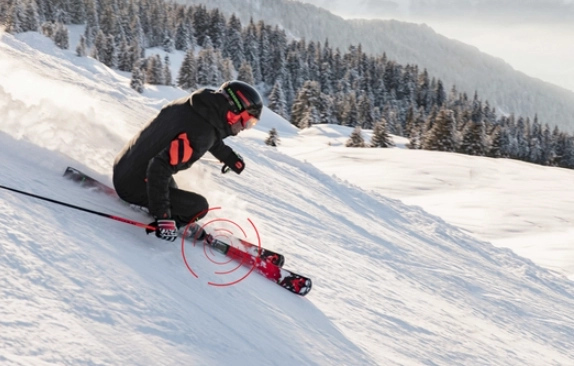
Custom-Fit Boots and Liners
The old way: heat-molding a liner. The new way: complete 3D scanning of your foot. Brands like Dalbello and boot fitters using tools like the Surefoot system create a digital map of your foot, including pressure points and bone structure. This data can then be used to mill out a custom footbed or even modify the boot shell itself for a perfect, performance-fit. It's expensive, but if you've ever suffered in ill-fitting boots, you know it's worth every penny. This is a direct application of digital tech solving an age-old pain point.
Apparel Tech: Breathable, Waterproof, and Smart
Gore-Tex is no longer the only game in town. New membranes and coatings offer comparable waterproofing with better breathability at lower weights. The real fun is in insulation. Synthetic insulations like PrimaLoft Gold are now so good they rival down in warmth-for-weight, with the crucial bonus of retaining heat when wet.
And then there are little details: zippers that don't freeze, magnetic pocket closures so you can use them with gloves on, armpit zips you can actually operate while moving. This is the culmination of decades of textile ski technology innovations, and it means you can stay comfortable in a wider range of conditions, which simply means more skiing.
| Technology Area | Key Innovation Example | Who Benefits Most? | My Take / Consideration |
|---|---|---|---|
| Core Materials | Hybrid layups with carbon, metal, basalt | Advanced skiers seeking specific performance (carving, dampness, playfulness) | Don't just buy for the material. Demo to feel the overall ski personality. |
| Smart Gear | Pressure-sensing insoles (e.g., Carv) | Intermediate skiers focused on technique improvement | Highly effective as a training tool. Less useful for experts or pure freeriders. |
| Sustainability | Bio-based resins & recycled plastics | All skiers, but especially the environmentally conscious | Vote with your wallet. Support brands with transparent, actionable sustainability plans. |
Looking Down the Trail: What's Next?
So where do all these ski technology innovations lead? It's not just about incremental improvements. I see a convergence.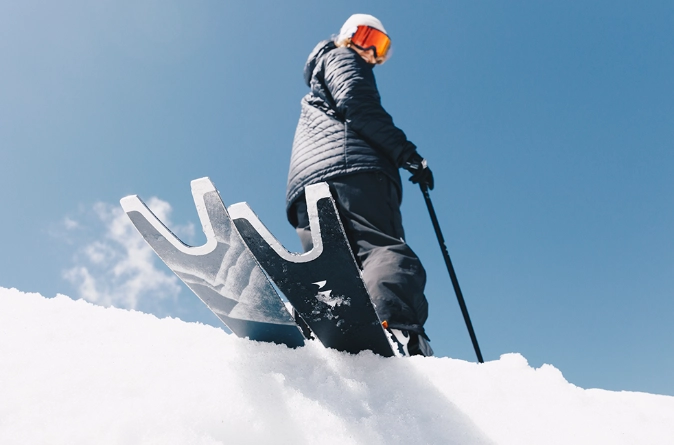
We'll see more integration. The sensor in your boot talking to the binding, adjusting its release based on fatigue measured through your turning consistency. The AR goggles displaying the optimal line through a powder field, calculated in real-time by comparing your style to snow data.
Personalization will go nuts. We already have custom boots. Why not a ski where the core is 3D-printed based on your weight, height, and preferred terrain, creating a perfect flex pattern for you alone? The manufacturing tech is nearly there.
And sustainability will stop being a unique selling point and become the baseline. Fossil-fuel-based materials will be the exception, not the rule. Leasing and subscription models for high-end gear might become the norm, ensuring constant technological updates and proper end-of-life recycling.
The heart of skiing will always be the same: the glide, the turn, the mountain air. These ski technology innovations, from the molecular to the digital, are just giving us better tools to access that feeling more often, more safely, and with a clearer conscience. You don't need to understand the tech to appreciate the outcome. Just get out there and feel it. The difference, I promise, is real.