Your Quick Ski Prep Guide
- Understanding the "Why" Before the "How"
- Safety First: The Golden Rules for Senior Ski Training at Home
- The Home Ski Fitness Toolkit: What You Actually Need
- The Exercise Library: Your At-Home Ski Training Plan
- Putting It All Together: A Sample Weekly Plan
- Answering Your Burning Questions (FAQ)
- Beyond the Exercises: The Mental Game
Let's be honest. The thought of strapping on skis after a certain age can be equal parts exciting and, well, a little daunting. Maybe you're a seasoned skier looking to get back out there, or perhaps you're a complete beginner who's decided that this is the winter to try something new. Either way, that voice in your head might be whispering questions. "Am I still strong enough?" "What if I lose my balance?" "How do I even start preparing without going to a gym?"
I remember talking to a sprightly gentleman in his seventies at a ski lodge in Colorado. He told me his secret wasn't hitting the gym daily, but a consistent, simple routine he did in his living room for three months before the season. That conversation stuck with me. It highlighted a universal truth: success on the slopes begins long before you touch snow. It starts at home.
That's exactly what this guide is about. We're diving deep into practical, safe, and effective ski exercises at home for seniors. This isn't about becoming an Olympic athlete; it's about building the specific strength, balance, and confidence you need to enjoy skiing safely and reduce your risk of injury. Forget complicated equipment or intimidating routines. We're focusing on what you can do with minimal gear, in your own space, on your own schedule.
The Core Idea: The goal of any ski exercises at home for seniors program isn't to mimic every mogul turn in your hallway. It's to prepare the muscle groups you'll use most (like your quads, glutes, and core) and train your body for the unique demands of skiing—mainly, holding a flexed position and reacting to shifts in balance. It's pre-hab, not just rehab.
Understanding the "Why" Before the "How"
Jumping straight into exercises without knowing why you're doing them is like skiing a black diamond blindfolded. Not a great idea. Knowing the purpose keeps you motivated and helps you focus on the right muscles.
Skiing, even gentle cruising, places distinct demands on an older body. It's a sport of sustained, isometric contraction (holding a position) combined with quick, dynamic movements. For seniors, the primary physical challenges are:
- Leg Endurance: Your thighs will burn. The "ski squat" position is relentless. Weak quads lead to early fatigue, poor form, and a higher chance of falling.
- Balance and Proprioception: This is your body's sense of where it is in space. On skis, your "base" is constantly moving and shifting. Good balance prevents those embarrassing (and potentially dangerous) tumbles.
- Core Stability: Your core is your command center. It connects your upper and lower body, transfers power, and keeps you upright when you hit a bump. A weak core means your skis control you, not the other way around.
- Joint Mobility: Skiing requires fluid movement in the ankles, knees, and hips. Stiff joints limit your range of motion and make it harder to absorb terrain changes.
So, when we talk about ski exercises for seniors at home, we're specifically targeting these four pillars. Ignoring any one of them is like building a chair with only three legs.
It makes sense, doesn't it? You wouldn't run a marathon without training your heart and legs. Skiing is no different.
Safety First: The Golden Rules for Senior Ski Training at Home
This is the most important section. Read it twice. I've seen too many people, full of enthusiasm, jump into a workout and strain something because they ignored the basics. Your safety is paramount.
Non-Negotiable Rule: Consult your doctor or a physical therapist before starting any new exercise program, especially if you have pre-existing conditions like arthritis, osteoporosis, heart issues, or recent surgeries. This guide is for general information, not personalized medical advice.
Now, for the universal safety rules:
- Listen to Your Body, Not Your Ego: This is the cardinal rule for senior ski fitness. A sharp pain is a stop sign. A dull ache might be okay. Learn the difference. "No pain, no gain" is a terrible, dangerous motto for us.
- Warm-Up is Mandatory: Never, ever stretch cold muscles. Spend 5-10 minutes getting blood flowing. March in place, do arm circles, gentle torso twists. Get your body temperature up slightly.
- Create a Safe Space: Clear an area. Make sure the floor isn't slippery. Have a sturdy chair or countertop within reach for balance support. Good lighting is a must.
- Footwear Matters: Don't do balance exercises in socks on a slick floor. Wear stable, flat-soled shoes or grippy fitness socks.
- Hydrate: Drink water before, during, and after. Dehydration sneaks up on you and affects muscle function and balance.
For authoritative guidance on safe exercise principles for older adults, the American College of Sports Medicine (ACSM) provides excellent, evidence-based resources on their website, which you can find here in their Senior Fitness Guide. It's a great reference to bookmark.
The Home Ski Fitness Toolkit: What You Actually Need
One of the best things about ski exercises at home for seniors is that you don't need a garage full of gear. In fact, you can get incredibly far with almost nothing. Here’s a breakdown:
| Equipment | Why It's Useful | Budget-Friendly Alternative |
|---|---|---|
| Sturdy Chair | For seated exercises, support during standing balance work, and safety. | Any dining or kitchen chair that won't slide. |
| Resistance Bands | Excellent for building leg and glute strength without heavy weights. Easy to store. | A few cans of soup or water bottles in a tote bag. |
| Yoga Mat | Cushioning for floor exercises, defines your workout space. | A thick towel or carpeted area. |
| Wall Space | Crucial for practicing the ski posture safely and for wall-sits. | Any blank, sturdy wall. |
| Water Bottle | Hydration. Seriously, don't forget it. | A glass of water works too! |
See? Nothing fancy. The most important tool is your own body and consistency.
The Exercise Library: Your At-Home Ski Training Plan
Alright, let's get to the meat of it. Here are the best ski exercises at home for seniors, categorized by what they train. Start with 1-2 sets of 8-10 repetitions for strength moves, and hold balance poses for 20-30 seconds. Focus on form, not quantity.
Top 3 Strength-Building Exercises
These target the quads, glutes, and hamstrings—your skiing powerhouses.
Chair Squats: The cornerstone. Stand in front of your chair, feet hip-width apart. Slowly lower your hips back and down as if you're about to sit. Lightly tap the chair with your butt (don't plop!), then engage your glutes and thighs to stand back up. Keep your chest up and knees behind your toes. This builds the exact motion and muscles for getting up after a fall, too.
Standing Leg Abductions: Hold the back of your chair for balance. Slowly lift one leg out to the side, keeping your toe pointed forward and your torso still. Don't hike your hip. Lower with control. This strengthens the outer hip and glute medius, which is critical for steering your skis and keeping your knees aligned.
Heel Raises: Hold your chair lightly. Rise up onto the balls of your feet, lifting your heels as high as possible. Pause, then lower slowly. This strengthens your calves and ankles, improving your ability to press your shins into your ski boots for control.
Top 3 Balance & Stability Exercises
If strength is the engine, balance is the steering wheel. These are non-negotiable.
Single-Leg Stands: Start by holding your chair with both hands. Lift one foot just an inch off the ground. Focus on keeping your standing leg slightly bent, not locked. Try to hold for 20 seconds. As you improve, try holding with one hand, then just a fingertip, then no hands. Progress slowly.
Balance work can be frustrating. Some days you'll feel wobbly for no reason. That's normal. The key is to practice almost daily, even for just a few minutes. It's like brushing your teeth for your nervous system.
Tandem Stance: Place one foot directly in front of the other, heel to toe, as if you're on a tightrope. Hold onto a counter if needed. This narrows your base of support dramatically, challenging your ankles and core. Switch which foot is in front.
Clock Reach: Imagine you're standing in the center of a clock face. Hold your chair with one hand. Gently lift the opposite foot and point your toe to touch (or reach toward) 12 o'clock, then 3, then 6, then 9. This dynamic movement trains reactive balance.
The American Academy of Orthopaedic Surgeons has a useful page on balance exercises for fall prevention that aligns perfectly with the goals of ski preparation.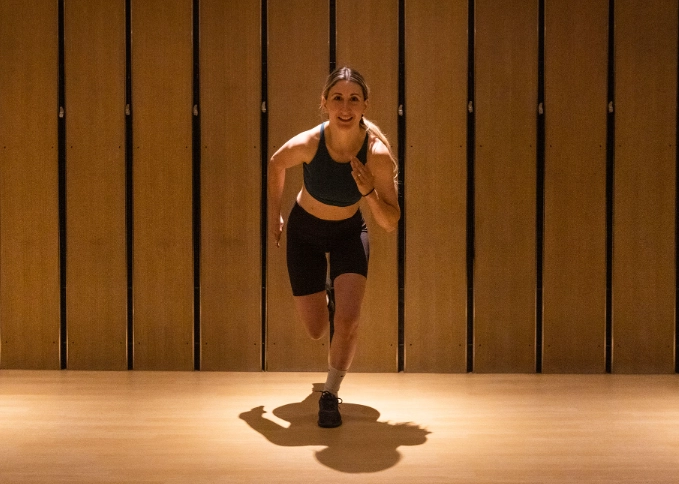
Top 2 Mobility & Flexibility Moves
Don't skip these. They keep you fluid and help prevent muscle pulls.
Standing Quad Stretch: Hold your chair. Bend one knee, bringing your heel toward your butt. Grab your ankle with your hand (use a belt or towel if you can't reach). Keep your knees together and your torso upright. Feel the stretch in the front of your thigh. Hold for 30 seconds per side. Tight quads are a major culprit in poor ski posture.
Seated Figure-Four Stretch: Sit tall in your chair. Cross one ankle over the opposite knee, letting the bent knee open out to the side. Gently lean forward from the hips until you feel a stretch in your glute and hip. This opens up the hips, which is vital for comfortable turning.
Putting It All Together: A Sample Weekly Plan
How does this look in real life? Here’s a balanced, manageable weekly schedule. Aim for 3 non-consecutive days (e.g., Monday, Wednesday, Friday). Always start with a 5-min warm-up (marching, arm circles) and end with 5 mins of gentle stretching.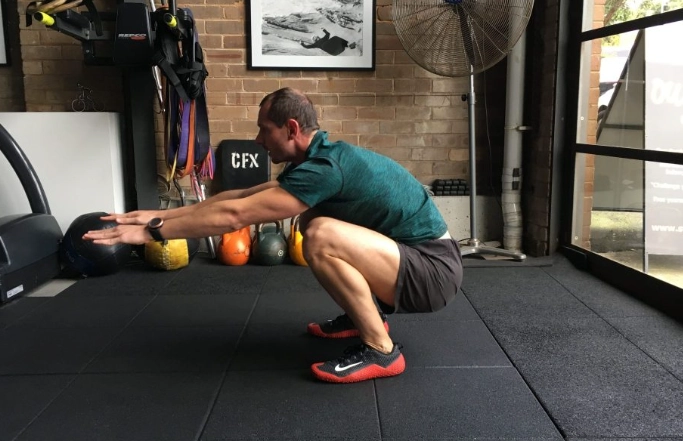
| Day | Focus | Recommended Exercises |
|---|---|---|
| Day 1 | Strength & Balance Foundation | Chair Squats (2x10), Standing Leg Abductions (2x10 each side), Single-Leg Stands (3x20 sec each leg), Heel Raises (2x15). |
| Day 2 | Active Recovery / Mobility | Go for a 20-minute walk. Then do the Quad Stretch and Figure-Four Stretch. Practice Tandem Stance while brushing your teeth. |
| Day 3 | Full Integration | Chair Squats (focus on slower lowering), Clock Reach (2 cycles each side), Wall Sit (hold as long as comfortable, up to 30 sec), Standing Leg Abductions with a light band. |
This is just a template. The best plan is the one you'll actually do. Even 15 focused minutes is better than an ambitious hour you dread.
Consistency beats intensity every single time, especially for us.
Answering Your Burning Questions (FAQ)
I get a lot of questions about this topic. Here are the most common ones, answered straight.
How long before my ski trip should I start these exercises?
Ideally, give yourself at least 8-12 weeks. That might sound like a lot, but it allows for steady, safe progress without rushing. Your tendons and ligaments need more time to adapt than your muscles do. If you only have 4 weeks, start anyway! Just begin very gently and focus on consistency. Something is always better than nothing.
I have bad knees. Can I still do ski exercises at home?
This is a huge concern, and you must work with your doctor or a physical therapist. However, many ski exercises for seniors at home can be adapted. For example, do mini squats (only lowering a few inches) instead of full chair squats. Focus heavily on non-impact strength work like seated leg lifts with a band. Water-based exercises are also fantastic pre-ski prep for those with joint issues. The key is to avoid pain and build the muscles *around* the knee to better support it.
What's the single most important exercise?
If I had to pick one, it's the Single-Leg Stand. Why? Because skiing is essentially a series of controlled falls from one foot to the other. If you can't balance on one leg confidently at home in a controlled setting, doing it on skis on a variable surface will be infinitely harder. Work on this daily.
How will I know if I'm ready?
You'll feel it. You'll feel stronger getting out of a chair. You'll feel more stable standing on a bus. Your confidence will grow. A practical test: can you hold a "ski pose" (knees bent, hips back, chest up) against a wall for 60 seconds without your thighs screaming? Can you balance on one leg (with light support) for 30 seconds? If yes, you've built a solid foundation.
Frankly, some of those "senior fitness" videos move too fast or assume a baseline fitness that just isn't there. That's why I emphasize starting with support, doing fewer reps, and listening to your body over any arbitrary number on a screen.
Beyond the Exercises: The Mental Game
Preparing your body is only half the battle. Your mindset matters just as much.
Set realistic expectations. You might not ski the same runs you did 20 years ago, and that's perfectly okay. The goal is enjoyment, not conquest. Focus on the feeling of gliding, the mountain air, the camaraderie.
On the mountain, start slow. Take a refresher lesson. It's the best money you'll spend. A good instructor can assess your form and give you drills that match the fitness work you've done at home. They'll build your confidence on snow.
Finally, know when to call it a day. Most ski injuries happen in the afternoon, on the last run, when you're tired. Listen to that fatigue. Your at-home training will have built endurance, but even the fittest senior knows their limits. Quit while you're ahead, with a smile on your face and energy left for the apres-ski.
The path to confident, enjoyable skiing as a senior doesn't start with a lift ticket. It starts right in your living room, with a sturdy chair, a bit of space, and the commitment to move your body with purpose. By investing in these ski exercises at home for seniors, you're not just training your muscles; you're investing in your safety, your independence, and your ability to savor the pure joy of a winter sport on your own terms. Now, take a deep breath, set up your space, and let's get started. The mountains are waiting.