Explore the Topics
- What Exactly Is a T-Bar Lift? A Quick Refresher
- Why on Earth Are T-Bar Lifts Still in Use Today?
- The Good, The Bad, and The Wobbly: A Frank Look at T-Bars
- Where in the World Can You Still Find T-Bar Lifts?
- Tips for Actually Riding a T-Bar (Without Embarrassing Yourself)
- The Future of T-Bar Lifts: Going Anywhere?
- Common Questions Skiers Actually Ask
So you're planning a ski trip, maybe your first one in a while, and a memory pops into your head. You remember this weird contraption from a childhood trip – a moving bar you stuck between your legs that dragged you awkwardly up a hill. You might have even taken a tumble or two. And now you're wondering, in this age of high-speed gondolas and heated chairlifts, are T-bar lifts still in use anywhere? It's a fair question. The short, direct answer is a resounding yes. But the real story is much more interesting than a simple yes or no.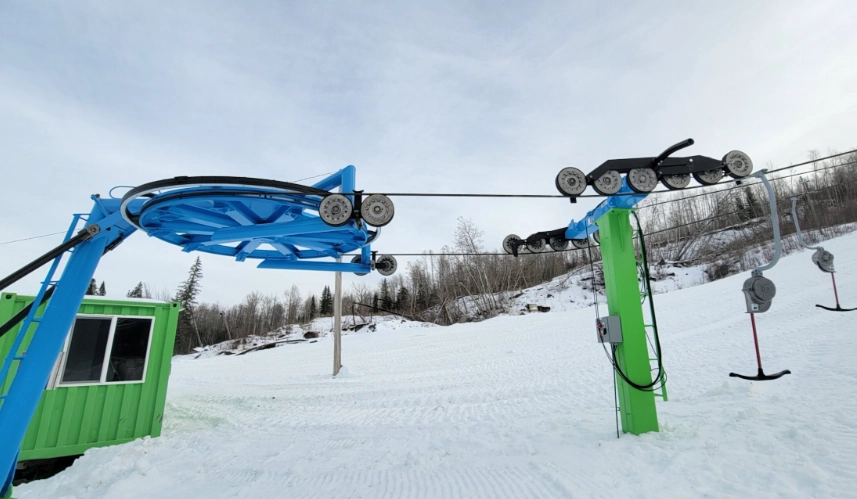
It's not just about whether they exist; it's about where they thrive, why they persist, and what it means for you as a skier or snowboarder. The narrative that they're extinct relics is flat-out wrong. In fact, for certain terrains and certain ski schools, the question "are T-bar lifts still in use?" is met with a puzzled look. Of course they are, they're essential.
Core Insight: T-bar lifts, along with other surface lifts like J-bars and rope tows, are very much alive. They haven't been universally replaced. Instead, their role has evolved. They've become specialized tools, often found in specific niches of the skiing world where their unique advantages outweigh their old-fashioned quirks.
What Exactly Is a T-Bar Lift? A Quick Refresher
Before we dive into their current status, let's be clear about what we're talking about. A T-bar lift is a type of surface lift. Unlike a chairlift that carries you in the air, a surface lift drags you along the ground while you remain standing on your skis or board.
Picture a continuously moving cable overhead. Hanging from it are inverted "T" shaped bars. You ski up to the loading area, the attendant hands you a bar (or you grab one as it comes around), you place the horizontal part behind your rear, and the vertical part rests between your legs. The moving cable then pulls you and a partner (usually) up the slope. It's simple, mechanical, and requires you to stay balanced.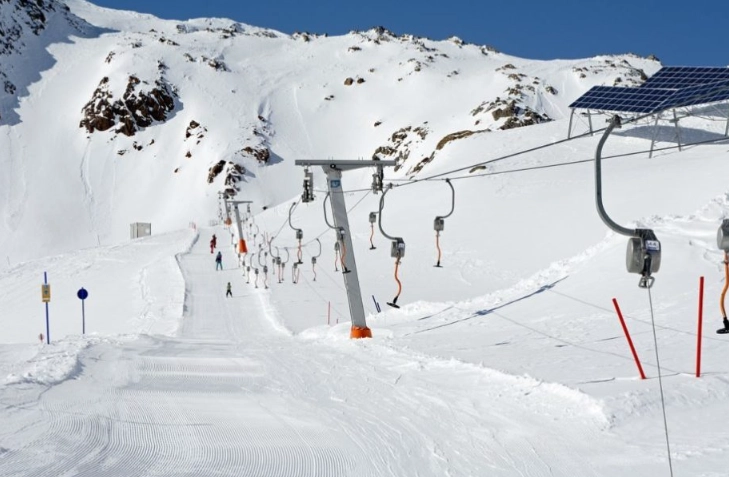
They were the workhorses of the skiing boom in the mid-20th century. Cheaper to install and operate than chairlifts, they opened up countless beginner and intermediate slopes. But they earned a reputation for being tricky, especially for snowboarders and complete beginners.
Why on Earth Are T-Bar Lifts Still in Use Today?
This is the heart of the matter. If they're so notoriously challenging, why haven't ski areas ripped them all out? The reasons are surprisingly practical and economic.
Terrain That Doesn't Play Nice with Chairlifts
This is the biggest reason. Think about vast, open, above-treeline bowls or gentle, rolling glacier terrain. Installing chairlift towers in these areas can be a geological and environmental nightmare. The ground might be too rocky, the wind too fierce, or the environmental permits too restrictive.
A T-bar, with its simple, widely-spaced towers, is often the perfect solution. It has a minimal footprint. Resorts like those in the European Alps, accessing massive glacial skiing areas, rely heavily on them. You'll see this all over Alpine resort maps. They provide access to incredible terrain that would otherwise require a long, grueling hike.
I remember skiing in Austria and facing a long T-bar up to a stunning ridge. I groaned at first, but the run down was one of the best of my life. The lift was the only feasible way up there.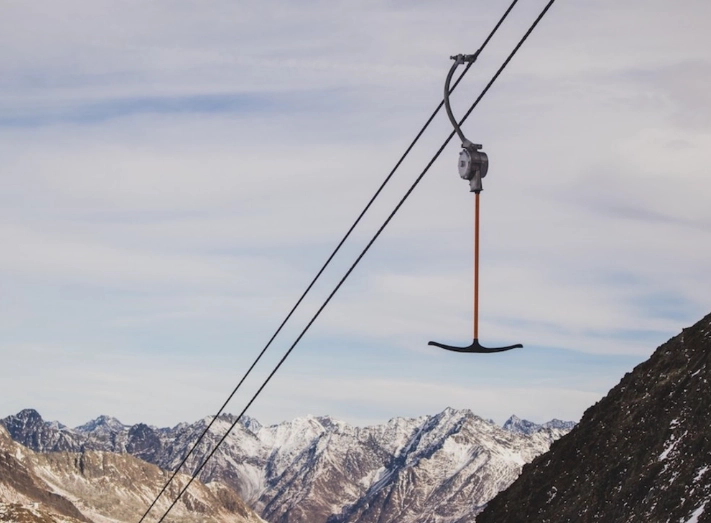
The Unbeatable Cost Factor
Let's talk money. Installing a high-speed detachable chairlift costs millions. The ongoing maintenance, electricity, and staffing are significant. A T-bar lift is, comparatively, dirt cheap. The initial investment is lower, and the operating costs are a fraction.
For smaller, local ski hills, family-run resorts, or ski clubs, this is a make-or-break calculation. A T-bar allows them to keep ticket prices affordable and stay in business. It's not about being cheap; it's about sustainability. For a beginner hill serving a local community, a platter lift (a beginner-friendly version) or a T-bar is often the most sensible choice.
Perfect for Specific Slopes and Purposes
Not every slope needs a six-person bubble chair. A short, steep pitch for race training or terrain park access is a perfect candidate for a T-bar. It lets coaches and athletes do repeated laps quickly without the fuss of loading a big chair. Many world-class terrain parks use surface lifts for this exact reason.
Furthermore, in many parts of the world, the concept of a "beginner lift" is different. In Europe, it's not uncommon for first-timers to learn on a drag lift. Ski schools there are adept at teaching the technique from day one. There's an argument that learning to ride a T-bar teaches balance and control early on.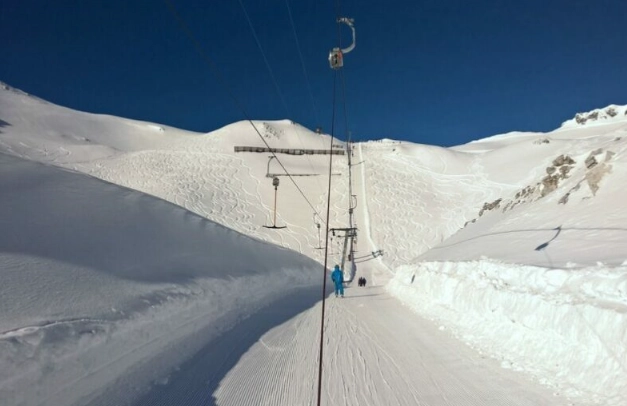
Let's be honest, though. For the average adult first-timer from North America, a T-bar can be a source of pure frustration and fear. It's a valid criticism. The learning curve is steeper than on a magic carpet or easy chairlift.
The Good, The Bad, and The Wobbly: A Frank Look at T-Bars
To really understand why the question "are T-bar lifts still in use" gets mixed reactions, you need to see both sides. Here’s a no-nonsense breakdown.
| Advantages (The Pros) | Disadvantages (The Cons) |
|---|---|
| Cost-Effective: Cheap to build and run, keeping lift tickets lower. | Difficulty: Notoriously hard for beginners and snowboarders. Can cause falls and congestion. |
| Low Impact: Can be built on fragile or difficult terrain where chairlifts can't go. | Exposure: No shelter from wind, snow, or cold. It can be a brutal ride in bad weather. |
| Efficient for Short Laps: Ideal for race hills, terrain parks, and beginner slopes where quick repetition is key. | Physical Demand: Requires constant minor balancing. You can't just sit down and relax. |
| Heritage & Charm: For many, they're a nostalgic part of the ski experience. | Capacity: Generally moves fewer people per hour than a modern chairlift. |
| Great for Access: Opens up expert, off-piste terrain that would otherwise require hiking. | Accessibility: Very difficult for skiers with mobility issues or young children. |
My personal take? I have a love-hate relationship with them. On a sunny day, heading up to an empty powder bowl, I appreciate their simplicity. On a windy, icy day with tired legs, I curse their existence. That's the real human experience with them.
So, are they convenient? Often, no. Are they necessary? In many places, absolutely.
Where in the World Can You Still Find T-Bar Lifts?
Their use isn't uniform globally. It's a geographic and cultural patchwork.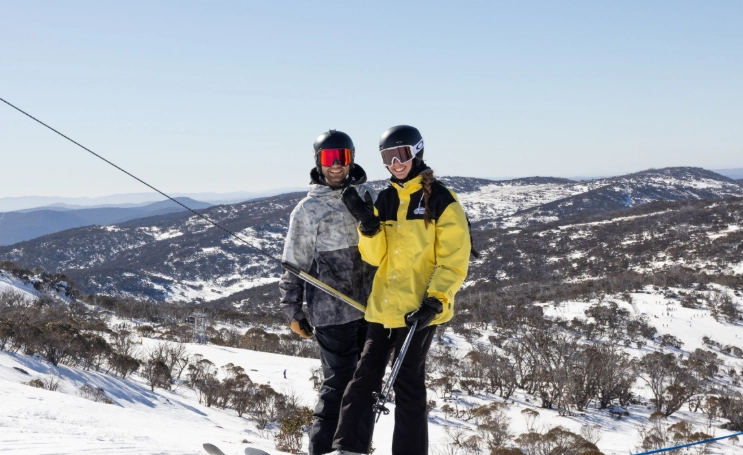
Strongholds in Europe and the Alps
Europe is the undisputed king of the T-bar. They are ubiquitous. From the glaciers of Zermatt and Saas-Fee to the vast interconnected areas of the Dolomites and the French Alps, surface lifts are a core part of the infrastructure. The terrain demands it. If you're planning a European ski trip, you will encounter them, especially if you venture off the main, crowded runs.
The North American Story: Niche Survival
In the US and Canada, the story is different. Major destination resorts have largely phased them out from their primary beginner and intermediate areas, replacing them with magic carpets and easy chairlifts. The focus on a frictionless guest experience led to their decline.
But they survive in specific niches:
- Expert Terrain Access: Places like Jackson Hole's legendary Corbett's Couloir (accessed by a short, steep lift) or high-alpine areas in Colorado.
- Terrain Parks & Race Hills: As mentioned, for efficient laps.
- Smaller, Local Hills: Across the Midwest and Northeast, countless small ski areas rely on them for economic survival. A report by the National Ski Areas Association (NSAA) often highlights the diversity of lift infrastructure across its member hills.
Australia, New Zealand, and Japan
In Australia and New Zealand, with their often above-treeline, rocky terrain, T-bars are common for accessing high alpine runs. In Japan, you'll find a mix, with older resorts and specific backcountry access points still using them, though newer developments favor gondolas and chairs.
Traveler's Tip: Always check the trail map of a resort you're visiting. Look for lift symbols shaped like a "T" or labeled as "surface" or "drag" lifts. It's better to be prepared than surprised on your first day.
Tips for Actually Riding a T-Bar (Without Embarrassing Yourself)
Since we've established that are T-bar lifts still in use is answered with a yes, you might need to ride one. Here's some real-world advice, not from a manual, but from someone who's face-planted a few times.
- For Skiers: As the bar comes behind you, let it pull you. Don't fight it and try to sit. Keep your skis parallel and pointed straight up the track. Lean slightly into the pull. If you're with a partner, sync your start. A little wobble is normal, just go with it.
- For Snowboarders (The Real Challenge): This is where most struggle. Go with a partner if you can. Both of you should be regular or both goofy. Put your front foot in the binding, keep your back foot on the board next to the binding (not strapped in!). As the bar pulls, keep your board straight and let your free foot drag slightly for balance. It feels weird but works. Practice on a very gentle one first.
- The Dismount: This is crucial! As you approach the top, start preparing. Point your tips (or board) slightly to one side, let go of the bar, and simply ski/snowboard away from the track. Don't wait until the last second. A smooth exit is key to looking like a pro.
My first solo attempt as a snowboarder was a disaster. I went alone, got tangled, and took out the next three people in line. The liftee just shook his head. Don't be me. Watch someone else first, or ask the attendant for a quick tip. Most are happy to help.
The Future of T-Bar Lifts: Going Anywhere?
So, will the question "are T-bar lifts still in use" be relevant in 20 years? Probably, but in an even more specialized way.
I don't see a major resurgence. The trend in major resorts is towards comfort, capacity, and accessibility. Heated seats, weather bubbles, and direct-to-gondola base villages are the marketing tools. The industry's focus on technology is on automation and guest flow, not refining surface drags.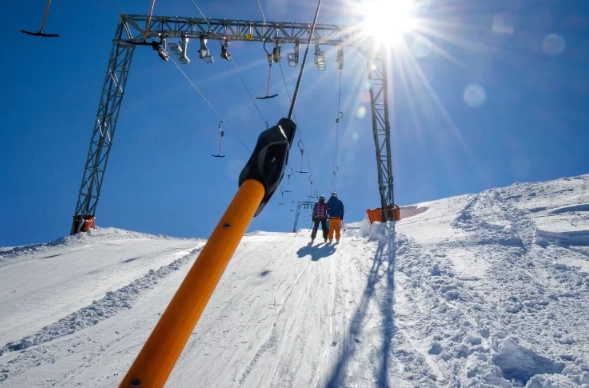
However, in their strongholds—the high alpine, the glaciers, the local hills—they are irreplaceable. They might get incremental upgrades (better grips, slightly faster cables, more efficient motors), but the fundamental design is so fit-for-purpose that a full-scale revolution isn't needed. Their future is one of a reliable, specialized tool, not a mainstream people-mover.
Environmental pressures might even play in their favor. As resorts look to reduce their carbon footprint, the low-energy profile of a surface lift compared to a massive high-speed quad could be seen as a green advantage.
Common Questions Skiers Actually Ask
Look, at the end of the day, the question of whether are T-bar lifts still in use opens a window into the diverse, practical, and sometimes stubbornly traditional world of skiing. They're not for everyone. They can be annoying. But they are also gatekeepers to some of the most sublime terrain on the planet, and they keep the spirit of smaller, local skiing alive.
Next time you see one on a trail map, don't just groan. Understand it. It might be the key to your best run of the day. Or it might be the source of a funny story you tell later. Both outcomes are part of a real day on the mountain.