Your Quick Guide to the Biathlon Calendar
- The Two Main Seasons of Biathlon
- Breaking Down a Typical Biathlon Event Schedule
- Where to Find the Official and Most Accurate Schedule
- How to Actually Watch the Races (A Global Viewer's Guide)
- Planning Your Year Around the Biathlon Calendar
- Common Questions About the Biathlon Schedule (Answered)
- Final Thoughts: Making the Schedule Work for You
Let's be honest, trying to figure out the biathlon schedule can feel like you're trying to hit a target in a blizzard. One minute you hear about a race in Austria, the next there's talk of the World Cup in Norway, and then the Olympics roll around and everything changes. It's confusing. I remember trying to follow it a few seasons back, constantly missing races because I was looking in the wrong place or had the time zones all wrong. Super frustrating.
Well, I've been down that rabbit hole so you don't have to. This guide is everything I wish I'd had. We're going to tear apart the entire biathlon calendar, from the annual World Cup grind to the pinnacle of the Olympic Games. We'll look at where to find the most reliable schedule, how the season is actually structured, and the best ways to watch it all unfold, no matter where you are in the world. Consider this your personal caddy for the biathlon season.
The Two Main Seasons of Biathlon
First things first, you need to understand the rhythm. Biathlon isn't a constant stream of events; it breathes in distinct seasons. There's the annual World Cup season, which is the bread and butter, and then there are the special, periodic events that disrupt the regular flow.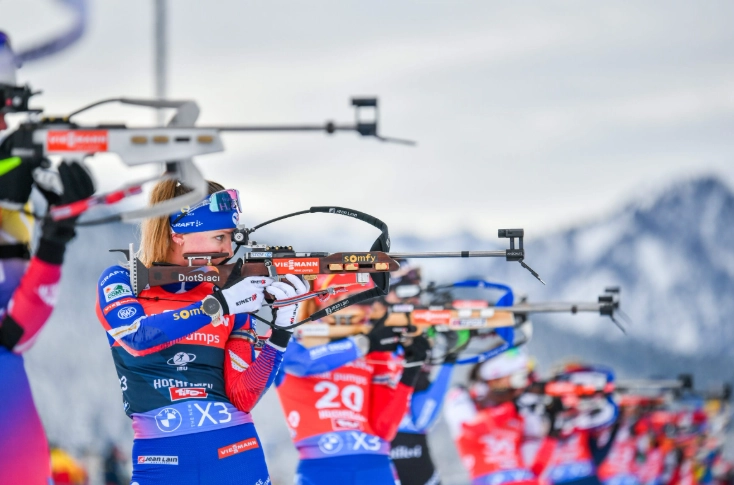
The IBU World Cup: The Annual Marathon
This is the main show. Running from late November or early December all the way through to mid-to-late March, the World Cup is a series of 8 to 10 events, called "stages," held across Europe (and occasionally North America or Asia). Each stage lasts about 4-5 days and features multiple races. The International Biathlon Union (IBU) is the governing body, and their official website is your single most authoritative source for the definitive biathlon schedule. I bookmark their events calendar every year—it's the gospel.
The locations are iconic. You'll see names like Hochfilzen in Austria, Ruhpolding in Germany, and the hallowed tracks of Holmenkollen in Oslo, Norway. The atmosphere in these places is electric, even through a screen. Each nation brings its own flavor, and the crowds are incredibly knowledgeable.
Why follow the World Cup? Because the overall crystal globes (the trophies for the season-long champions) are often more prestigious in the biathlon community than a single World Championship title. It's a test of consistency, endurance, and mental fortitude over eight months.
World Championships and the Olympic Cycle
Now, this is where the regular biathlon schedule gets a shake-up. The IBU World Championships happen every year except Olympic years. So, it's a near-annual event that pauses only for the Winter Olympics. During a World Championship year, the World Cup tour takes a 2-week break in February, and all the top athletes converge on one city for the sole purpose of winning rainbow stripes (the iconic World Champion jersey).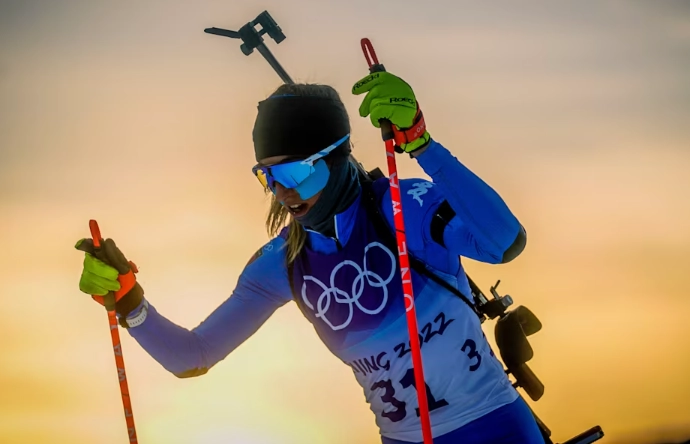
Then, every four years, the ultimate event takes over: the Winter Olympic Games. The Olympic biathlon schedule is a condensed, high-pressure version of the sport. It's managed by the International Olympic Committee (IOC), and the official Olympic website becomes the go-to source for event times and results. The Olympic program is slightly different, featuring the iconic Mass Start and the thrilling Mixed Relay, which is always a fan favorite.
An Olympic medal changes an athlete's life. The intensity is palpable, and the race formats are designed for maximum drama. It's the one time the sport truly captures a global, mainstream audience.
So, when you're looking at a biathlon schedule, first ask: is this a regular World Cup year, a World Championship year, or an Olympic year? That will tell you the February landscape.
Breaking Down a Typical Biathlon Event Schedule
Okay, so you've found a stage on the calendar—say, "IBU World Cup in Antholz, Italy." What does that actually mean? What are you going to watch? A typical World Cup weekend (which often stretches from Wednesday to Sunday) isn't just one race. It's a festival of shooting and skiing, with different tests of skill.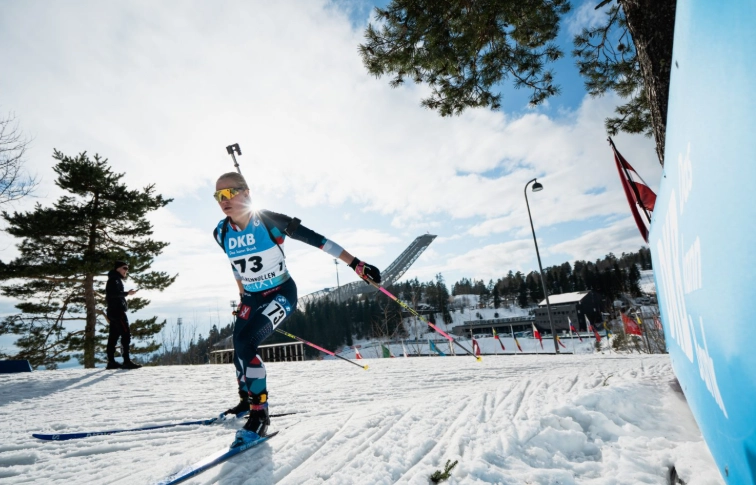
Here’s the thing that took me a while to get: the order of events matters. Coaches and athletes strategize their energy across the weekend. The Sprint is the qualifier for the Pursuit. The results of the Individual can influence start positions later. It's a chess game.
Let's lay out what a packed event schedule usually contains. This table gives you a clear picture of the standard menu at a World Cup stop.
| Event Format | Distance (Men/Women) | Shooting Details | Key Thing to Watch | Typical Day |
|---|---|---|---|---|
| Individual | 20 km / 15 km | 4 shooting bouts (2 prone, 2 standing). 1-minute penalty per miss. | The ultimate accuracy test. A single missed shot is devastating. Patience is key. | Wednesday or Thursday |
| Sprint | 10 km / 7.5 km | 2 shooting bouts (1 prone, 1 standing). Penalty loop per miss. | Raw speed and composure. Results determine the start list for the Pursuit. The most common format. | Friday or Saturday |
| Pursuit | 12.5 km / 10 km | 4 shooting bouts (2 prone, 2 standing). Penalty loop per miss. | Chaotic and brilliant. Athletes start based on their Sprint time gap. Pure head-to-head racing. | Saturday or Sunday |
| Mass Start | 15 km / 12.5 km | 4 shooting bouts (2 prone, 2 standing). Penalty loop per miss. | The top 30 start together. Mayhem from the first second. No hiding, all tactics. | Sunday (the big finale) |
| Relay (Men, Women, Mixed, Single Mixed) | 4 x 7.5 km / 4 x 6 km (varies) | Each athlete shoots twice, has 3 spare rounds. Teamwork is everything. | National pride, thrilling comebacks, and heartbreaking penalties. The most unpredictable event. | Often a Saturday highlight |
See how that works? A single "event" on the broader biathlon schedule is actually a cluster of 4-6 individual races. Broadcasters will often show highlights of the mid-week Individual and then live coverage of the Sprint, Pursuit, and Mass Start over the weekend. My personal favorite is the Pursuit—watching someone who was 30 seconds back in the Sprint hunt down the leader through a combination of faster skiing and cleaner shooting is just phenomenal sports drama.
Where to Find the Official and Most Accurate Schedule
This is the practical part. You don't want to rely on some random blog that hasn't been updated since 2018. I've been burned by that. Here's where you should go, in order of reliability.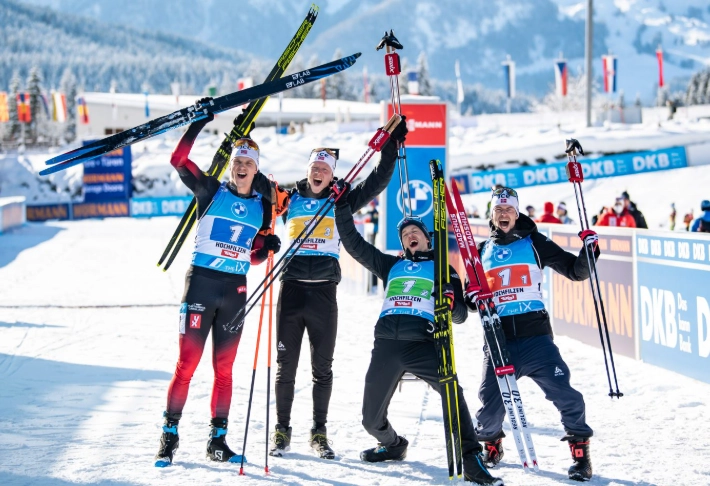
The Undisputed Champion: IBU Website. As I mentioned, biathlonworld.com is the source. Their calendar is clean, shows dates, locations, and event formats. Once an event is live, it transforms into a live-timing and results hub. It's not the flashiest site, but it's accurate. This is your primary source for the World Cup biathlon schedule.
The Olympic Source: Olympics.com. For the Games, the IBU hands over the reins. The official Olympic biathlon page will have the final, minute-by-minute competition schedule, athlete profiles, and news. It's comprehensive and built for a global audience.
Broadcaster Websites: The Viewing Schedule. The official schedule tells you when the race happens. Your local broadcaster's website tells you when you can watch it. These are often different! In the US, check Olympic Channel or Peacock schedules. In Europe, broadcasters like ARD (Germany), NRK (Norway), or Eurosport have their own detailed programming plans. Always cross-reference the race start time with your broadcaster's listing.
I also follow a few dedicated fan accounts on social media (Twitter is still good for this). They're obsessive about posting start times in different time zones. It's a helpful community double-check.
How to Actually Watch the Races (A Global Viewer's Guide)
Knowing the schedule is pointless if you can't watch. This is the real user pain point, especially for fans outside Europe. Broadcasting rights are a patchwork quilt, and it can be expensive or just plain confusing.
Let me give you the lay of the land. In Europe, biathlon is huge prime-time TV. In Germany, it regularly gets over 5 million viewers. That means it's easy to find on free-to-air or basic sports channels. For the rest of us, it requires a bit more digging.
The North American Dilemma
In the US and Canada, coverage has gotten better but is still fragmented. NBC's Olympic Channel (via cable/satellite or streaming on Peacock) holds the rights to a lot of World Cup events. The good news is they often stream races live on Peacock and provide on-demand replays. The bad news is that live coverage might be buried on a specialty channel or interrupted for other programming. You have to be proactive. Searching "biathlon" on the Peacock app on a Saturday morning is your best bet.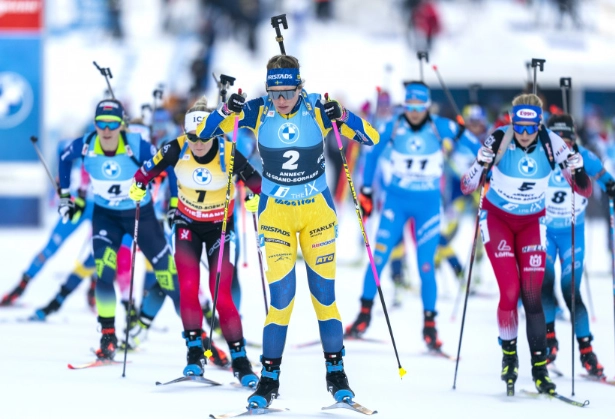
In Canada, CBC Sports often has streaming rights for the Olympics and sometimes picks up World Championship events, but regular World Cup coverage is sparse. I've found that using a VPN to access European broadcasters' streams is a common, if slightly grey-area, workaround for dedicated North American fans. Not that I'm recommending that, of course.
The Rest of the World
Many Asian, South American, and African countries rely on pan-regional sports networks. Eurosport International, which is available in many territories, is a fantastic option as they show almost every World Cup race live. Their coverage is excellent—knowledgeable commentators and minimal fluff.
My advice? Start with the IBU website. They sometimes list official broadcast partners by country. If that draws a blank, search for "Eurosport" or "Olympic Channel" availability in your region. As a last resort, the IBU's own YouTube channel posts extended highlights of every single race, usually within 24 hours. It's not live, but if you avoid spoilers, it's a great free option.
Planning Your Year Around the Biathlon Calendar
Once you get the hang of it, the biathlon schedule provides a wonderful rhythm to the winter. Here’s how I think about the season, broken into phases.
The Season Opener (Late Nov/Dec): Usually in Scandinavia or Central Europe. Everyone is rusty, form is unknown. It's a fresh start. The new season's biathlon schedule kicks off with a buzz of anticipation.
The Christmas Period: Races in places like Le Grand-Bornand, France. Some of the coziest, most festive atmospheres. A great time to be a fan.
January Grind: The tour moves through Germany (Oberhof, Ruhpolding) and into the Alps. This is where fitness and mental stamina are tested. The overall World Cup standings start to take shape.
February Peak: This is the wild card. In a non-Olympic year, it's the World Championships—two weeks of pure intensity. In an Olympic year, it's the Games. In a regular year, it might be a key World Cup stage in Antholz or Oslo. This is the can't-miss part of the annual biathlon schedule.
March Finales: The season wraps up, often in Scandinavia (Holmenkollen, Oslo is the dream finale). The overall Crystal Globes are awarded. There's a sense of exhaustion and celebration.
Knowing these phases helps you prioritize. Can't watch everything? Maybe focus on the December opener, the January classic in Ruhpolding, and the entire February championship period. That gives you a perfect cross-section of the season.
Common Questions About the Biathlon Schedule (Answered)
Final Thoughts: Making the Schedule Work for You
Look, following the biathlon schedule used to feel like a part-time job. Now, it's a highlight of my winter. The key is to systematize it.
Here's my personal routine: In September, I check the IBU site for the finalized World Cup calendar. I put the weekend dates for each stage in my digital calendar as an all-day event titled "Biathlon: Hochfilzen" or whatever. When the detailed daily timetables come out, I add the specific race times (converted to my time zone!) as sub-notes. I also subscribe to the YouTube channels of the IBU and my preferred broadcaster for notifications.
It sounds like a lot, but it takes maybe 30 minutes of setup for six months of guaranteed, stress-free viewing. No more frantic searching. No more missed races.
The biathlon schedule is the roadmap to one of the most demanding, dramatic, and beautiful sports on earth. It's a journey across Europe's winter landscapes, following athletes who combine extreme physical exertion with the calm precision of a marksman. Once you understand its flow—the rhythm of the World Cup, the disruption of the championships, the glory of the Olympics—you don't just watch races. You follow a story.
And trust me, once you're in, you'll be counting down the days until the next season's schedule drops.