Your Winter Adventure Guide
- The Core of the Conflict (What You're Really Signing Up For)
- Gear Showdown: A Side-by-Side Breakdown
- The Terrain & Experience Divide
- Cost Analysis: Initial Investment and Ongoing Expenses
- Who is Each Discipline For? (A Self-Assessment)
- Bridging the Gap: Can You Do Both?
- Common Questions About Ski Touring vs Cross-Country Skiing Answered
So you're staring at the snow-covered mountains or the quiet, frozen forest, and you've decided this is the winter you finally get on skis. But then you hit a snag. A quick search throws two terms at you: ski touring and cross-country skiing. They both involve skinny-ish skis and moving under your own power, right? How different can they really be?
Let me tell you, having done both for years (and made some expensive, blister-inducing mistakes along the way), the difference isn't just minor. It's the difference between a serene walk in a snowy park and a full-on mountain expedition. Choosing the wrong one for your goals can mean a day of frustration instead of joy. This whole ski touring vs cross country skiing debate boils down to one core question: are you aiming for the summit or the journey?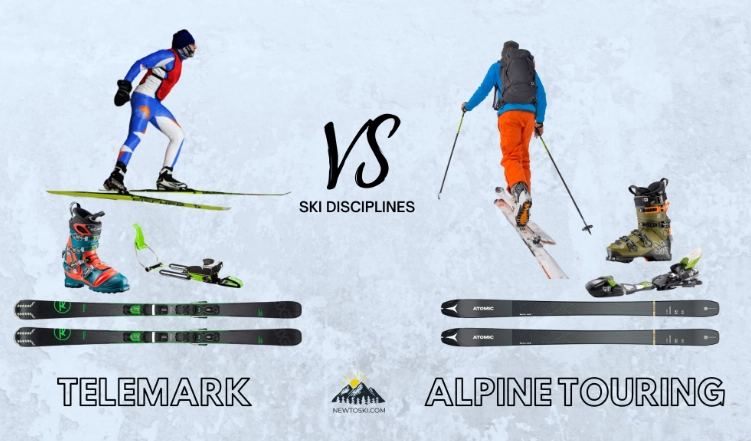
Think of cross-country skiing as running on snow—it's about rhythm, distance, and flow on prepared tracks. Ski touring is more like mountaineering—it's about earning your turns, climbing up wild terrain to ski back down.
The Core of the Conflict (What You're Really Signing Up For)
Before we dive into gear specs and fitness levels, let's get the vibe straight. The fundamental purpose of each sport defines everything else.
Cross-Country Skiing (XC) is, at its heart, a means of efficient travel across mostly flat or gently rolling terrain. Its origins are ancient—people used it to get around in snowy Scandinavia. Today, it's evolved into a fantastic aerobic workout and a peaceful way to explore groomed trails in forests, golf courses, and Nordic centers. The goal is forward motion. The downhill sections are fun bonuses, but they're not the main event. You're there for the glide, the cardio burn, and the winter scenery whizzing by.
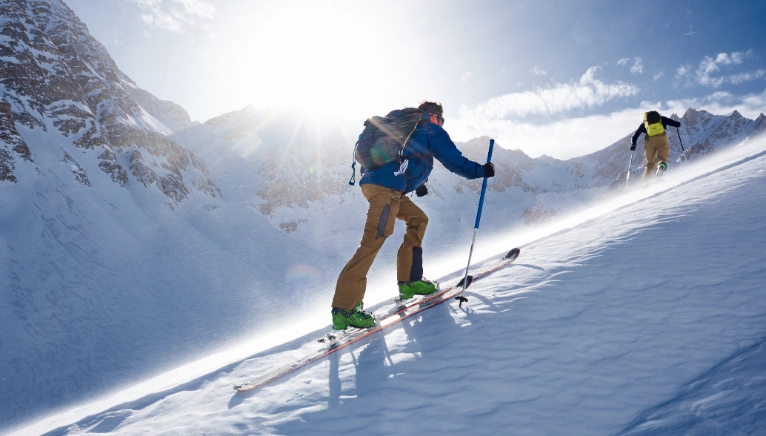
Ski Touring (also called Alpine Touring or AT) has a completely different soul. The primary goal is the descent. You use specialized equipment to climb up a mountain (often off-piste, away from ski resorts) so you can ski down untouched powder or challenging terrain. The uphill is the work you do to pay for the downhill reward. It's about accessing the backcountry, finding solitude, and experiencing wild, un-groomed snow. It shares more DNA with backcountry skiing and mountaineering than with traditional Nordic sports.
See the clash? One is a horizontal pursuit, the other is vertical. This simple distinction ripples out to affect every single choice you'll make.
My first real cross-country ski outing was on a perfectly groomed trail in Colorado. It was silent except for the swish-swish of my skis. I got into a zone, just gliding for miles. My first ski tour, however, was a grueling 3-hour climb up a snowy ridge, sweating in layers, only to be rewarded with knee-deep powder down a glade so quiet I could hear my own heartbeat. Completely different experiences, both incredible in their own way.
Gear Showdown: A Side-by-Side Breakdown
This is where the difference between ski touring and cross country skiing becomes painfully (and expensively) obvious. The gear is not interchangeable. Not even close. Using XC gear for a tour is dangerous. Using AT gear on a Nordic track is comically inefficient.
| Gear Component | Cross-Country Skiing (Classic & Skate) | Ski Touring (Alpine Touring) |
|---|---|---|
| Boots | Lightweight, flexible, low-cut (like a sturdy running shoe). Ankle bends freely for kick-and-glide motion. Often attach only at the toe. | Stiff, supportive, mid-to-high cut (similar to downhill ski boots). Designed for downhill control and to accommodate crampons. Heel lifts and locks for climbing. |
| Bindings | Simple toe-only binding. Boot pivots freely at the heel. For skate skiing, the boot is completely attached to a stiff plate. | Tech bindings or frame bindings. Heel is free to pivot for climbing, then locks down securely for the descent like an alpine ski binding. |
| Skis | Long, narrow, light, and cambered. Classic skis have a grippy "wax pocket" or fishscale pattern underfoot. Skate skis are shorter and stiffer. | Wider, shorter, and heavier than XC skis, but lighter than resort downhill skis. Shape is similar to downhill/all-mountain skis for float and control in powder. |
| Poles | Long, lightweight. Should reach to between your chin and mouth when standing on the floor. | Adjustable length poles. Shorter for downhill, longer for climbing. Often heavier-duty. |
| Critical Add-Ons | Kick wax or skin wax for classic skis. | Climbing Skins: Strips of nylon or mohair that stick to the ski base for uphill traction. Avalanche Safety Gear: Transceiver, probe, shovel (non-negotiable). |
That last point is the big one. The gear requirement for ski touring vs cross country isn't just about performance; it's about survival. Venturing into the backcountry without avalanche knowledge and gear is reckless. Organizations like the U.S. Forest Service and the Avalanche Canada provide crucial resources and forecasts. For XC skiing on groomed trails, this isn't a concern.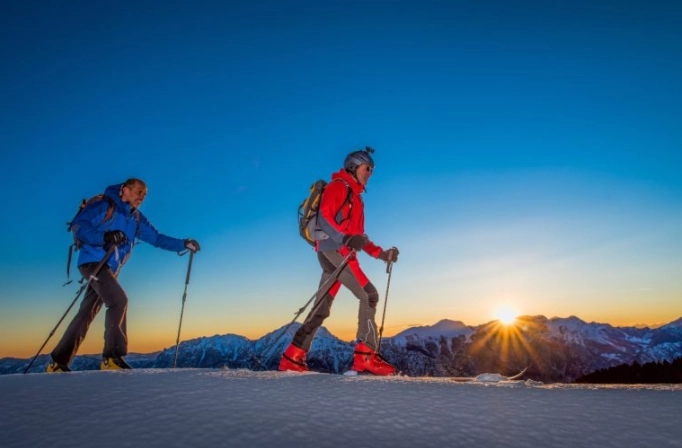
Let's be blunt: If you're looking at ski touring, factor in the cost and absolute necessity of avalanche education (like an AIARE 1 course) and a beacon/probe/shovel kit. This isn't optional gear; it's your lifeline. A friend of mine skipped the course his first season to save money—it was the most foolish "savings" he ever contemplated.
The Terrain & Experience Divide
Where you'll ski is the most practical difference.
Cross-Country Terrain: Think groomed trails. Nordic centers meticulously set tracks for classic skiing and a smooth lane for skate skiing. You can also find ungroomed trails in parks (called "backcountry Nordic" or "off-track"), which use wider skis. The experience is predictable, social (you'll pass others), and accessible. You can pop out for an hour after work. The terrain is generally gentle, with hills that are manageable with proper technique.
Ski Touring Terrain: This is the wild. You might start at a resort skinning up a designated route before they open the lifts, or more commonly, you'll head into the backcountry from a trailhead. You're navigating mountain slopes, assessing avalanche terrain, and choosing your own line up and down. The experience is immersive, remote, and requires constant decision-making. A typical day involves a significant time commitment—often 4-8 hours for a single tour.
So, which is harder? It's apples and oranges. XC skiing has a gentler learning curve for basic movement but requires refined technique for efficiency and speed. Mastering the skate ski stride is a serious athletic pursuit. Ski touring demands mountain travel skills, avalanche assessment, and competent downhill skiing ability in variable, often challenging snow conditions.
Fitness Face-Off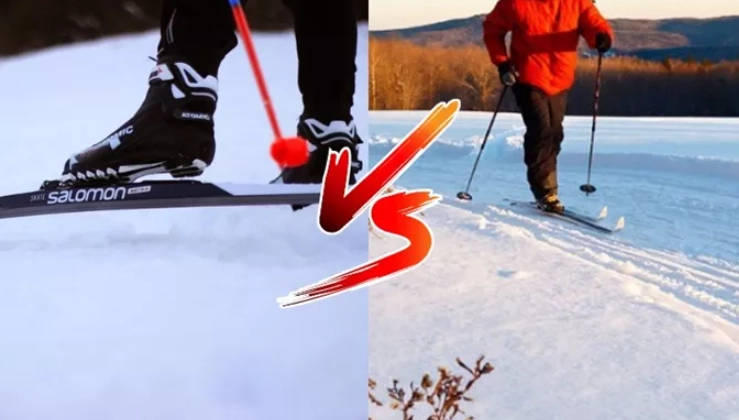
Both are excellent workouts, but they stress your body differently.
Cross-Country Skiing Fitness
- Pure Cardio: Arguably the best cardiovascular workout in existence. It engages almost every major muscle group in a rhythmic, sustained way.
- Low-Impact: Easy on the joints. The gliding motion is smooth.
- Endurance Focus: You can go for long distances at a steady state. It builds incredible aerobic capacity.
Ski Touring Fitness
- Strength & Power: The climb is a brutal strength-endurance workout for your legs and core, often with a heavy pack.
- Interval Nature: Long, grueling climbs followed by intense, technical descents. It's a full-body interval session.
- Demanding: Requires leg strength for the descent and mental fortitude for the long haul up.
I've come home from a 20km skate ski session feeling pleasantly drained, my lungs clear. I've come back from a ski tour feeling like I've been run over by a truck—every muscle aching, but with a huge grin on my face from the descent.
Cost Analysis: Initial Investment and Ongoing Expenses
Let's talk money, because this often decides the ski touring vs cross country skiing debate before it even starts.
| Cost Area | Cross-Country Skiing (Mid-Range Setup) | Ski Touring (Entry-Level Backcountry Setup) |
|---|---|---|
| Skis, Boots, Bindings, Poles | $400 - $800 | $1,200 - $2,500+ |
| Mandatory Safety Gear | ~$0 | Avalanche Beacon, Probe, Shovel: $400 - $600 Avalanche Course (AIARE 1): $500 - $700 |
| Climbing Skins | ~$0 | $150 - $250 |
| Day Access / Passes | Nordic Center Trail Fee: $15 - $30/day | Often free (public land), but may require parking pass or park entry fee. |
| Apparel | Lightweight, breathable layers. Can often use running/cold-weather gear. | Full technical layering system (base, mid, shell). Must handle huge temperature swings from climb to descent. |
| Total Initial Outlay | $500 - $1,000 (ready to go) | $2,500 - $4,000+ (including safety training & gear) |
The cost disparity is massive. Cross-country skiing is one of the most accessible winter sports. Ski touring has a high barrier to entry, not just financially, but in terms of knowledge and commitment.
Who is Each Discipline For? (A Self-Assessment)
Still stuck? Ask yourself these questions.
You Might Be a Cross-Country Skier If...
- You love running, hiking, or cycling and want a winter equivalent.
- Your primary goal is fitness, fresh air, and peaceful scenery.
- You prefer predictable outings where you can control the duration and intensity.
- You want to be social and ski with friends or family of varying abilities.
- You have a limited budget or aren't ready to invest in extensive safety training.
- You enjoy mastering efficient technique.
You Might Be a Ski Tourer If...
- You love downhill skiing but crave solitude, untouched snow, and earning your turns.
- You're drawn to mountaineering, backpacking, or wilderness exploration.
- You're willing to invest significant time and money in gear and essential safety education.
- You thrive on self-reliance, problem-solving, and variable conditions.
- The physical and mental challenge of the climb is as rewarding as the descent.
- You already ski black diamond runs at resorts confidently in all conditions.
Bridging the Gap: Can You Do Both?
Absolutely! Many winter enthusiasts do. They'll use cross-country skiing for weekday fitness fixes and local trail exploration. Then, on weekends with a solid weather window and a trusted partner, they'll head into the mountains for a tour. The fitness from XC translates wonderfully to the climbing endurance needed for touring.
Some gear even exists in a middle ground. Backcountry Nordic or Light Touring setups use wider, metal-edged XC skis with boots that offer more control and bindings that allow a free heel for touring but more security than a simple toe clip. This is for rolling, untracked terrain in the woods, not for steep mountain descents. It's a fantastic way to explore off the groomed trails without going full into the ski touring vs cross country alpine commitment.
Common Questions About Ski Touring vs Cross-Country Skiing Answered
Which one is easier for a complete beginner?
Cross-country skiing, without a doubt. You can learn the basic "diagonal stride" in an afternoon and enjoy yourself on gentle, groomed terrain. Ski touring requires you to already be a proficient downhill skier before adding the complexities of backcountry travel and avalanche safety.
I'm looking to lose weight and get fit. Which is better?
For pure, sustained calorie burn and cardiovascular health, cross-country skiing is unbeatable. You can maintain a high heart rate for a long time. Ski touring burns a ton of calories too, but the effort is more intermittent (hard climb, restful descent). For consistent, accessible fitness, XC wins.
Can I use my cross-country skis to go uphill in the backcountry?
On very gentle, benign terrain with specific backcountry Nordic gear (metal edges, sturdy boots), maybe. But traditional XC skis and floppy boots are unsafe and uncontrollable on any slope steep enough to be considered a "tour." It's a great way to get hurt. The binding won't release in a fall, and you have no edge control.
Which community is more welcoming?
Both are generally full of passionate, friendly people. Nordic centers are incredibly welcoming to newcomers, with lessons and social events. The ski touring community is also supportive but places a high value on competence and safety because your partner's decisions affect your life. You need to prove you're a safe and reliable partner, which usually starts with that avalanche course.
Is the gear for ski touring vs cross country skiing really that different?
Yes. A thousand times yes. Trying to use one for the other's purpose ranges from hilariously inefficient to downright dangerous. They are engineered for fundamentally different motions and terrains.
The Final Verdict: The ski touring vs cross country choice isn't about which sport is "better." It's about which adventure matches your aspirations, your fitness, your budget, and your appetite for risk and complexity.
Choose cross-country skiing for fitness, accessibility, family fun, and the joy of gliding through a winter landscape. Resources from FIS Cross-Country or magazines like Ski Mag can deepen your appreciation for the sport's technique and culture.
Choose ski touring for wilderness exploration, the profound satisfaction of earning your descent, and the challenge of mastering both mountain craft and skiing in its purest form. It's a commitment, not just a hobby.
 My advice? If you're new to winter sports, start with cross-country. Rent some gear, take a lesson, and fall in love with moving on snow. The mountains and the world of touring aren't going anywhere. Build your fitness and ski legs first. Then, if the call of the untracked peak grows too loud, you'll have the perfect foundation to start your backcountry education. The trail or the peak? Now you have the map to decide.