You're standing at the top of a run, staring at that ominous black diamond sign. Your heart pounds a little faster. It's the universal symbol for expert terrain, but what does it actually mean? If you think it's just a steeper blue run, you're setting yourself up for a rough ride. The truth is more nuanced, and understanding it is the key to skiing them safely and with confidence.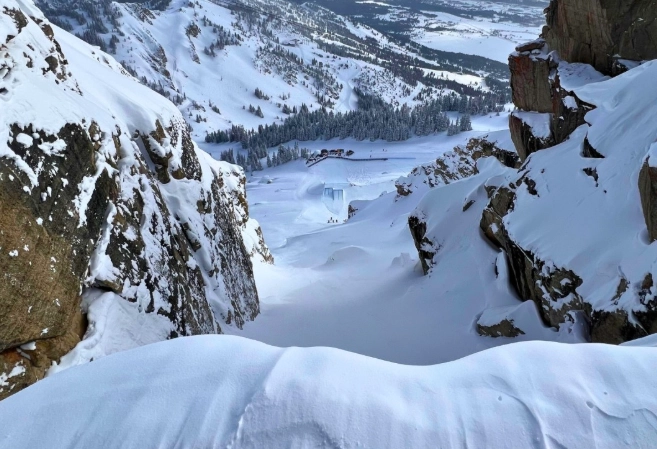
Let's cut through the marketing and ski patrol shorthand. A black diamond isn't a single thing; it's a combination of factors that demand respect. I've skied them for over a decade, from the icy chutes of the Alps to the deep powder of the Rockies, and I've seen too many intermediate skiers get in over their heads because they misunderstood the label.
What You'll Find in This Guide
What a Black Diamond Symbol Really Means
Officially, ski trail difficulty ratings are a guideline managed by the National Ski Areas Association (NSAA) in the U.S. and similar bodies globally. A black diamond signifies "Expert" terrain. But here's the catch: the definition is relative to the mountain itself. A black diamond at a small Midwest resort is a different beast from one at Jackson Hole.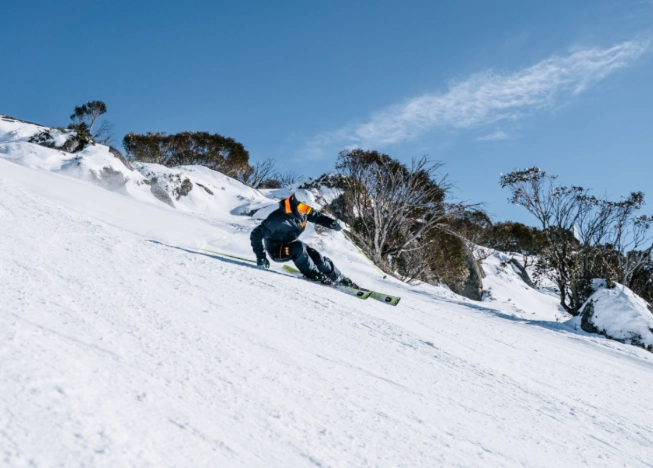
The core intent is to warn you: this run has obstacles and challenges that require advanced skills to navigate safely. It's not a challenge to be conquered; it's a terrain to be negotiated with specific technique.
Key Takeaway
Think of the black diamond as a label for "terrain that will punish fundamental technical errors." On a blue square, a skidded turn might be ugly but manageable. On a true black diamond, that same skidded turn on a steep, bumpy section can lead to a loss of control.
The Three Pillars of a Black Diamond Run
To move beyond the symbol, you need to deconstruct it. A run earns its black diamond through one or usually a combination of these three elements.
Pillar One: Gradient and Pitch
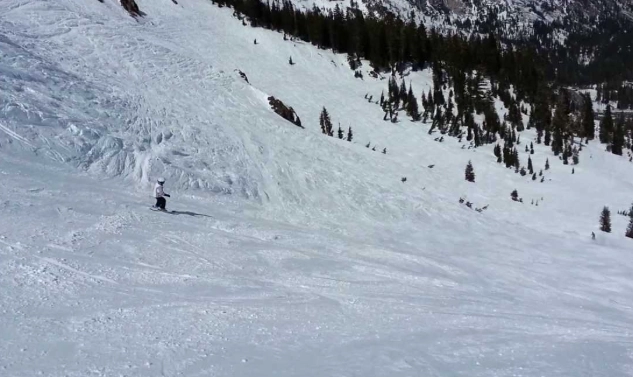
Yes, steepness is a factor. While there's no universal degree measurement, black diamonds typically start around a 40% grade (about 22 degrees). But it's rarely a consistent steep slope. The mental challenge is the pitch variability.
You might have a steep rollover at the top that flattens slightly, then narrows into an even steeper choke point. It's this unpredictability that tests you. You can't just point your skis and hope; you need to actively manage your speed and line across changing angles.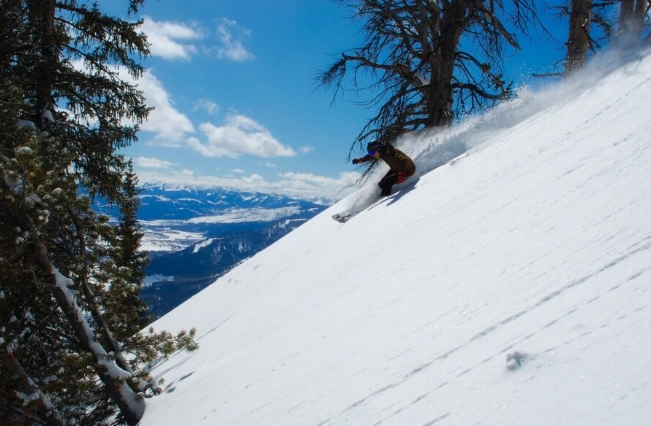
Pillar Two: Terrain Features
This is where many blue-run skiers get caught. A black diamond introduces complex, non-groomed features that you must react to.
- Moguls (Bumps): Not just small lumps, but large, irregular, and often icy bumps that require precise, quick turns and independent leg action.
- Narrow Chutes & Trees: Constricted spaces where your turn shape is dictated by the terrain. There's no wide, sweeping "escape" turn available.
- Exposed Areas & Cliffs: The consequence of a fall is higher. This could mean a run skirting a cliff band (like Corbet's Couloir at Jackson Hole) or a trail with a steep, unguarded side.
- Mandatory Air/Drops: Some runs require a small jump or drop to enter. These are usually marked as double black diamonds, but the line can blur.
Pillar Three: Snow Conditions and Consistency
This is the silent variable. A groomed black diamond on day one can become a completely different run by afternoon. Snow gets skied off, pushed into piles, and turns to ice. Black diamonds are often the first to develop hardpack, crud, or icy patches because they see less traffic and are more exposed to wind and sun.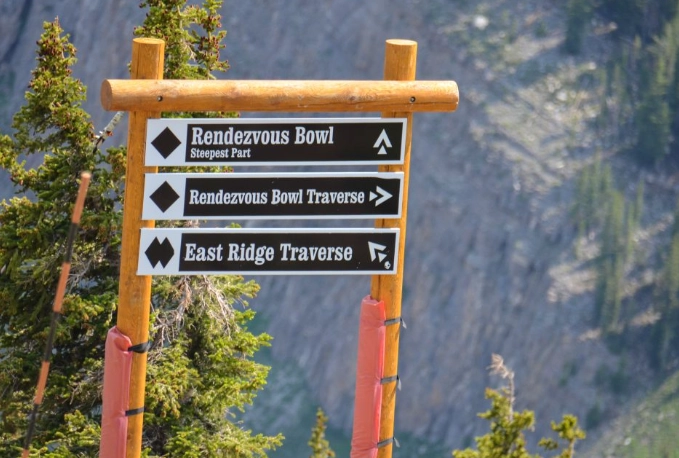
You need to be able to handle variable conditions within a single run—carving on a patch of groomed snow one second, then pivoting through a chunk of ice the next.
| Difficulty Symbol | Typical Name | Key Characteristics | Who It's For |
|---|---|---|---|
| Green Circle | Beginner | Wide, gentle slopes (max 25% grade), always groomed. | First-timers, casual cruisers. |
| Blue Square | Intermediate | Moderate pitch (25-40%), mostly groomed, may have some wider bumps. | Comfortable skiers linking parallel turns. |
| Black Diamond | Expert | Steep (40%+), often ungroomed with moguls, trees, variable snow. | Skiers with strong, controlled parallel turns on all terrain. |
| Double Black Diamond | Expert/Extreme | Very steep, always with extreme terrain (cliffs, narrow couloirs), never groomed. | Highly experienced skiers seeking the most challenging in-bounds terrain. |
The Biggest Problem: Inconsistent Ratings
Here's the non-consensus opinion most guides won't stress enough: Trail ratings are not standardized across resorts. They are a marketing tool and a safety guideline for that specific mountain.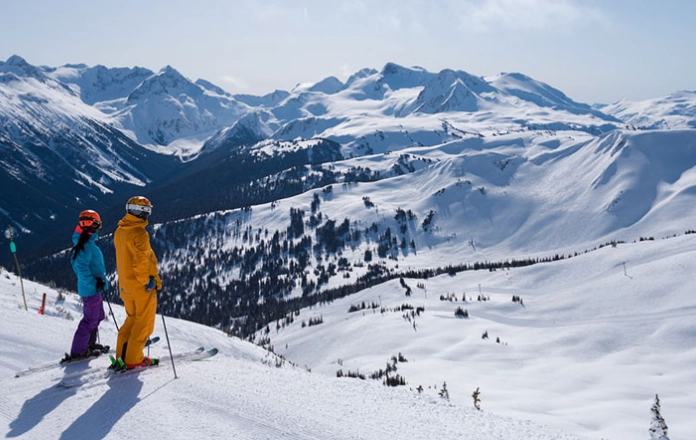
I skied a run at a famous Colorado resort marked as a blue that was steeper and more technical than a black diamond at a smaller resort in New England. The local skiers there were just better, so the scale shifted. A resort known for its extreme terrain, like Jackson Hole, will have a much stricter benchmark for a black diamond than a family-friendly mountain.
My rule of thumb: Always ski a resort's blue runs first to calibrate your personal difficulty scale. If their blues feel easy and boring, their blacks might be your true blue. If their blues are challenging, approach their blacks with extreme caution.
How Do You Know If You're Ready for a Black Diamond?
It's not about bravery; it's about a checklist of skills. Ask yourself these questions at the top of a tough blue run:
- Can you link short-radius parallel turns on a steeper blue section without skidding or hesitation? Your turns should be carved or cleanly pivoted, not a defensive sideslip.
- Can you control your speed through turn shape alone, without constantly riding your edges in a braking wedge? If you're snowplowing (pizza) on blues, you are not ready.
- Are you comfortable with small, unexpected terrain changes (a patch of ice, a small bump)? Do you react with your feet and knees, or do you get thrown off balance?
- Can you look 2-3 turns ahead to plan your line? Tunnel vision is a recipe for disaster on expert terrain.
If you answered "no" to any of these, spend more time on advanced blues. The gap between a high-end blue and a low-end black is the biggest skill jump in skiing. It's where technique separates from instinct.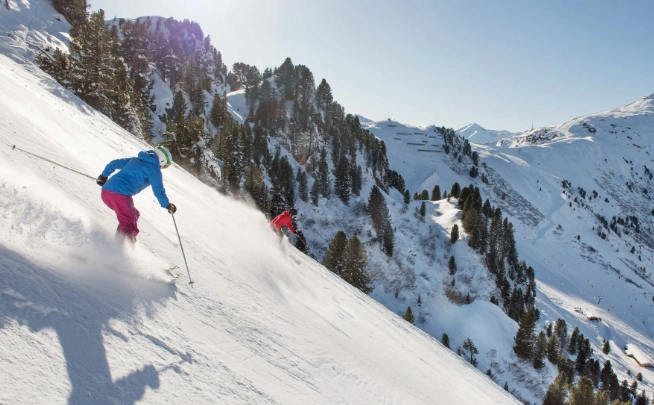
How to Actually Ski a Black Diamond Run: A Tactical Guide
So you've checked the boxes and found a suitable black diamond. Here’s how to approach it, step by step.
1. Scout and Plan. Look at the run from the lift or a vantage point. Identify the crux (the hardest section), potential rest spots, and your exit line. Where does it get narrow? Where are the big bumps?
2. Start with the "Sideslip Test." At the top of the steepest section, put your skis across the fall line and gently slide sideways down a few feet. This tests the snow condition (is it ice under a dusting?) and gets you used to the angle. If you can't control a sideslip, you shouldn't be making turns there.
3. Embrace the Fall Line (Temporarily). On very steep terrain, you need to commit your skis straight down the hill to initiate a turn. The classic intermediate mistake is trying to turn from a traverse—you'll just slip out. Point them down, feel the acceleration, then immediately engage your edges to complete the turn.
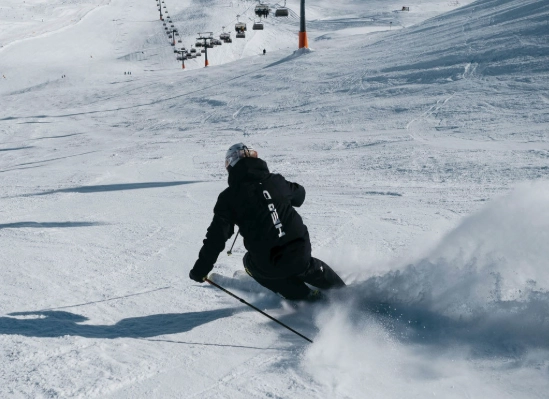
4. Shorten Everything. Shorter turns. Shorter stance. Quicker movements. Keep your weight centered over your boots, not leaning back. In moguls, think "up and down" with your legs, letting the skis pivot around the bumps.
5. Manage Your Energy. Don't try to ski it top-to-bottom non-stop. Find a safe spot to stop (out of the way of other skiers), breathe, and look back at your line. Did you skid? Were you in control? Adjust for the next section.
I remember my first real black diamond in Whistler. It was a mogul field called "The Couloir." I spent 20 minutes just looking at it, then skied three turns, stopped, breathed, and did three more. It took an hour. It wasn't pretty, but it was controlled. That's a successful first attempt.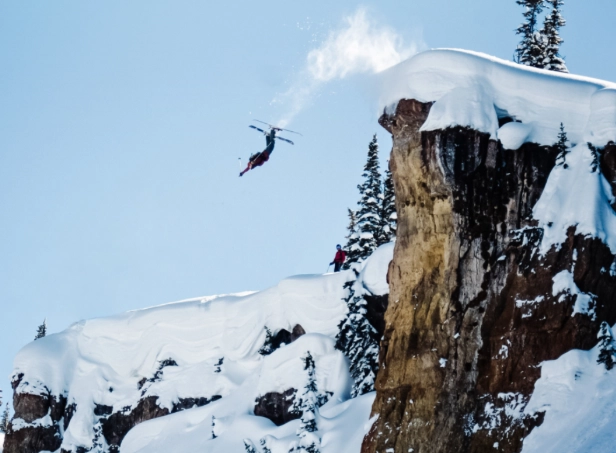
Your Black Diamond Questions, Answered