What You'll Find Here
Let's be honest for a second. There's a gnawing feeling in the pit of my stomach every time I drive for hours to a mountain, see a sea of cars, and watch snow guns blasting away on a 40-degree day. We love this sport. The rush, the mountains, the silence of a fresh track. But it's getting harder to ignore the footprint we leave behind. The question isn't just academic anymore—it's personal. How do we, as skiers and snowboarders, make skiing more sustainable? Not just for some distant future, but for the next season, and the one after that?
This isn't about guilt-tripping anyone off the slopes. It's about smart, practical choices that keep the mountains white and the industry alive. Because if we don't figure this out, what are we even trying to preserve?
The conversation around sustainable skiing has moved way beyond just recycling your lift ticket. It's a whole-system problem, from the carbon-spewing flight you might take to get there, to the water-guzzling snowmaking, to the PFAS-laden waterproofing on your decade-old jacket (yeah, that's a thing). But here's the good news: every single part of that system has solutions emerging. Some are easy swaps. Others require us to push the industry. All of them matter.
The Skier's Personal Playbook: What You Can Actually Do
This is where we start. The big picture is overwhelming, but your next trip isn't. Making skiing more sustainable begins with decisions you make before you even pack your bag.
Picking Your Mountain: Look Beyond the Greenwashing
Not all resorts are created equal. Some have made sustainability a core operational principle. Others just stick a few solar panels on a lodge and call it a day. Your choice of where to ski is your most powerful vote.
So, how do you tell the difference? Look for concrete, verified actions, not just marketing fluff.
- Certifications: Look for legitimate third-party audits. The National Forest Foundation partners with many US resorts on stewardship. In Europe, the Bergfex platform often highlights eco-certified resorts, but dig deeper. The Ski Club of Great Britain's Green Resort Guide is a fantastic, detailed resource.
- Energy Mix: Does the resort power its lifts and buildings with renewable energy? Many are now investing in wind, solar, or hydro. Aspen Snowmass, for instance, has been a leader in this for years.
- Snowmaking Efficiency: This is a huge water and energy hog. Ask if they use automated, weather-based systems and reclaimed water. It makes a massive difference.
- Waste and Water Management: Do they have robust recycling and composting? How do they handle wastewater?
I made a table to compare what serious commitment looks like versus surface-level “eco” claims. It's eye-opening.
| Indicator of Real Commitment | Common Greenwashing Flag |
|---|---|
| Publicly available annual sustainability report with hard data (energy use, water use, waste diverted). | Vague claims like "committed to the environment" with no supporting facts. |
| Investment in on-site renewable energy (e.g., solar arrays on lift shacks, purchasing wind power). | A single "green" building among many conventional, inefficient ones. |
| Transparent about challenges (e.g., "We still rely on 40% diesel for snowcats, but we're testing electric models"). | Only highlighting one small, successful program while ignoring larger impacts. |
| Partnerships with conservation NGOs like Protect Our Winters or local forest groups. | An isolated tree-planting day with great PR but no operational changes. |
The Elephant in the Room: Getting There
For most of us, travel is the single biggest chunk of our skiing carbon footprint. A long-haul flight can outweigh everything else you do on the trip. So, what's the answer? Ban flying? That's not realistic for everyone.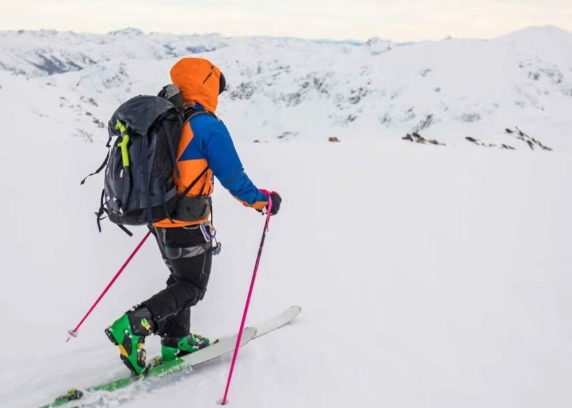
It's about smarter travel hierarchy. Here’s my personal rule of thumb, which I try (and sometimes fail) to follow:
- Local is King: Explore the hills within a few hours' drive. You'd be surprised at the gems you've been overlooking.
- Train Over Plane (in Europe, especially): The night train to the Alps is an adventure in itself. It's more expensive sometimes, but you save on a hotel night and wake up in the mountains.
- Drive Full: If you drive, carpool until the car is packed. One car with four people is vastly better than two cars with two.
- Fly Less, Stay Longer: If you must fly, make it count. One two-week trip is better than two one-week trips. And for heaven's sake, book a non-stop flight—takeoff and landing use the most fuel.
- Offset Thoughtfully: Carbon offsets are tricky. They're not a get-out-of-jail-free card, but they're better than nothing if you use a high-quality provider like Gold Standard. Think of it as a carbon tax you pay on your impact.
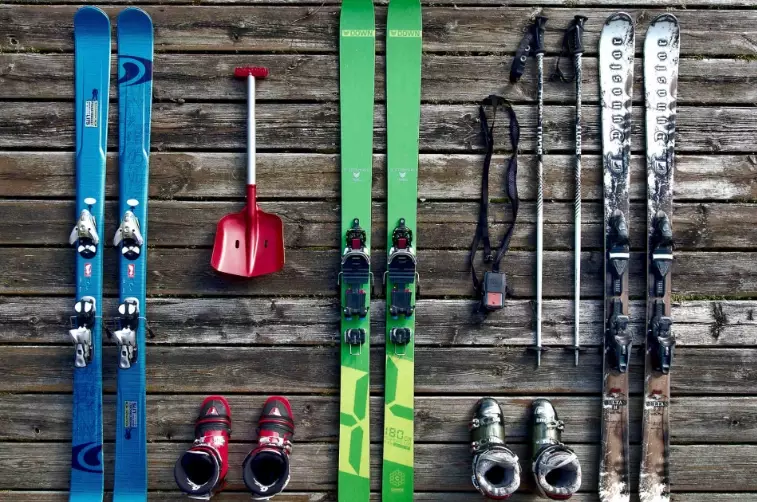
Gear: Buy Less, Choose Well, Make It Last
The gear cycle is insane. New graphics every year, convincing us we need the latest and greatest. The most sustainable jacket is the one already in your closet. Full stop.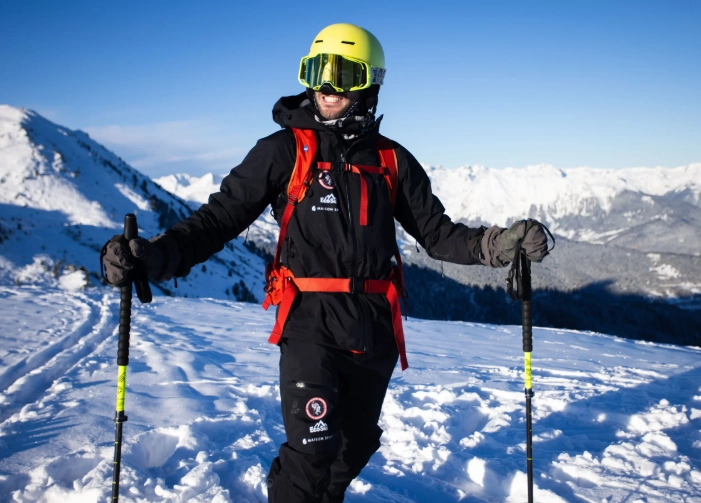
But when you do need something new, the landscape is changing fast.
- Repair, Don't Replace: Got a torn goggle strap? A leaking seam? Repair it. Companies like Gear Fix or local outfitters can work miracles. I've had a shell patched that's now on season eight.
- Buy Second-Hand: The used gear market is booming. Check Geartrade, Facebook Marketplace, or local ski swaps. You save money and keep gear out of landfills.
- Seek Out Sustainable Brands: When buying new, look for brands using recycled materials (like polyester from plastic bottles), PFC-free DWR (durable water repellent—the old stuff is toxic), and transparent supply chains. Brands like Picture Organic, Patagonia (their Worn Wear program is legendary), and Klättermusen are pushing hard here.
- Skip the Fast Fashion of Ski Wear: That super cheap kit from a random online store? It'll likely delaminate in a season and can't be recycled. Invest in quality that lasts.
On-Mountain Behavior: The Little Things Add Up
Once you're there, your daily habits matter.
Pack out what you pack in—every wrapper, every bar tab. Stay on marked trails to protect fragile undergrowth. Respect wildlife closures. It sounds basic, but you'd be amazed how many people just drop a glove and think "someone will get it."
Support the local economy. Eat at the family-run pub, not the global fast-food chain at the base. It keeps money in the community that depends on the mountain.
The Big Levers: What Resorts and the Industry Need to Do
We can do a lot, but let's not kid ourselves. The heavy lifting has to come from the resorts and gear manufacturers. This is where asking "how to make skiing more sustainable" gets technical and expensive. But it's non-negotiable for the sport's survival.
Fixing the Snowmaking Problem
Snowmaking is a climate paradox. As winters get warmer and less reliable, resorts need it more to guarantee seasons and economic survival. But making snow is incredibly energy and water-intensive.
The solutions exist, but they cost money. Efficient, computer-controlled snow guns that only run when humidity and temperature are perfect. Using reclaimed wastewater instead of potable drinking water. Some forward-thinking areas, like parts of the White Mountain National Forest, have strict guidelines on this.
The ultimate goal? Powering all that infrastructure with renewable energy. If your snow is made by wind power, the equation starts to look a lot better.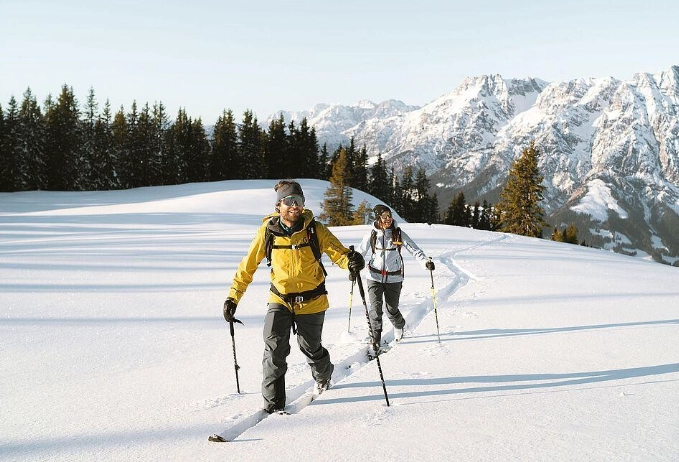
Ditching Diesel: Electric and Hybrid Fleets
The smell of diesel from a snowcat or a groomer is iconic. It's also filthy. The transition to electric and hybrid vehicles for mountain operations is slow but starting. Taos Ski Valley has been testing battery-powered snowcats. Electric snowmobiles for patrollers and mountain ops are becoming more viable.
This is a huge capital expense for resorts, but it's a direct reduction in both emissions and noise pollution. As consumers, we can support resorts that are making these investments.
Building Smarter, Not Bigger
The era of the 10,000-square-foot energy-guzzling slope-side mega-chalet needs to end. New construction should be to the highest environmental standards: Passive House design, geothermal heating, locally sourced materials.
Even retrofitting old lodges with better insulation and efficient heating systems makes a massive difference in their annual energy burn.
Honest Communication and Advocacy
This might be the most important one. The ski industry has a powerful voice. It needs to use it not just for marketing, but for advocacy. Supporting policies that promote renewable energy, carbon pricing, and climate action is now a business imperative. Groups like the National Ski Areas Association (NSAA) have sustainability programs, but the pressure needs to be constant from within.
Tackling the Tough Questions: Your FAQs on Sustainable Skiing
I get a lot of questions on this topic. Some are simple, some are really thorny. Let's dive into a few.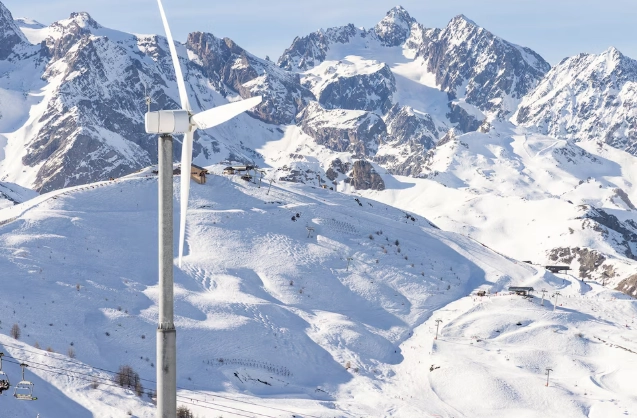
The Bottom Line: It's About Love, Not Guilt
Figuring out how to make skiing more sustainable isn't a punishment. It's an expression of love for the sport and the places it takes us. It's about ensuring that our kids get to feel the same joy we do.
The path forward isn't one big thing. It's a thousand small choices. It's choosing the train, repairing your boots, researching your resort, eating local, and voting for leaders who take climate science seriously. It's also about demanding more from the companies and resorts we support.
This winter, make one change. Then next season, make another. The mountain culture has always been about adaptation and resilience. Now we need to apply that to the sport itself. The snow is depending on it.
Because at the end of the day, the best way to make skiing more sustainable is to ensure there's still skiing to be had.