Quick Guide
- Why Generic Advice Fails Intermediate Skiers
- The Three Pillars of Intermediate Skiing: What We're Really Working On
- The Core Drill Progression: From Wobbly to Powerful
- Drills for Specific Intermediate Challenges
- Putting It All Together: A Sample Practice Session
- Gear Considerations: Does Your Setup Help or Hinder?
- Answering Your Burning Questions (FAQs)
- The Mental Game: It's Not Just Your Legs
So you can link your turns, you don't panic on blue runs anymore, and you feel pretty good about yourself on the groomers. But then you hit a steeper pitch, some choppy snow, or a tighter corridor of trees, and that confidence wobbles. Your turns feel forced, your skis might chatter, and you end up relying on speed to get you through instead of technique. Sound familiar? You're firmly in the intermediate zone, and it's a tricky place to be. The beginner gains are behind you, and the fluid, effortless skiing of the experts seems like a distant dream.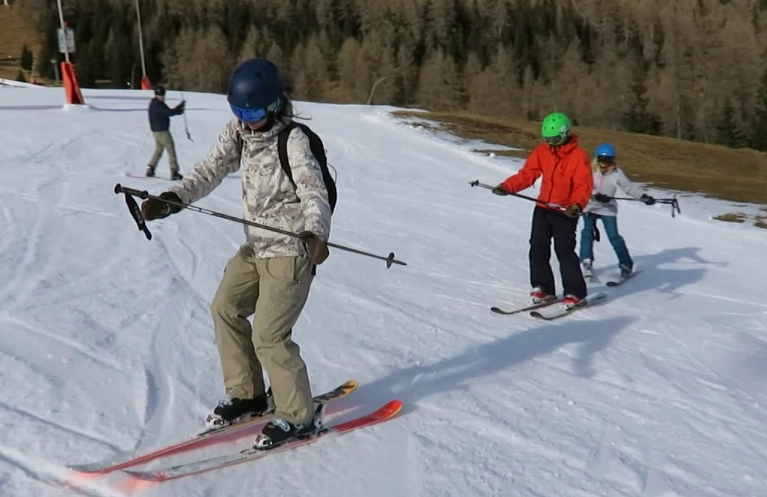
Let's be honest, just skiing more miles isn't the answer. You'll just reinforce the habits you already have, good and bad. What you need is targeted practice. You need ski drills for intermediate skiers that break down the complex movements of advanced skiing into bite-sized, manageable pieces.
This isn't about looking silly on the hill. It's about building a rock-solid foundation.
The goal here is control. Pure, unadulterated control over your skis, your speed, and your line. The drills I'm going to walk you through are the ones I've used myself and seen coaches use for years. They're not flashy, but they are incredibly effective. We'll move from foundational balance all the way to dynamic carving, addressing the specific gaps that hold intermediate skiers back.
Why Generic Advice Fails Intermediate Skiers
You've probably heard it all before. "Bend your knees more." "Lean forward." "Get on your edges." The problem with these commands is they're vague and often lead to over-compensation. Telling an intermediate skier to "lean forward" might make them break at the waist, putting them in the backseat. The key is how you create that forward pressure and where you bend.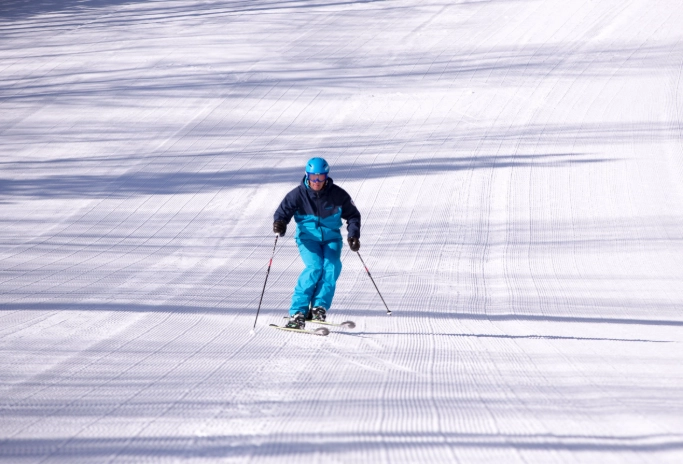
Effective ski drills for the intermediate level work because they isolate a specific movement pattern. They force you to feel what correct mechanics are like, often by exaggerating them or removing your ability to use your old, compensatory movements. They build the muscle memory that makes good technique automatic, so when you're staring down a steep couloir, your body knows what to do without you having to think through a checklist.
The Three Pillars of Intermediate Skiing: What We're Really Working On
Before we jump into the drills, let's get clear on the objectives. As an intermediate skier aiming for advanced, your focus should be on these three core pillars. Every drill should serve one of these masters.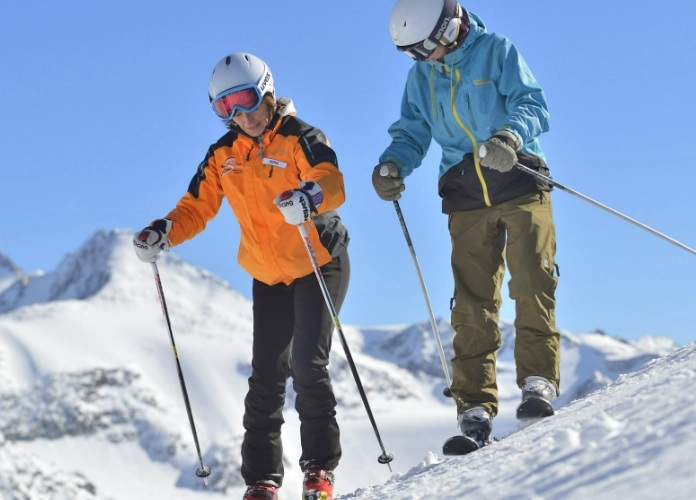
Pillar 1: Independent Leg Action & Balance
This is the non-negotiable foundation. Beginner skiing is often two-footed and stiff. Advanced skiing is dynamic, with weight shifting fluidly from one independent, active leg to the other. Drills here teach you to balance over each ski individually and use your legs like shock absorbers.
Pillar 2: Edge Control & Angulation
This is how you steer and control speed. It's not just tilting your skis on their side. It's about creating angles between your knees, hips, and shoulders to grip the snow without your upper body leaning wildly into the hill. This is the secret to carving and controlled skidding.
Pillar 3: Upper & Lower Body Separation
Probably the most misunderstood concept. Your skis turn left and right under a relatively stable and facing-forward upper body. When your shoulders and hips twist to follow your skis (a common intermediate habit), you kill your edge grip and power. Drills here teach your legs to turn independently from a quiet upper body.
The Core Drill Progression: From Wobbly to Powerful
Alright, let's get to the good stuff. Here is a progression of drills. Start at the top on an easy, wide green slope. Master the feeling, then take it to a gentle blue. Don't rush. It's better to do two drills perfectly on an easy run than to struggle through all of them on terrain that intimidates you.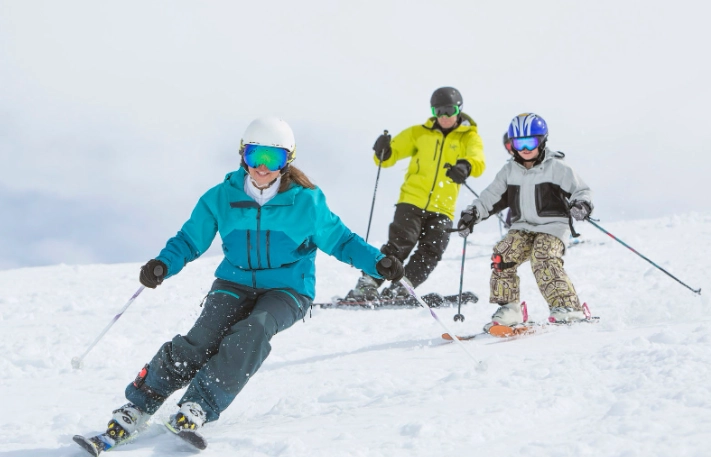
Foundational Balance: The One-Ski Drill
This one feels weird at first, but it's a game-changer. On a very gentle, wide slope, simply lift one ski entirely off the snow, holding it up behind you or in front. Now, make gentle turns using only the other ski.
What you'll feel immediately is where your balance truly needs to be—centered over that single foot. If you're in the backseat, you'll fall backward. If you're leaning inside, you'll catch an edge. This drill ruthlessly exposes balance flaws.
This is arguably the most important of all ski drills for intermediate skiers because it addresses the root of so many other problems. Do this every day as a warm-up.
Edging & Platform Building: The Sideslip & Pivot
Control on steeps doesn't come from heroic leaps into a turn. It comes from the ability to manage your edges before you commit. Find a moderately pitched blue run (one you're comfortable on) and stand across the hill.
- Sideslip: Flatten your skis so they're not gripping. Feel them start to slide sideways down the fall line. Use subtle ankle and knee movements to roll your skis onto their edges slightly to slow or stop the slip. Your upper body should stay facing across the hill. This teaches you the micro-adjustments of edge control.
- Pivot Slip: From a sideslip, gently pivot your skis' tails left and right (keeping the tips roughly in place) so they point slightly more down the hill, then back across. You're not turning, you're "fanning" your skis. This builds the feeling of initiating a turn from your feet and legs, not your shoulders.
Boring? Maybe. Essential? Absolutely.
Building the Turn: The Javelin Turn & Stem Christie
Yes, the Stem Christie. It gets a bad rap as an "old-fashioned" drill, but when used intentionally, it's brilliant for teaching turn phases. Here's a two-drill combo.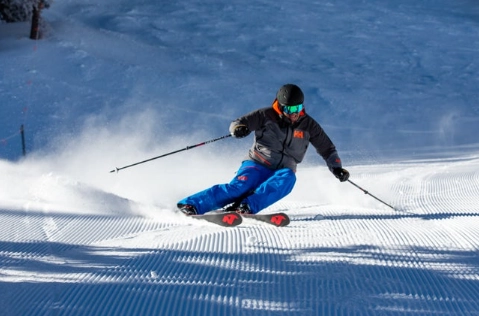
First, the Javelin Turn. As you start a turn, lift the tail of your inside (uphill) ski off the snow, leaving the tip touching. It looks like a javelin. Complete the turn with most of your weight on the outside ski. This forces you to commit to that outside ski and prevents you from keeping weight on the inside ski (a major parallel turn blocker).
Next, the intentional Stem Christie. Deliberately step the tail of your uphill ski out at the start of a turn (the stem). Then, as you complete the turn, bring that ski back parallel to the other (the christie). The goal is to make the "stem" phase smaller and smaller with each turn until it's just a subtle weight shift. This directly illustrates how a parallel turn is essentially a very small, quick stem.
Drills for Specific Intermediate Challenges
Now let's get specific. What's your personal bugbear? Pick a drill from this list.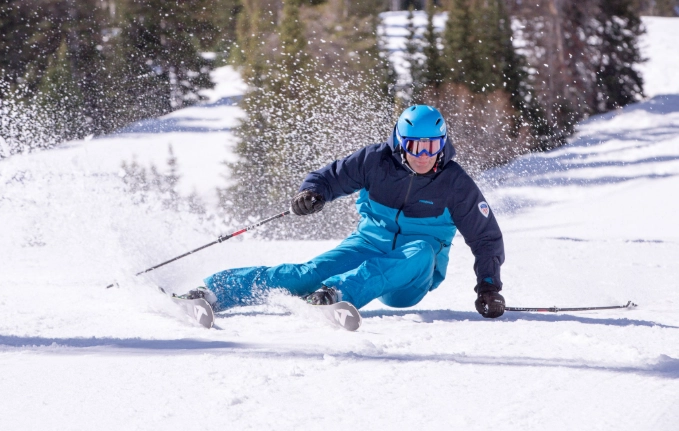
For the Speed Avoider (Who Skids Too Much)
If your default is to skid your turns to scrub speed, you need to learn to trust your edges. The Railroad Track drill is perfect. On a groomed blue, try to make two perfectly parallel, pencil-thin tracks in the snow. Focus on rolling your knees and ankles into the hill to set your edges early in the turn. You'll hear a clean, crisp "shhh" sound, not a skiddy "shush." The Professional Ski Instructors of America (PSIA) emphasizes this clean track as a hallmark of effective edging. It feels faster at first, but the control you gain is immense.
For the Stiff Hips (Who Can't Get Low)
If you struggle to get your body down and into the turn, try the Touch Your Boots drill. While making a turn, reach down and touch the top of your outside ski boot with your outside hand. To do this, you have to flex your ankle, knee, and hip on that outside leg. It's an exaggeration, but it breaks the habit of staying upright and stiff. Just don't look down for too long!
For the Upper Body Twister
If your shoulders follow your skis around every turn, you need to create separation. The Pole Plant to the Side drill works wonders. As you initiate a turn, plant your pole not in front of you, but deliberately down the hill, almost to the side of your body. This forces your upper body to stay facing down the fall line while your legs turn underneath you. It feels strange, but it's the correct kinematic sequence.
Putting It All Together: A Sample Practice Session
How do you actually use this on the mountain? Don't try to do everything at once. Here’s a blueprint for a 90-minute focused session.
| Phase | Duration | Drills & Focus | Terrain |
|---|---|---|---|
| Warm-up & Recalibration | 20 min | Two runs of simple One-Ski traverses and turns. Focus solely on balance over the outside ski. Feel your boot tongues. | Easy Green |
| Skill Isolation | 30 min | Pick ONE pillar to work on (e.g., Edging). Do 2-3 runs of Sideslip/Pivots, then 2-3 runs of Railroad Tracks. Don't judge your full skiing, just the drill. | Gentle Blue |
| Integration | 30 min | Now, ski normally on the same blue run. Make 3-4 "free" turns, then do 2-3 turns focusing on the specific skill from the previous phase. Alternate. Let the feeling seep in. | Comfortable Blue |
| Challenge & Fun | 10 min | Take the skill to a slightly harder run (a steeper or bumpier blue). Don't drill, just ski. See what sticks under a bit of pressure. Then go have fun. | New Blue / Bumps |
Gear Considerations: Does Your Setup Help or Hinder?
Let's have a real talk about gear. You can do all the ski drills for intermediate skiers in the world, but if your boots don't fit or your skis are from 2005, you're fighting an uphill battle.
Boots are 80% of your control. If they're too loose, you'll never have precise edge input. If they're painfully tight, you'll be afraid to flex. A professional boot fitting is the single best investment you can make in your skiing. It's not cheap, but it's transformative. Skis matter too. A stiff, demanding race ski will make learning harder. A forgiving, all-mountain ski with some rocker in the tip is ideal for intermediates progressing to advanced. It will be more forgiving of small balance errors while still holding an edge. Resources from organizations like the Canada Ski Council often highlight the importance of appropriate equipment for skill development.
Answering Your Burning Questions (FAQs)
How often should I practice these drills?
Quality over quantity. A focused 20-30 minutes at the start of your ski day, 2-3 days a week, will yield far better results than a frustrated 2-hour drill session once a month. Make it part of your warm-up ritual.
I feel silly doing these. Everyone is just skiing past me!
I get it. The mountain can feel like a stage. But remember: the skier effortlessly carving past you likely spent hours feeling silly doing these exact same drills. They've earned their ease. You're in the gym, they're in the performance. Stay in your lane and focus on your own progress. In a week, you'll be the one people watch.
What if I keep falling during a drill?
First, celebrate! Falling means you're at the edge of your ability, which is where learning happens. Second, dial it back. Go to easier terrain or slow the drill down. Falling during a One-Ski drill? Go back to just traversing on one ski. Master that first.
Are these the same drills experts do?
Many of them, yes. Experts and coaches use these as tune-ups and to isolate specific skills. The difference is the speed, edge angle, and terrain they can perform them on. An expert might do railroad tracks on a black diamond bump run. You're building the foundation to get there.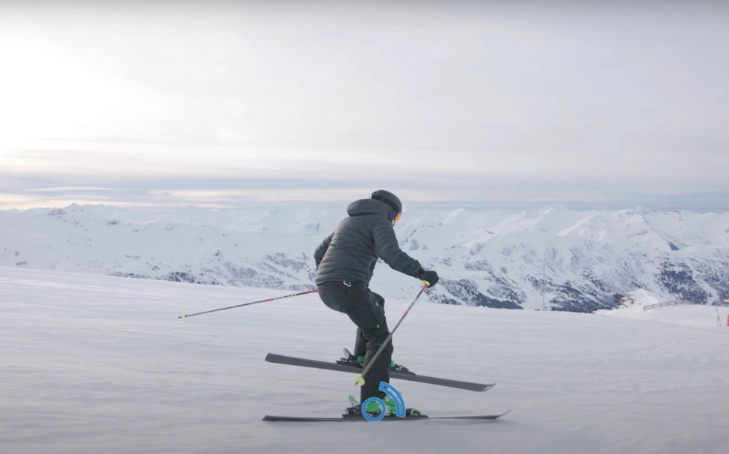
When will I see results?
You'll feel a difference immediately in your awareness. Real, transferable improvement in your free skiing usually takes about 3-5 solid days of consistent, focused practice. Don't give up after one morning. Muscle memory needs repetition.
The Mental Game: It's Not Just Your Legs
Finally, let's talk about the headspace. Intermediate plateau is as mental as it is physical. You know enough to see what's possible, but not enough to consistently execute it. That gap breeds frustration.
Set process goals, not outcome goals. Instead of "I will ski the black diamond today," try "Today, I will focus on keeping my upper body quiet on every turn on this blue run." Celebrate nailing three turns in a row with great balance. This reframes success and makes the journey productive instead of punishing.
The mountain isn't judging you. It's just snow and gravity.
Pick one thing from this article. Just one. Maybe it's the One-Ski drill for your first run tomorrow. Master that feeling. Then, when you're ready, come back and pick another. This is how you build advanced skiing, brick by brick, drill by drill. The path from intermediate to advanced isn't a leap; it's a series of small, deliberate steps. And with the right ski drills for intermediate skiers in your pocket, you've got the perfect map for every single one of them.
Now go get some turns in.