In This Guide
Let's be honest. For a long time, my idea of a perfect ski trip had nothing to do with carbon footprints or renewable energy. It was about fresh powder, short lift lines, and a cozy fireplace. Then, a few years back, I was skiing in the Alps in late December, and it felt more like late spring. The snow was thin, the patches of grass were showing, and the locals were worried. It hit me then – the mountains we love are on the front lines of climate change.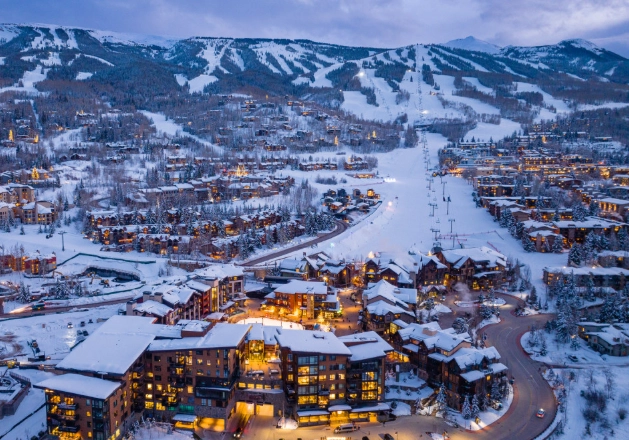
That got me thinking. As skiers and snowboarders, we're drawn to these beautiful, fragile places. Doesn't it make sense to try and protect them? The good news is, a growing number of ski resorts are asking the same question and doing something about it. They're not just talking; they're investing in real change. So, I started digging. I looked at certifications, read sustainability reports (yes, really), and even chatted with a few resort managers. I wanted to cut through the greenwashing and find the places genuinely committed to being the best sustainable ski resorts out there.
This isn't about shaming anyone or making skiing feel like a guilt trip. It's about highlighting the innovators, the resorts putting their money where their mouth is. Choosing one of these places means your vacation dollars support their efforts to protect the winter playground we all depend on. It's a win-win.
But what does "sustainable" even mean for a ski resort? It's more than just recycling bins in the lodge. We're talking about a whole philosophy. It covers energy use (powering lifts and buildings), water management (for snowmaking), protecting local wildlife and forests, supporting the community, and how they handle waste. It's a big job.
What Makes a Ski Resort Truly Sustainable?
Before we get to the list, let's set the ground rules. How can you tell if a resort is legit or just painting itself green? I learned to look for a few key things.
First, look for third-party certifications. These are like report cards from independent organizations. The gold standard is often considered the National Ski Areas Association's Sustainable Slopes program in the U.S., but even that has its critics who say it's not strict enough. In Europe, look for resorts certified by organizations like Alpine Pearls (focused on car-free tourism) or those adhering to the ISO 14001 environmental management standard. A resort that publishes a detailed, measurable sustainability plan is usually a good sign.
Second, look at their energy mix. Are their lifts and buildings powered by renewable energy like wind, solar, or hydro? Some forward-thinking resorts even generate their own power.
Third, consider their approach to snowmaking. It's water and energy-intensive. The best sustainable ski resorts use efficient, computerized snowmaking systems that only operate when temperatures are perfect, and they often use reclaimed water.
Finally, think about the bigger picture. Do they offer good public transport links to cut down on car traffic? Do they source food locally for their restaurants? Do they have programs to protect endangered species in the area? It's this holistic view that separates the leaders from the pack.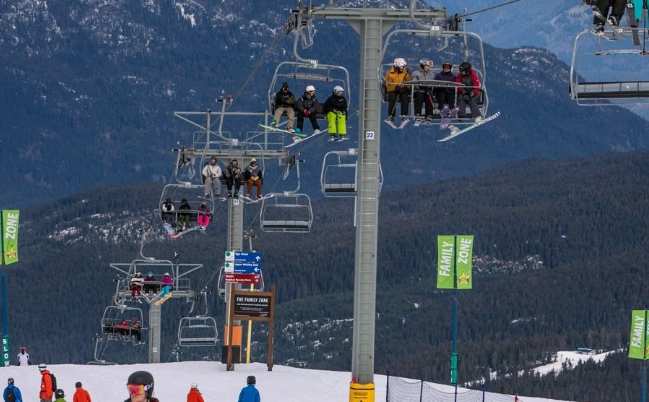
I'll admit, some resorts do the bare minimum just for the marketing bump. You see a few solar panels on a maintenance shed and suddenly it's an "eco-resort." That's why digging a little deeper is worth it. The resorts on the list below are the ones I believe are going beyond the basics.
The Contenders: Top Sustainable Ski Resorts Across the Globe
Alright, let's get to the good stuff. Based on my research, here are some of the standout sustainable ski resorts that are genuinely pushing the envelope. This isn't a definitive ranking, but more of a showcase of leaders in different regions.
European Champions
Europe has been at this game for a while, partly because the Alps feel the effects of a warming climate so acutely.
Avoriaz, France: Part of the massive Portes du Soleil area, Avoriaz is famously car-free. You park at the entrance and get around by horse-drawn sleigh, shuttle, or simply on your skis. The architecture is built into the mountain, and they have a strong focus on waste reduction and energy efficiency. It feels like a different, more peaceful kind of resort from the moment you arrive.
Saas-Fee, Switzerland: Another car-free gem. Saas-Fee gets almost 100% of its electricity from local hydropower. They were early adopters of green policies and have a strict building code to preserve the village's character. The resort is also a founding member of the Alpine Pearls association. The vibe is incredibly clean and pristine, which matches the surrounding glaciers.
Zermatt, Switzerland: Yes, it's famous and luxurious, but Zermatt has also made huge strides. It's been car-free for decades. Most hotels are heated by a local district heating system that uses waste heat from lift motors. They have an ambitious goal to become a carbon-neutral destination. The connection to the iconic Matterhorn gives them a powerful incentive to protect their backyard.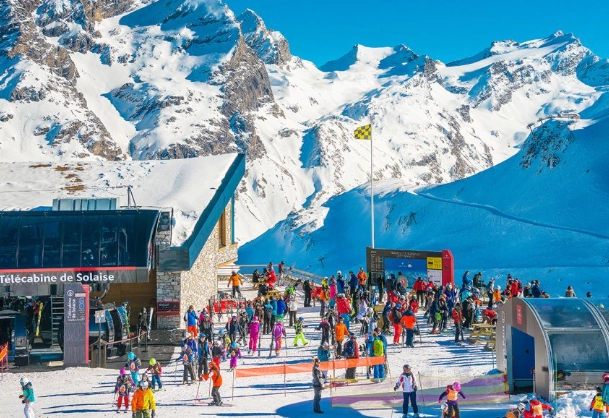
North American Trailblazers
In the U.S. and Canada, sustainability is often driven by passionate individuals and a strong connection to the land.
Aspen Snowmass, Colorado, USA: Aspen is a heavyweight in this arena. They have been carbon-neutral in their operations since 1999 (for things they control directly, like lifts and buildings). They were one of the first major resorts to buy wind power credits on a massive scale. Their sustainability page is transparent and detailed. They also lobby for climate action at the political level, which I really respect. It shows they see the bigger picture.
Quick Fact: The Ski Area Citizens' Coalition used to score western U.S. resorts on their environmental practices. While their report card is no longer updated, it pushed many resorts to improve. Resorts like Aspen and Squaw Valley (now Palisades Tahoe) often scored highly.
Whistler Blackcomb, British Columbia, Canada: Owned by Vail Resorts, which has its own "Epic Promise" sustainability goals, Whistler does a lot on the ground. They have a huge composting program, source a significant amount of renewable energy, and run extensive habitat protection programs for species like the endangered spotted owl. Their Fitzsimmons Creek run-of-river hydro project generates enough clean power for their winter operations, which is pretty impressive for a resort that size.
Jiminy Peak, Massachusetts, USA: This one is a pioneer. Back in 2007, they installed a massive 1.5 MW wind turbine right on the mountain, nicknamed "Zephyr." It provides about a third of the resort's annual electricity. They've also done a ton of work on energy efficiency, like retrofitting lifts and snowmaking. It proves you don't have to be a mega-resort to make a big difference.
But how do you actually compare them side-by-side?
It's tricky, because every mountain is different. But to give you a clearer picture, here's a breakdown of some key initiatives across a few of these leading best sustainable ski resorts.
| Resort | Region | Key Sustainable Initiative | Transport Focus | Energy Highlight |
|---|---|---|---|---|
| Aspen Snowmass | Colorado, USA | Carbon neutral operations since 1999; strong climate advocacy. | Extensive free local buses; incentives for carpooling. | 100% renewable electricity purchase for operations. |
| Whistler Blackcomb | BC, Canada | Fitzsimmons Creek hydro project; zero waste goal. | Village is pedestrian-focused; good regional bus links. | Hydro project powers all winter lift operations. |
| Saas-Fee | Switzerland | Car-free village; strict environmental building codes. | Fully car-free. Access by electric bus/taxi from parking. | 100% local hydropower for electricity. |
| Jiminy Peak | Massachusetts, USA | On-site wind turbine (Zephyr) as early adopter. | Standard resort parking; regional location. | Wind turbine provides ~33% of annual electricity. |
Seeing it laid out like that helps, right? You can start to see the different paths resorts take based on their geography and resources.
Beyond the Resort: How You Can Ski More Sustainably
Choosing one of the best sustainable ski resorts is a fantastic first step. But our impact as skiers doesn't stop there. The journey to and from the mountain, and what we do while we're there, matters just as much.
Let's talk transportation. This is often the biggest carbon footprint of a ski trip. If you can, take a train or a bus. Many European resorts, like those in the Austrian Alps or Swiss Alps, are brilliantly connected by rail. In North America, it's harder, but options like the Amtrak to Denver for Colorado resorts or buses to Lake Tahoe exist. If you must drive, carpool. Fill every seat. Some resorts even have dedicated carpool parking spots that are closer to the lifts – a nice perk!
When you're there, act like a local.
- Use resort shuttles: Don't drive from your condo to the base every day if there's a free bus.
- Be waste-wise: Use a reusable water bottle and coffee cup. It's shocking how many disposable ones get used on a mountain.
- Support local businesses: Eat at the family-owned restaurant, not just the big chain at the base. It keeps money in the community.
- Respect the terrain: Stay on marked trails to protect fragile off-piste plant life and avoid disturbing wildlife.
I used to be terrible about the disposable water bottle thing. I'd buy one at the lodge every day. Now I carry a small, insulated bottle that fits in my jacket pocket. It saves money and a ridiculous amount of plastic over a week. Such a simple switch.
What about gear? The ski industry is catching on here too. Look for brands using recycled materials in jackets and pants, or companies that offer gear repair instead of replacement. Buying durable, high-quality gear that lasts for seasons is more sustainable than going through cheap stuff every year.
Your Questions on Sustainable Skiing, Answered
Are sustainable ski resorts more expensive?
Not necessarily. A lift ticket at Aspen isn't more expensive because they're green; it's expensive because it's Aspen. Many of the practices, like energy efficiency, actually save resorts money in the long run. Some smaller, community-focused eco friendly ski resorts can be very affordable. The cost is more about the resort's overall prestige and location than its sustainability efforts.
Does the snowmaking used by these resorts cancel out the benefits?
This is the million-dollar question. Snowmaking is energy-intensive, full stop. However, it's also becoming a necessity for business reliability in many regions. The key is how it's done. The best sustainable ski resorts use the most efficient technology, run it only during optimal cold temperatures (which uses less energy), and often use water from dedicated reservoirs or reclaimed sources. It's a trade-off, but done smartly, it's part of a resilient business model that supports local jobs.
How can I verify a resort's green claims?
Don't just take the marketing copy on their homepage at face value. Go to the "Sustainability" or "Environment" section of their website. Look for specific data: "We source X% renewable energy," "We have reduced waste by Y%." Look for links to their sustainability reports. Check if they mention third-party certifications. A little digging separates real progress from vague feel-good statements.
Is it even worth skiing if I'm concerned about climate change?
This is a personal one, and I wrestle with it. Air travel is a major emitter. My take is this: if you love skiing and the mountains, abandoning them isn't the answer. The answer is to be more mindful. Take fewer but longer trips. Choose closer destinations when possible. Support the resorts and brands that are fighting for the future of the sport. Be a vocal advocate for climate policies. We need passionate people who care about these places to stay engaged, not walk away.
The future of skiing depends on the snow, and the snow depends on a stable climate. It's that simple.
The Bottom Line: Why Your Choice Matters
Seeking out the best sustainable ski resorts isn't about being perfect. It's about direction. It's about voting with your wallet and showing the industry that this stuff matters to us, the customers. Every time a resort invests in a solar array, improves its shuttle system, or protects a parcel of forest, it's because they believe it's what their guests want.
The resorts I've mentioned are leading the way, but they're not the only ones. Do your own research for your favorite destination. Ask questions. The more we ask, the more the industry will listen.
The feeling of carving down a mountain with clean, cold air in your face is pure magic. By making more conscious choices, we can help ensure that magic is there for generations of skiers and snowboarders to come. That, to me, is what finding the best sustainable ski resort is all about.
Final Thought: Your most sustainable ski day might be the one where you pack a lunch, carpool with three friends, use your reusable gear, and support a resort that's working hard to protect its home. It all adds up. Now go enjoy those turns.