Quick Navigation
- What Does "Climate Resilient" Even Mean for a Ski Resort?
- The Pillars of Resilience: What to Look For
- The Contenders: Ski Resorts Built for the Future
- Beyond the List: How to Assess Any Resort's Resilience
- Planning Your Trip in the Climate Era: Practical Tips
- Facing the Hard Questions: Common Concerns Addressed
- The Bottom Line
Let's be real for a second. If you're a skier or snowboarder, you've probably had that sinking feeling. You book a trip months in advance, you're counting down the days, and then... the forecast shows rain, or worse, no snow at all. It's not just bad luck anymore. It's the new normal in a lot of places. I remember a trip to a famous low-elevation resort a few years back where we spent more time hiking for patches of slush than actually skiing. It was a wake-up call.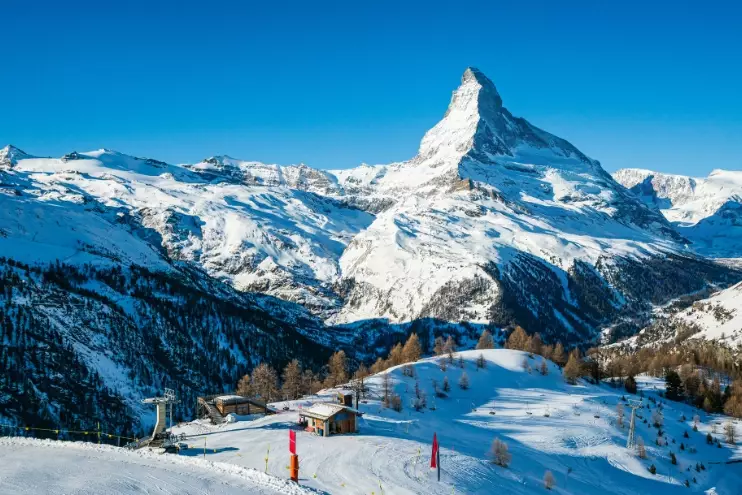
That's why the question of what ski resorts are most resilient to climate change isn't just academic. It's about protecting our investment in our vacations, our passion, and the future of the sport we love. It's about finding places that aren't just hoping for the best, but are built for the challenge.
So, what actually makes a ski resort resilient? It's not just one thing. It's a combination of geography, smart management, and a bit of luck. We're talking about altitude, latitude, snowmaking muscle, glacier coverage, and a management team that's actually planning for the next decade, not just the next season. This guide dives deep into all of it, moving beyond the usual "top 10" lists to look at the why behind the where.
What Does "Climate Resilient" Even Mean for a Ski Resort?
Before we name names, let's get on the same page. A climate-resilient ski resort isn't necessarily immune to warming. No place is. Instead, it's a destination that has significant natural and/or artificial advantages that allow it to maintain reliable ski conditions, a long season, and a sustainable business model even as average temperatures rise and weather patterns become more erratic. Think of it as a resort with a bigger buffer against bad snow years.
The Pillars of Resilience: What to Look For
When you're trying to figure out what ski resorts are most resilient to climate change, these are the key factors that separate the hopefuls from the heavyweights.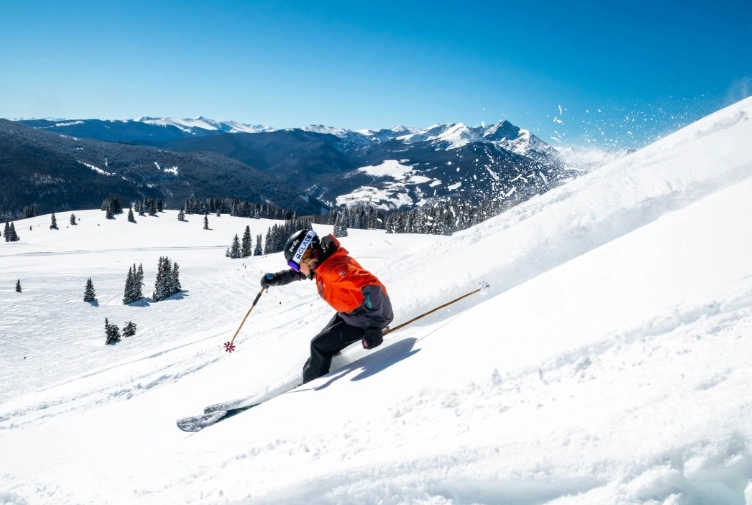
1. High Altitude is Your Best Friend (Usually)
This is the big one. Colder air holds more moisture and turns precipitation into snow instead of rain. A resort with a high base elevation and even higher peaks simply has more room to retreat up the mountain if the snow line rises. A resort that tops out at 8,000 feet is in a much riskier position than one that goes up to 12,000 feet. It's simple physics. But altitude alone isn't a magic bullet—aspect (north-facing slopes hold snow better) and local microclimates matter a ton too.
2. Latitude and Continental Climate
Generally, the further north you go, the colder it is. Resorts in Canada, parts of the northern US Rockies, and the Alps benefit from this. But there's a twist: continental climates, like the interior of North America, often have more reliably cold winters than maritime climates, which are prone to rain-on-snow events (looking at you, Pacific Northwest). A place like interior British Columbia or the Colorado Rockies often gets dry, cold snow, while a coastal range might get more total precipitation, but a higher percentage of it as rain.
3. Snowmaking: The Artificial Lifeline
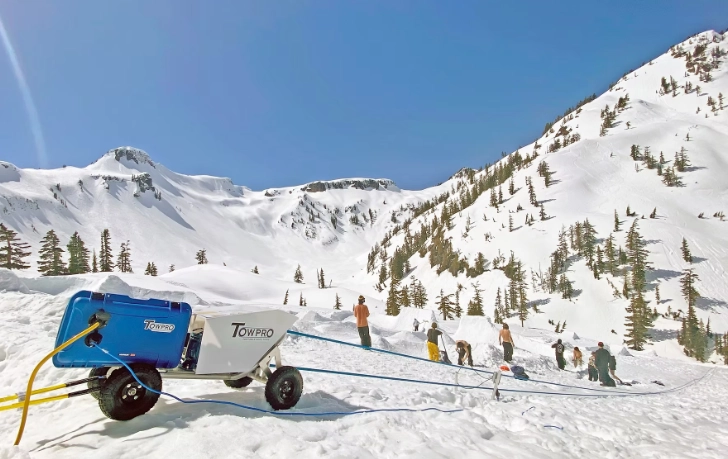
This is the human-engineered pillar of resilience. A resort with extensive, efficient, and cold-weather-capable snowmaking can literally create a ski season from scratch. The best systems now cover a high percentage of terrain, can operate at higher temperatures (thanks to new technologies), and use water efficiently. The U.S. National Ski Areas Association has resources on sustainable snowmaking practices that many leading resorts are adopting. It's not a perfect solution—it's energy and water-intensive—but for now, it's absolutely critical.
4. Glacier Power
Resorts with significant glacier terrain have a massive head start. Glaciers provide a guaranteed snow base for summer skiing and often help anchor the early and late seasons. They act as natural snow reservoirs. However, and this is a big however, glaciers are also retreating rapidly. A resort that relies solely on a shrinking glacier without other plans is on borrowed time.
5. Forward-Thinking Management & Diversification
This is the intangible that makes all the difference. Does the resort have a published sustainability plan? Are they investing in renewable energy for their lifts and snowmaking? Are they diversifying their offerings with mountain biking, hiking, and events to become a four-season destination? A resort that's just crossing its fingers is not resilient. One that's adapting its business model is.
A quick personal aside: I've visited resorts that talk a big game on sustainability but then you see old, inefficient snow guns blowing snow into puddles on a +5°C day. It feels performative. The real players are the ones making the big, often expensive, infrastructure upgrades that don't always make for a good press release.
The Contenders: Ski Resorts Built for the Future
Based on the pillars above, here are some of the destinations consistently cited by experts and seasoned skiers as being in a strong position. This isn't just my opinion—it's a synthesis of geographic data, industry reports, and on-the-ground reality. We'll break it down in a table and then get into the details.
| Resort & Region | Key Resilience Factors | Notable Advantage / Caveat |
|---|---|---|
| Zermatt, Switzerland | Extreme high altitude (up to 3,883m/12,740ft), extensive glacier skiing, high-efficiency snowmaking, cross-border terrain. | Year-round skiing on Theodul Glacier is a huge buffer, but glacier retreat is a visible long-term concern. |
| Val Thorens, France (3 Vallées) | Highest base altitude in Europe (2,300m/7,546ft), part of a massive interconnected area allowing movement to find best snow. | Its sheer height is its primary defense. The scale of the 3 Vallées offers incredible redundancy. |
| Arapahoe Basin, Colorado, USA | Exceptionally high base and summit elevation for North America, legendary snow preservation on its East Wall, late-season culture. | Lacks extensive snowmaking but doesn't always need it due to altitude and climate. A purist's mountain. |
| Whistler Blackcomb, BC, Canada | High alpine terrain with glaciers, massive and modern snowmaking investment, significant vertical drop allowing climate zones. | Maritime climate can bring rain to the village, but the high alpine often remains in good shape. A model of diversification. |
| Sölden, Austria | Two permanent glaciers, high-tech snowmaking covering 100% of key slopes, early World Cup season opener. | Heavy reliance on glacier technology. A fascinating case study in artificial resilience. |
| Killington, Vermont, USA | Not the highest, but arguably the most aggressive and extensive snowmaking system in the East, microclimate advantages. | Proves that with enough investment and will, you can overcome geographic limitations (to a point). "The Beast" makes its own weather. |
| Banff Sunshine & Lake Louise, Alberta, Canada | High continental latitude, cold dry snow, high base elevations, and operation within a National Park focuses on long-term stewardship. | The cold, dry climate of the Canadian Rockies is a huge natural asset. Sustainability is part of the park mandate. |
Let's dig a little deeper into a few of these, because the devil is in the details.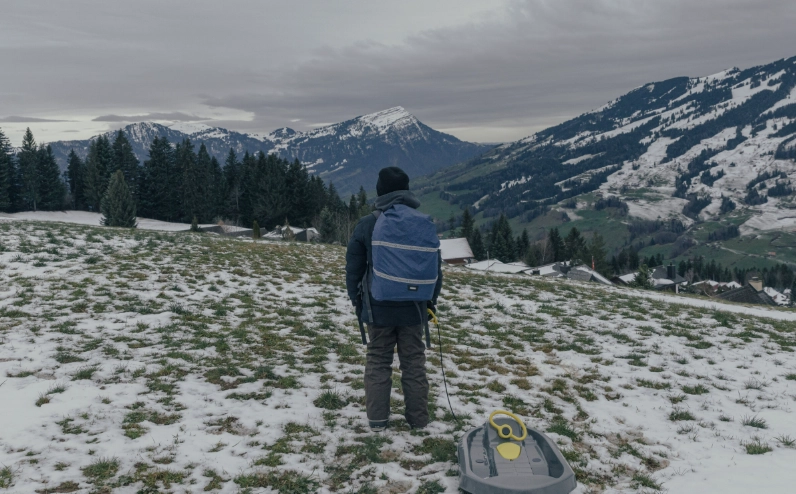
Zermatt: The High-Alpine Benchmark
When you ask an expert what ski resorts are most resilient to climate change, Zermatt is almost always the first name out of their mouth. Its statistics are staggering. The connection to Cervinia in Italy also means it has a vast amount of terrain across different exposures. The Swiss government's meticulous climate monitoring shows the pressures on the Alps, but also highlights how destinations like Zermatt are adapting. Their snowmaking now reaches incredibly high on the mountain, securing the crucial links between natural snow areas. The catch? It's expensive, and the lower village areas are already seeing more rain events. The future of Zermatt is increasingly in its highest reaches.
Arapahoe Basin: The Thin-Air Specialist
"The Legend" is a different kind of resilient. With a base at 10,780 feet and a summit at 13,050 feet, it lives in the cold, thin air. It doesn't have the snowmaking blanket of a corporate mega-resort. Instead, it relies on its altitude and its legendary snow-catching terrain. The East Wall is a north-facing bowl that holds cold snow long into June. A-Basin's culture is built around a long, natural snow season. It's a reminder that resilience isn't always about technology—sometimes it's just about being really, really high up. That said, their proactive approach to forest health and watershed management, in partnership with the U.S. Forest Service, shows they're thinking about the whole ecosystem, not just the ski runs.
Whistler Blackcomb: The Diversified Giant
Whistler is fascinating because it faces a clear challenge: a village at a relatively low 2,140 feet that can get rain. But its response is a masterclass in adaptation. First, they've poured money into one of the most powerful snowmaking systems in the world, allowing them to build a reliable base from the mid-mountain down. Second, the high alpine of both mountains, with glaciers and bowls above 7,000 feet, is often spectacular when it's soggy below. Third, and perhaps most importantly, they've aggressively diversified. You're as likely to see a mountain biker in July as a skier in January. This financial resilience allows them to weather (pun intended) variable ski seasons. Reports from Tourism Whistler often highlight this four-season strategy.
Beyond the List: How to Assess Any Resort's Resilience
You might have a favorite spot that's not on the list above. How can you judge its staying power? Ask these questions:
What's the base elevation? Anything below 6,000 feet (1,800m) in a warming climate is becoming a higher-risk bet for reliable natural snow, especially outside the core of winter.
What percentage of terrain has snowmaking? Look beyond the marketing. Do they cover just the easy greens, or do the key intermediate and advanced runs have coverage too? Can they make snow efficiently when it's barely freezing?
What's the aspect? North-facing slopes are gold. Resorts with a predominance of north-facing terrain will hold snow longer than those with sunny, south-facing exposures.
Is there a glacier? This is a major plus, but check recent photos. Is it shrinking noticeably? A thin, receding glacier won't be a savior for long.
What's the backup plan? Does the resort have strong summer activities? Do they talk about sustainability in a concrete way, or just with fluffy "love the planet" slogans?
Planning Your Trip in the Climate Era: Practical Tips
Knowing what ski resorts are most resilient to climate change is one thing. Using that knowledge to plan a great trip is another.
Book Later, If You Can. The old model of booking a Christmas trip in July is becoming riskier. If your schedule allows, booking 4-6 weeks out lets you see the snowpack and forecast. This is a huge shift in mindset.
Target January and February. The core winter months are still the safest bet almost everywhere. Early December and late March are becoming increasingly variable.
Consider a "Resilient Region." Instead of picking one resort, pick a region with multiple high-altitude or interconnected options. In the Alps, the 3 Vallées or the 4 Vallées in Switzerland offer the ability to chase the best snow and conditions across a vast area. In North America, a trip to Summit County, Colorado, gives you access to several high-base resorts.
Embrace the Spring. High-altitude resorts often have their best, most stable conditions in spring. The days are longer, the sun is out, and the snow at elevation is still great. It's a fantastic time to visit the most resilient destinations.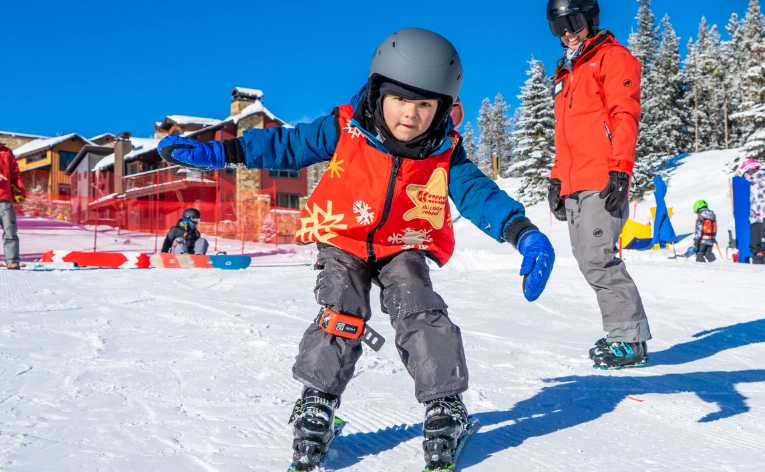
I switched to mostly spring skiing a few years ago. The stress level plummeted. No more worrying if my early-season trip will be a washout. The snow is consolidated, the crowds are thinner, and the resorts that are still open are the ones with the natural assets to be open. It's a simple filter.
Facing the Hard Questions: Common Concerns Addressed
Q: Is it even ethical to ski anymore given climate change?
A: That's a personal question, and a valid one. The ski industry does have an environmental impact. The most ethical approach is to vote with your wallet. Support resorts that are genuinely investing in renewable energy, efficient snowmaking, and conservation. Use public transit or carpool to get there. Consider offsetting your travel emissions. And advocate for broader climate policies. Avoiding the sport entirely might feel pure, but it removes the economic incentive for resorts to invest in green technology.
Q: Will these "resilient" resorts just get overcrowded?
A: It's a real possibility. As lower resorts struggle, pressure will mount on the reliable ones. This is where resort management is crucial. The best will manage capacity through pricing, reservations, or by leveraging their vast terrain (like the mega-resorts in the Alps). It might mean paying a premium for the certainty of snow.
Q: What about resorts in the Southern Hemisphere?
A: The same principles apply, but in reverse. Look for high altitude in the Andes (Chile, Argentina) or on the South Island of New Zealand. Glaciers are key there too. However, their seasons are already more variable than the Northern Hemisphere's, making resilience planning just as critical.
Q: Are indoor ski slopes the future?
A: For learning and casual fun, maybe. But they can't replicate the scale, culture, or experience of a real mountain. They're an expensive, energy-intensive niche, not a replacement for alpine skiing. The future is more likely to be about protecting and adapting the real mountains we have.
The Bottom Line
Figuring out what ski resorts are most resilient to climate change isn't about finding a guaranteed snow paradise forever. It's about identifying the places with the best cards to play in a tougher game. It's about geography—high, north, and cold—meeting technology and forward-thinking management.
The resorts that will thrive are the ones that aren't in denial. They're the ones building snowmaking that works in marginal temperatures, protecting their forests, and creating reasons to visit beyond just November-April. As skiers, our job is to adjust our expectations, be flexible with our planning, and support the destinations that are doing the hard work to ensure there are still turns to be had for generations to come.
The map of reliable skiing is shrinking, but it's not disappearing. It's just shifting upward. Your next great ski trip is still out there. You just might need to look a little higher.