Quick Navigation
Let's be honest. When you're new to skiing, the whole world of ski maintenance can seem like a secret club with its own language. Tuning, edges, bases, and... ski wax? It's easy to just rent gear or hope your old skis still have some life in them. But then you're on the mountain, and your buddy effortlessly glides past you while your skis feel like they're stuck in glue. Sound familiar?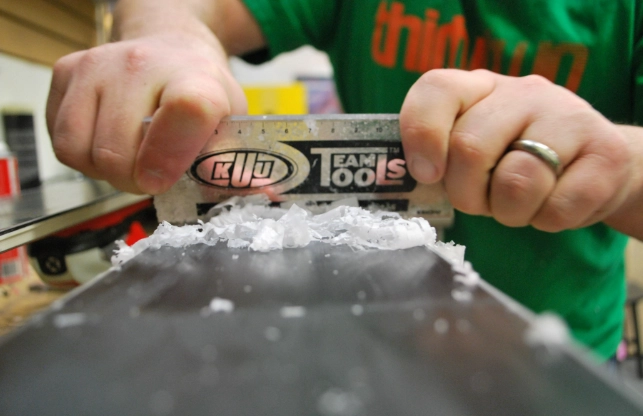
That sluggish feeling, that annoying stickiness on flat sections, that lack of control when you want to carve – a huge chunk of that comes down to one thing: the wax on your skis.
Or, more often, the lack of it.
I used to ignore it too. I'd buy a fancy new pair of skis, use them for a season, and wonder why they felt "dead" by the end. I blamed the skis themselves. Turns out, I was just starving them. Applying ski wax isn't some optional, pro-level voodoo. It's basic maintenance, like putting oil in your car. Skip it, and things just don't work right.
Think of your ski's base like a dry sponge. A fresh layer of ski wax soaks in, filling the microscopic pores in the polyethylene base. This does three critical things: it makes you faster (less friction), gives you better control (consistent glide), and protects your investment by preventing the base from drying out and getting damaged.
This guide is here to demystify it all. We're going to break down why ski wax matters so much, how to pick the right one without getting overwhelmed, and I'll walk you through exactly how to wax your skis at home. It's easier and cheaper than you think. By the end, you'll be equipped to make your skis perform better, last longer, and give you more fun on every run.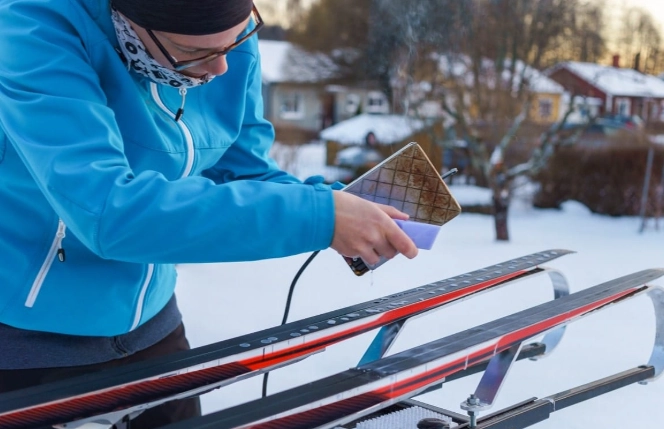
Why Bother? The Real Reasons Ski Wax is Non-Negotiable
If you're still on the fence, let's get into the nitty-gritty. Why is a simple block of wax such a big deal?
Glide and Speed: Fighting Friction
The snow isn't perfectly smooth. Up close, it's a landscape of sharp, crystalline structures. A dry ski base drags across these crystals, creating a huge amount of friction. Proper ski wax creates a hydrophobic (water-repelling) layer. As you ski, a tiny amount of snow melts from the pressure and heat of friction. The wax helps this water layer form more easily and consistently, allowing your skis to glide on this thin film of water rather than grinding against solid ice crystals. The difference in speed and effort is night and day.
Base Protection: Your Skis' Health Insurance
Your ski bases aren't solid plastic. They're sintered polyethylene, which means they're full of tiny pores. When these pores are empty, they can absorb dirt, moisture, and can even oxidize and become brittle. Ever see white, dry-looking patches on a ski base? That's a dried-out, damaged base. Regular waxing fills and seals those pores, keeping dirt out and the plastic compound healthy. It literally extends the life of your skis. I learned this the hard way after ruining the base on my first good pair by neglecting wax for two seasons.
Control and Predictability
This is the part beginners might not expect. Inconsistent glide is dangerous. If one ski suddenly grips or drags more than the other during a turn, it can throw off your balance. A well-waxed ski provides predictable, even friction across the entire base. This translates to smoother turn initiation, more stable carving, and overall better handling in variable snow. It's not just about going straight fast; it's about controlled performance everywhere.
The Big Mistake Most People Make: Waiting until their skis feel terrible. By the time you notice a drastic slow-down, your bases are already thirsty and may have sustained some drying damage. Regular waxing is preventative, not just a cure.
Cracking the Code: How to Choose the Right Ski Wax
Walk into a shop or browse online, and you'll see a dizzying array: red, blue, green, yellow, universal, temperature-specific, hydrocarbon, fluorocarbon, graphite… It's enough to make you grab the nearest can of universal spray and call it a day. Don't. The choice matters, and the core principle is simpler than it looks.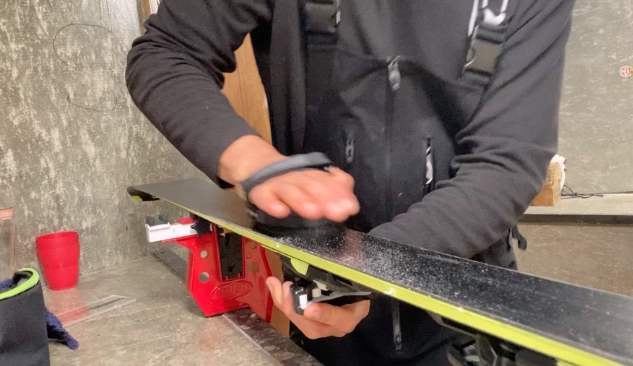
The Golden Rule: Temperature Matching
All ski wax is designed to work best within a specific temperature range. The wax needs to be soft enough to melt slightly and form that water-repelling layer, but hard enough to not get scraped off immediately. Using a cold-weather wax (hard) in warm slush will make your skis slow. Using a warm-weather wax (soft) on cold, abrasive snow will have it wearing off in a run or two.
So, how do you know? You need to know the snow temperature, not the air temperature. They can be different, especially in spring. A cheap snow thermometer is a great investment. Most wax manufacturers provide a clear temperature chart on the packaging.
Here’s a breakdown of the most common categories you'll encounter:
| Wax Color/Type (Typical) | Temperature Range (Fahrenheit / Celsius) | Snow Conditions | Wax Hardness |
|---|---|---|---|
| Cold / Blue, Green | Below 20°F / Below -7°C | New, cold, abrasive snow; man-made snow | Very Hard |
| Universal / All-Temp / Red, Yellow | 20°F to 35°F / -7°C to 2°C | The most common range for many resorts; mixed conditions | Medium |
| Warm / Violet, Orange | 32°F to 45°F / 0°C to 7°C | Wet, granular, spring snow | Softer |
| Very Warm / Special Green, Pink | Above 40°F / Above 4°C | Slush, corn snow, very wet conditions | Very Soft |
See? Not so complicated when it's laid out.
Wax Chemistry: Hydrocarbon vs. Fluoro (The Big Shift)
This is where it gets interesting. For decades, fluorocarbon waxes were the gold standard for high performance, especially in wet conditions, because they were incredibly hydrophobic. However, due to serious environmental and health concerns related to PFAS ("forever chemicals"), the entire industry has moved away from them.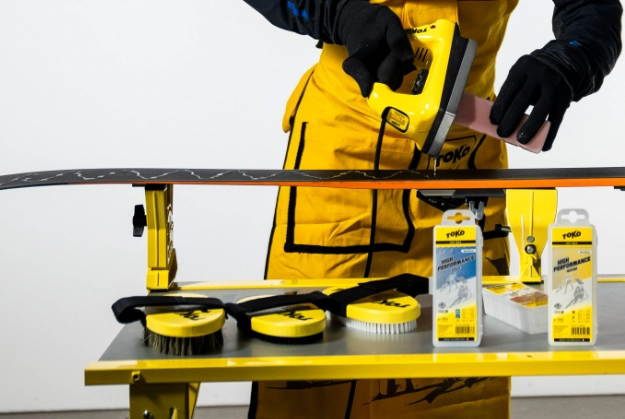
The International Ski Federation (FIS) banned fluorinated ski waxes in competition from the 2020/21 season. You can read the official announcement on the FIS website under their equipment rules. This trickles down to all of us.
What you need to know now:
- Hydrocarbon Waxes: These are the standard, environmentally safer waxes made from paraffin. They work excellently for 95% of recreational skiers. They come in all temperature ranges.
- High-Performance Additives: Brands now use other additives like graphite (for static dissipation) or advanced hydrocarbons to boost performance without fluoros. For most of us, a good quality hydrocarbon wax matched to the temperature is all we'll ever need.
My Advice for Most Skiers: Start with a good universal temperature ski wax (often red or yellow). It's a fantastic, cost-effective workhorse that will give you great results in the broadest range of conditions. Once you get the hang of waxing, you can add a cold and a warm wax to your kit for those extreme days.
Getting Your Hands Dirty: The Step-by-Step Home Waxing Guide
You don't need a fancy workshop. I do this in my garage or on a kitchen table with a drop cloth. Here’s what you need and how to do it.
Gear You'll Need (The Essential Kit)
- Ski Wax: Your chosen block or brick.
- Waxing Iron: A dedicated ski wax iron is best (they have temperature control and a smooth sole). A cheap clothes iron from a thrift store can work, but you must completely clean it of any old fabric starch or residue, and it's harder to control the temp. Never use your good clothes iron.
- Scraper: A plastic ski scraper. Get a sturdy one.
- Scouring Pad or Brush: A nylon or horsehair brush for after scraping. A Scotch-Brite pad works in a pinch for cleaning.
- Workbench & Vise: A pair of adjustable ski vises is ideal, but you can use wood blocks or stacks of books to hold the skis steady, tip and tail.
- Drop Cloth: Wax drips. Protect your floor.
The Process, From Dirty Skis to Ready-to-Ride
Step 1: Clean the Base. This is critical. You can't wax over dirt. Use a base cleaner or citrus degreaser on a rag, or even rubbing alcohol, to wipe down the base and remove old wax, dirt, and grease. Let it dry.
Step 2: Secure the Ski. Place it in the vises or on your supports, base up. Make sure it's stable.
Step 3: Drip the Wax. Turn your iron to the correct temperature (usually just above the melting point of the wax – check the packaging). Touch the ski wax block to the hot iron and let molten wax drip in a zig-zag or dotted pattern along the length of the ski base. Don't overdo it. A thin, even coverage is the goal. You're not trying to build up a thick layer.
Step 4: Iron it In. This is the magic step. Gently glide the iron over the base to melt and spread the wax evenly. Keep the iron moving! Never let it sit in one spot, or you can overheat and damage the base (called "base burn"). You should see a thin, shiny layer of liquid wax covering the entire base. The heat opens the pores and drives the wax deep inside.
Step 5: Let it Cool. Walk away. Let the skis cool completely to room temperature. This can take 30-60 minutes. The wax needs to crystallize and harden inside the base.
Step 6: Scrape it Off. This confuses people. You just put all this wax on… now you scrape 90% of it off? Yes! The wax that did its job is inside the base. The excess on the surface is just a carrier and will create drag. Using your plastic scraper (hold it perpendicular to the base), scrape from tip to tail, removing all the visible wax. You should see a dull, matte finish, not a shiny one.
Step 7: Brush it Out. Finally, use your nylon or horsehair brush and brush vigorously from tip to tail. This clears any last wax dust from the structure (the tiny grooves in the base) and polishes the surface. Now you have a fast, protected base.
Pro-Tip I Learned the Hard Way: When scraping, use long, confident strokes. Short, choppy strokes can leave wax in the base structure. And for heaven's sake, don't skip the brushing. That final step makes a noticeable difference in the initial glide.
Answering Your Ski Wax Questions (The FAQ You Actually Need)
Let's tackle some of the specific things skiers search for and wonder about.
How often should I wax my skis?
There's no single answer, but here's a solid rule of thumb: Wax them when the bases look dry or white. As a schedule, for an average recreational skier hitting the slopes 10-15 days a season, a full hot wax at the start of the season and once or twice during the season is a good minimum. If you ski more often (20+ days), or on very abrasive man-made snow, you might need it every 5-8 ski days. I usually give mine a quick visual check every time I put them away. If they look thirsty, I'll wax them before the next trip.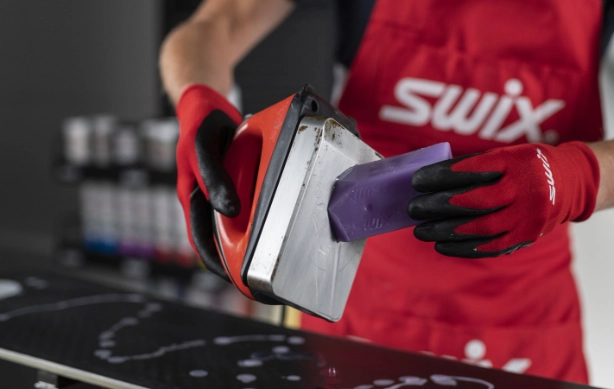
Can I use universal ski wax all the time?
Yes, absolutely. It's called "universal" for a reason. It's formulated to perform decently across a wide temperature spectrum. Will it be as fast as a perfectly temperature-matched wax on a specific day? Probably not. But for most people, the convenience and cost-effectiveness of one good universal ski wax far outweighs the marginal gain of having a quiver of waxes. It's a 90% solution, and that's plenty good.
What's the deal with rub-on wax? Does it work?
Ah, the rub-on bar or liquid spray. I have a love-hate relationship with them. They are quick field fixes, not replacements for a hot wax. If you're on a trip and your wax feels worn, a quick rub-on application in the morning can provide a temporary speed boost for a run or two. But it just sits on the surface; it doesn't penetrate and protect the base like a hot wax does. Think of it like lip balm versus deep skin moisturizer. Useful in a pinch, but don't rely on it for long-term base health.
Is it worth paying a shop to wax my skis?
For your first time, or if you're really unsure, sure. A good shop tune includes a proper wax. It's a great way to see what a professionally done base feels like. But at $30-$50 a pop, doing it yourself pays for the initial equipment (iron, vise, scrapers) in just 2-3 sessions. Plus, you can do it on your schedule. I find the process kind of therapeutic.
Do brand names matter for ski wax?
To a point. Established brands like Swix, Toko, Dominator, or Hertel have decades of R&D and consistent quality. Their temperature ratings are reliable. You can certainly find cheaper, generic waxes, but the consistency and additives might not be as refined. My take? For your primary wax, stick with a known brand's universal or temperature-specific offering. It's a core component, not where I'd try to save $5.
Wrapping It Up: Your Path to Better Glide
So, where does this leave you? Hopefully, the mystery is gone. Ski wax isn't magic; it's simple, practical science and maintenance. Choosing the right ski wax boils down to checking the forecast and picking a block that matches the expected snow temperature. Applying it is a straightforward, almost meditative process that anyone can learn.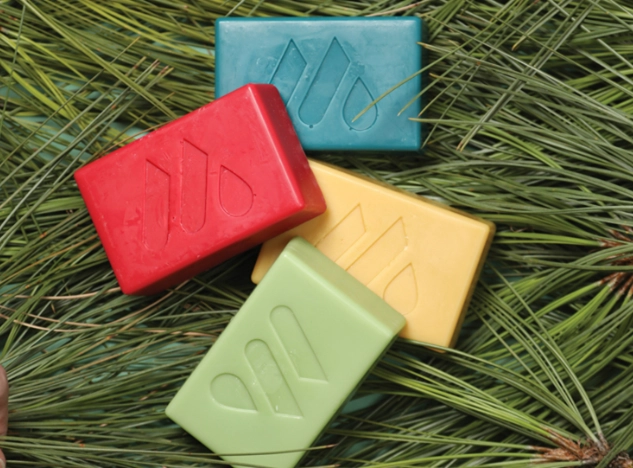
The payoff is immense. You'll feel the difference immediately – less effort on cat tracks, more pop out of your turns, and the satisfying knowledge that you're taking care of your gear. It makes skiing more fun, pure and simple.
And really, that's the whole point.
Stop letting dry bases slow you down. Grab an iron, a block of universal ski wax, and give your skis the drink they're craving. You might just find that the best run of your day starts in your own garage.