Quick Guide
- The Core Four: Skis, Bindings, Boots, and Poles
- The Clothing System: Staying Warm is About Layers, Not Bulk
- Accessories: The Little Things That Make a Big Difference
- The Big Questions: Your Ski Gear Dilemmas Solved
- Maintenance: Love Your Gear and It Will Love You Back
- Final Thoughts: It's About the Experience
Let's be honest. Ever rented a pair of skis that felt like planks of wood strapped to your feet? Or worn a jacket that was supposedly waterproof until you took a tumble in wet snow and ended up with a chilly, damp surprise? We've all been there. The right ski gear isn't about looking like an Olympic athlete in the lodge (though that's a bonus). It's the difference between a day filled with effortless turns and joyful exploration, and a day spent fighting your equipment, being cold, and counting the minutes until the lodge hot chocolate.
I remember my first season with my own setup. Before that, I was a rental devotee, thinking it was the cheaper, easier route. Then I bit the bullet. The transformation wasn't subtle. Suddenly, linking turns felt intuitive. I wasn't exhausted by lunch. I was warmer. I was having more fun. That's the power of gear that's chosen for you, not just for the average person.
This guide is here to cut through the marketing jargon and overwhelming options. We won't just list products. We'll walk through the why and how behind every piece of essential ski gear. From the science of how a ski's shape affects your turn to the often-overlooked magic of a good baselayer, consider this your one-stop resource. Whether you're a first-timer trying to decode the rental form or an intermediate skier ready to invest, we've got you covered.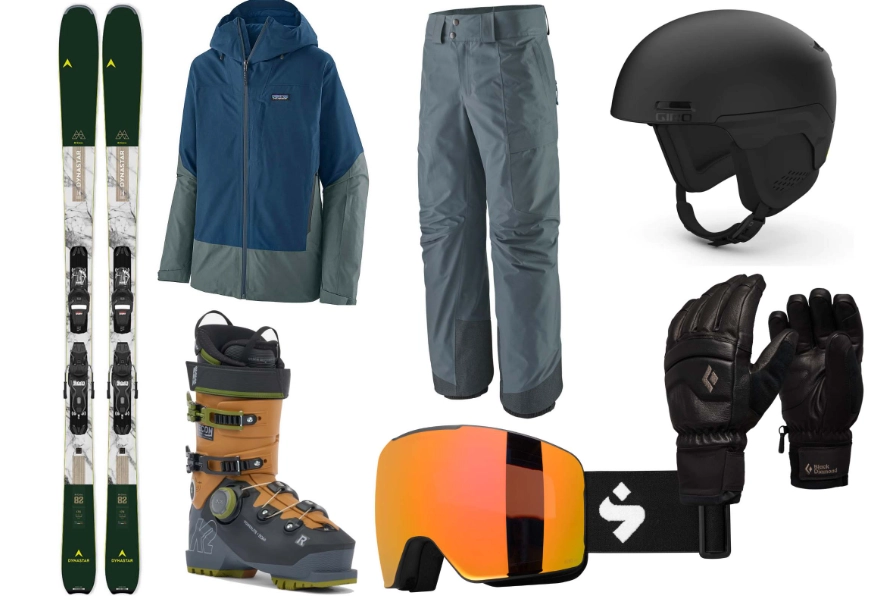
The Core Four: Skis, Bindings, Boots, and Poles
This is the heart of your setup. Get this right, and you're 80% of the way to a great experience. Get it wrong, and well... let's just focus on getting it right.
Skis: It's Not Just a Piece of Fiberglass
Choosing skis can feel like reading a foreign language: camber, rocker, waist width, turn radius. What does it all mean? Simply put, ski design has evolved to make skiing easier and more fun in different conditions. Here’s the breakdown in plain English.
| Ski Type | Best For | Key Features | My Take |
|---|---|---|---|
| All-Mountain | Most skiers, most days. Groomed runs, some off-piste. | Medium width (85-100mm underfoot), balanced camber/rocker. The "Swiss Army knife." | The safest first buy. Brands like Volkl, Rossignol, and K2 make fantastic ones. Don't overthink your first pair. |
| Powder Skis | Deep snow days, off-trail adventures. | Very wide (100mm+), significant rocker in tip/tail to float. | Incredibly fun in fresh snow, but a chore on hardpack. A luxury item unless you live in a powder paradise. |
| Carving Skis | Speed demons who love groomed corduroy. | Narrow (65-80mm), strong camber, stiff flex for grip on ice. | Precise and exhilarating on-piste. Forgiving? Not really. They demand good technique. |
| Freestyle Skis | Park rats, jibbers, those who ski switch. | Twin tips (curved up at both ends), softer flex, center-mounted bindings. | Durable and playful. I find them too loose for general all-mountain cruising, but they're purpose-built for their job. |
So, how do you pick? Ask yourself: Where do I ski 80% of the time? East Coast ice? A carving ski. Colorado resort with variable conditions? All-mountain. Japan for deep powder? Okay, maybe you need those fat boards.
Length is another head-scratcher. The old "chin to nose" rule is outdated. With modern shaped skis, a good starting point is somewhere between your chin and the top of your head. Lighter or less aggressive skiers can go shorter; heavier, more aggressive skiers can go longer. When in doubt, ask a shop tech—it's their job to know.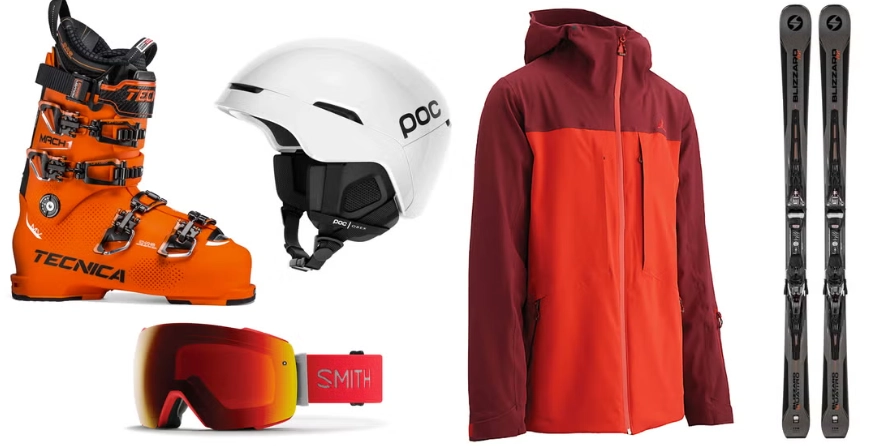
Bindings: The Silent Safety Guardian
Bindings are the most important piece of safety equipment you own. Their sole job is to release your boot when forces get dangerous, preventing broken bones and torn ligaments. Never, ever buy used bindings unless they are professionally checked and indemnified (meaning the manufacturer still supports them for adjustments).
They are sized by DIN—a release setting number. This is not a toughness setting. It's a calculated value based on your weight, height, age, skier type, and boot sole length. A shop will use a standardized chart (like those from ASTM International) to set it correctly. Trying to set your own DIN higher because you think you're aggressive is a fast track to injury.
Boots: The Single Most Important Purchase
If you take one thing from this entire guide, let it be this: Do not buy ski boots online without trying them on. A boot that's 90% right is 100% wrong. Your boot is your connection to the ski; it translates every subtle movement from your leg. A poor fit means lack of control, cold feet, and pain.
A good bootfitter is worth their weight in gold. They'll measure your foot, look at its shape, discuss your goals, and recommend 2-3 models from different brands. Brands fit differently: Salomon tends to be narrower, K2 wider in the toe box, etc.
What should you feel? Snug, like a firm handshake all over your foot. No painful pressure points, no heel lift when you flex forward. Your toes should just brush the front when standing straight, then pull back slightly when you get into a skiing stance. It should feel tight, but not circulation-cutting. A quality shop will often include basic customizations like heat-molding the liner or punching out a small pressure point.
It's an investment of time and money. But walking out of a shop with perfectly fitted boots is a game-changing feeling.
Poles: Simple, But Get the Length Right
Flip the pole upside down, grip the basket (the round part at the bottom), and rest the tip on the ground. Your forearm should be parallel to the floor. That's the right length. That's about it for poles. Grips come in various shapes—find one that feels natural.
The Clothing System: Staying Warm is About Layers, Not Bulk
Forget the bulky, Michelin Man look. Modern ski clothing uses a smart layering system to trap warmth and move moisture. It's all about versatility.
Baselayer: The Moisture Manager
This is your underwear for skiing. Its job is to wick sweat away from your skin to keep you dry. Cotton is the enemy. It absorbs moisture and holds it against you, making you cold. Go for merino wool or synthetic fabrics (polyester, polypropylene). Merino is naturally odor-resistant and regulates temperature beautifully, but it's pricier. Synthetic is affordable and very effective.
Mid-Layer: The Insulator
This layer traps warm air. A fleece jacket or vest, a lightweight synthetic puffy (like PrimaLoft), or a down jacket (less ideal if wet). The beauty of a system? On a warm spring day, you might just wear a baselayer and a shell. On a frigid day, you add a thick mid-layer. You control your climate.
Outer Layer (Shell): The Weather Shield
Your jacket and pants. They need to be waterproof, windproof, and breathable. Look for a high waterproof rating (e.g., 10,000mm to 20,000mm) and a high breathability rating. Gore-Tex is the gold standard, but many brands have their own excellent membranes (like The North Face's Futurelight or Patagonia's H2No).
Features matter: a powder skirt to keep snow out, a good hood that fits over a helmet, plenty of vents (pit zips are a lifesaver on warm days), and well-placed pockets. Don't just buy for color.
Accessories: The Little Things That Make a Big Difference
These aren't afterthoughts. They're essentials.
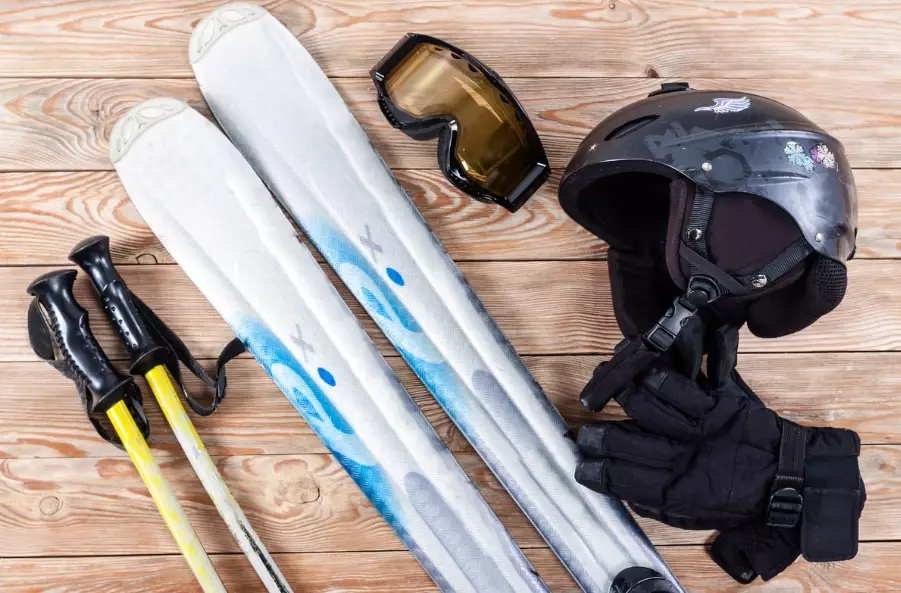
- Helmet: Non-negotiable. Modern helmets are light, well-ventilated, and warm. Many integrate with audio systems. Get one that fits snugly without pressure points. Replace it after any significant impact.
- Goggles: They protect your eyes from wind, UV, and branches. Lens color is key: low-light lenses (yellow/rose) for cloudy days, dark lenses (grey/brown) for bright sun. Photochromic lenses that adjust are a brilliant investment. Make sure they fit with your helmet.
- Gloves/Mittens: Mittens are generally warmer than gloves. Look for waterproofing and insulation. I always pack a thin liner glove for dexterity (adjusting bindings, using a phone) and extra warmth.
- Neck Gaiter/Balaclava: A simple tube of fabric is incredibly versatile for face warmth on lifts and in wind.
- Socks: Ski-specific socks! They are thin-to-medium thickness, have cushioning in the shin and footbed, and are made of wool or synthetic blends. Never wear thick cotton socks—they cause blisters and make your boots fit poorly.
The Big Questions: Your Ski Gear Dilemmas Solved
Maintenance: Love Your Gear and It Will Love You Back
Your gear doesn't need to be babied, but a little care goes a long way.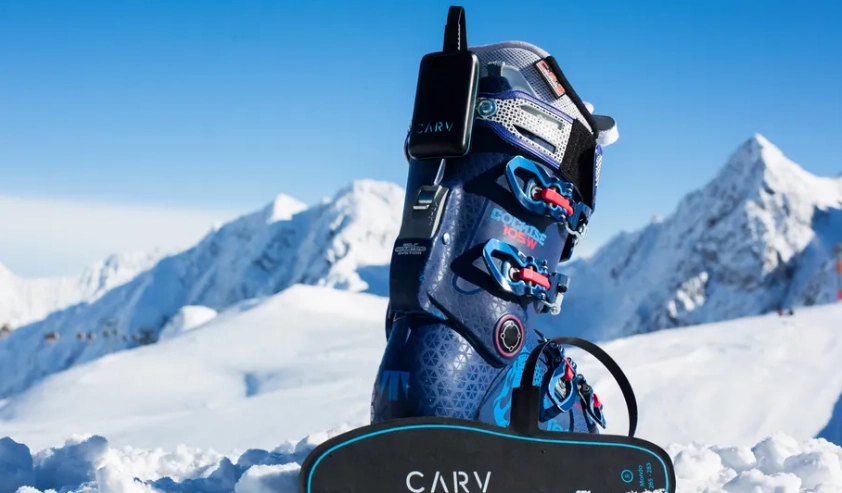
- Skis: Get them tuned once or twice a season. A basic tune includes sharpening edges and waxing the base. Wax protects the base from drying out and makes you faster. You can learn to wax at home—it's surprisingly easy and satisfying.
- Boots: Keep the buckles fastened when not in use to maintain the shell shape. Dry the liners after each use (never on a direct heater).
- Clothing: Follow the wash instructions. Use technical detergent to preserve waterproofing. Tumble dry on low to reactivate the DWR coating.
- Storage: Store everything clean and dry. Don't leave boots in a hot car trunk all summer.
Final Thoughts: It's About the Experience
At the end of the day, the goal of all this ski gear talk is to remove barriers between you and the mountain. The right equipment fades into the background, becoming an extension of your body and intent. It lets you focus on the crisp air, the view from the chairlift, the thrill of a perfectly carved turn.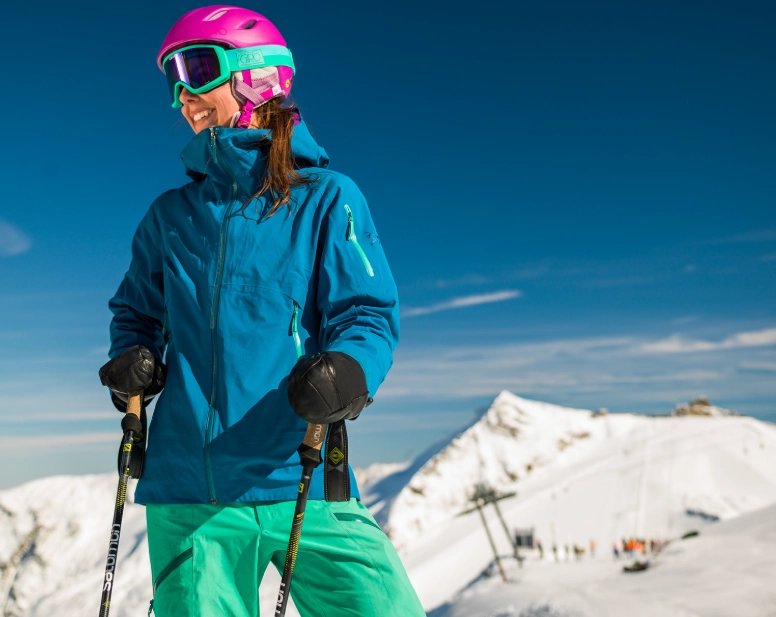
Don't let the process overwhelm you. Start with the boots. Find a reputable shop. Ask questions. The ski community is generally full of people who just want to share their passion and help others enjoy it too.
And remember, the best ski gear for you is the gear that gets you out there, safely and happily, season after season.
Now go enjoy the snow.