Quick Navigation
- Beyond the Lens: It Starts With Understanding Your Needs
- Lens Technology Decoded: VLT, Tints, and Coatings
- The Interchangeable Lens System: Is It Worth It?
- The Fit: Where Comfort Meets Function
- Conquering the Enemy: Fog. Prevention and Cure.
- Photochromic and Polarized: Niche Tech or Must-Haves?
- Prescription Inserts: Seeing Clearly Without Contacts
- Care and Feeding of Your Ski Goggles
- Answering Your Burning Questions
- Wrapping It Up: Your Action Plan
Let's be honest. For years, I treated ski goggles like an afterthought. Helmet? Check. Skis? Tuned. Jacket? Waterproof. Goggles? Oh, just grab whatever's cheap and not too scratched up from the bottom of the bag. Big mistake. A brutal day on a white-out mountain, eyes stinging from wind and snow, vision completely blurred by relentless fog – that was my wake-up call. The right pair of ski goggles isn't just an accessory; it's your primary interface with the mountain. It's the difference between a confident, fluid run and a tentative, miserable slog where you can't see the bumps coming.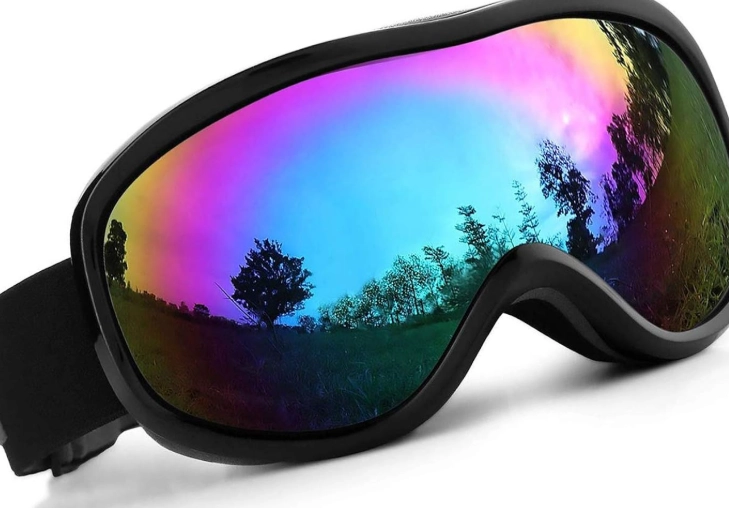
This guide is what I wish I had back then. We're going to move past the marketing fluff and dive into what actually matters when you're picking out ski goggles. We'll talk about the tech that works, the fit that feels right, and how to avoid the common pitfalls that leave you frustrated on the hill. Whether you're a weekend warrior or spend every spare moment chasing powder, getting this piece of gear right changes everything.
Beyond the Lens: It Starts With Understanding Your Needs
Before we geek out on spherical vs. cylindrical lenses or photochromic technology, you need to answer a few basic questions. What kind of skier are you? Where do you ski most often? I see people buying the darkest, coolest-looking mirror lenses for overcast days in Vermont, then wondering why they're struggling to see contours in the snow. It's a mismatch.
Think about your typical day. Are you lapping groomers under mostly bluebird skies? Are you a storm chaser who lives for deep powder and flat light? Do you split your time between the resort's sunny front side and the shaded, wooded glades out back? Your answers here will point you toward the right lens category, which is the single most important factor in your choice of ski goggles.
And let's talk about your helmet. This is critical. Your goggles and helmet must play nice together. Nothing looks or feels worse than a giant gap between the two – we call that the "gaper gap," and it's a surefire way to let in cold air and snow. Ideally, you should buy them together, or at least bring your helmet to the shop when you try on goggles. Some brands, like Smith and Giro, design their systems to integrate seamlessly, which is a huge advantage.
Lens Technology Decoded: VLT, Tints, and Coatings
This is where the magic (or the misery) happens. All the fancy terms boil down to one core function: managing light. The key metric is VLT (Visible Light Transmission). This percentage tells you how much light the lens allows to reach your eyes. A low VLT (like 5-15%) is for bright, sunny days. A high VLT (like 50-90%) is for low-light, cloudy, or stormy conditions.
But it's not just about darkness. The tint color matters immensely for contrast. Here’s a quick breakdown of what different tints do best:
| Lens Tint / Color | Best For | VLT Range (Typical) | Key Benefit |
|---|---|---|---|
| Rose / Pink / Red | Flat light, cloudy days, snowstorms | 40% - 80% | Amazing contrast in white-outs, makes terrain pop. |
| Yellow / Gold | Early morning, late afternoon, overcast | 60% - 85% | Brightens shadows, great for definition. |
| Blue / Green | Variable conditions, partly sunny | 20% - 50% | Good all-rounder, reduces eye strain. |
| Dark Gray / Black | Bright, sunny days at high altitude | 5% - 15% | True color perception, cuts glare intensely. |
| Mirrored (Iridium, etc.) | Intense sun, usually over a darker base | 8% - 25% | Reflects light away, often paired with dark tints for sun. |
Now, the lens shape. You'll see spherical and cylindrical. Spherical lenses are curved like a baseball, both horizontally and vertically. They generally offer a wider, more panoramic view with less distortion at the edges. They also tend to be more resistant to fogging because the curve creates more space between the lens and your face. Cylindrical lenses are curved like a soup can, only horizontally. They're often (but not always) found in more budget-friendly models. The difference is noticeable, especially in your peripheral vision.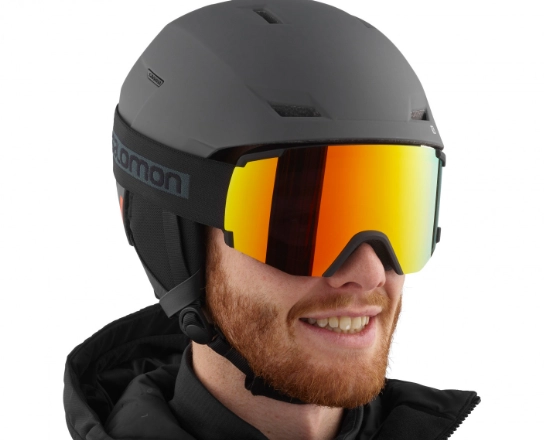
Coatings are the unsung heroes. A good anti-fog coating on the inside is worth its weight in gold. It works by causing moisture to spread into a thin, transparent film instead of beading up into blurry droplets. The hard anti-scratch coating on the outside is what keeps your view clear after you toss them in a bag with your keys (not recommended, but it happens). Some brands, like Zeiss, are known for their exceptional optical clarity coatings that make everything just look sharper.
The Interchangeable Lens System: Is It Worth It?
This is a game-changer for the dedicated skier. Instead of buying two complete pairs of ski goggles, you buy one frame and multiple lenses you can swap in seconds. Heading out for a dawn patrol? Pop in your high-VLT storm lens. By midday, the sun's blazing? Switch to your dark mirror lens for the afternoon laps.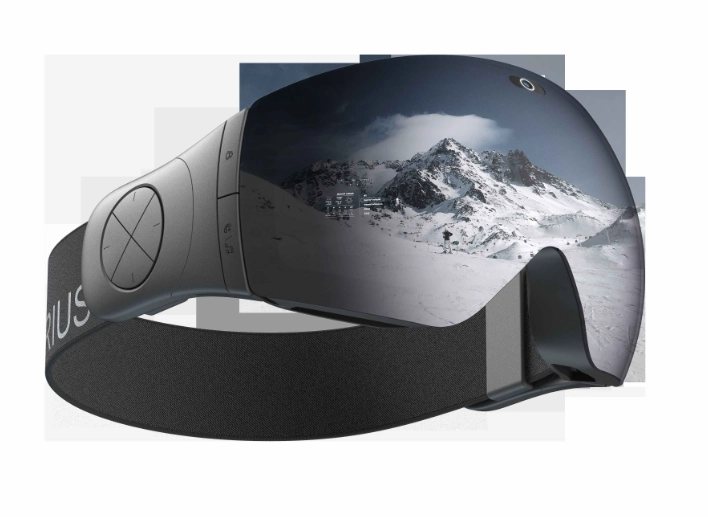
Brands like Oakley with their Flight Deck and Line Miner models, Smith with the 4D Mag system, and Anon with their MFI Magnetics have made swapping lenses incredibly easy – often tool-free and taking less than 30 seconds. The magnetic systems from Anon and some Smith models are particularly slick; they just snap in and out.
The downside? Initial cost is higher. You're investing in a platform. But if you ski 20+ days a year in places with shifting weather, it pays for itself in versatility and always having the perfect lens for the light. For the casual one-week-a-year skier, it might be overkill. A good photochromic lens could be a better single-lens solution.
The Fit: Where Comfort Meets Function
Tech specs are meaningless if the goggles hurt your face or leak air. Fit is deeply personal. I have a relatively narrow face, and some of the ultra-wide panoramic frames look cool but let in drafts from the sides. It's awful.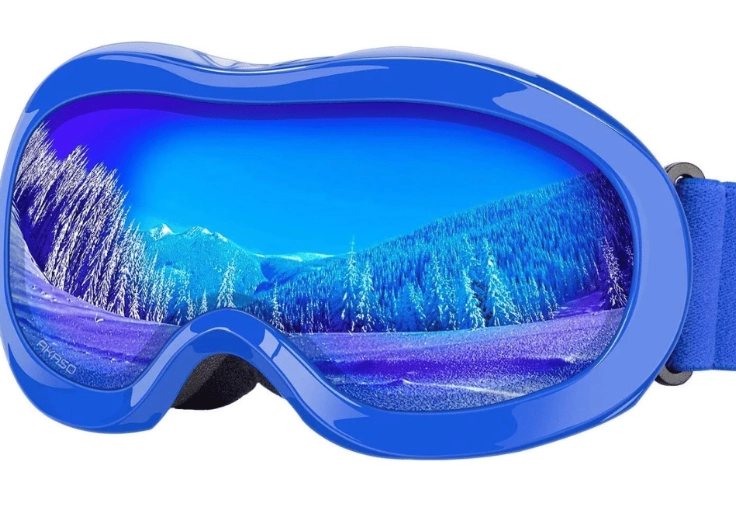
Face Shape: This is the starting point. Generally, smaller, more curved frames suit narrower faces. Larger, wider frames suit broader faces. But the only way to know is to try them on, with your helmet if possible.
The Foam: This is what seals against your skin. It should be soft, dense, and comfortable. Look for foam that's designed to wick moisture (like face sweat) away. A double-layer foam is a sign of quality, as the inner layer pulls moisture away while the outer seals.
The Strap: It should be wide, silicone-lined on the inside to grip your helmet, and easily adjustable. Some have quick-adjust buckles on the strap ends, which is handy for micro-adjustments with gloves on.
Here’s a quick, non-scientific rundown of how some top brands tend to fit, based on my experience and chatter in lodge lines:
- Oakley: Often fit medium to larger faces well. Their Asian Fit models are brilliant for lower nose bridges and higher cheekbones.
- Smith: A reputation for fitting a wide range of faces comfortably. Their spherical lenses often mean a deeper frame, which is great for people with longer eyelashes (no annoying lash-tick against the lens!).
- Dragon: Lean towards a medium fit, with some models being quite generous. Their frameless designs like the X1 or X2 are super popular for a reason – minimal, lightweight, and great field of view.
- Anon: Designed to integrate perfectly with their sister-brand helmets (Burton owns Anon). The fit is often described as "true to size" and works well under most helmet brands.
- Julbo: A European brand known for exceptional optics. Their fit can be a bit narrower, which is something to watch for if you have a wide face.
Remember, this is a massive generalization. You absolutely must try them on.
Conquering the Enemy: Fog. Prevention and Cure.
Fog is the universal nightmare of goggle wearers. It happens when warm, moist air from your face meets the cold inner surface of the lens. The key to beating it is ventilation and moisture management.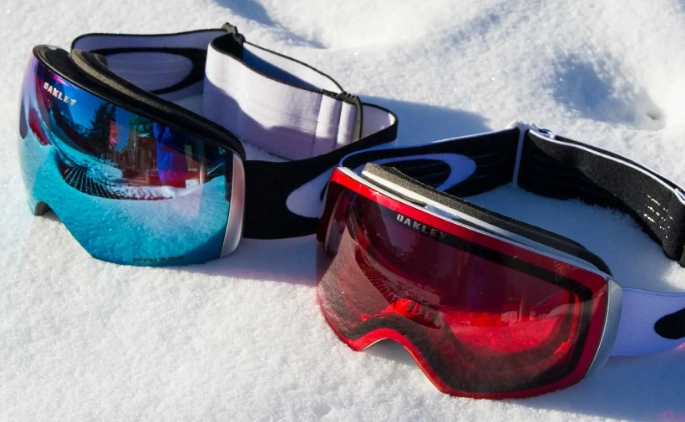
Modern ski goggles have sophisticated ventilation channels. Look for multiple intake vents (often at the top) and exhaust vents (at the bottom). This creates a passive airflow, channeling your body heat up and out. More expensive models often have more complex and effective systems. Some, like the Smith 4D Mag, even have a vent you can open or close with a glove.
But ventilation can only do so much if you're generating a lot of moisture. Stopping on a steep run, all bundled up, is a prime fogging moment. Here’s my anti-fog routine that actually works:
- Never touch the inside lens. Your fingers have oils that destroy anti-fog coatings.
- If your goggles get wet inside from snow or a wipe, let them air dry completely before storing. Don't shove them in a bag or put them near a heater (the extreme heat can damage coatings and warp frames).
- When you take them off on the mountain, don't put them on your forehead. Your sweaty forehead is a fog factory. Tuck them into your helmet or hang them from a strap.
- Use a dedicated goggle-specific anti-fog spray or cloth as a last resort, and follow the instructions carefully. Some can damage certain coatings if misused.
Let's be real, though. Sometimes, despite everything, they fog. Especially on those super humid, near-freezing spring days. It's frustrating. If it happens chronically with a new pair, it might be a fit issue (not enough airflow) or a defective lens coating.
Photochromic and Polarized: Niche Tech or Must-Haves?
These are two lens technologies that sound amazing but have specific applications.
Photochromic (or Transition) Lenses: These lenses automatically darken in response to UV light. Walk out of the lodge into the sun, they darken. Go into the trees, they lighten up. It's fantastic technology for variable light conditions. The speed of transition has gotten much better. Brands like Zeiss and Julbo are leaders here. The catch? They work based on UV, not visible light. On a heavily overcast day with high UV (common at altitude), they might stay darker than you'd like. And they don't get as dark as a dedicated sunny-day lens, nor as light as a dedicated storm lens. But for an all-day, do-it-all solution, they're incredibly convenient.
Polarized Lenses: These cut reflected glare from surfaces like snow, ice, and water. They can make the world look incredibly crisp and clear on a bright, sunny day. However, there's a significant downside for skiing: they can reduce the ability to see icy patches. Ice often reveals itself through a subtle sheen or reflection, which polarization can filter out. For this reason, many serious skiers and ski instructors avoid polarized ski goggles. They're fantastic for fishing or driving, but I'm wary of them on the slopes. A good dark lens with a mirror coating will cut glare effectively without hiding ice.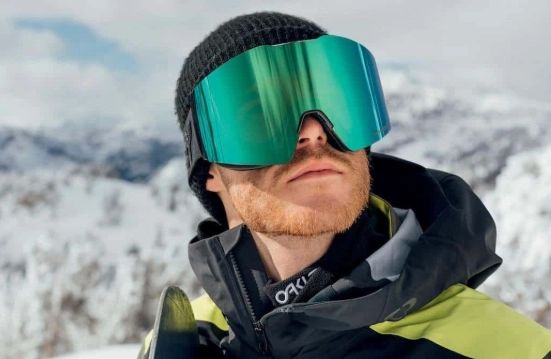
Prescription Inserts: Seeing Clearly Without Contacts
If you wear glasses, you have three options: wear your glasses under your goggles (usually a poor fit), wear contacts, or use a prescription insert. Inserts are a custom-made lens that clips or sticks to the inside of your goggle frame. Brands like Smith, Oakley, and Giro offer official systems that work with their models, or you can go through a third-party like SportRx.
The pros are obvious: clear vision without contacts. The cons: they can slightly reduce your field of view, and they add another layer of complexity that can, in some cases, increase the chance of fogging if they impede airflow. If you go this route, it's even more critical to choose a goggle with excellent ventilation and a deep frame to accommodate the insert.
Care and Feeding of Your Ski Goggles
These things aren't cheap. Taking care of them extends their life dramatically.
- Cleaning: Use only a microfiber cloth designed for lenses. If you need liquid, use lens-specific cleaner or a tiny drop of mild dish soap and water. Never use paper towels, your shirt, or harsh chemicals.
- Storage: Always use the soft protective bag they came in. Store them at room temperature, lens-up, in a dry place. Never leave them in a hot car.
- Drying: If soaked, let them air dry naturally, away from direct heat sources.
- Lens Replacement: When the lens is deeply scratched or the anti-fog coating is permanently compromised (you'll see a hazy, blotchy pattern), it's time for a new lens. Don't try to "buff out" scratches – you'll ruin the coatings.
Answering Your Burning Questions
Wrapping It Up: Your Action Plan
Choosing ski goggles doesn't need to be overwhelming. Forget the flashy ads for a second. Start with the light conditions you most often face. Let that guide your lens choice (VLT and tint). Then, find a frame that fits your face and helmet perfectly – comfort and seal are king. Prioritize good ventilation and a reputable anti-fog system. Everything else – magnetic lens changing, photochromic tech, specific brands – is secondary to those core principles.
My personal go-to for the last two seasons has been a pair with a spherical, rose-tinted storm lens for most days, and I swap in a darker mirror lens for bluebird spring corn. That system works for 95% of my skiing. I paid more upfront, but I haven't thought about my vision or fog since – I just ski.
That's the goal, right?
To stop thinking about the gear and start seeing the mountain, clearly and confidently. Your perfect pair of ski goggles is out there. Now you know how to find them.