Quick Navigation
- Breaking Down the DNA of a Ski: It's All About Priorities
- The Rest of the System: Bindings and Boots Are Part of the Equation
- How to Choose: Stop Looking at Labels, Start Looking at Your Goals
- Common Questions (The Stuff You're Actually Searching For)
- Final Thoughts: It's About Your Smile, Not the Spec Sheet
Look, if you're standing in a gear shop or scrolling through endless online listings, your head is probably spinning. Alpine, touring, backcountry, freeride, mountaineering... it's a mess of terms that often get used interchangeably, but they absolutely shouldn't be. Picking the wrong tool for the job isn't just annoying, it can turn a dream day in the mountains into a grueling slog, or worse, put you in a risky spot. So let's cut through the noise. I've made the mistake myself—buying a ski that was too heavy for the long tours I wanted to do, and feeling every extra gram on the 3000-foot climb. Never again.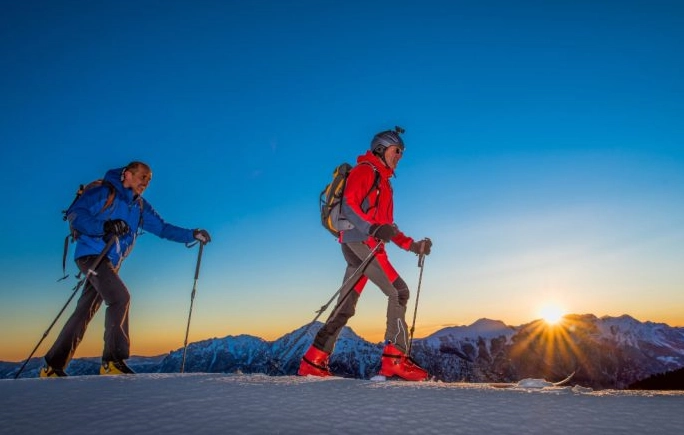
The core question, the one that brings most people here, is this: what is the difference between touring and backcountry skis? It's a fantastic question because it gets to the heart of how you plan to use them. The short, slightly cheeky answer is that "touring" is more about the journey up, and "backcountry" is often more about the ride down. But that's selling it short. The real difference lies in a balancing act of weight, durability, ski shape, and the technology under your feet.
Breaking Down the DNA of a Ski: It's All About Priorities
To really get the difference between touring and backcountry skis, you need to think like a ski designer. They have a finite amount of material to work with. Every decision to add performance in one area usually means taking it away from another. It's a classic trade-off.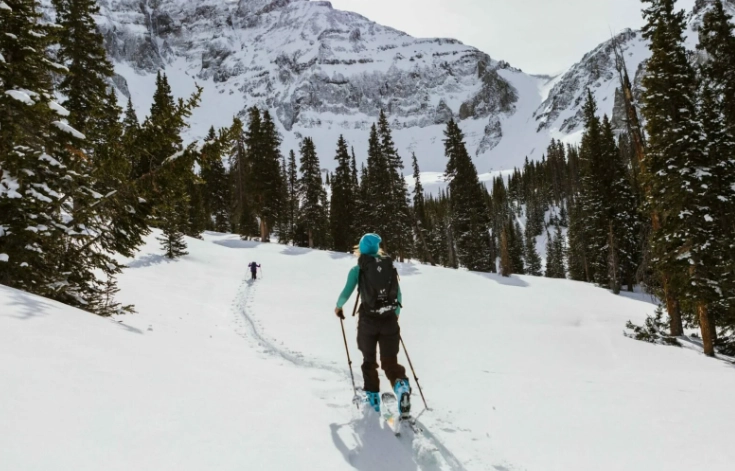
Let's visualize the core trade-offs with a simple spectrum. On one end, you have pure uphill efficiency. On the other end, pure downhill performance. No ski lives perfectly at either extreme; they all land somewhere in the middle. Where they land defines their category.
| Feature / Characteristic | Touring Skis (Uphill-Optimized) | Backcountry Skis (Downhill-Optimized) |
|---|---|---|
| Primary Goal | Efficiency on the ascent. Light is right. | Performance and stability on the descent. Confidence in variable snow. |
| Typical Weight (per ski) | Very Light (1200g - 1500g / ~2.6lbs - 3.3lbs) | Light-Moderate (1500g - 1800g+ / ~3.3lbs - 4lbs+) |
| Ski Construction | Simpler, uses lighter cores (paulownia, fir), less metal, thinner topsheets. Can feel "chattery" at speed. | More robust, often includes partial metal laminates (titanal) or carbon for dampening, stronger cores. |
| Waist Width | Often narrower (95mm - 105mm) for efficient edge-to-edge skinning. | Typically wider (105mm - 120mm+) for float in deep powder. |
| Turning Radius | Shorter to medium radius. Quick, nimble turns. | Medium to longer radius. More stable at high speed, prefers bigger turns. |
| Rockered Profile | Often has tip rocker for float, may have flat or low rocker tail for skinning traction. | More pronounced tip and tail rocker for surfy feel in powder and easier turn initiation. |
| Best For... | Long days, high vert, ski mountaineering, spring corn missions, fitness-oriented skiers. | Powder-focused days, shorter/moderate tours, skiers who prioritize downhill fun and charge harder. |
| A Potential Downside | Can feel unstable in chopped-up or hard snow. Less forgiving of poor technique. | You feel the weight on every step of the climb. Can be overkill for long, rolling terrain. |
See? It's not magic. A touring ski sacrifices some downhill stability to be a mountain goat on the way up. A backcountry ski says, "I'll carry a bit more weight so I can absolutely rip when I turn around."
Weight: The King of All Factors
This is the big one. Weight influences everything in the backcountry. The difference between touring and backcountry skis is most stark right here. Think of it as an energy bank. Every gram on your feet requires energy to lift, thousands of times over a day. Lighter skis (touring) mean you burn less energy, go farther, faster, and have more gas in the tank for the fun part.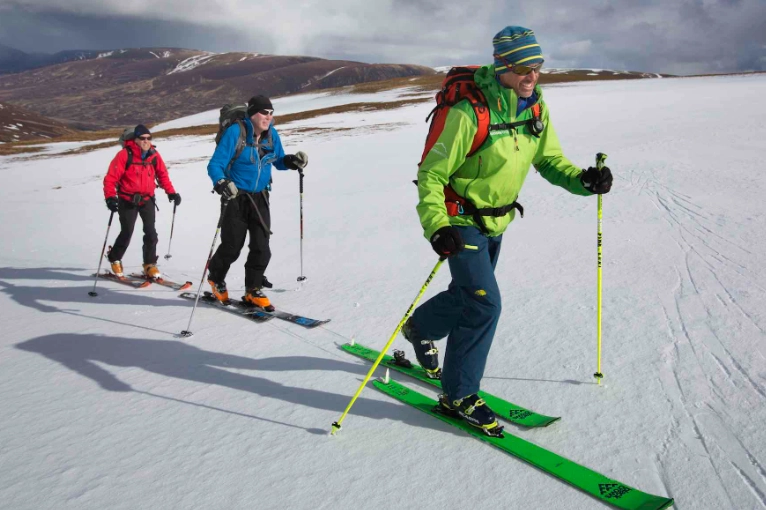
But—and it's a huge but—lightweight construction often means less damping material (like metal). A heavier ski (backcountry) plows through variable snow, crud, and chop without getting knocked around. It feels planted and secure. So you ask yourself: Do I want a featherweight climbing machine, or a tank that dominates the descent? Most of us mortals look for a sweet spot in the middle, which is why the line between the categories is so blurry.
Shape and Geometry: Not Just a Pretty Profile
You can't talk about the difference between touring and backcountry skis without looking at their shape. Waist width, rocker, and sidecut aren't just marketing.
- Waist Width: Touring skis tend to be narrower. A 98mm waist is easier to edge on a firm skin track and is generally more efficient. Backcountry skis often push into the 110mm+ range for maximum powder float. That extra width is amazing in deep snow but can feel like dragging anchors on a hard, set track.
- Rocker: Rocker (upturned tips/tails) helps a ski float and turn easily in powder. Many backcountry skis have lots of it. But too much tail rocker can reduce traction when skinning uphill, as your kicker zone is smaller. Pure touring skis might have a flatter tail for better grip.
- Sidecut & Turn Radius: A shorter turn radius (e.g., 16m) makes a ski quick and nimble in tight trees—common in many backcountry skis. A longer radius (e.g., 22m) favors big, fast, sweeping turns and stability—sometimes seen in touring skis meant for big mountain lines.
It's a puzzle. A wide, heavily rockered powder ski is a classic "backcountry" design. A narrow, lightly rockered ski is a classic "touring" design. But the market is flooded with hybrids.
The Rest of the System: Bindings and Boots Are Part of the Equation
Skis don't exist in a vacuum. The binding you choose is arguably as important as the ski itself when defining your setup. The difference between touring and backcountry skis is often complemented by the binding choice.
For touring-oriented setups, the goal is minimal weight and maximum range of motion for the uphill. This is the domain of pin bindings (tech bindings). They use small metal pins that interface with holes in your touring boot soles. They're incredibly light and offer a fantastic, free-swinging stride. Brands like Dynafit literally invented this category, and their resources are great for understanding the tech. The downside? Historically, they offered less elasticity and release sensitivity than alpine bindings, though modern models have improved dramatically.
For backcountry-oriented setups where downhill performance is paramount, many skiers look at frame bindings or the newer generation of hybrid bindings (like the Salomon/Atomic Shift, Marker Duke PT, Fritschi Tecton). These are heavier but feel more familiar and secure on the descent, often with lateral toe release similar to a resort binding. They bridge the gap but add significant weight.
And boots? That's a whole other deep dive. But simply put, a stiff, heavy downhill boot will make any ski feel more powerful on the descent, while a lightweight, flexible touring boot will make any climb more pleasant. You have to match the boot to your priority as well.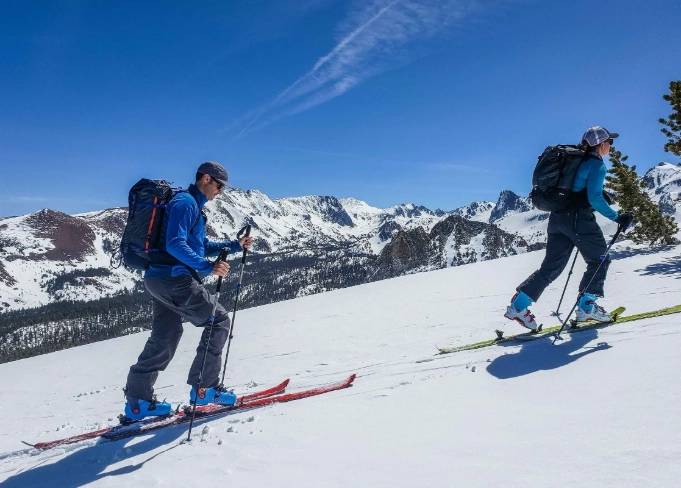
How to Choose: Stop Looking at Labels, Start Looking at Your Goals
Forget the categories for a second. The best way to understand the difference between touring and backcountry skis is to ask yourself some brutally honest questions.
- What's your typical tour? Is it a 10-mile, 4000-vert epic? Or a quick 90-minute lap in the trees near the pass? The former screams lightweight touring ski. The latter allows for a more playful, surfy backcountry ski.
- What's your downhill style? Are you a cautious turner, picking your way down? Or do you like to open it up and charge, regardless of snow conditions? Chargers need the dampness of a heavier build.
- Where do you ski most? Deep, dry powder of the Rockies? Heavy maritime snow of the Pacific Northwest? Icy, steep couloirs in the Alps? The snowpack dictates ideal width and stiffness.
- What's your fitness level? Be real. A heavier, more forgiving ski might bring more joy to a strong intermediate who gets tired easily, because they'll have more fun on the descent.
My advice? If you're new to this, err on the side of a lighter, more touring-oriented setup. Why? Because a tough climb on heavy gear can ruin your motivation to go again. A slightly less stable descent on light gear is usually still fun, and it teaches you better technique. You can always rent a fat powder board for that once-a-year deep day.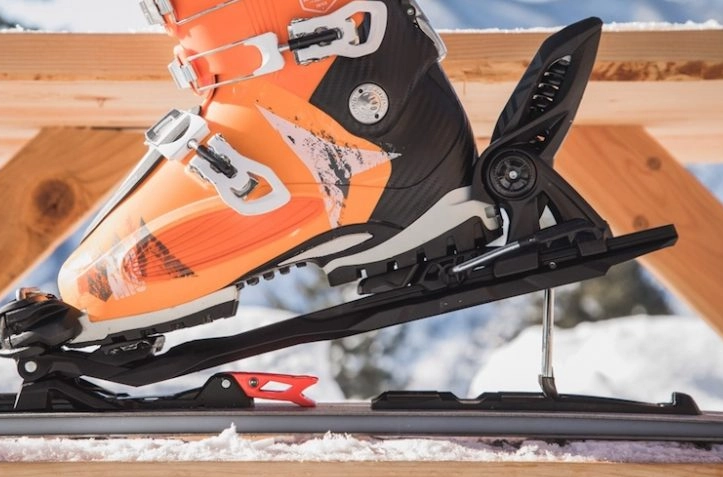
Common Questions (The Stuff You're Actually Searching For)
Final Thoughts: It's About Your Smile, Not the Spec Sheet
At the end of the day, the difference between touring and backcountry skis is a framework, not a rulebook. I've seen incredibly strong skiers make lightweight race skis look like freeride boards, and I've seen people have the time of their lives on heavier gear because it gives them confidence.
The goal is to find the setup that maximizes your enjoyment. If you love the climb, the solitude, and the mission, lean touring. If you live for the face shots and the adrenaline of the descent, lean backcountry. Most of us are somewhere in the messy, wonderful middle.
Do your research, talk to people at reputable shops (not just big box stores), and if possible, demo. Your perfect ski is out there, waiting to turn your next idea of a great day in the mountains into a reality. Just don't get too hung up on the name. Focus on how it'll make you feel when you're out there.
Because that's what it's all about.