Quick Navigation
- More Than Just Pointy Sticks: What Do Ski Poles Actually Do?
- The Great Length Debate: How Long Should Your Ski Poles Be?
- Breaking Down the Build: Materials, Grips, Baskets, and Straps
- The Buying Checklist: What to Look For in the Shop
- Taking Care of Your Sticks: Maintenance 101
- Answering Your Burning Questions
Let's be honest. When you think about skiing gear, what comes to mind first? Probably the skis themselves, then the boots, maybe the jacket. Ski poles? They often get tossed into the cart as an afterthought. I used to think the same way. I remember renting a pair once that were so comically short I looked like I was trying to pole-vault through a children's play area. It was awkward, threw off my balance, and frankly, made turning a lot harder than it needed to be.
That experience was a wake-up call. I started paying attention. And what I learned changed my skiing completely. These aren't just sticks you plant in the snow to look the part. They're an integral part of your rhythm, your balance, and your power on the mountain. Getting the right pair of ski poles is a small detail that makes a massive difference.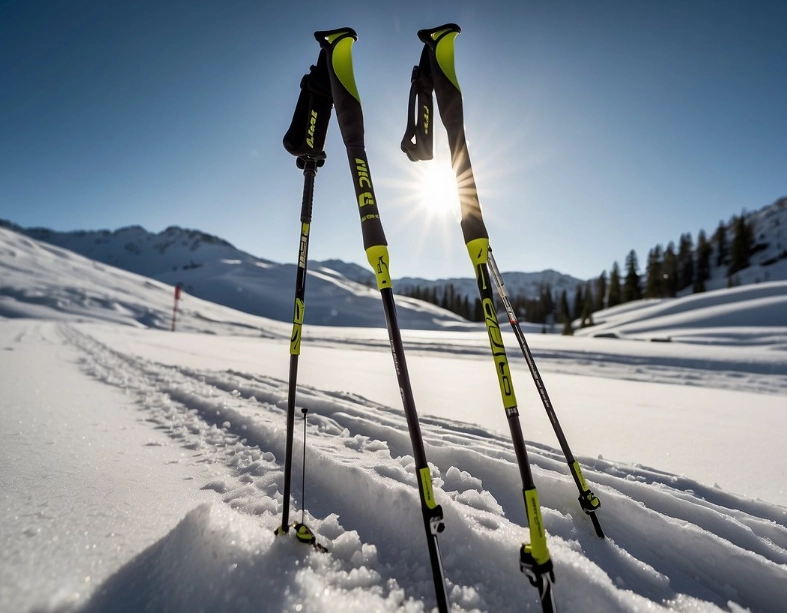
So, if you've ever stood in a ski shop feeling overwhelmed, or wondered if the poles you've been using for years are actually holding you back, you're in the right place. We're going to strip away the confusion and talk about what really matters.
More Than Just Pointy Sticks: What Do Ski Poles Actually Do?
Before we dive into materials and lengths, let's get the basics straight. What's the point of them? If you think they're just for pushing yourself along flat sections, you're only seeing a fraction of their job.
Your poles are your primary timing device. Planting a pole initiates a turn. It sets the rhythm for your entire body, telling you when to unweight, pivot, and engage your edges. Try making linked, smooth turns without using your poles. It's possible, but it feels uncoordinated and sloppy. The pole plant is the conductor's baton for your skiing symphony.
They're crucial for balance and stability. Whether you're traversing a steep slope, navigating tricky bump lines, or just getting on and off a chairlift, a well-placed pole provides a third point of contact with the snow. It's your anchor. In deep powder, a strong pole plant can help you keep your torso upright and prevent you from diving forward.
And yes, they provide propulsion. On cat tracks, in lift lines, or when you're trying to scoot across a flat section to your favorite run, a good push from your ski poles is what keeps you moving. The right length and grip make this efficient, not a chore.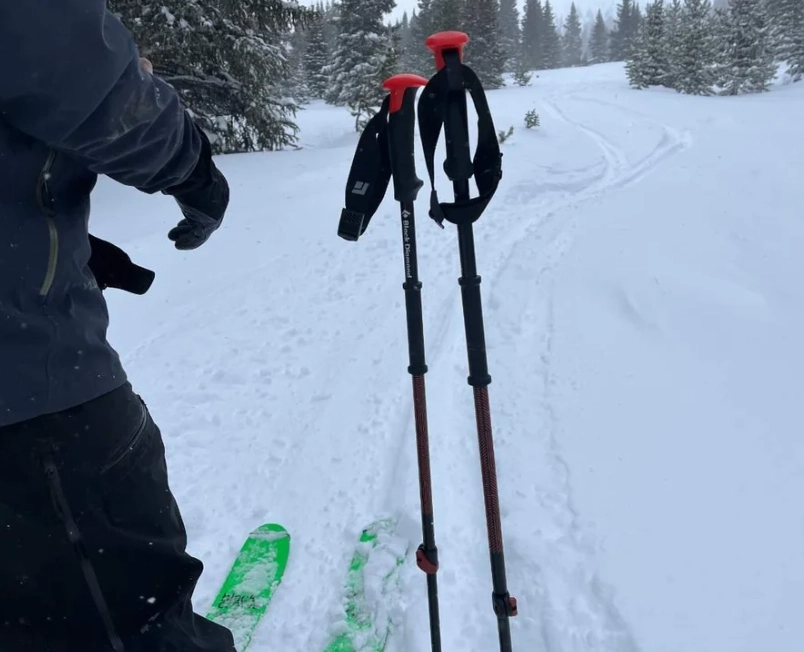
The Great Length Debate: How Long Should Your Ski Poles Be?
This is the number one question, and for good reason. Get the length wrong, and nothing else about the pole matters. The old-school method of flipping the pole upside down and grabbing the basket works... okay. But it's a rough estimate. Your skiing style matters more than a generic formula.
The Traditional (Upside-Down) Method
You've probably seen it. Turn the pole upside down, grip it just under the basket, and let your arm hang by your side. If your forearm is parallel to the floor, the length is supposedly right. It's a decent starting point for general recreational skiing. But it's passive. It doesn't account for the aggressive, forward-leaning stance of a carver or the more upright, relaxed stance of a beginner.
A Better Way: The 90-Degree Rule in Action
Put your ski boots on. Stand on a flat, hard surface in your natural, ready-to-ski stance (knees slightly bent, shins pressing into the boot tongues). Now, hold the ski pole correctly in your hand, with the tip on the ground next to your foot. Your elbow should form a 90-degree angle. This is the gold standard for most alpine skiers. It allows for a powerful pole plant without over-reaching or having your arm cramped up by your side.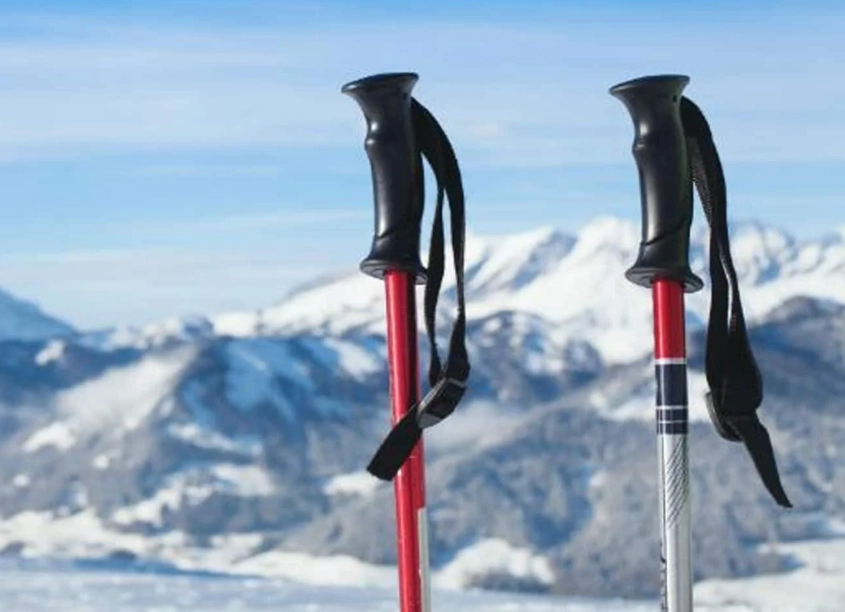
Now, let's break it down by discipline. Because a park rat and a backcountry tourer need very different tools.
| Skiing Style | Recommended Length | Why This Length Works |
|---|---|---|
| Beginner/All-Mountain Recreational | Forearm parallel or slightly shorter (elbow just above 90°) | Promotes an upright, comfortable stance. Easier to manage, less likely to catch on snow during turns. |
| Advanced/Alpine Carving & Racing | Forearm parallel or slightly longer (elbow at or just below 90°) | Accommodates a more aggressive, forward-leaning posture. Allows for a longer, more driving pole plant. |
| Freestyle & Park Skiing | Typically on the shorter side | Shorter poles are less likely to get in the way during spins, grabs, and rail slides. They're simply less cumbersome for tricks. |
| Backcountry/Touring | Adjustable poles are a must. Length varies. | Shorten for uphill skinning for efficiency. Lengthen for downhill skiing for control. Adjustable poles like those from Black Diamond or LEKI are essential. |
| Powder Skiing | Often slightly longer than standard | The deep snow effectively "shortens" your pole. A longer shaft helps you reach down to find a solid plant beneath the fluff. |
See how it's not one-size-fits-all? My buddy who mostly skis park has poles that look like they're meant for a kid. But for his style, they're perfect.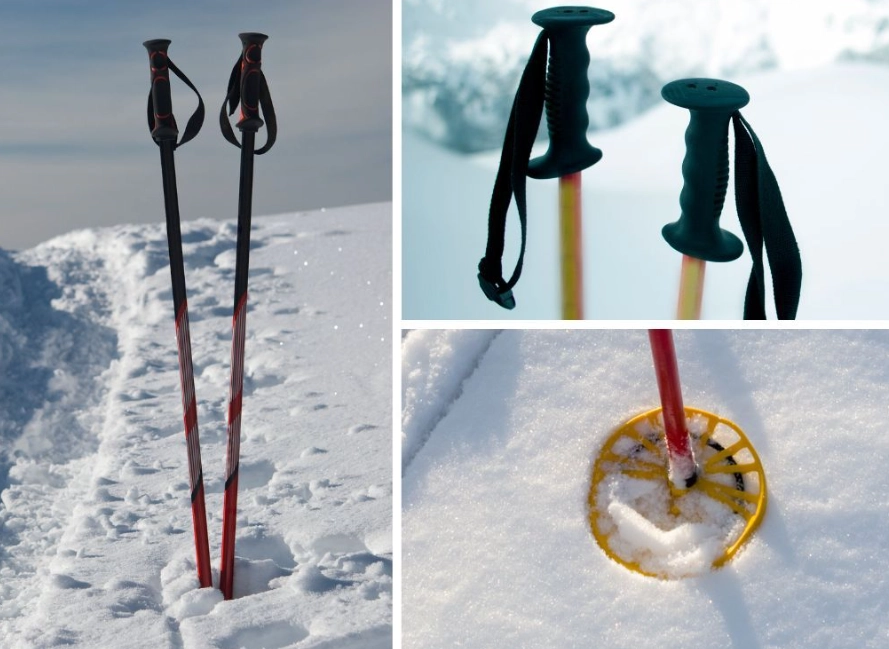
Breaking Down the Build: Materials, Grips, Baskets, and Straps
Okay, you've figured out your length. Now what are these things made of, and why should you care?
Shaft Materials: Aluminum vs. Carbon Fiber vs. Composite
This is where you'll feel the biggest difference in your hand (and your wallet).
- Aluminum (7075 or 6061 Alloy): The workhorse. This is what most rental poles and many mid-range models are made of. It's durable, affordable, and has a nice, predictable flex. The downside? It can bend under serious impact (though it rarely snaps). It's also the heaviest common option. For most recreational skiers, a good aluminum pole is a fantastic, no-fuss choice. I've had a pair of basic aluminum poles for a decade, and they're still straight and true.
- Carbon Fiber: The premium choice. Incredibly light and stiff. The lack of weight is noticeable, especially if you're swinging your arms all day. The stiffness translates vibrations differently—some say it gives a more direct, precise feel. The fear? That they'll shatter. Modern carbon ski poles from reputable brands are very strong for their intended use (skiing), but they are more susceptible to catastrophic failure from a direct, sharp impact against a rock or metal edge than aluminum, which would just bend. You're paying for performance, not necessarily durability. If you're an aggressive skier who values lightweight gear and has the budget, carbon is sublime.
- Composite (Carbon/Aluminum Mix): The best of both worlds? Often, a pole will have a carbon upper shaft for weight savings and an aluminum lower shaft for impact resistance near the tip. It's a smart engineering compromise that offers a nice balance of weight, feel, and durability.
Grips: Where You Meet the Pole
Grips are about comfort and control. They're usually made from rubber, foam, or a combination.
Rubber Grips are durable, provide good grip even with wet gloves, and insulate against cold. They can feel a bit hard after a long day.
Foam Grips (like EVA) are super light, comfortable, and have a nice, soft feel. They can absorb sweat and get a bit grimy over time, and they might not provide as secure a feel in all conditions.
Shape matters too. Ergonomic grips are molded to fit the curve of your hand, reducing fatigue. I switched to an ergonomic grip a few seasons ago, and the difference in wrist comfort by the end of the day was real.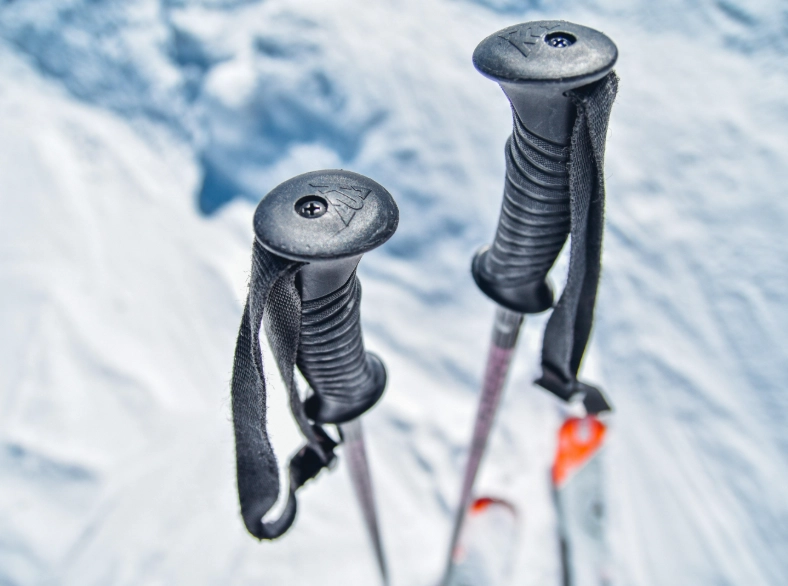
Baskets: The Unsung Heroes
That plastic ring near the tip isn't just for show. It prevents the pole from sinking too deeply into the snow. Small, hard, "racing" baskets are for hard-packed snow. Larger, wider baskets are for powder, crud, and variable conditions. Many poles come with interchangeable baskets, which is a great feature. Using powder baskets on an icy day feels like trying to plant a dinner plate—it's clumsy and can hook on the snow.
Straps: To Use or Not to Use?
Modern pole straps are designed to release easily if you fall, preventing wrist injuries. They also allow you to relax your grip slightly and let the strap take some of the weight when poling along. The debate is about safety. Some skiers, especially in the backcountry or tree skiing, prefer to not use straps at all to avoid any risk of entanglement. For most resort skiing, using the straps correctly (threading your hand up through the bottom, then grabbing the grip so the strap lies across the back of your hand) is safe and beneficial. The Professional Ski Instructors of America (PSIA) teaches this method as standard.
Speaking of safety, there's a critical trend worth mentioning: quick-release systems. Brands like LEKI have popularized mechanisms where the strap attaches to a dial on the glove, not the pole itself. In a fall, your hand detaches completely and instantly. It's a brilliant piece of safety tech that's becoming more common, especially in performance-oriented poles.
The Buying Checklist: What to Look For in the Shop
Don't just grab the first pair you see. Run through this mental list.
- Get the Length Right First. Use the 90-degree method in your boots. Don't guess.
- Feel the Weight. Pick up an aluminum and a carbon pole. Swing them. Is the lighter weight worth the price to you?
- Grip the Grip. Does it feel comfortable in your hand? Is it too fat, too thin? Does the shape feel natural?
- Check the Basket. Is it appropriate for where you ski most? Can it be changed easily if needed?
- Test the Strap. Put it on. Does it adjust easily? Does the release feel secure but not finicky?
- Inspect the Tip. Is it a simple metal spike, or does it have a carbide tip for extra bite on ice? Carbide tips last much longer.
- Consider Adjustables. If you dabble in backcountry or travel to ski different snow conditions, adjustable poles are a game-changer. They add a bit of weight and complexity, but the versatility is huge.
One more thing. You really don't need the most expensive pair on the wall. A well-fitted, durable aluminum pole from a good brand will serve 95% of skiers perfectly for years.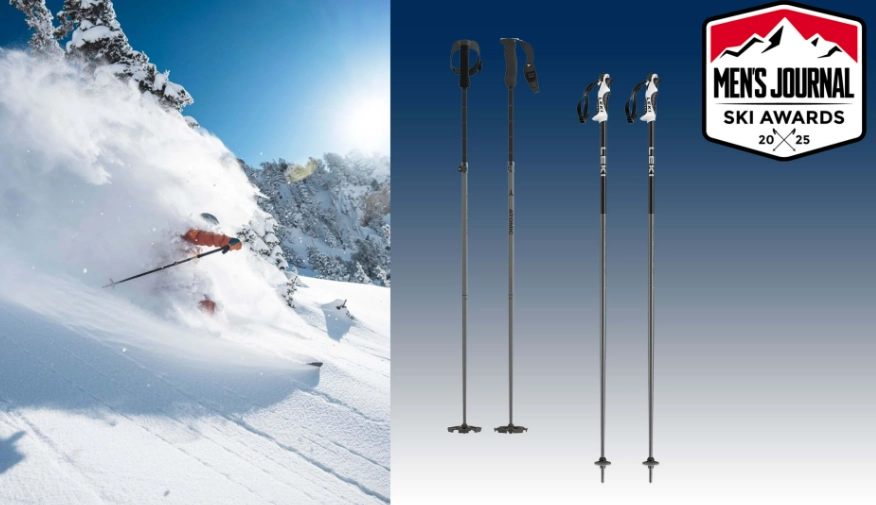
Taking Care of Your Sticks: Maintenance 101
Ski poles are low-maintenance, but they're not no-maintenance. A little care goes a long way.
At the end of the season, give them a wipe down. Check the straps for fraying. If the baskets are cracked or broken, replace them—it's a cheap and easy fix. Store them somewhere dry, not leaning in a wet corner of the garage.
If you have an aluminum pole that gets a slight bend, you can sometimes carefully straighten it by hand or with gentle pressure. Don't go crazy; you can weaken the metal. A severely bent pole is best retired.
For carbon poles, just inspect them for any deep scratches, cracks, or chips, especially near the tip. If you see significant damage, it's time to replace them. Don't take chances with compromised carbon fiber.
Answering Your Burning Questions
Look, at the end of the day, the best ski poles for you are the ones you don't think about. They become an extension of your arms, a natural part of your movement. They shouldn't fight you, feel too heavy, or be the wrong length.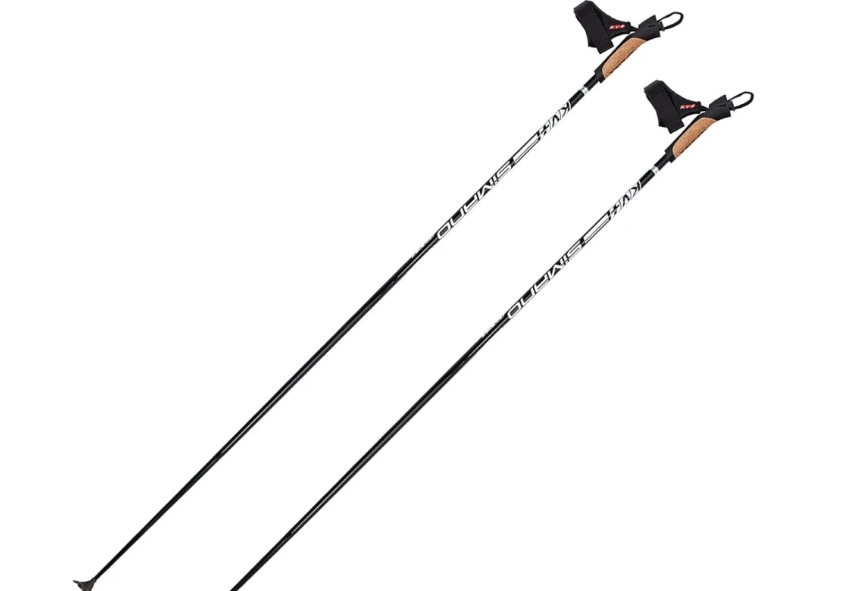
If you want to dive even deeper into the technical aspects of skiing equipment and technique, resources from authoritative bodies like the International Ski Federation (FIS) can provide a more scientific and competition-focused perspective on equipment dynamics.