Let's be honest. The first time you saw a button lift—or a Poma, platter lift, drag lift, whatever your local hill calls it—it probably looked a bit silly. A weird little seat on a pole whizzing along, dragging skiers uphill. Then you tried it. And it felt even sillier, maybe with a side of panic. The wobble, the fear of the dreaded spin, the awkward dismount. I've been there. I've been pulled off my feet more times than I'd like to admit. But after a decade of skiing everything from local bumps to big Alps resorts, I can tell you this: mastering the button lift is a non-negotiable skill. It opens up terrain that chairlifts don't reach, gets you to fresh tracks, and honestly, once you get it, it's kind of fun.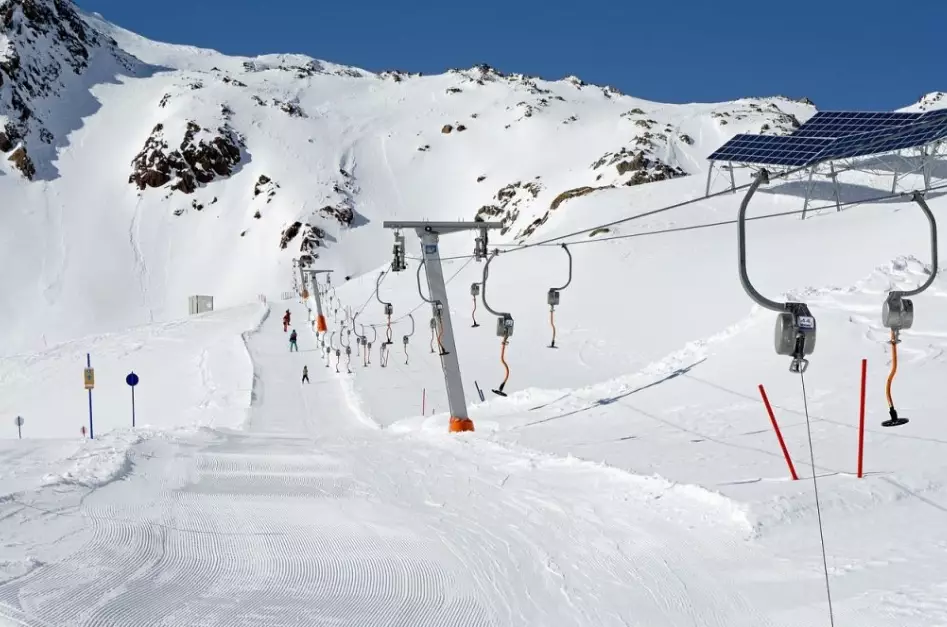
This isn't just about surviving the ride. It's about riding it with enough confidence to actually enjoy the run down.
What's Inside This Guide
What Exactly Is a Button Lift? (It's Not Just One Thing)
People throw around "button lift" as a catch-all, but mechanics and ski patrollers get more specific. At its core, it's a surface lift—a moving cable at ground level that pulls you uphill while you remain standing on your skis or board.
The "button" usually refers to the retrieval system. An attendant presses a button, and a lift mechanism comes to you. But the part you interact with has different names:
- Poma Lift: Named after the inventor, Pomagalski. This is the classic single-person lift with a round, padded disc (the "platter") on a pole. You put the disc between your legs and let it push you up the hill. This is what most Europeans mean by "button lift."
- Platter Lift: Essentially the same as a Poma—the disc is the platter. Common in North America.
- T-Bar Lift: A two-person version shaped like an upside-down T. You share the bar with a partner, each side resting behind your rear. Coordination is key.
- J-Bar: An older, less common single-person lift shaped like a J that hooks behind your thighs.
Why do resorts still use them? Cost and terrain. They're cheaper to install and maintain than a chairlift. More importantly, they can be built on steep, narrow, or environmentally sensitive terrain where a chairlift tower can't go. Want that perfect, untouched bowl? Often, a Poma is the only way up.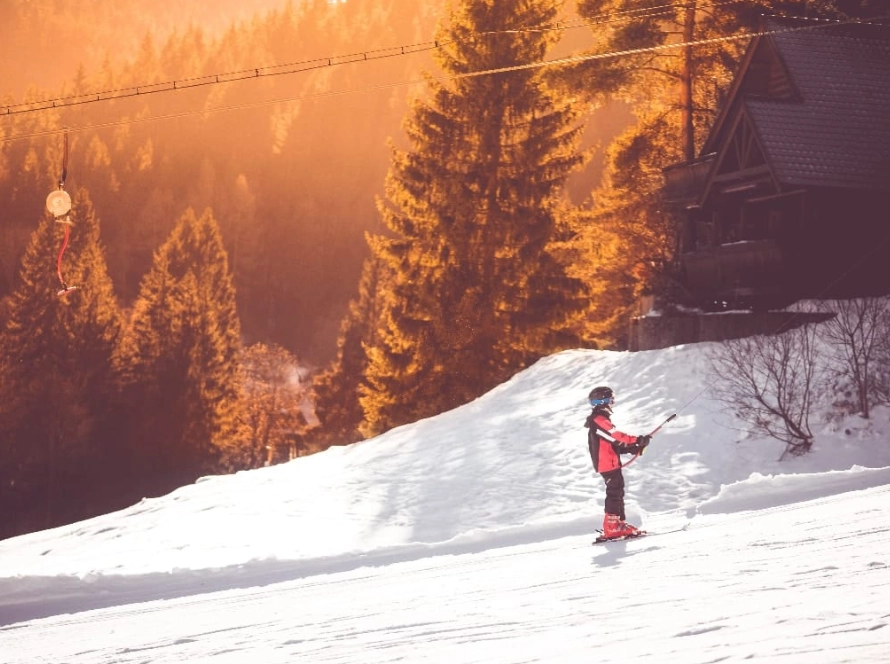
How to Ride a Button Lift: A Step-by-Step Breakdown
Forget the vague advice. Here's exactly what to do, moment by moment. We'll use the most common type—the single-person Poma/platter—as our example.
1. The Load Zone: Getting Ready
Watch the skiers ahead of you. See how the disc comes around? As you queue, have your poles in one hand (usually your outside hand). Loosen your grip. Skis pointed straight ahead, parallel. Look for the loading marks on the snow.
When it's your turn, step forward to the mark. Do not look at the approaching disc. I know it's tempting. Looking down throws your weight back. Look straight up the track where you're going.
2. The Critical Moment: Engagement
As the disc arrives, guide it between your legs with your free hand. Don't grab it, just guide it. Let the padded part sit snugly against the back of your upper thighs/buttocks.
Here's the non-consensus part everyone misses: The initial pull is the hardest. The cable takes up slack. You must actively resist the urge to sit. Do not collapse into a sitting position. Instead, think "stand tall." Keep your knees slightly bent, back straight, core engaged. Let the lift pull you from your center of mass, not from your shoulders.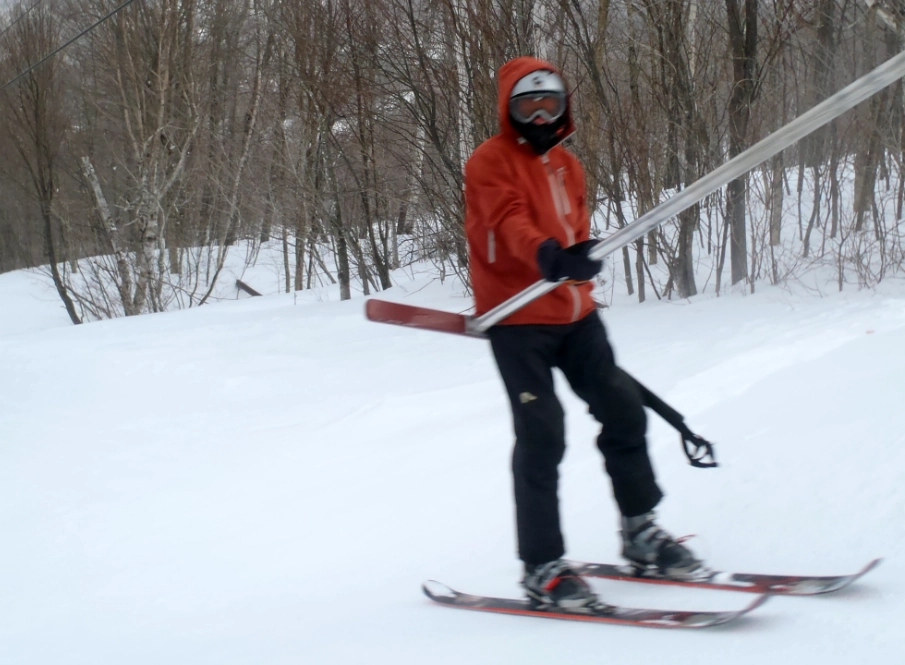
3. The Ride: Maintaining Balance
You're moving. Good. Now:
- Weight: Evenly distributed over both feet. Leaning back is the #1 cause of falls.
- Gaze: Look up the hill, 20-30 feet ahead. Your body follows your eyes.
- Hands: Hold the pole in front of you with both hands now, lightly. Don't death-grip the lift's vertical pole. That's what causes the spin—you become a pendulum.
- Skis: Keep them dead straight and parallel in the track. Don't try to steer.
It should feel like a firm, steady push from behind, not a pull.
4. The Dismount: The Grand Finale
See the offload area approaching? Don't wait until the last second.
As you near the end, prepare to shift your weight slightly forward. The moment you feel the track level out or see the clear offload zone, gently but decisively push the disc away from behind you with one hand. Don't throw it, just guide it away.
Immediately ski forward out of the track. Make a turn or skate away to clear the area for the person behind you. Do not stop right in the offload zone. That's a classic beginner move that creates a human traffic jam.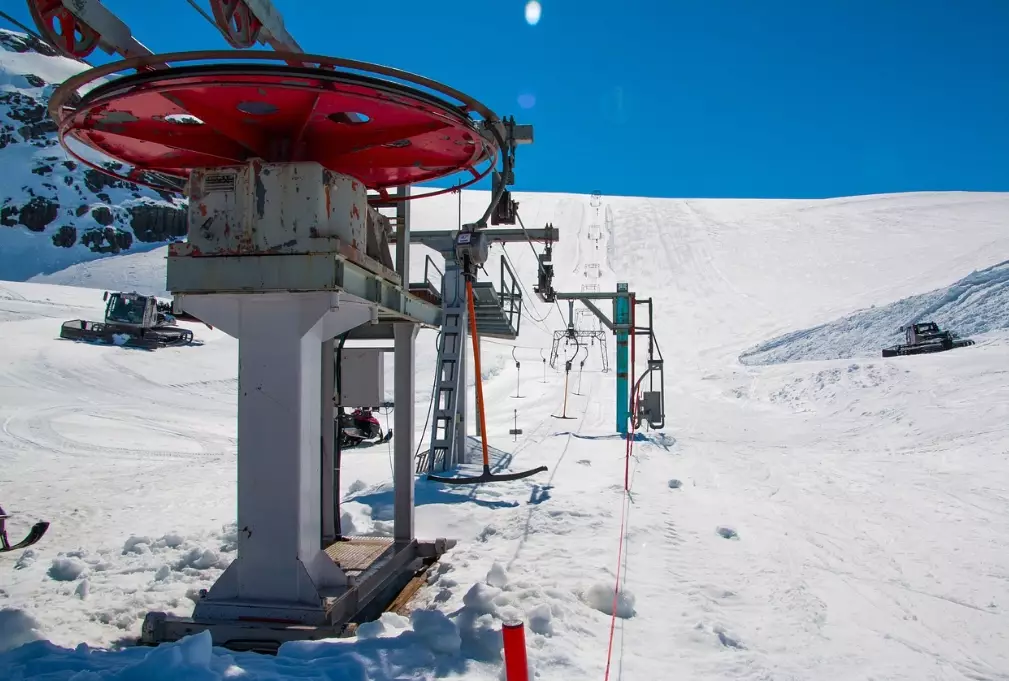
The 3 Mistakes That Make You Fall (And How to Fix Them)
- Leaning Back & "Sitting": You feel the pull, so you lean into it. This puts your weight behind your skis, making the tips lift. You lose all control. Fix: Consciously keep your chest over your boots. Imagine a string pulling you up from the crown of your head.
- The Death Grip & The Spin: You panic, grab the lift's pole tightly, and pull it to one side. Now you're a spinning top. Fix: Light touch. Hold the pole loosely in front of your belly button. If you feel a wobble, loosen your grip, look ahead, and let the lift straighten you out.
- Looking at Your Skis or the Disc: Your head weighs 10-12 pounds. Look down, and that weight shifts back, disrupting balance. Fix: Pick a point up the hill—a tree, a sign, a building—and stare at it until you dismount.
Button Lift vs. T-Bar vs. Chairlift: Which is Harder?
It's not just about difficulty, but the type of challenge. Here’s a quick comparison from a technique perspective.
| Lift Type | Key Challenge | Pro Tip | Best For |
|---|---|---|---|
| Button/Poma Lift | Single-point balance. Fighting the urge to sit. | Engage your core before the pull starts. It's about tension, not relaxation. | Steeper, narrower terrain. Solo riders. |
| T-Bar Lift | Partner coordination. Synchronized movement. | Communicate! A simple "ready?" and agreeing to lean in together prevents 90% of falls. | Two riders of similar size/ability. Less steep grades. |
| Chairlift | The load/unload timing. Managing poles and skis. | Look back at the chair as it approaches to time your sit. Unload is a simple stand and ski away. | Everyone. The baseline standard. |
Most skiers find a T-bar harder than a Poma if they have an uncoordinated partner. With a good partner, it's easier because the weight is more centered.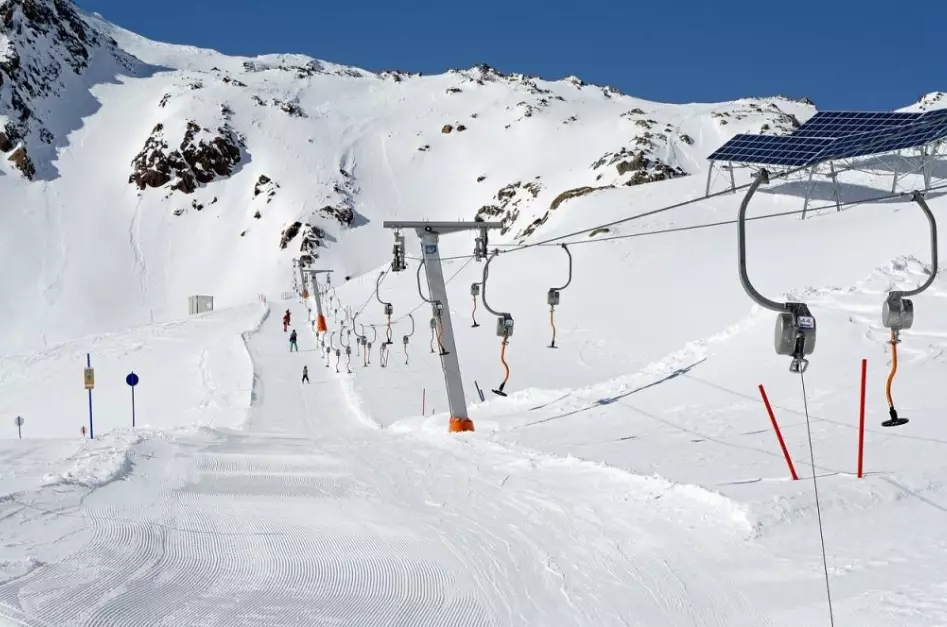
Pro Tips From the Lift Line
Here's the stuff you won't find in the official resort pamphlets.
- The Ice Rink Dismount: If the offload area is sheer ice, don't panic and snowplow. As you push the disc away, immediately make a confident, rounded turn to control your speed. Hesitation is what causes pile-ups.
- Backpack Protocol: Wearing a big backpack? It raises your center of gravity. Take extra care to keep your torso upright, not let the pack pull you backwards.
- Snowboarder's Trick: As a boarder, keep your front foot strapped in, but leave your back foot out. Ride the lift with your board pointing straight (like a skier). At the top, step your free foot onto the board and skate away, then strap in. The International Ski Instructors Association (ISIA) teaching materials actually recommend this for beginners.
- If You Fall: Let go immediately. Don't cling on. Crawl or roll out of the track quickly. The lift will usually stop automatically. Signal to the attendant if you're okay.
I learned the hard way at a small resort in Austria. The button lift there was ancient, jerky, and went up a brutally steep slope. I fell three times in a row, each time a spectacular, flailing collapse. The elderly local attendant just shook his head, gave me a thumbs-up, and shouted "Schwer, ja?" (Hard, yes?). He was right. But on the fourth try, focusing only on looking at the peak and keeping my core tight, it clicked. The ride up was suddenly peaceful, and the run down was worth every fall.
Your Button Lift Questions, Answered
How do I stop a button lift from spinning?
Can a beginner skier use a button lift on day one?
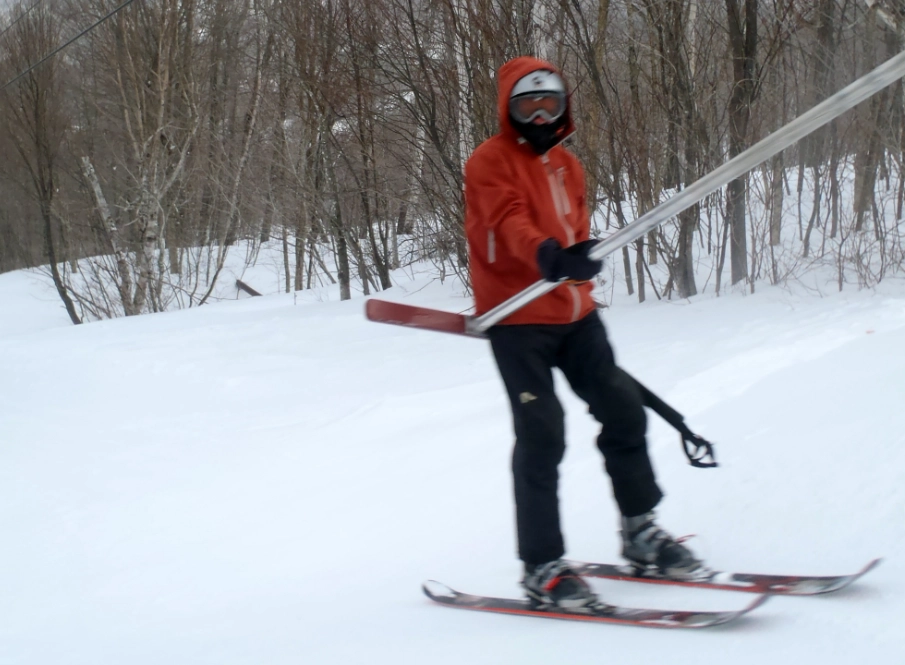 What's the main difference between a Poma and a T-bar lift?
Is it okay to let go of a button lift if I'm falling?
So next time you see that line for the button lift, don't avoid it. See it as a skills challenge. The terrain it unlocks is almost always less crowded and more interesting. Get your weight forward, look up the hill, and let that little disc do the work. You've got this.