You're standing at the top of a pristine, untouched slope. The only sound is your own breathing. This is why you go into the backcountry. But that same silence is a stark reminder: if something goes wrong, you're on your own. Your choices in the next few minutes, and the gear you brought, are everything. Avalanche safety equipment isn't about checking a box; it's about giving yourself and your partners a fighting chance. Let's cut through the noise and talk about what you actually need, how to use it, and the mistakes I see even experienced skiers make.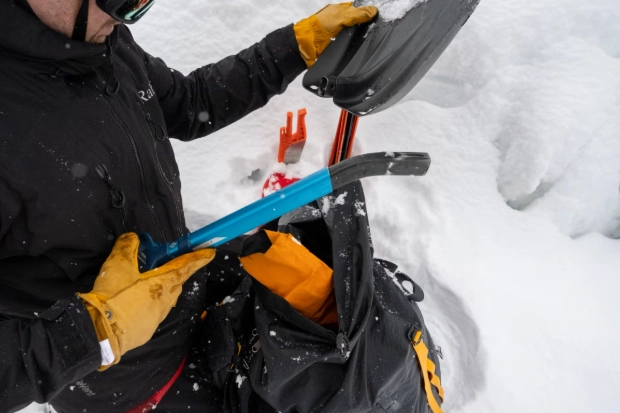
What's Inside This Guide
The Essential Trio of Avalanche Safety Gear
Forget the fancy extras for a moment. If you remember nothing else, remember this: you must have these three items, every single time you step into avalanche terrain. They are non-negotiable.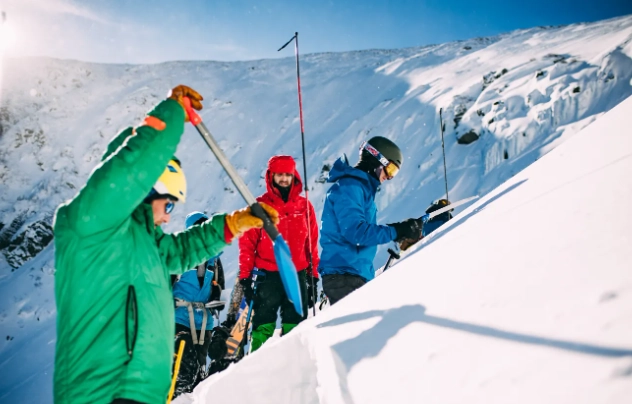
| Gear | Primary Function | Critical Spec to Check |
|---|---|---|
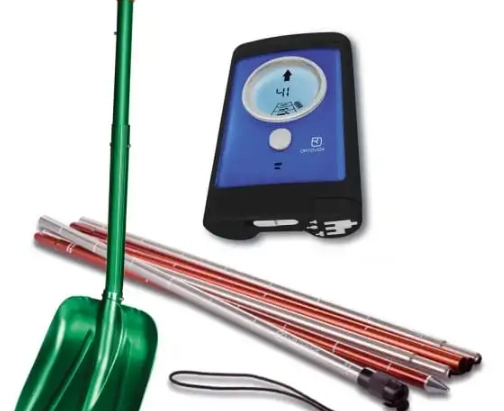
| Avalanche Transceiver (Beacon) | To transmit a rescue signal and to locate a buried partner. | Must be a modern digital 457 kHz device. Three-antenna models are the standard. |
| Avalanche Probe | To pinpoint the exact location and depth of a buried victim after a beacon search. | Length: 240cm or longer. Aluminum is standard; carbon is lighter but more expensive. |
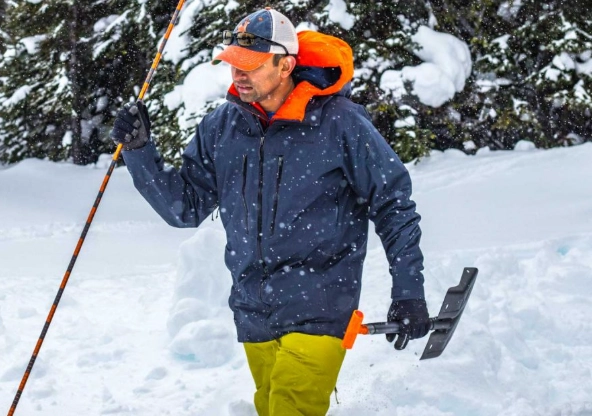
| Avalanche Rescue Shovel | To dig quickly through hard, dense avalanche debris. | Metal blade & shaft (no plastic). Blade size > 8x10 inches. D-grip or T-grip handle. |
These three work as a system. The beacon gets you close, the probe finds the body, and the shovel gets them out. A flaw in any link breaks the chain. I've seen groups with top-of-the-line beacons but tiny, plastic shovels. In a real burial, that plastic would snap on the first chunk of avalanche cement.
Gear is useless without training. Owning this equipment means you are committing to taking an AIARE or equivalent avalanche safety course. Practice with your partners regularly. A beacon in your pack does not save a life; your ability to use it under extreme stress does.
How to Choose the Right Avalanche Transceiver
This is your most critical piece of electronics. The market has great options from brands like Arva, BCA, Mammut, Ortovox, and Pieps. The subtle differences matter more than you think.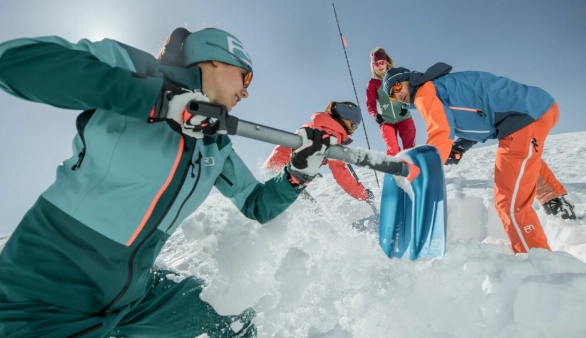
Screen vs. Minimalist Display
This is a personal choice that affects your search strategy. A transceiver with a detailed screen (like a Mammut Barryvox) shows distance, direction, and number of victims clearly. It's fantastic for learning and complex scenarios. A minimalist one (like an Ortovox Diract Voice) uses audio cues and simple lights. Some people panic and can't read a screen; the audio guides them. Try both. I prefer a screen because I can see if I'm 5 meters away or 15 at a glance.
The Marking Function (Why It's a Game-Changer)
Imagine finding one victim, but there are two buried. A marking function lets you "flag" the first signal so you can continue searching for the second without losing the first's location. This isn't a luxury; in a multi-burial, it's the difference between an organized rescue and chaos. Most mid-to-high-end beacons have this. Don't settle for one without it.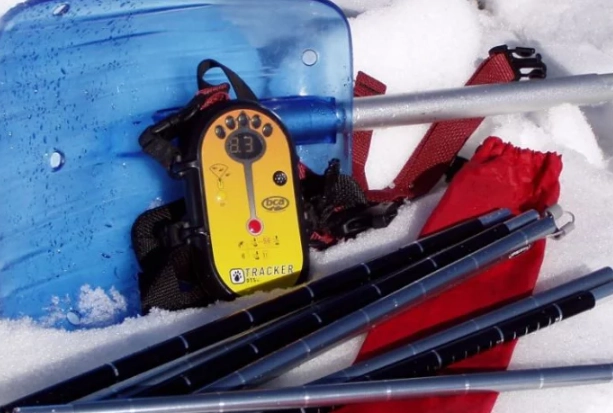
Shovel & Probe: The Overlooked Details That Matter
People spend hours comparing beacons and buy the first shovel-probe combo they see. Big mistake.
The Shovel: The grip is everything. A D-grip gives you immense power for chopping. A T-grip or telescoping handle might pack smaller, but can be weaker. Feel it with your ski gloves on. Is there room? The blade should be metal and have a slight curve or an adjustable angle for throwing snow efficiently.
The Probe: The speed of deployment is critical. Does it use a quick-draw system or a fussy cord lock? Practice assembling it blindfolded. Your probe should be long enough to reach the average burial depth in your area (check local avalanche center reports – it's often deeper than you think). 240cm is the bare minimum; 300cm is better for many regions.
Pro Tip: When probing, form a line with your partners, shoulder-to-shoulder, and probe in a systematic grid. Don't just stab randomly where you think someone is. The probe strike is what confirms the location for digging.
The Avalanche Airbag Backpack: Is It Worth It?
This is the fourth layer of safety, after training, the trio, and good decision-making. An avalanche airbag backpack (from brands like ABS, Arc'teryx, BCA, or Mammut) has a built-in airbag system you deploy with a handle. The theory is simple: larger particles (like a person in an inflated bag) rise to the top of a flowing avalanche, a process called "inverse segregation."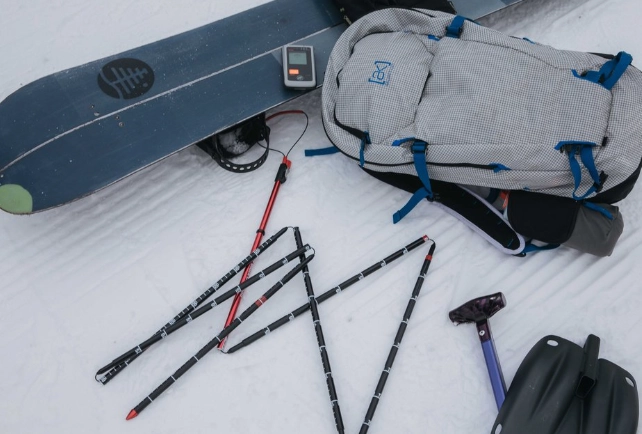
Research from places like the SLF in Switzerland supports this, showing a significant increase in survival rates for those who deploy an airbag. But here's the real talk: it's heavy, expensive, and needs annual servicing. It's also not a magic force field. If you're swept into trees or over a cliff, it won't help.
So, is it worth it? If you frequently ski in complex, high-consequence terrain, yes. Think of it as your most important piece of gear for the "oh crap" moment when all other prevention has failed. For low-angle or infrequent touring, the essential trio plus expert-level training is your priority.
Common Mistakes and How to Avoid Them
After a decade in the backcountry and teaching courses, I see the same errors repeatedly.
Mistake 1: The "Checkbox" Beacon Check. At the trailhead, everyone turns their beacon to transmit, does a quick check, and off they go. That's not enough. You need to verify that every beacon can both send and receive. Have one person switch to search mode and walk past the group. Does it pick up every signal? I've found dead batteries and malfunctioning units this way.
Mistake 2: Storing the Probe Separately. Your probe should be instantly accessible, often in a dedicated sleeve on your pack. If it's buried under your lunch and extra layers, you'll waste precious seconds fumbling for it. Seconds count when someone is buried.
Mistake 3: Ignoring the Human Factor. The best gear fails if you're exhausted, dehydrated, or arguing with your partner. Make conservative decisions. Turn around if anything feels off. Your safety gear is your last resort, not your primary risk management tool.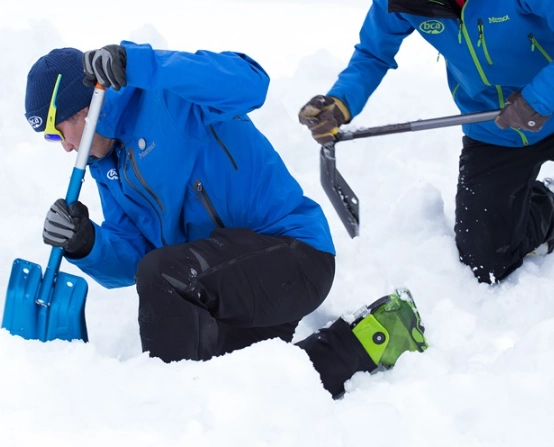
Your Questions, Answered
Your gear is a reflection of your commitment to yourself and your partners. It's not about having the most expensive brand, but about having reliable, functional tools and the practiced skill to use them. Invest in the essentials first, get the training, and then build from there. The mountains are forever, but we need to make sure we are around to enjoy them.