I used to drop my skis at the shop every few weeks, shelling out $50-$100 a pop. Then I tried tuning them at home. It wasn't perfect at first—I messed up an edge on my old pair—but now I save hundreds each season and my skis feel sharper. If you're tired of shop bills and want control over your gear, this guide is for you. We'll walk through tools, steps, and sneaky mistakes most tutorials miss.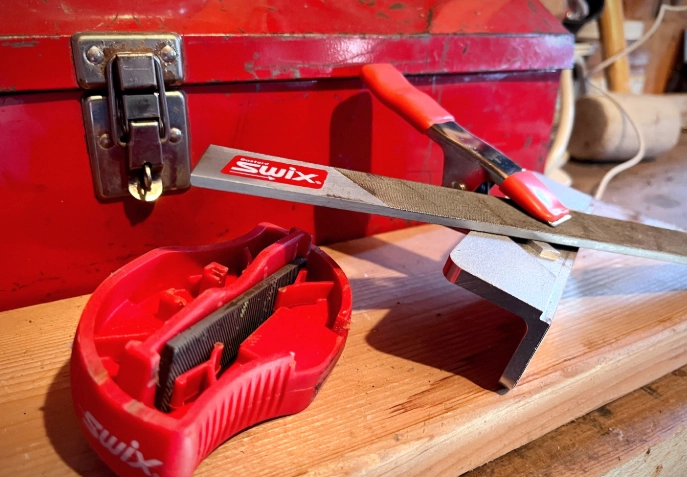
What's Inside This Guide
Why Bother Tuning Skis at Home?
Let's be real: ski shops do a great job, but they're expensive and sometimes inconsistent. I've gotten skis back with edges so sharp they felt like razors. At home, you tailor the tune to your style. Like a softer edge for park skiing or a specific wax for cold days.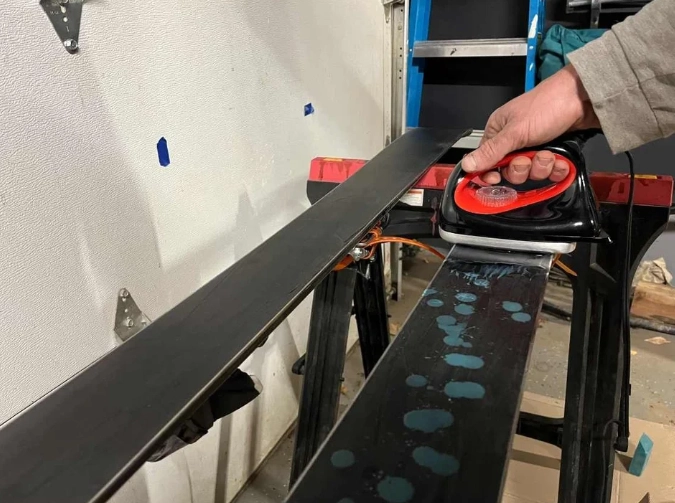
Cost is a big driver. A basic tune costs $40-60, while a full wax and edge can hit $80. Over a season, that adds up. My home setup—tools included—paid for itself in two tunes.
Then there's convenience. Need a quick wax before a dawn patrol? Do it in your garage. No waiting for shop hours.
But it's not all roses. Tuning takes time, and you can ruin skis if you're careless. I'll help you avoid that.
Gear Up: Essential Tools for Home Ski Tuning
You don't need a pro shop's inventory. Start with basics. I'll split tools into must-haves and nice-to-haves.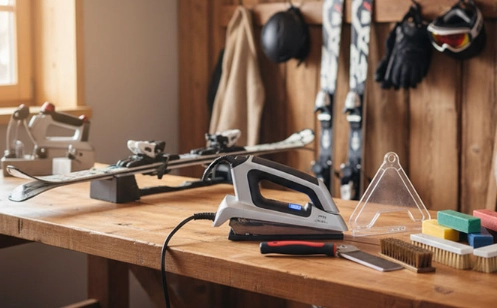
Core Tools You Can't Skip
These are non-negotiable. Skimp here, and you'll regret it.
- Edge File and Guide: A 100mm file with an adjustable guide for side edges. Swix or Toko brands work well. The guide sets the angle—usually 1-3 degrees.
- Diamond Stone: For smoothing edges after filing. A 400-grit stone is versatile.
- Wax Iron: Not a household iron! Get a dedicated ski wax iron with temperature control. Around $50-80.
- Ski Wax: All-temperature wax for starters. I use Swix Universal. For advanced tuning, match wax to snow temp.
- Plastic Scraper: To remove excess wax. A simple one from any ski shop.
- Brush Set: Nylon and horsehair brushes for cleaning bases after scraping.
Optional but Game-Changing Tools
These make life easier, especially if you tune often.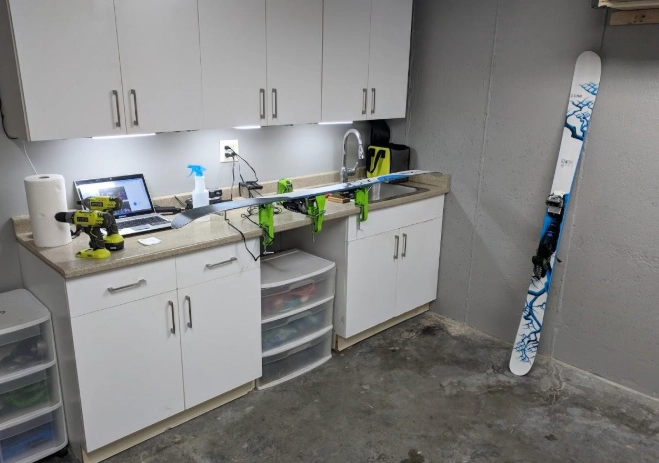
| Tool | Purpose | Approx. Cost |
|---|---|---|
| Ski Vises | Holds skis steady. Clamp-on vises are cheap and effective. | $30-50 |
| Base Grind Stone | For repairing deep base scratches. Use sparingly. | $20-40 |
| Edge Detector | Checks edge sharpness. A coin works too—run it along the edge. | $10-20 |
| Workbench | A sturdy table. I use an old desk with a rubber mat. | Free-$50 |
My first season, I skipped vises and used clamps on a table. It worked, but vises save time and frustration.
Pro tip: Buy tools gradually. Start with a file, wax iron, and scraper. Add as you learn. Don't blow $300 on a kit day one.
Step-by-Step: How to Tune Your Skis Like a Pro
Here's my process, refined over years of trial and error. Assume you're starting with dry, uncleaned skis.
Step 1: Clean and Inspect
Wipe skis with a damp cloth to remove dirt. Check bases for deep gouges—if they're bad, consider a shop repair first. Look at edges: are they nicked or dull? Run your fingernail along the edge; if it catches, they need filing.
I once skipped cleaning and waxed over dirt. The wax didn't penetrate, and my skis felt sluggish. Lesson learned.
Step 2: File the Edges
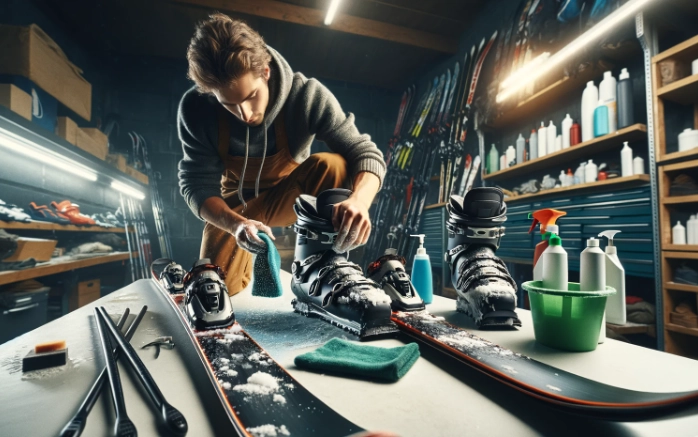
Secure skis with vises. Set the file guide to 1 degree for side edges (common for all-mountain skis). File from tip to tail in smooth strokes. Don't press hard—let the file do the work. 3-5 passes per side usually suffice.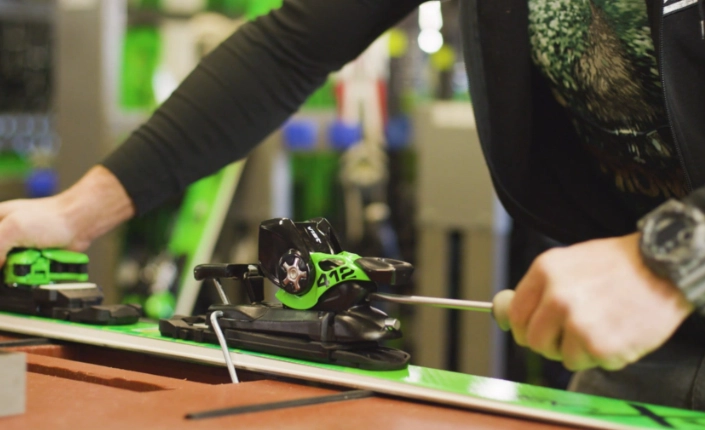
Then, use the diamond stone to deburr. This removes tiny metal bits for a smooth finish.
How do you know when to stop? Test with a coin. If it glides without catching, you're good.
Step 3: Wax the Bases
Heat the wax iron to medium (around 250°F). Drip wax along the base in a zigzag pattern. Iron it in, moving steadily to avoid burning the base. You'll see the wax melt and spread evenly.
Let skis cool for 20-30 minutes. Scrape off excess wax with the plastic scraper, holding it at a 45-degree angle. Finally, brush with nylon then horsehair brushes for a fast finish.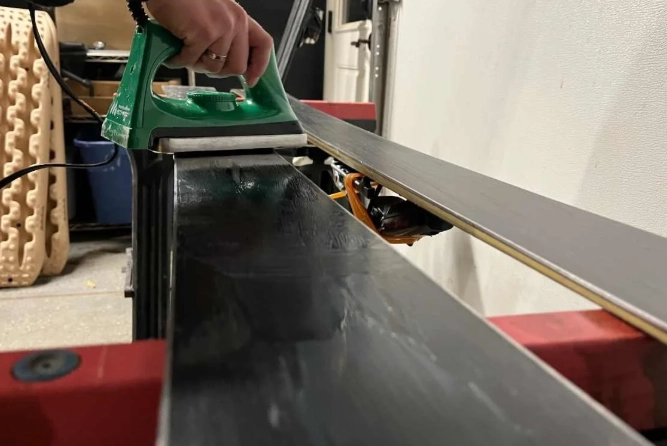
I used to scrape too soon, leaving wax chunks. Now I wait, even if I'm impatient.
Step 4: Final Check
Inspect edges for uniformity. Wipe skis down. They should feel smooth and look clean.
This whole process takes me about an hour per pair now. First time? Budget two hours.
Pitfalls to Avoid: Common Home Tuning Mistakes
Everyone screws up. Here's what to watch for.
Over-filing edges: The biggest rookie error. You think sharper is better, but over-filed edges catch on snow, making turns unpredictable. File lightly and test often.
Using the wrong wax temperature: All-temp wax works, but for optimal performance, match wax to conditions. Check resources like the FIS waxing guidelines for temps.
Skipping base cleaning: Dirt or old wax residue blocks new wax. Always clean with a base cleaner or gentle soap.
Uneven pressure when filing: This creates wavy edges. Use consistent, light strokes. If your arms get tired, take a break—fatigue leads to mistakes.
I ruined a pair by filing too aggressively on one edge. Had to get them ground flat at a shop. Cost me more than a tune would have.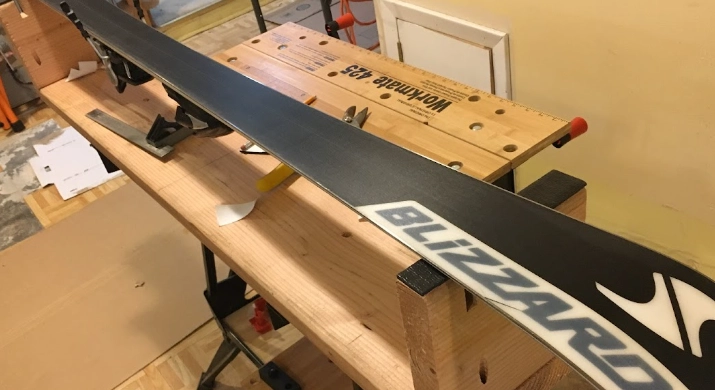
Your Ski Tuning Questions Answered
Home ski tuning isn't magic—it's a skill. Start simple, practice on old skis if you have them, and don't rush. The payoff is worth it: better performance, saved cash, and the satisfaction of DIY. Got more questions? Drop a comment below, and I'll help out.