Quick Navigation
Let's be real for a second. Staring at a wall of skis in a shop or scrolling through endless online reviews for freeride skiing equipment can feel completely overwhelming. One site says you need ultra-wide powder boards, another swears by something more all-mountain. Your buddy who seems to live in the backcountry has strong opinions about bindings you've never heard of. And don't even get me started on the avalanche safety gear – that's a whole other world of acronyms and numbers.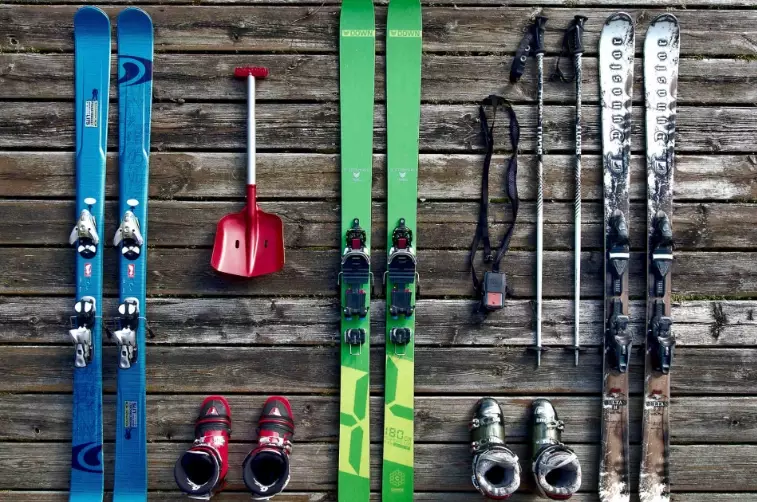
I remember my first season seriously getting into freeriding. I showed up with my old resort skis that were way too narrow, borrowed a backpack that didn't fit right, and had this vague notion that a beacon was something you just turned on. It was a recipe for exhausting days and, frankly, a few moments that were sketchier than they needed to be. I learned the hard way that having the right freeride skiing gear isn't about having the most expensive stuff; it's about having the right stuff that works together for the terrain you want to ski and the skier you are.
That's what this guide is for. We're going to cut through the marketing jargon and break down every piece of freeride skiing equipment you need to consider. We'll talk about skis, boots, bindings, and the non-negotiable safety kit. I'll even throw in some personal opinions on brands and features I love (and a couple I think are overhyped). My goal is that by the end of this, you'll have a clear checklist and the confidence to choose gear that'll get you safely to the top and joyfully down the bottomless slopes.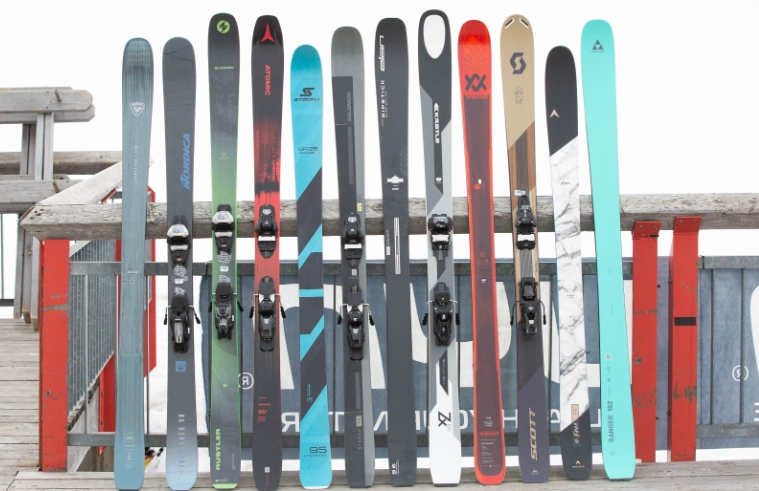
The Core of Your Setup: Skis, Boots, and Bindings
This is the holy trinity. Get this combination right, and everything else feels easier. Get it wrong, and you'll be fighting your equipment all day.
Choosing Your Freeride Skis: It's All About the Waist
The most important number for a freeride ski is the waist width, measured in millimeters underfoot. This is what determines how much float you get in deep snow. But it's a trade-off. Wider skis float better in powder but can be a chore on hardpack or when you need to make quick, precise turns.
- 100mm - 110mm (The All-Mountain Freeride): Your daily driver if you ski a mix of in-bounds powder and the occasional sidecountry lap. They're versatile, fun, and won't punish you on the groomed run back to the lift. Brands like Blizzard and Nordica kill it in this category.
- 110mm - 120mm (The Pure Powder Seeker): This is the sweet spot for dedicated backcountry days when you know you're hunting for untracked lines. The float is phenomenal, but you'll feel the width if you get caught on a firm patch. My personal quiver has a ski in this range, and it's my go-to for 90% of my touring days.
- 120mm+ (The Fat Boy): These are for deep days in maritime snowpacks or if your sole mission is surfing bottomless powder. They're surfy, playful, and can feel like driving a bus on anything else. Fun, but niche.
Other things to obsess over? Rocker profile. You want significant rocker in the tip and tail (that's the upward curve) for easier turn initiation and better float. Camber underfoot gives you the pop and edge hold. Most modern freeride skis use a "rocker-camber-rocker" profile, and it's pretty much the standard for good reason.
Length is personal. The old "chin to nose" rule is outdated. With modern shapes, you can often go a bit shorter than you think for better maneuverability in trees and tight spots. I'm 6 feet tall and ski a 188cm in my daily driver, but my powder-specific ski is a 184cm. It just feels more playful.
Freeride Ski Boots: Your Most Important Purchase
If I had to prioritize spending, I'd put boots above skis. A great boot that fits perfectly makes a mediocre ski feel good. A bad boot will make the best ski in the world feel awful. It's that simple.
For freeride skiing equipment, you're looking at a specific category: touring or "crossover" boots. These have two key features a resort boot doesn't: a walk mode and tech fittings (those little metal inserts on the toe and heel for pin bindings). The walk mode is a game-changer for the uphill. Trust me, your calves will thank you.
Fit is king. You want a snug, performance fit without any painful pressure points. A common mistake is buying boots too big. Your heel should be locked in place, with just a little room for your toes to wiggle. Go to a professional bootfitter. Seriously. It's worth every penny. They can heat-mold the liner and even punch out the shell in specific spots. I suffered for a season in off-the-shelf boots before getting a proper fitting, and the difference was night and day.
Stiffness (flex) matters too. A stiffer boot (120+ flex index) gives you more power and precision for charging big lines and variable snow. A softer boot (100-110 flex) is more forgiving and often lighter, which is nice on long tours. I lean towards a stiffer boot because I'd rather have the power when I need it, even if it means my feet complain a bit more on the ascent.
Bindings: The Critical Link
Bindings are the unsung heroes. For freeriding, you have three main paths, and this is where a lot of people get confused.
| Binding Type | How It Works | Best For | My Take |
|---|---|---|---|
| Frame Bindings | A hinged frame connects toe and heel. The whole unit lifts for touring. | Beginners to touring, heavier skiers, or those who prioritize downhill performance over uphill efficiency. | Heavy and inefficient on the uphill. The skiing feel is solid, but they're a bit of a dinosaur now. I'd only recommend these if you find a screaming deal on a used setup. |
| Tech (Pin) Bindings | Lightweight pins at toe and heel engage with fittings on touring boots. | Anyone serious about backcountry skiing and covering vertical. The standard for ski mountaineering. | This is what 95% of dedicated freeriders use. They're light, reliable, and the release mechanics have gotten really good. Brands like Dynafit (the originator) and ATK are top-tier. The uphill efficiency is transformative. |
| Hybrid Bindings (e.g., Shift, Duke PT) | Use a tech-style toe for touring but have a robust, alpine-style heel for downhill. | Skiers who want one setup for both resort charging and backcountry days. The "50/50" skier. | A great compromise, but a compromise nonetheless. Heavier than a pure tech binding, and more faff to switch between modes. I use a hybrid on my one-ski-quiver for trips where I don't know what I'll be skiing. They're brilliant for that purpose. |
The trend is unmistakably towards tech bindings. The weight savings on your feet is the biggest performance upgrade you can buy in the backcountry.
The Non-Negotiables: Your Safety Freeride Skiing Equipment
This section isn't about performance. It's about coming home. You do not go into the backcountry without this gear. Ever. And you need to know how to use it. Taking an avalanche safety course (like those from the American Institute for Avalanche Research and Education (AIARE)) is more important than any piece of gear listed here.
The Essential Safety Trifecta
- Avalanche Transceiver (Beacon): This sends and receives a signal to locate a buried partner. Look for a modern, three-antenna digital beacon. BCA, Pieps (now under BD), and Arva make excellent ones. Practice, practice, practice.
- Shovel: Not a flimsy camping shovel. A metal-bladed, telescoping shovel designed for moving hard, avalanche debris. The blade shape matters – a D-shape or blade with sidewalls is way more efficient.
- Probe: A collapsible pole (240cm-300cm is standard) to pinpoint a burial depth. Aluminum is light and sturdy. Don't skimp on length; a longer probe can be the difference between life and death in a deep burial.
Beyond the Basics: Modern Safety Gear
The conversation around safety freeride skiing equipment is evolving. Here are two items that are moving from "nice-to-have" to essential for many.
Avalanche Airbag Packs: These are backpacks with an integrated airbag system (powered by a canister or a battery-powered fan) that you deploy in an avalanche. The idea is that the inflated bag increases your volume, helping you stay closer to the surface (a principle called inverse segregation). Do they work? Data from organizations like the Swiss Federal Institute for Snow and Avalanche Research (SLF) suggests they significantly increase survival rates. They are expensive and add weight, but for many, including myself, the psychological and potential physical benefit is worth it. It's not a force field, but it's another layer of protection.
Avalanche Satellites & Communication: Devices like the Garmin inReach or Zoleo allow for two-way satellite messaging and SOS functions outside of cell service. They let you check in with folks at home, get weather updates, and summon help from anywhere. I never go into complex terrain without mine. It's peace of mind for me and my family.
Clothing & Accessories: Staying Comfortable Out There
Freeriding is an exercise in temperature extremes. You're sweating on the way up and freezing on the way down. Your clothing system needs to manage that.
Layering is everything. Ditch the cotton. Go for synthetic or merino wool base layers that wick sweat. A mid-layer fleece or insulated jacket for insulation. And a waterproof, breathable, and durable shell jacket and pants. Look for features like pit zips for massive ventilation on the climb. I made the mistake of using a cheap resort shell for my first few tours, and it was soaked through with sweat in an hour. A good shell, like those from Arc'teryx or Patagonia, is an investment that lasts.
Accessories matter more than you think:
- Goggles with a low-light lens: Storm days are often the best powder days. A rose or yellow lens will save your vision in flat light.
- A helmet: Preferably one compatible with your goggles and that has ventilation you can open and close. Tree branches and hidden rocks don't care that you're in the backcountry.
- Gloves: A thin, liner glove for the uphill and a beefy, waterproof pair for the descent. I always carry an extra pair of liners in my pack – they're light and a lifesaver if your first pair gets wet.
Putting It All Together: A Freeride Gear Checklist
Before you head out, run through this list. Print it out and tape it to your gear closet.
The Day-Of Freeride Skiing Equipment Checklist: • Skis with appropriate bindings (and skins attached & checked!) • Boots (in walk mode for the ascent) • Poles (adjustable ones are great) • Avalanche Beacon (ON, with fresh batteries, and on SEARCH mode to check your partners) • Shovel (in your pack, not strapped to the outside) • Probe (assembled and ready to go) • Avalanche Airbag (canister charged/fan charged) • Communication/SOS device • Water (at least 1 liter) and high-energy food • Layers (base, mid, shell, puffy for stops) • Helmet, Goggles, Gloves (2 pairs) • First Aid Kit (basic, but include a space blanket) • Headlamp (even for day tours, things can go long) • Map, Compass, and/or GPS (and the knowledge to use them) • Repair Kit (duct tape, a multi-tool, a spare ski brake, a binding screw)
It seems like a lot. And it is. But after a few trips, packing becomes ritual, and you'll know exactly where everything is. That organization is part of the safety mindset.
Common Questions About Freeride Skiing Equipment (The Stuff You're Actually Wondering)
Let's tackle some of the specific, nitty-gritty questions that forums and product pages don't always answer clearly.
You can, but you'll have a much harder time. They're usually narrower, which means you'll sink in powder. They're often heavier, which makes touring exhausting. And they lack the rocker profile that makes powder skiing effortless. It's like using a mountain bike on a road race – possible, but not ideal. If you're just dipping a toe into sidecountry next to a resort, it's okay. For dedicated backcountry missions, invest in proper freeride skis.
Gulp. This is the hard part. A complete kit of new, quality freeride skiing equipment is a major investment.
- Skis: $600 - $1,000+
- Bindings: $300 - $700+
- Boots: $500 - $900+
- Safety Gear (Beacon, Shovel, Probe): $400 - $1,000+
- Pack: $150 - $500+
- Clothing & Accessories: $500 - $1,500+
You're looking at a ballpark of $2,500 to $5,000+ to start from zero with all-new gear. This is why the used market, end-of-season sales, and buying piece-by-piece over a season or two are so popular. Don't feel pressured to buy it all at once. Start with the safety gear and education, then build your kit.
This is a huge debate. The trend is definitely towards ultralight everything. Lighter skis, boots, and bindings make the uphill exponentially easier, letting you ski more runs or access more terrain. But there's a trade-off in downhill performance and durability. Ultra-light skis can get deflected in variable snow and feel chattery at speed. The sweet spot, for me, is in the "light-ish" category – gear that sheds enough weight to make touring pleasant but doesn't completely sacrifice the fun on the descent. It's a personal calculus between your fitness, your objectives, and how much you're willing to compromise on the downhill.
Backcountry gear takes a beating. Salt from skinning, rocks, general abuse. A few tips:
- Skis: Keep edges sharp and bases waxed. A well-waxed ski glides better on the skin track, saving you energy.
- Bindings: Keep them free of ice and dirt. Check screws for tightness periodically. For tech bindings, a tiny drop of lubrication on the pins (per manufacturer instructions) can keep them working smoothly.
- Beacon: Check the battery level before every tour. Replace batteries per the manufacturer's schedule, not just when they die. Store it away from other electronics.
- Airbag: If it's canister-based, get it professionally inspected and recharged after a deployment or as recommended (usually yearly). If it's a fan system, keep the battery charged.
Look, at the end of the day, the best freeride skiing equipment is the gear that gets you out there safely and lets you enjoy the mountains on your own terms. It doesn't have to be the latest, most hyped model. It has to fit you, suit the type of skiing you do, and work reliably. Do your research, try stuff on if you can, talk to experienced skiers, and prioritize safety and fit above all else.
The mountains aren't going anywhere. Getting the right gear is the first step to enjoying them for a long, long time.