That giant U-shaped trench of snow isn't just a playground for Olympians. For skiers and snowboarders, the halfpipe represents the ultimate test of style, physics, and nerve. But most guides just list tricks. They miss the point. Riding a halfpipe well isn't about memorizing a sequence of spins and flips. It's about understanding the canvas itself—how it's built, how energy flows through it, and how to work with it, not against it. I've spent over a decade coaching in terrain parks, and I've seen the same fundamental mistakes hold people back, season after season. Let's fix that.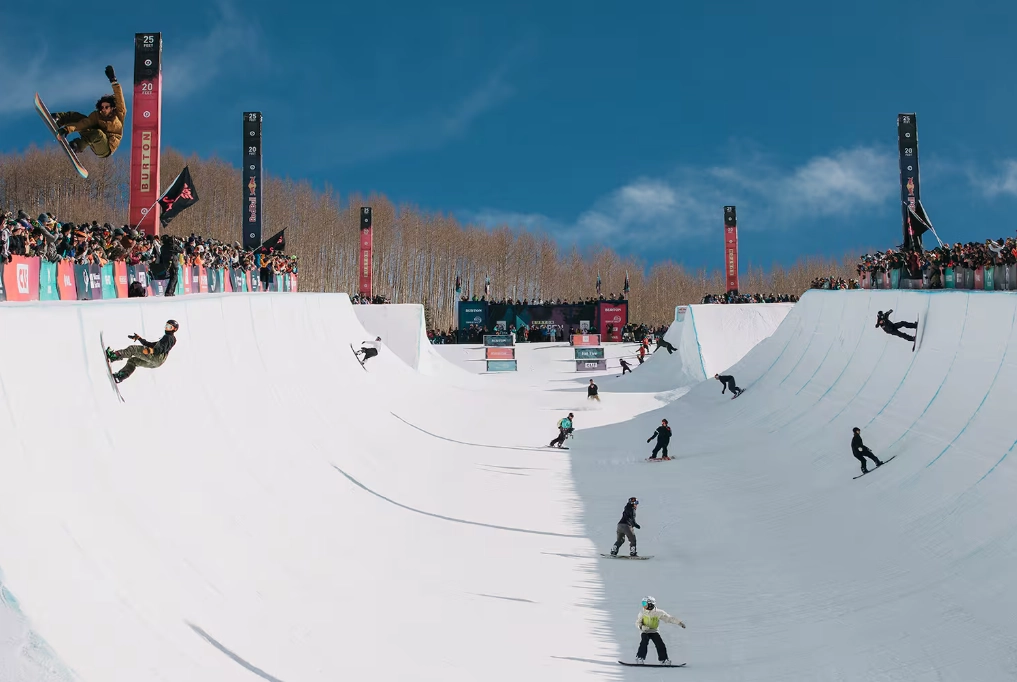
Quick Navigation
What Is a Halfpipe, Really?
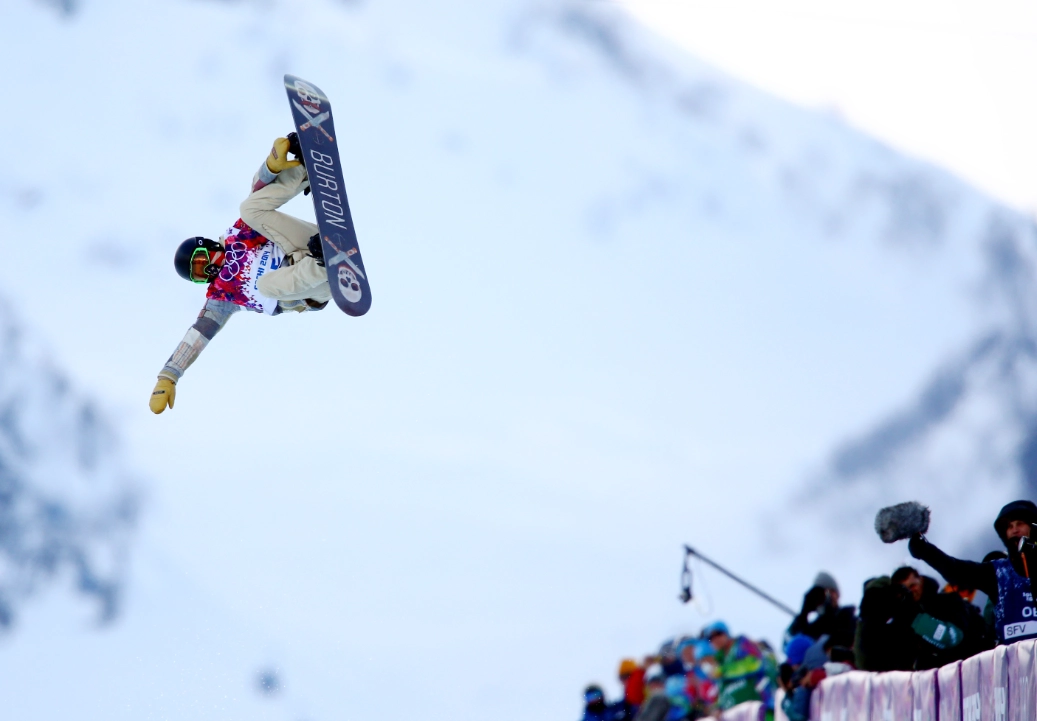
Think of it as a frozen wave. A standard competitive halfpipe is a long, deep channel with two opposing walls (called transitions or trannies) and a flat bottom. The key parts everyone gets wrong? The transition (the curved part connecting the flat bottom to the vertical wall) and the vert (the last few feet of the wall that are truly vertical, usually 85-90 degrees). The lip is the very top edge. The deck is the flat area above the lip.
The dimensions matter. An Olympic-standard halfpipe is about 22 feet (6.7 meters) tall and 64 feet (19.5 meters) wide, with walls 17 degrees steeper than a standard slope. But you'll find everything from 6-foot mini-pipes at local hills to these behemoths at resorts like Breckenridge, Park City, or Mammoth Mountain.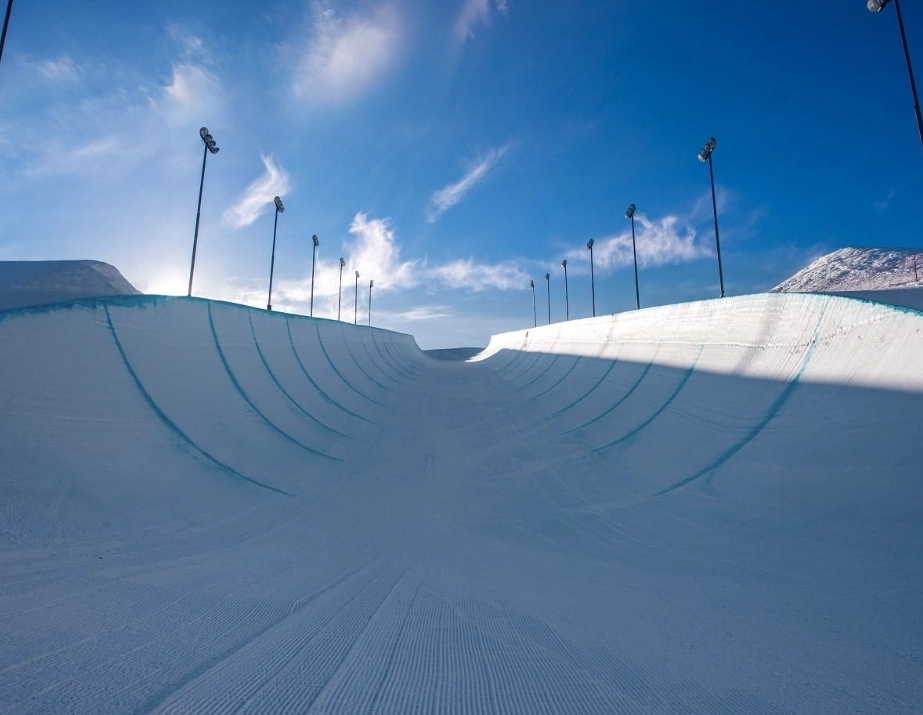
How is a Halfpipe Built? (The Secret to Good Transitions)
This is where the magic—or the misery—happens. A poorly built pipe is a nightmare to ride. Here’s the inside scoop from watching park crews work through the night.
First, they pile up massive amounts of snow. Then, the star of the show arrives: the Zaugg Pipe Monster or a similar pipe-cutting machine. This is a giant rotary plow on an articulated arm. It doesn't just push snow; it precision-mills the shape. The operator follows a laser guide or GPS line to ensure symmetry. They make multiple passes, cutting deeper each time.
The most critical phase is hand-shaping the transitions and vert. Crews use shovels, rakes, and their experience to perfect the curve. A perfect transition is smooth and consistent. Any bump, dip, or change in the radius will throw off a rider's rhythm and absorb their energy. After a day of use, the walls get chewed up, the bottom gets rutted, and the vert softens. That's why you'll often see pipes closed in the morning for regrooming.
The Physics Behind the Pump
You don't need a physics degree, but understanding one concept changes everything: pumping.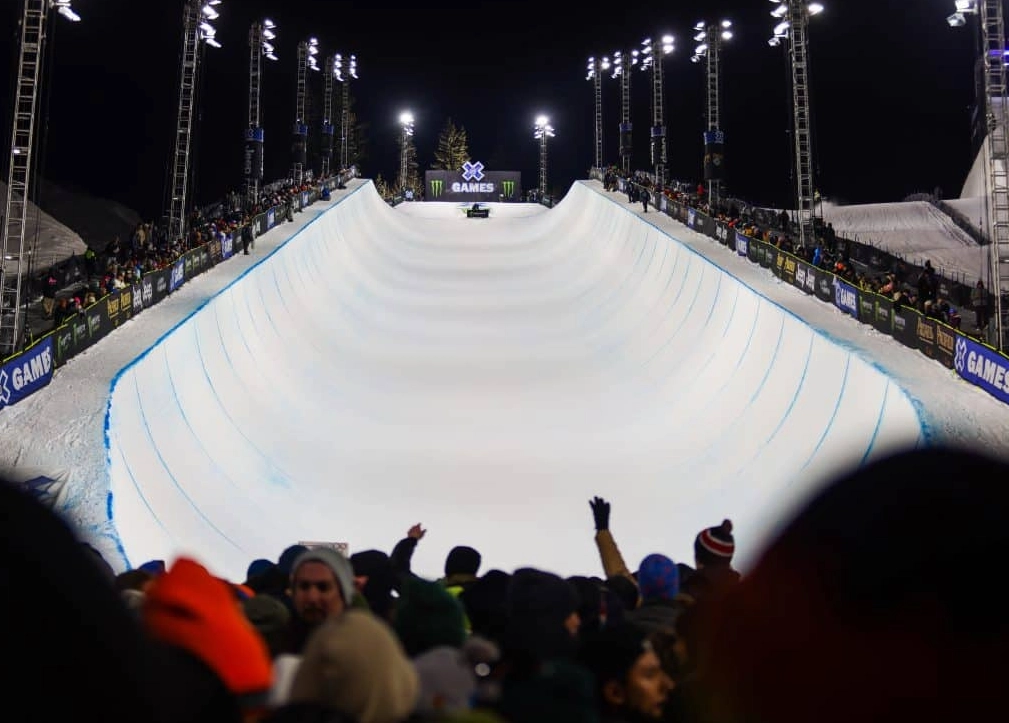
Speed in a halfpipe doesn't come from pointing your board downhill. It comes from converting potential energy to kinetic energy and back again, efficiently. As you come down the wall, you have speed (kinetic energy). As you ride up the opposite transition, you slow down, trading that speed for height (potential energy). At the peak of your arc, you have maximum height and minimal speed.
Here’s the expert move. To get that speed back for your next hit, you pump through the transition. As you enter the bottom curve, you bend your knees deeply, loading your legs like springs. As you start rising up the wall, you extend your legs powerfully, pushing against the snow. This active extension adds energy to the system, giving you more speed and height than you had coming in. It feels like a bounce. If you just stand there passively, you'll lose speed every time.
Trick Progression: From Straight Air to 900
Forget trying a 720 on day one. The progression is non-negotiable. This table breaks down the foundational steps. Master each column before moving right.
| Foundation (Get Comfortable) | Basic Rotation (Learn Control) | Advanced Rotation (Add Style) | Inverted & Complex (The Big League) |
|---|---|---|---|
| Straight Air: Go up, come down facing forward. Focus on a clean takeoff and landing in the transition. | 180s: A frontside or backside 180. Learn to spot your landing and ride away switch. | 540s: A full rotation plus 180. This is where you must learn to wind up your upper body and use your head to spot. | Flips (Cork): Off-axis rotations like a misty flip or a rodeo. These require immense spatial awareness and commitment. |
| Fakie/Straight Air: The same, but starting and landing riding backwards (switch). | 360s: A full rotation. The gateway trick. Practice on small jumps first to get the feeling of coming around. | Grabs: Indy, mute, tail, nose. Grabs add style, stabilize your air, and prove you have control, not just spin. | Double Corks & 1080s: Multiple off-axis flips or three full rotations. The domain of elite competitors. |
| Pumping for Speed: Practice generating speed without spinning, just using the transitions. | Air to Fakie: Go up forward, land backward without spinning. Crucial for linking tricks. | 720s: Two full rotations. The takeoff and spin initiation must be much more powerful and precise. | Combinations: A 720 with a Japan grab into a switch backside 540. This is where creativity meets technical mastery. |
The biggest gap I see? People jump from wobbly 360s straight to attempting 720s. They haven't solidified their air awareness or learned to vary their amplitude (height). Practice doing your 360 at different heights on the wall—low, medium, high. If you can only do it when you're 2 feet out of the pipe, you don't own the trick.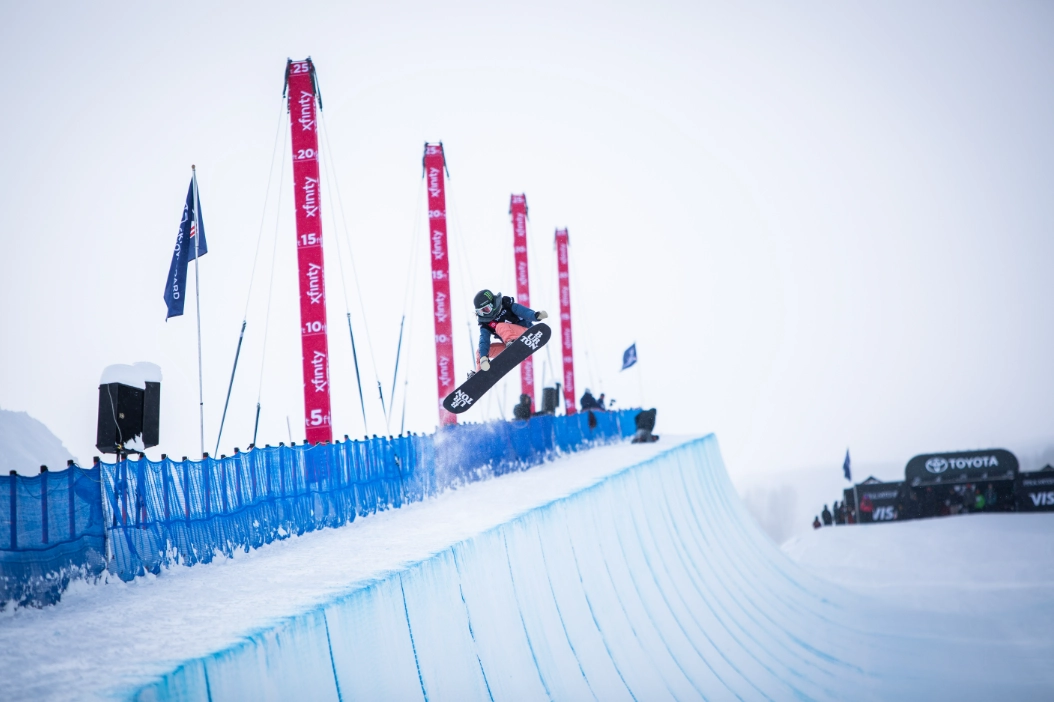
How to Ride a Halfpipe Safely: Gear and Mindset
The halfpipe is a high-consequence environment. Hitting the deck (the flat top) or catching an edge on the vert can lead to serious injuries. Your gear is your first line of defense.
Mindset is everything. Scope the pipe first. Walk along the deck. Look for icy patches, grooves, or soft spots. Watch other riders. Is everyone landing in the same rut? That's a problem spot. Start on the smaller wall. Your first run should be a speed check—no tricks, just riding from wall to wall to feel the snow and the transitions.
The golden rule: Look before you drop. Never drop in if someone is below you in the pipe. The rider farther down the pipe has the right of way. It's not a suggestion; it's how you avoid collisions.
Why Maintenance Matters (And How to Spot a Bad Pipe)
A halfpipe's quality changes by the hour. Sun softens it. Traffic destroys it. Good resorts have a dedicated park crew that works on it overnight. Here’s what to look for:
A Good Pipe: The snow is consistent, not bulletproof ice or slush. The transitions are smooth, with no visible bumps or seams. The vert is firm and holds its shape. The flat bottom is actually flat, not a series of moguls. You can see clean lines from the pipe cutter.
A Bad Pipe: Icy, blue patches on the walls. The lip is rounded and chunky instead of sharp. The bottom is uneven or has deep grooves. The transitions feel bumpy or inconsistent. Riding it feels unpredictable—you get bucked or lose speed randomly.
If you encounter a bad pipe, adjust. Dial back your tricks. Focus on control over amplitude. Or, honestly, go ride the jumps for the day. Fighting a poorly maintained pipe is a recipe for a bad time and a potential injury.
Finding and Choosing the Right Halfpipe
Not all resorts have a halfpipe, and those that do might not maintain it all season. Resources like OnTheSnow or resort-specific park reports are your friend. Many park crews run Instagram accounts with daily condition updates (e.g., @breckpark). Call the resort and ask.
For beginners, seek out mini-pipes or progression parks. These have walls under 12 feet and are less intimidating. The smaller size forces you to focus on technique rather than sheer courage. Resorts like Keystone, Colorado, or Big Bear, California, are known for great learner-friendly terrain parks.
Remember, a 6-foot pipe where you can practice linking turns and getting a feel for the transition is infinitely more valuable than staring down a 22-foot monster you're too scared to drop into.
 How do I choose the right halfpipe to learn on?